
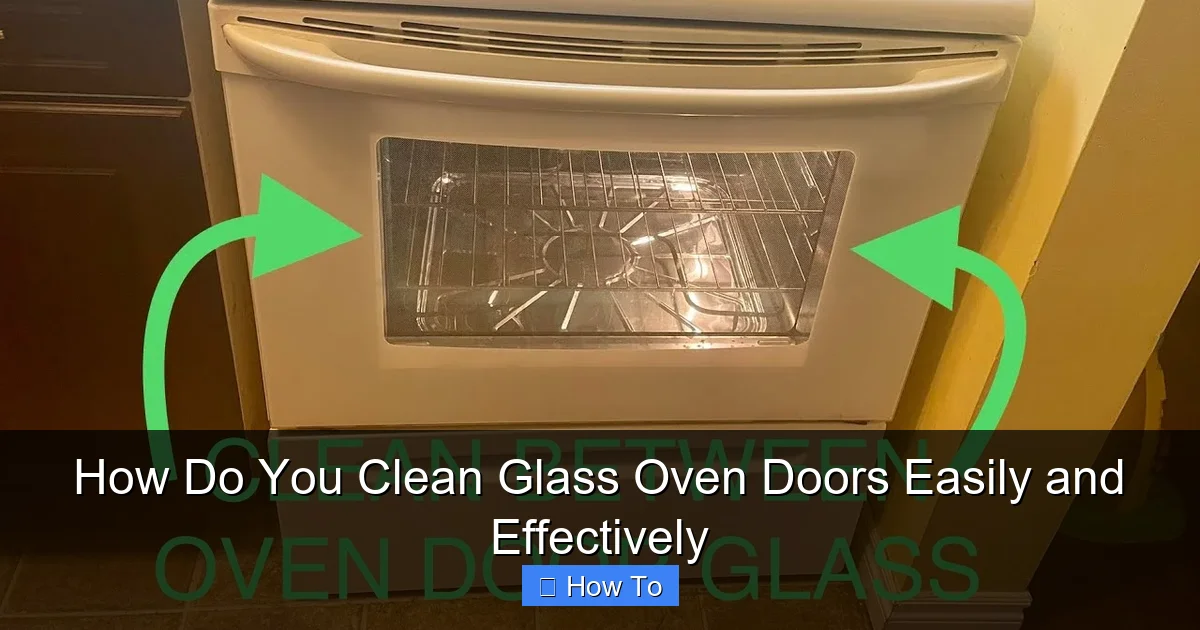
Featured image for how to clean glass oven doors
Image source: i.ytimg.com
The easiest and most effective way to clean glass oven doors is with a paste of baking soda and water, which lifts stubborn grease and burnt residue without scratching the surface. Apply the paste, let it sit for 15–20 minutes, then wipe with a damp cloth and finish with a vinegar rinse for a streak-free shine. Avoid abrasive tools and harsh chemicals to protect the glass and maintain clarity.
How to How Do You Clean Glass Oven Doors Easily and Effectively
Why This Matters / Understanding the Problem
Ever opened your oven and seen streaks, baked-on grease, or mysterious splatters on the glass door? It’s not just gross—it’s a fire hazard. Grease and food residue can smoke, smell, and even catch fire when the oven heats up. If you’ve been wondering how to clean glass oven doors easily and effectively, you’re not alone. Most people struggle with stubborn stains that don’t budge with regular wiping.
Glass oven doors have a special coating (on some models) and are sensitive to harsh chemicals. Using the wrong cleaner or scrubber can leave scratches, fog the glass, or damage the seal. The good news? With the right method, you can get your oven door looking crystal clear—without spending a fortune on professional cleaners.
This guide walks you through a proven, safe, and affordable way to clean glass oven doors easily and effectively, whether you have a self-cleaning oven or a regular one. No fancy tools, no toxic fumes—just real results.
What You Need
Before you start, gather these simple tools and ingredients. Most are already in your kitchen or under the sink.
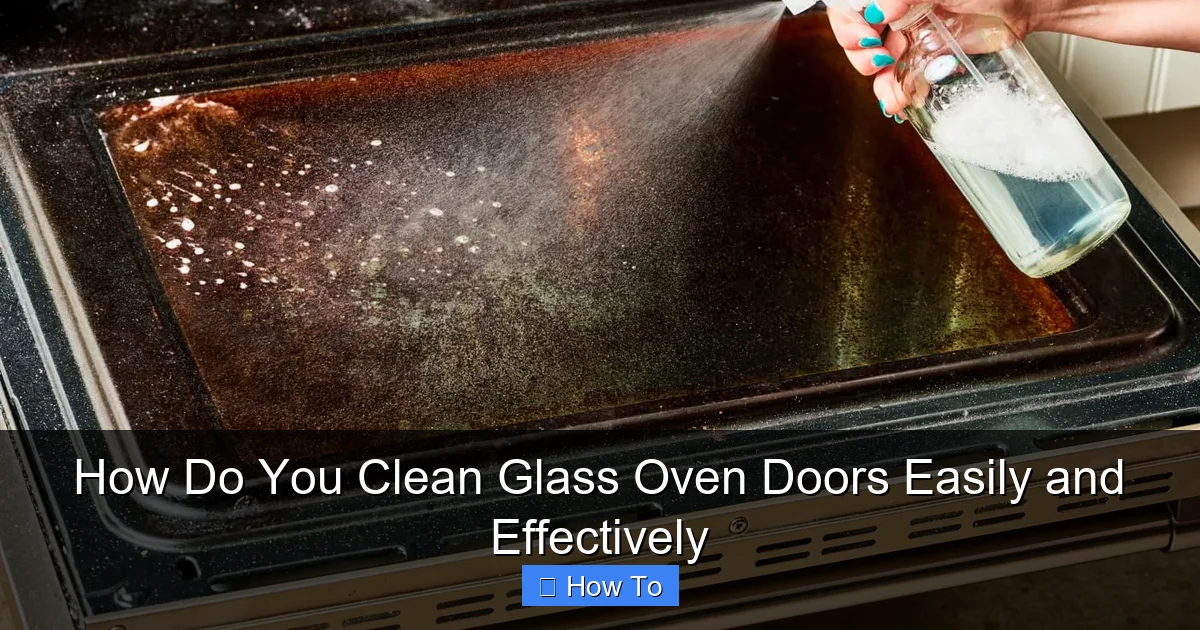
Visual guide about how to clean glass oven doors
Image source: cdn.apartmenttherapy.info
- Baking soda – a gentle abrasive that breaks down grease without scratching
- White vinegar – cuts through residue and deodorizes
- Water – for mixing and rinsing
- Dish soap (mild) – helps lift light grease
- Microfiber cloths or soft sponges – won’t scratch the glass
- Spray bottle – for vinegar solution
- Plastic putty knife or old credit card – for scraping off tough gunk (optional)
- Rubber gloves – to protect your hands (optional but smart)
Pro Tip: Avoid steel wool, abrasive scrub pads, or ammonia-based cleaners. These can scratch the glass or leave harmful residues. Stick to non-abrasive tools for safe, effective glass oven door cleaning.
Step-by-Step Guide to How Do You Clean Glass Oven Doors Easily and Effectively
Step 1: Remove the Oven Door (If Possible)
Some ovens let you remove the door for easier access. Check your user manual or look for side latches that release the hinges. If yours doesn’t remove, don’t worry—you can still clean it in place.

Visual guide about how to clean glass oven doors
Image source: maid2match.com.au
If you can remove it:
- Open the door fully and locate the hinge locks (usually on both sides).
- Lift the locks to release the door, then gently pull it upward and out.
- Place it on a soft towel on the counter to avoid scratches.
Why it helps: Removing the door lets you clean both sides and reach corners without awkward angles. This makes the whole process easier and more thorough when learning how to clean glass oven doors easily and effectively.
Step 2: Mix Your Cleaning Paste
Skip the expensive oven cleaners. Make your own paste with just two ingredients:
- 3 tablespoons baking soda
- 1–2 tablespoons water (add slowly)
Stir until it forms a thick, spreadable paste (like toothpaste). If it’s too runny, add more baking soda. If it’s too dry, add a splash of water.
Real-life example: Sarah, a mom of three, used this paste on her oven door after a lasagna spill. The paste sat for 20 minutes, and the baked-on cheese wiped off with a cloth—no scrubbing required.
Step 3: Apply the Paste and Let It Sit
Using a spoon or your fingers, spread the paste evenly over the glass, especially on stained or greasy areas. Don’t worry if it looks messy—it’s doing its job.
Let it sit for 15 to 30 minutes. For really tough stains (like burnt-on sugar or tomato sauce), go for 30 minutes. The baking soda softens the grime, making it easy to wipe away.
While you wait, don’t use the oven. Keep kids and pets away from the cleaning area.
Warning: Never leave the paste on for more than 60 minutes. Over-soaking can dull the glass or damage the seal around the door.
Step 4: Wipe and Scrub Gently
After the paste has sat, use a damp microfiber cloth or soft sponge to wipe it off. Start at the top and work down to avoid streaks.
For stubborn spots, use a plastic putty knife or an old credit card to gently scrape the residue. Hold it at a 45-degree angle to avoid scratching.
Don’t press too hard—let the paste do the work. If needed, reapply the paste to tough areas and wait another 10 minutes.
This method is perfect for learning how to clean glass oven doors easily and effectively—no elbow grease required.
Step 5: Rinse and Dry with Vinegar
Once the paste is gone, spray the glass with a 1:1 mix of white vinegar and water. The vinegar removes any leftover baking soda residue and gives the glass a streak-free shine.
Wipe with a clean, dry microfiber cloth. Buff in circular motions for a crystal-clear finish.
If you removed the door, let it air-dry for 5 minutes before reattaching. This prevents moisture from getting trapped inside the hinges.
Pro Tip: Vinegar also helps prevent future fogging. Use it weekly for maintenance.
Step 6: Clean the Door Frame and Seals (Bonus Step)
While the glass is drying, don’t forget the frame and rubber seals around the door. These trap food particles and grease.
Mix a few drops of dish soap with warm water. Dip a soft cloth or toothbrush and gently scrub the frame, hinges, and seal.
Rinse with a damp cloth and dry thoroughly. Avoid soaking the rubber—it can crack over time.
Keeping the frame clean helps your oven seal better and prevents smoke from escaping during cooking.
Step 7: Reattach the Door (If Removed)
If you took the door off, reattach it carefully:
- Align the hinges with the slots.
- Push the door down until it clicks into place.
- Close the door and check that it seals properly.
Give the glass one final wipe with a vinegar-water spray to remove fingerprints.
Pro Tips & Common Mistakes to Avoid
- Don’t use glass cleaner with ammonia – it can damage the oven’s special coating and create fumes when heated.
- Never clean a hot oven door – always let it cool completely. Hot glass can crack from sudden temperature changes.
- Avoid paper towels – they leave lint and can scratch the surface. Microfiber is best.
- Don’t skip the vinegar rinse – baking soda leaves a film if not rinsed. Vinegar neutralizes it and adds shine.
- Clean after every few uses – waiting too long makes stains harder to remove. A quick wipe after spills prevents buildup.
Real-life mistake: Mark tried cleaning his oven door with a steel wool pad. It scratched the glass, and now he sees swirls every time the oven light turns on. Stick to soft tools!
For self-cleaning ovens: The high heat burns off residue, but it doesn’t clean the glass door. You still need to wipe the glass before and after the cycle to remove ash and streaks.
For convection ovens: The fan spreads grease around. Clean the glass more often (every 2–3 weeks) to prevent buildup.
FAQs About How Do You Clean Glass Oven Doors Easily and Effectively
Q1: Can I use Windex or other glass cleaners?
Not recommended. Most glass cleaners contain ammonia, which can damage the oven’s anti-smudge coating and release toxic fumes when heated. Stick to vinegar or a baking soda paste for safe, effective cleaning.
Q2: What if I have a self-cleaning oven?
Self-cleaning ovens burn off interior grime, but the glass door still gets dirty. After the cycle, wipe the glass with a damp cloth to remove ash. Then use the baking soda paste for stubborn stains. Never run the self-clean cycle with the door already dirty—it can smoke and smell.
Q3: How often should I clean my oven door?
For light use (1–2 times a week), clean the glass every 2–3 weeks. For heavy use (daily cooking), clean it weekly. Wipe spills right away to prevent staining. Regular cleaning makes how to clean glass oven doors easily and effectively a breeze.
Q4: Can I use a razor blade to scrape off tough stains?
Only if you’re experienced. Hold the blade at a 45-degree angle and scrape gently. A plastic scraper or credit card is safer and works almost as well. One wrong move with a razor can scratch the glass permanently.
Q5: What if my oven door has a foggy or cloudy look?
This is usually residue from harsh cleaners or soap. Try the baking soda paste followed by vinegar. If it’s permanent, it may be etching from long-term chemical damage. In that case, professional polishing may be needed.
Q6: Is baking soda safe for all oven types?
Yes—baking soda is non-toxic and gentle on glass, stainless steel, and ceramic. It’s safe for electric, gas, convection, and self-cleaning ovens. Just avoid getting it in the heating elements or fan.
Q7: Can I clean the inside of the oven door?
Yes! If you removed the door, clean both sides. If not, use a long-handled sponge or microfiber cloth to reach between the glass panels. Spray vinegar inside, then wipe. Be careful not to soak the hinges.
🎥 Related Video: The Secret To Clean Your Oven Glass Door #shorts
📺 A Charming Abode
Tired of complicated oven-cleaning rituals? Say hello to simplicity and effectiveness! ✨ Discover the secret to a sparkling oven …
Final Thoughts
Cleaning your oven door doesn’t have to be a chore. With the right tools and a little patience, you can make it sparkle—safely and affordably. Now that you know how to clean glass oven doors easily and effectively, there’s no excuse for a grimy oven.
Remember: Baking soda + vinegar is your best friend. Skip the harsh chemicals, avoid abrasive tools, and clean regularly to prevent buildup. A clean oven door doesn’t just look great—it helps your oven work better and lasts longer.
Next time you see a splatter, don’t ignore it. Grab your paste, let it sit, and wipe it away. In 30 minutes or less, you’ll have a door so clear, you’ll want to cook just to show it off.
Your move: Try this method this weekend. Take a before-and-after photo—you’ll be amazed at the difference. And share your results! A clean oven is a happy oven.
