How Hot Is a Crematorium Oven
Crematorium ovens reach temperatures between 1400°F and 1800°F (760°C to 982°C), ensuring complete and respectful body reduction. These high temperatures are carefully controlled to meet legal, environmental, and ethical standards while minimizing emissions and energy use.
When most people think of cremation, they imagine intense heat reducing a body to ashes. But just how hot is a crematorium oven? The answer might surprise you—and it’s not just about raw temperature. It’s about precision, safety, environmental responsibility, and respect. Understanding the science behind cremation helps demystify a process that many find mysterious or even unsettling.
Crematorium ovens, also known as cremators, are highly engineered systems designed to reduce human remains to bone fragments through extreme heat. Unlike a backyard fire or even a furnace, these ovens operate under strict controls to ensure efficiency, safety, and compliance with environmental laws. The temperatures involved are not arbitrary—they’re carefully calibrated to achieve complete combustion while minimizing harmful emissions.
So, what makes these ovens so effective? It’s not just about turning up the heat. It’s about how that heat is applied, sustained, and managed throughout the process. From the moment the body enters the chamber to the final cooling and processing of remains, every step is monitored to ensure dignity and compliance.
Key Takeaways
- Standard operating temperature: Crematorium ovens typically operate between 1400°F and 1800°F (760°C to 982°C) for efficient and complete combustion.
- Dual-chamber design: Most modern cremation units use a primary chamber for the body and a secondary chamber to burn off gases and particulates.
- Duration of process: The entire cremation process takes 1.5 to 3 hours, depending on body size, oven efficiency, and temperature settings.
- Environmental controls: Advanced filtration systems reduce emissions, making modern crematoriums much cleaner than older models.
- Energy source: Most crematorium ovens run on natural gas or propane, chosen for clean and consistent heat output.
- Temperature regulation: Automated systems monitor and adjust heat to maintain optimal conditions and comply with regulations.
- Respectful and dignified: Despite the intense heat, the process is designed to honor the deceased with care and precision.
Quick Answers to Common Questions
How hot does a crematorium oven get?
Crematorium ovens typically reach temperatures between 1400°F and 1800°F (760°C to 982°C) to ensure complete combustion of the body.
How long does it take to cremate a body?
The cremation process usually takes 1.5 to 3 hours, depending on body size, oven efficiency, and temperature settings.
What fuel do crematorium ovens use?
Most crematorium ovens run on natural gas or propane, chosen for their clean and consistent burn.
Are crematorium ovens bad for the environment?
Modern crematoriums use advanced filtration systems to reduce emissions, making them much cleaner than older models.
Can you open a crematorium oven during the process?
No, operators never open the chamber during cremation due to safety risks and the need to maintain temperature and pressure.
📑 Table of Contents
- What Temperature Does a Crematorium Oven Reach?
- How Crematorium Ovens Work: The Science Behind the Heat
- Factors That Influence Cremation Temperature
- Safety and Environmental Considerations
- How Long Does the Cremation Process Take?
- Myths and Misconceptions About Crematorium Heat
- Conclusion: Respect, Science, and Precision
What Temperature Does a Crematorium Oven Reach?
The core of the question—how hot is a crematorium oven—comes down to numbers. Most modern cremation units operate between 1400°F and 1800°F (760°C to 982°C). This range is considered optimal for breaking down organic matter efficiently while reducing the body to bone fragments and ash.
Why this specific range? Temperatures below 1400°F may not fully combust the body, leaving behind residue or requiring longer processing times. On the other hand, exceeding 1800°F can waste energy, damage equipment, and increase emissions. The sweet spot ensures complete reduction without unnecessary strain on the system.
For example, a typical adult cremation might run at around 1600°F (871°C) for about two hours. This temperature is hot enough to vaporize soft tissues, melt metals like dental fillings, and reduce bones to brittle fragments. The exact temperature can vary based on the crematory’s model, fuel type, and local regulations.
How Temperature Affects the Cremation Process
Temperature plays a critical role in how quickly and completely the body is reduced. At 1400°F, the process may take closer to three hours. At 1800°F, it could be completed in under two. But speed isn’t the only factor—consistency matters too.
Modern cremators use thermocouples and digital controls to monitor heat in real time. If the temperature drops too low, the system automatically increases fuel flow. If it spikes, safety mechanisms kick in to prevent overheating. This ensures a steady, controlled burn that respects both the deceased and the environment.
How Crematorium Ovens Work: The Science Behind the Heat
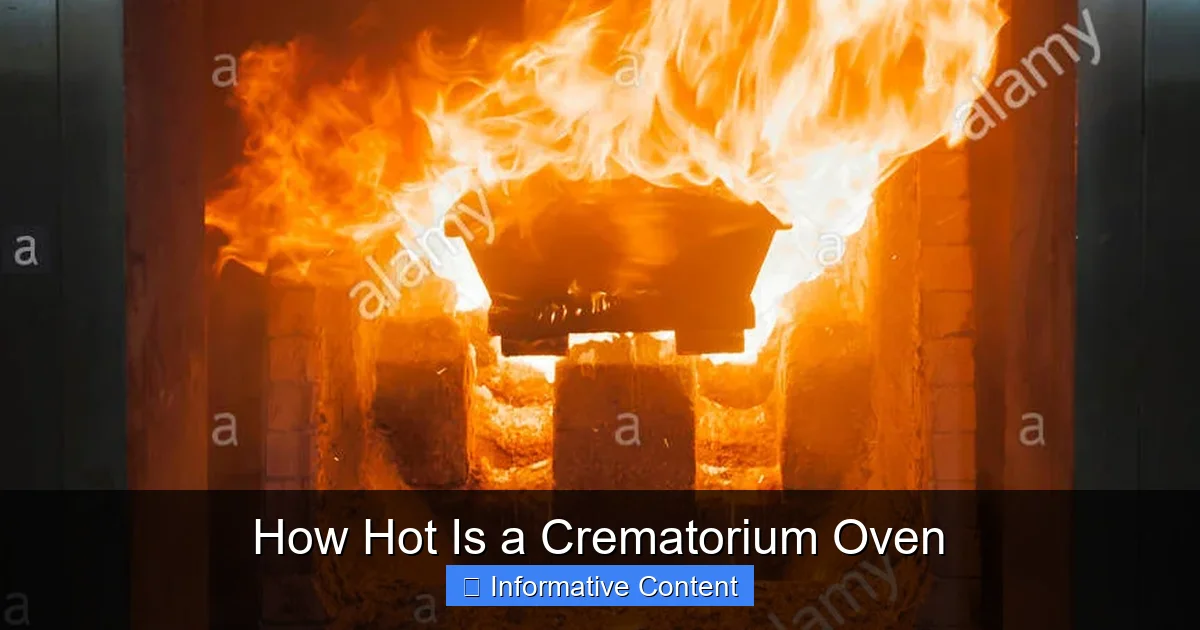
Visual guide about How Hot Is a Crematorium Oven
Image source: c8.alamy.com
Crematorium ovens are not simple furnaces. They are sophisticated machines with multiple chambers and advanced controls. Understanding how they work helps explain why such high temperatures are necessary—and how they’re safely managed.
The process begins when the body is placed in the primary chamber, also called the combustion chamber. This is where the intense heat is applied. The chamber is lined with refractory bricks that can withstand extreme temperatures and retain heat efficiently.
Once ignited, the burner—usually fueled by natural gas or propane—heats the chamber to the target temperature. The body is exposed to direct flame and radiant heat, causing rapid dehydration and combustion of soft tissues. Within minutes, the body begins to break down.
The Role of the Secondary Chamber
After the primary chamber does its work, the real magic happens in the secondary chamber, or afterburner. This is where gases, smoke, and particulates from the first stage are reheated to over 1800°F (982°C) for a second burn.
Why is this important? Without the secondary chamber, harmful emissions like carbon monoxide, volatile organic compounds, and even small particles could escape into the air. The afterburner ensures these pollutants are broken down into harmless gases like carbon dioxide and water vapor.
This two-stage process is what makes modern cremation environmentally responsible. Older models without secondary chambers were far more polluting, but today’s systems meet strict emissions standards in most countries.
Factors That Influence Cremation Temperature
While 1400°F to 1800°F is the standard range, several factors can influence the exact temperature used during a cremation. These include body size, clothing, casket material, and even the time of day.
For instance, a larger body with more mass may require slightly higher temperatures or longer exposure to ensure complete combustion. Similarly, if the deceased is wearing synthetic clothing or placed in a wooden casket, those materials will burn at different rates and may affect heat distribution.
Body Composition and Mass
Body composition plays a big role. A person with a higher body mass index (BMI) may take longer to cremate because there’s more tissue to break down. In such cases, the crematory operator might adjust the temperature or extend the cycle time.
However, operators are trained to avoid excessive heat. Overheating can damage the chamber lining or cause unnecessary wear on the equipment. It’s a balance between efficiency and preservation of the machine.
Fuel Type and Efficiency
Most crematorium ovens run on natural gas because it burns cleanly and provides consistent heat. Propane is also common, especially in areas where natural gas isn’t available. Electric cremators exist but are rare due to high energy costs and lower heat output.
The efficiency of the fuel system directly impacts temperature control. Modern units use computer-regulated burners that adjust flame intensity based on real-time feedback. This ensures the oven stays within the optimal range without manual intervention.
Safety and Environmental Considerations
Operating at such high temperatures requires strict safety protocols. Crematorium ovens are built with multiple layers of insulation, automatic shut-off systems, and continuous emissions monitoring. These features protect both the operators and the surrounding environment.
One of the biggest concerns with cremation is air quality. Burning human remains releases gases, including carbon dioxide, nitrogen oxides, and trace amounts of mercury from dental amalgam. That’s why modern cremators are equipped with scrubbers, filters, and afterburners to clean the exhaust.
Emissions Control Systems
Advanced crematory systems use a combination of technologies to reduce emissions. Afterburners destroy organic pollutants, while electrostatic precipitators or baghouse filters capture fine particles. Some facilities even use activated carbon filters to absorb mercury vapor.
These systems are regularly tested and maintained to ensure compliance with environmental regulations. In the U.S., the Environmental Protection Agency (EPA) sets guidelines, though enforcement varies by state. In Europe, regulations are often stricter, requiring continuous monitoring and reporting.
Operator Training and Safety Protocols
Crematory operators undergo extensive training not only in machine operation but also in safety and ethics. They must understand how to monitor temperature, respond to malfunctions, and handle remains with dignity.
Safety features include emergency cooling systems, fire suppression, and remote monitoring. Operators never open the chamber during the process—doing so could cause a dangerous pressure release or expose them to toxic fumes.
How Long Does the Cremation Process Take?
The duration of cremation depends on several factors, but most adult cremations take between 1.5 and 3 hours. This includes pre-heating the chamber, the actual combustion, and cooling before the remains can be processed.
Smaller bodies, such as those of children or infants, may take less time—sometimes under an hour. Larger bodies or those in reinforced caskets may require longer cycles.
Post-Cremation Processing
After the oven cools, the bone fragments are collected and processed into a fine, sand-like substance known as cremains. This is done using a machine called a cremulator, which pulverizes the brittle bone pieces.
The entire process—from start to finish—is designed to be respectful and efficient. Families can usually receive the ashes within a few days, depending on the crematory’s schedule and local regulations.
Myths and Misconceptions About Crematorium Heat
There are many myths surrounding cremation, especially about how hot the ovens get and what happens inside. Let’s clear up a few common misconceptions.
One myth is that cremation reduces the body to “ashes” like those from a campfire. In reality, the remains are mostly bone fragments that are later ground into powder. True ash—the residue of completely combusted material—makes up only a small portion.
Another misconception is that the oven melts the body. While metals like jewelry or medical implants may melt, the body itself undergoes combustion, not melting. Soft tissues vaporize, and bones become brittle and crumble.
Is Cremation Harmful to the Environment?
While cremation does release carbon dioxide, it’s often considered more eco-friendly than traditional burial, which uses land, embalming chemicals, and non-biodegradable materials. Modern cremation’s emissions are relatively low, especially with advanced filtration.
Some people choose “green” cremation methods, such as alkaline hydrolysis (water cremation), which uses less energy and produces fewer emissions. However, flame-based cremation remains the most common method worldwide.
Conclusion: Respect, Science, and Precision
So, how hot is a crematorium oven? The answer is both simple and complex. These ovens reach temperatures between 1400°F and 1800°F—hot enough to reduce a body to bone fragments in a matter of hours. But the real story isn’t just about heat. It’s about the careful balance of science, safety, and respect that defines modern cremation.
From dual-chamber designs to emissions controls, every aspect of the process is engineered to honor the deceased while protecting the environment. Operators are trained professionals who follow strict protocols to ensure dignity and compliance.
Understanding the temperature and mechanics behind cremation can help ease fears and answer questions for those considering it for themselves or loved ones. It’s a process rooted in both tradition and innovation—a quiet, powerful way to say goodbye.
Frequently Asked Questions
What is the average temperature inside a crematorium oven?
The average operating temperature is between 1400°F and 1800°F (760°C to 982°C). This range ensures efficient and complete combustion of human remains.
Why do crematorium ovens need to be so hot?
High temperatures are necessary to break down soft tissues, vaporize moisture, and reduce bones to brittle fragments that can be processed into ashes.
Do crematorium ovens have safety features?
Yes, modern cremators include automatic shut-offs, temperature monitors, fire suppression, and emissions controls to ensure safe operation.
Can medical implants affect the cremation process?
Yes, metal implants like pacemakers must be removed before cremation, as they can explode or damage the oven. Other implants may melt and be filtered out.
Is cremation more eco-friendly than burial?
Cremation uses less land and avoids embalming chemicals, but it does release CO2. With modern filters, it’s often considered a greener option than traditional burial.
Are cremated remains really ashes?
Not exactly. The remains are mostly bone fragments that are ground into a fine powder. True ash makes up only a small portion of the final product.