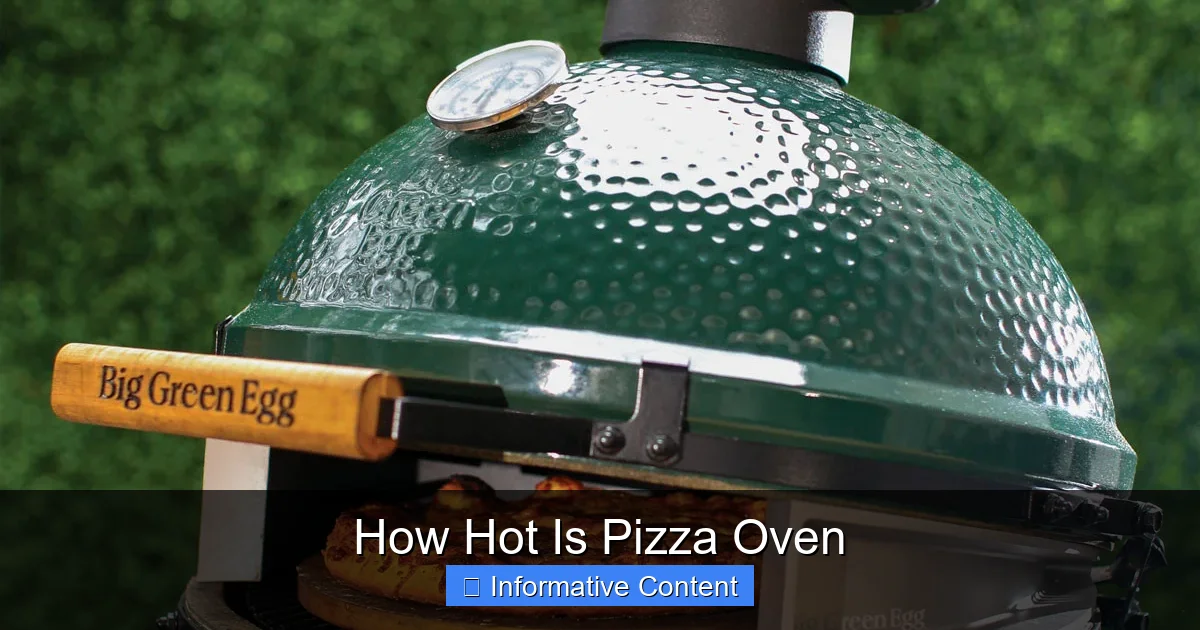
How Hot Is Pizza Oven
Ever wonder how hot a pizza oven gets? These ovens reach temperatures far beyond your kitchen appliance—anywhere from 700°F to over 900°F—to cook pizza in under 90 seconds. High heat creates that signature crispy crust and bubbly cheese you crave, making temperature a game-changer for authentic results.
If you’ve ever bitten into a slice of pizza with a perfectly charred crust, blistered cheese, and a smoky aroma, you’ve tasted the magic of a hot pizza oven. But just how hot is a pizza oven? The answer might surprise you. While your home oven maxes out around 500°F, a true pizza oven can soar well beyond 800°F—sometimes even hitting 900°F or more. That kind of heat isn’t just impressive; it’s essential for crafting the kind of pizza you’d find in Naples, New York, or your favorite local pizzeria.
The reason for these extreme temperatures lies in the physics of cooking. Pizza is a delicate balance of dough, sauce, cheese, and toppings—all of which need to cook quickly and evenly. If the oven isn’t hot enough, the crust absorbs moisture, turns soggy, and loses that satisfying crunch. But when the oven is blazing hot, the dough instantly puffs up, the cheese melts into golden bubbles, and the crust develops those beautiful leopard-spotted char marks that signal perfection. In short, high heat transforms a simple flatbread into a culinary masterpiece.
Key Takeaways
- Traditional wood-fired ovens reach 800–900°F: These high temperatures are essential for Neapolitan-style pizza, cooking in just 60–90 seconds.
- Home pizza ovens range from 700°F to 900°F: Modern countertop models like Ooni and Roccbox can hit professional-level heat for fast, crispy results.
- Heat retention is just as important as peak temperature: Dense materials like cordierite or firebrick store heat, ensuring even cooking and consistent browning.
- Higher heat = faster cooking and better texture: Intense heat quickly vaporizes moisture, creating a crisp crust without drying out toppings.
- Gas, wood, and electric ovens vary in heat output: Wood-fired offers the highest temps, while electric models are more consistent but often cooler.
- Preheating is non-negotiable: Always allow 20–45 minutes for your oven to reach optimal temperature before baking.
- Use an infrared thermometer to monitor surface heat: This ensures your stone or deck is hot enough for perfect pizza every time.
Quick Answers to Common Questions
How hot does a wood-fired pizza oven get?
A wood-fired pizza oven can reach temperatures between 800°F and 900°F, sometimes even higher. This intense heat is essential for cooking Neapolitan-style pizza in under 90 seconds.
Can a home oven get hot enough for good pizza?
Most home ovens max out at 500°F, which isn’t hot enough for authentic pizza. However, using a pizza stone or steel and preheating thoroughly can help improve results.
What temperature should a pizza stone be?
For best results, your pizza stone should be at least 750°F. Use an infrared thermometer to check the surface temperature before baking.
How long does it take to preheat a pizza oven?
Preheating time varies: gas and electric ovens take 20–30 minutes, while wood-fired ovens may need 45 minutes or more to reach optimal heat.
Does higher heat make better pizza?
Yes—higher heat cooks pizza faster, creating a crisp crust, melted cheese, and charred spots without drying out the toppings.
📑 Table of Contents
Why Temperature Matters in Pizza Making
Temperature isn’t just a number on a dial—it’s the heartbeat of great pizza. The intense heat in a pizza oven does more than just cook your ingredients; it fundamentally changes the texture and flavor of the dough. When the oven reaches 700°F or higher, the moisture in the dough rapidly turns to steam. This steam lifts the crust, creating air pockets and a light, airy interior. At the same time, the high heat quickly sets the exterior, preventing it from becoming dense or tough.
But it’s not just about the dough. Toppings also benefit from fast, high-heat cooking. Cheese melts evenly without separating, vegetables retain their crunch, and cured meats like pepperoni curl and crisp at the edges. This rapid cooking process—often under two minutes—preserves freshness and prevents overcooking. In contrast, baking pizza in a standard home oven at 450°F can take 10–15 minutes, resulting in a drier, less vibrant final product.
The Science Behind the Sizzle
When pizza dough hits a scorching hot surface—like a pizza stone or steel—a process called the Maillard reaction kicks in. This chemical reaction between amino acids and reducing sugars creates hundreds of new flavor compounds, giving the crust its rich, toasty taste and golden-brown color. The higher the temperature, the faster and more intense this reaction becomes. That’s why a pizza baked at 900°F tastes so much more complex and satisfying than one baked at 500°F.
Additionally, high heat helps develop what pizza enthusiasts call “leoparding”—those dark, blistery spots on the crust. These spots form when parts of the dough rise quickly and make direct contact with the intense heat of the oven floor or flames. The result is a contrast of textures: crispy, charred edges with a soft, chewy center. This visual and textural hallmark is nearly impossible to achieve without a seriously hot oven.
Types of Pizza Ovens and Their Heat Levels
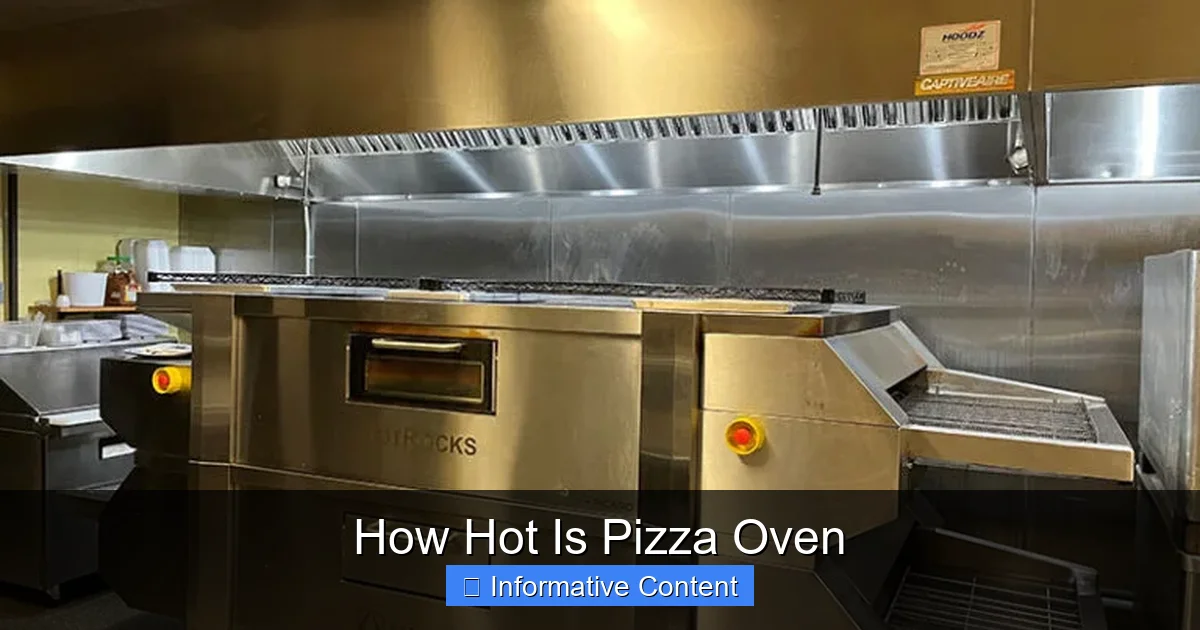
Visual guide about How Hot Is Pizza Oven
Image source: hotrocksoven.com
Not all pizza ovens are created equal—and their heat output varies significantly depending on the fuel source and design. Understanding these differences can help you choose the right oven for your needs, whether you’re a weekend warrior or a serious pizza aficionado.
Wood-Fired Ovens: The Gold Standard
Wood-fired ovens are the traditional choice for authentic Neapolitan pizza. These ovens, often built from brick or clay, are heated by burning wood, which can raise internal temperatures to an astonishing 800°F to 900°F—sometimes even higher. The intense, radiant heat from the flames and the hot oven dome cooks the pizza quickly and evenly, while the smoke imparts a subtle, smoky flavor that’s hard to replicate.
One of the key advantages of wood-fired ovens is their ability to retain heat. Once the fire is built and the oven walls are fully heated, they radiate energy for hours, allowing for consistent baking even after the flames die down. This makes them ideal for cooking multiple pizzas in succession, just like in a busy pizzeria.
Gas-Powered Ovens: Convenience Meets Heat
Gas pizza ovens, like the popular Ooni Karu or Gozney Roccbox, offer a modern twist on traditional cooking. These portable ovens use propane or natural gas to generate high heat—typically between 700°F and 900°F. While they don’t produce the same smoky flavor as wood-fired models, they heat up faster and are easier to control, making them a favorite among home cooks.
Many gas ovens also allow you to add wood chips for a hint of smoke, bridging the gap between convenience and authenticity. They’re perfect for backyard pizza nights, camping trips, or anyone who wants restaurant-quality results without the hassle of building a brick oven.
Electric Pizza Ovens: Consistent and Clean
Electric pizza ovens, such as the Breville Smart Oven Pizzaiolo or the Cuisinart Pizza Maker, are designed for indoor use and offer precise temperature control. These ovens typically reach temperatures between 700°F and 850°F, though some high-end models can go even higher. While they lack the rustic charm of wood or gas, they provide consistent heat and are ideal for apartment dwellers or those without outdoor space.
One advantage of electric ovens is their ability to maintain a steady temperature, which reduces the risk of under- or overcooking. However, they often take longer to preheat and may not achieve the same level of char as their wood- or gas-powered counterparts.
How to Measure and Monitor Oven Temperature
Knowing how hot your pizza oven gets is only half the battle—you also need to monitor it accurately to ensure consistent results. Relying on the oven’s built-in thermometer isn’t always reliable, especially in high-end models where the sensor may not reflect the actual surface temperature.
Using an Infrared Thermometer
An infrared (IR) thermometer is a must-have tool for any serious pizza maker. These handheld devices measure surface temperature by detecting infrared energy, giving you a precise reading in seconds. Simply point the thermometer at your pizza stone or steel, and you’ll know exactly when it’s ready to bake.
For best results, take multiple readings across the surface. Hot spots are common, especially in wood-fired ovens, so rotating your pizza during cooking can help ensure even browning. Aim for a stone temperature of at least 750°F for Neapolitan-style pizza, though some chefs prefer even higher.
Preheating: The Secret to Success
No matter what type of oven you use, preheating is critical. A cold oven will steal heat from your dough the moment it goes in, leading to a soggy, undercooked crust. Most experts recommend preheating for at least 20–30 minutes, though wood-fired ovens may need 45 minutes or more to reach optimal temperature.
During preheating, keep the oven door closed as much as possible to retain heat. If you’re using a wood-fired oven, build a fire in the center and let it burn until the dome and floor are fully heated. You’ll know it’s ready when the interior walls are glowing orange and the surface of the stone is white-hot.
Tips for Getting the Most Out of Your Hot Oven
Once you’ve mastered the heat, it’s time to refine your technique. Even the hottest oven won’t save a poorly made pizza, so attention to detail is key.
Use the Right Dough
High heat demands the right dough. Neapolitan-style dough, for example, is made with high-protein flour, water, salt, and yeast, and is typically fermented for 24–48 hours. This long fermentation develops flavor and creates a dough that can withstand extreme temperatures without burning.
Avoid overloading your pizza with wet toppings like fresh tomatoes or mushrooms, as they can release moisture and cool down the oven. Instead, opt for dry cheeses, cured meats, and pre-cooked vegetables.
Launch and Rotate
Getting your pizza into the oven quickly and evenly is crucial. Use a well-floured pizza peel to slide the pie onto the hot stone. Once it’s in, rotate it 180 degrees after 30 seconds to ensure even cooking. Most pizzas are done in 60–90 seconds, so keep a close eye on it.
Clean Your Oven Regularly
Ash, grease, and burnt flour can build up over time, affecting heat distribution and flavor. After each use, brush out the oven floor and wipe down the stone. For wood-fired ovens, remove ash and unburned wood to maintain efficient airflow.
The Bottom Line: Heat Is Everything
At the end of the day, how hot is a pizza oven? Hot enough to transform simple ingredients into something extraordinary. Whether you’re firing up a backyard brick oven or a sleek countertop model, the magic lies in the heat. It’s what gives pizza its crisp crust, bubbly cheese, and unforgettable flavor.
So the next time you bite into a perfectly cooked slice, take a moment to appreciate the science and skill behind it. That blistering heat isn’t just cooking your food—it’s creating an experience.
Frequently Asked Questions
What is the ideal temperature for baking pizza?
The ideal temperature for baking pizza is between 750°F and 900°F. This range allows for rapid cooking, resulting in a crispy crust and perfectly melted toppings.
Can you bake pizza at 500°F?
Yes, but it won’t be as good. At 500°F, pizza takes longer to cook, which can lead to a dry or soggy crust. For best results, use a hotter oven or a pizza steel.
How do I know when my pizza oven is hot enough?
Use an infrared thermometer to check the surface temperature of your stone or deck. It should read at least 750°F before you launch your pizza.
Why do pizzerias use such hot ovens?
Pizzerias use hot ovens to cook pizza quickly and evenly. High heat creates the signature texture and flavor that customers expect, especially in Neapolitan and New York-style pies.
Can I use a regular baking sheet instead of a pizza stone?
You can, but it won’t perform as well. Baking sheets don’t retain heat like stone or steel, so your crust may not crisp up properly.
Do electric pizza ovens get as hot as wood-fired ones?
Some high-end electric models can reach 850°F or more, approaching wood-fired temperatures. However, they may lack the radiant heat and smoky flavor of traditional ovens.