
Venison bacon is a lean, flavorful alternative to pork bacon that requires careful oven cooking to avoid drying out. Cooking it at 375°F (190°C) for 12–18 minutes delivers crispy edges while preserving moisture. Always use a wire rack and monitor closely for best results.
If you’ve ever tried venison bacon, you know it’s not your average breakfast side. Made from cured and smoked deer meat, venison bacon offers a rich, slightly gamey flavor with far less fat than traditional pork bacon. But because it’s so lean, cooking it requires a bit more attention—especially when using the oven. Unlike pork bacon, which renders plenty of fat during cooking, venison bacon can dry out quickly if overcooked or exposed to too much direct heat.
So, how long to cook venison bacon in oven? The short answer: 12 to 18 minutes at 375°F (190°C). But the real magic lies in the details—how you prepare it, what tools you use, and how closely you monitor it. Whether you’re a seasoned hunter who’s just processed your own deer or a curious foodie trying something new, mastering oven-cooked venison bacon is easier than you think. With the right technique, you’ll get crispy, smoky strips that pair perfectly with eggs, toast, or even wrapped around grilled vegetables.
Key Takeaways
- Preheat your oven to 375°F (190°C): This temperature ensures even cooking without burning the lean meat.
- Cook for 12–18 minutes: Thinner slices may crisp in 12 minutes; thicker cuts need up to 18.
- Use a wire rack on a baking sheet: Elevating the bacon allows hot air to circulate, promoting even crispiness.
- Flip halfway through cooking: This prevents uneven browning and ensures both sides crisp evenly.
- Check internal temperature: Aim for 160°F (71°C) for food safety, though visual cues often suffice.
- Let it rest 2–3 minutes after cooking: This helps redistribute juices and enhances texture.
- Store leftovers properly: Refrigerate in an airtight container for up to 5 days or freeze for longer storage.
Quick Answers to Common Questions
How long to cook venison bacon in oven at 375°F?
Venison bacon typically takes 12 to 18 minutes to cook in a 375°F oven. Thinner slices may be done in 12 minutes, while thicker cuts need up to 18.
Should I flip venison bacon while baking?
Yes, flip the bacon halfway through cooking to ensure even browning and crispiness on both sides.
Can I cook venison bacon without a wire rack?
You can, but using a wire rack helps circulate heat and prevents sogginess. If you don’t have one, cook directly on foil and flip carefully.
Is venison bacon safe to eat without cooking?
Most commercial venison bacon is pre-cured and smoked, making it safe to eat cold. However, cooking enhances flavor and texture.
Why is my venison bacon chewy instead of crispy?
This usually happens if it’s undercooked or cooked at too low a temperature. Ensure your oven is preheated and bake until edges are golden and firm.
📑 Table of Contents
Why Oven Cooking Works Best for Venison Bacon
While pan-frying is a common method for pork bacon, oven cooking is ideal for venison bacon due to its low fat content. Pan-frying can lead to uneven cooking—some pieces burn while others stay chewy—because there isn’t enough fat to self-baste and protect the meat. The oven, on the other hand, provides consistent, indirect heat that gently crisps the bacon without drying it out.
Even Heat Distribution
Ovens circulate hot air around the bacon, ensuring all sides cook uniformly. This is especially important for venison bacon, which doesn’t have the marbling or fat pockets that pork bacon relies on for moisture.
Less Hands-On Monitoring
Once the bacon is in the oven, you don’t need to stand over the stove flipping pieces every minute. Just set a timer, flip once halfway through, and let the oven do the work. This makes it perfect for busy mornings or when you’re cooking multiple dishes at once.
Healthier Cooking Method
Because venison bacon is already lean, oven cooking reduces the need for added oils or fats. Plus, using a wire rack lets excess moisture drip away, resulting in a crispier texture without extra grease.
Step-by-Step Guide to Cooking Venison Bacon in the Oven
Ready to get started? Follow these simple steps for perfectly cooked venison bacon every time.
Step 1: Preheat the Oven
Set your oven to 375°F (190°C). This temperature is hot enough to crisp the bacon but not so hot that it burns before the inside is fully cooked. Preheating ensures the bacon starts cooking immediately, locking in flavor and preventing sogginess.
Visual guide about How Long to Cook Venison Bacon in Oven
Image source: i2.wp.com
Step 2: Prepare the Baking Sheet
Line a rimmed baking sheet with aluminum foil for easy cleanup. Place a wire rack on top—this elevates the bacon, allowing heat to reach all sides and fat (or moisture) to drip away. If you don’t have a wire rack, you can lay the bacon directly on the foil, but flipping becomes more important.
Step 3: Arrange the Bacon
Lay the venison bacon strips in a single layer on the rack, leaving a little space between each piece. Overcrowding traps steam and leads to uneven cooking. If your bacon is particularly thick or uneven, consider cutting it into smaller, uniform strips for consistent results.
Step 4: Bake and Flip
Place the baking sheet in the center of the oven. Bake for 6–9 minutes, then carefully remove and flip each strip using tongs. Return to the oven and bake for another 6–9 minutes. Total cooking time should fall between 12 and 18 minutes, depending on thickness and desired crispiness.
Step 5: Check for Doneness
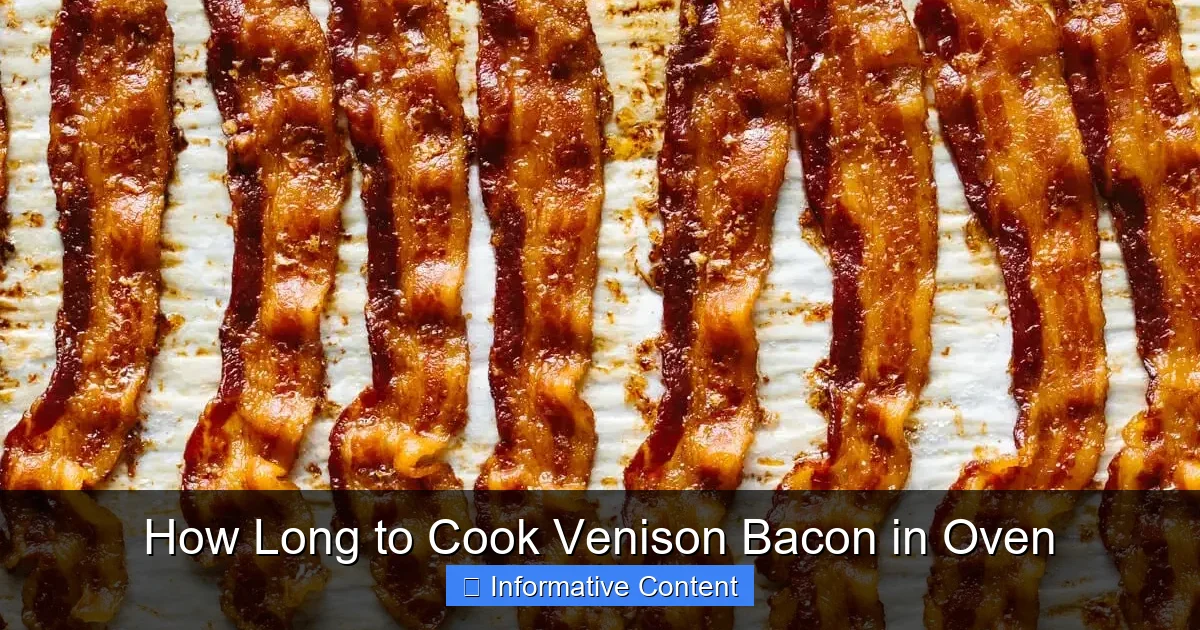
Venison bacon is done when it’s golden brown with slightly curled edges. It should feel firm but not brittle. If you have a meat thermometer, check that the internal temperature reaches 160°F (71°C) for safety, though many rely on visual cues since the meat is pre-cured.
Step 6: Rest and Serve
Remove the bacon from the oven and let it rest on a paper towel-lined plate for 2–3 minutes. This brief rest helps redistribute any remaining moisture and improves texture. Serve immediately for the best flavor and crunch.
Tips for Perfect Venison Bacon Every Time
Even with the right timing and temperature, a few extra tips can elevate your venison bacon from good to great.
Choose the Right Thickness
Thin slices (about 1/8 inch) will crisp faster and are ideal for snacking or adding to salads. Thicker cuts (up to 1/4 inch) take longer but offer a chewier, more substantial bite—great for breakfast platters. Adjust your cooking time accordingly.
Don’t Overcook
Because venison bacon lacks fat, it can go from perfect to dry in just a minute or two. Start checking at the 12-minute mark, especially if your oven runs hot. It’s better to pull it out a little early than risk overcooking.
Use a Timer
It’s easy to get distracted, but venison bacon doesn’t forgive forgetfulness. Set a timer for the halfway flip and again for the final check. This simple habit prevents burnt bacon and ensures consistency.
Experiment with Seasonings
While venison bacon is often pre-cured and smoked, you can enhance its flavor with a light sprinkle of black pepper, brown sugar, or smoked paprika before baking. Just be cautious—too much sugar can burn quickly in the oven.
Save the Drippings
Even though venison bacon is lean, it may release a small amount of moisture or fat during cooking. Save this liquid gold! Use it to sauté vegetables, scramble eggs, or add depth to soups and stews.
Common Mistakes to Avoid
Even experienced cooks can run into trouble with venison bacon. Here are a few pitfalls to watch out for.
Cooking at Too High a Temperature
Using 400°F (200°C) or higher may seem like a shortcut, but it risks burning the outside before the inside is fully heated. Stick to 375°F for the best balance of crispiness and safety.
Skipping the Wire Rack
Cooking directly on foil can trap moisture underneath, leading to steamed rather than crisped bacon. A wire rack is a small investment that makes a big difference in texture.
Not Flipping the Bacon
Flipping ensures even browning. If you skip this step, one side may end up greasy or undercooked while the other burns.
Overcrowding the Pan
Packing too many strips on one sheet reduces airflow and leads to uneven cooking. Use two baking sheets if needed, or cook in batches.
Storing and Reheating Leftovers
Got leftovers? Venison bacon stores well and can be reheated for future meals.
Refrigeration
Let the bacon cool completely, then store in an airtight container or resealable bag. It will keep in the refrigerator for up to 5 days.
Freezing
For longer storage, wrap individual strips in parchment paper and place in a freezer-safe bag. Frozen venison bacon lasts up to 3 months. Thaw in the fridge before reheating.
Reheating Tips
To restore crispiness, reheat in a 350°F (175°C) oven for 3–5 minutes or in a skillet over medium heat. Avoid the microwave, which can make the bacon soggy.
Serving Suggestions for Venison Bacon
Venison bacon isn’t just for breakfast. Its bold flavor pairs well with a variety of dishes.
- Breakfast Bowls: Crumble over avocado toast, scrambled eggs, or a grain bowl with roasted sweet potatoes.
- Salads: Add crispy strips to a spinach salad with pears, walnuts, and blue cheese.
- Appetizers: Wrap around asparagus spears or dates stuffed with goat cheese and bake until tender.
- Sandwiches: Layer on a BLT or use in place of pork bacon in a grilled cheese.
- Pasta: Toss into carbonara or creamy mushroom pasta for a rich, smoky kick.
Conclusion
Cooking venison bacon in the oven is a simple, effective way to enjoy this lean, flavorful meat without the risk of drying it out. By baking at 375°F for 12–18 minutes, using a wire rack, and flipping halfway through, you’ll achieve crispy, evenly cooked strips every time. Whether you’re a hunter making use of your harvest or just exploring new flavors, mastering how long to cook venison bacon in oven opens the door to delicious, versatile meals. With a few tips and a little attention, you’ll turn this gourmet ingredient into a kitchen staple.
Frequently Asked Questions
What temperature should I cook venison bacon in the oven?
The ideal oven temperature for venison bacon is 375°F (190°C). This heat level crisps the meat without burning it, thanks to its low fat content.
Can I pan-fry venison bacon instead of baking?
Yes, but pan-frying requires more attention. Use medium-low heat and flip frequently to prevent burning, as venison bacon lacks the fat that protects pork bacon.
How do I know when venison bacon is done?
It’s done when it turns golden brown with slightly curled edges and feels firm to the touch. An internal temperature of 160°F (71°C) ensures safety.
Can I freeze cooked venison bacon?
Absolutely. Cool it completely, wrap in parchment paper, and store in a freezer bag for up to 3 months. Reheat in the oven for best results.
Does venison bacon taste like pork bacon?
It has a similar smoky, salty flavor but is leaner and slightly gamier. The texture is firmer, and it crisps differently due to the lack of fat.
Can I add seasonings to venison bacon before baking?
Yes, but use sparingly. A light dusting of black pepper, smoked paprika, or brown sugar can enhance flavor—just avoid excessive sugar, which may burn.