How to Cook a Hubbard Squash in the Oven
Cooking a hubbard squash in the oven is simple, delicious, and perfect for fall meals. With its sweet, nutty flavor and creamy texture, this winter squash shines when roasted. Follow our guide for perfectly tender, caramelized results every time.
Key Takeaways
- Choose a firm, heavy hubbard squash with unblemished skin for the best flavor and texture.
- Preheat your oven to 375°F (190°C) for even roasting and optimal caramelization.
- Cut the squash safely using a sharp knife and sturdy surface—its thick rind requires care.
- Roast cut-side down for 45–60 minutes until the flesh is fork-tender and golden brown.
- Scoop out the seeds and stringy pulp before or after roasting, depending on your preference.
- Season with butter, salt, pepper, or maple syrup to enhance the squash’s natural sweetness.
- Use roasted hubbard squash in soups, mashes, or casseroles for a nutritious, flavorful boost.
Quick Answers to Common Questions
How long does it take to cook a hubbard squash in the oven?
It takes about 45 to 60 minutes to cook a hubbard squash in the oven at 375°F (190°C), depending on the size of the pieces. Larger halves take longer, while smaller wedges may be done in 30–40 minutes.
Do you need to peel hubbard squash before roasting?
No, you don’t need to peel it before roasting. The skin becomes very soft during cooking and is usually discarded after scooping out the flesh. Cutting it in half makes it easier to handle.
Can you eat the skin of a roasted hubbard squash?
The skin is edible after roasting, but it’s tough and not very pleasant to eat. Most people scoop out the soft flesh and discard the skin.
How do you know when hubbard squash is done roasting?
The squash is done when the flesh is fork-tender and easily pierced. The edges may also be slightly caramelized and golden brown.
Can you freeze roasted hubbard squash?
Yes, you can freeze roasted hubbard squash for up to 3 months. Let it cool, portion it into freezer-safe containers, and thaw in the refrigerator before reheating.
📑 Table of Contents
- Why Hubbard Squash Deserves a Spot on Your Plate
- Choosing the Right Hubbard Squash
- Preparing Your Hubbard Squash for the Oven
- Roasting Hubbard Squash in the Oven
- Serving and Storing Roasted Hubbard Squash
- Tips for Success and Common Mistakes to Avoid
- Creative Ways to Use Roasted Hubbard Squash
- Conclusion
Why Hubbard Squash Deserves a Spot on Your Plate
When it comes to winter squash, most people think of butternut or acorn varieties. But if you’re looking for something with bold flavor, rich texture, and impressive nutritional value, it’s time to give hubbard squash a try. This underappreciated gem has a sweet, nutty taste that’s often compared to a blend of sweet potato and pumpkin, making it a versatile ingredient in both sweet and savory dishes.
Hubbard squash comes in several varieties—blue, green, and golden—each with a thick, bumpy rind and dense, orange flesh. It’s packed with vitamins A and C, fiber, and antioxidants, making it not only delicious but also incredibly healthy. Whether you’re roasting it for a side dish, blending it into soup, or mashing it like potatoes, hubbard squash adds warmth and depth to your meals. And the best part? Cooking it in the oven is one of the easiest and most foolproof methods.
Choosing the Right Hubbard Squash
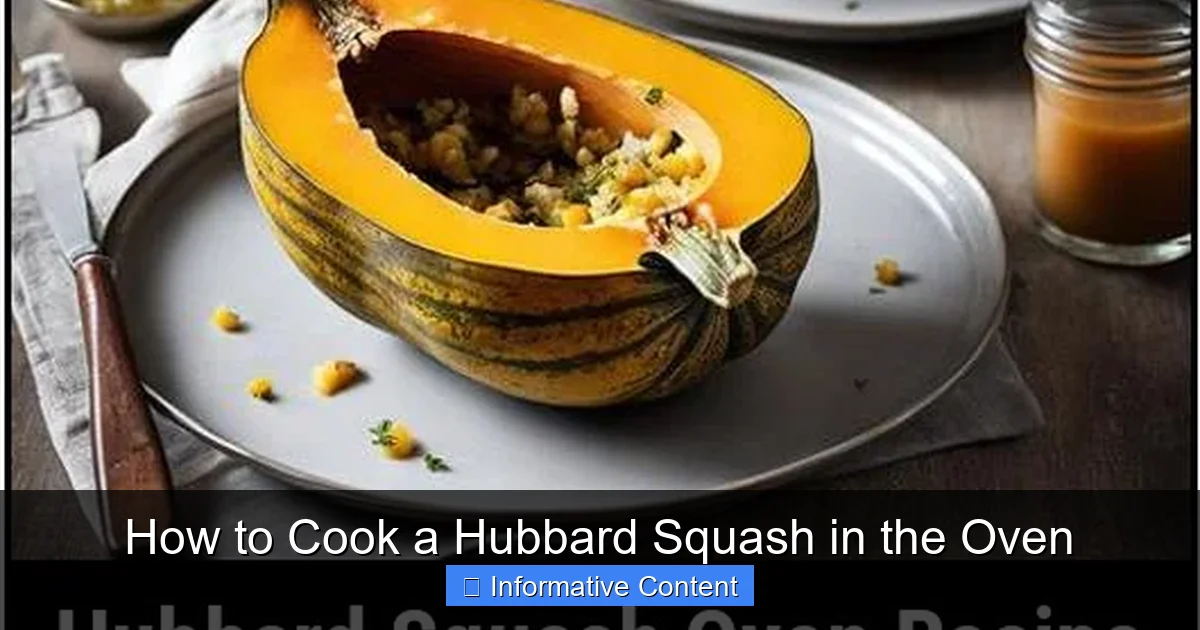
Before you even think about turning on the oven, it’s important to pick a good hubbard squash. Look for one that feels heavy for its size—this indicates it’s full of moisture and flavor. The skin should be hard, dull (not shiny), and free from soft spots, cracks, or mold. A dull surface means the squash is mature, while a shiny one may be underripe.
Visual guide about How to Cook a Hubbard Squash in the Oven
Image source: img.recipescooking.net
Size Matters
Hubbard squash can range from small (3–5 pounds) to very large (up to 20 pounds). For home cooking, a medium-sized squash (5–8 pounds) is ideal—it’s easier to handle and cooks more evenly. If you’re buying a whole squash and only need a portion, ask your grocer to cut it for you, or freeze the extra for later use.
Color and Variety
Don’t let the odd appearance fool you—hubbard squash is supposed to look a little lumpy and irregular. Blue hubbard has a bluish-gray rind and sweet, dry flesh, while green hubbard is milder and moister. Golden hubbard is sweeter and often preferred for baking. All types work well in the oven, so choose based on availability and your flavor preference.
Preparing Your Hubbard Squash for the Oven
Once you’ve selected your squash, it’s time to prep it for roasting. This step is crucial because hubbard squash has one of the toughest rinds of any winter squash. Safety is key—use a sharp chef’s knife, a stable cutting board, and take your time.
Washing and Drying
Start by rinsing the squash under cool water to remove any dirt or debris. Pat it dry with a clean towel. Even though you’ll be peeling it, cleaning the outside helps prevent contaminants from getting on your knife and cutting board.
Cutting the Squash
Cutting a hubbard squash can be intimidating, but with the right technique, it’s manageable. Place the squash on a non-slip surface—a damp towel under the cutting board helps prevent slipping. Use a sharp, heavy-duty knife to carefully cut off the stem and blossom ends. Then, stand the squash upright and slice it in half from top to bottom.
If the squash is too large or unwieldy, you can cut it into quarters or smaller wedges. Just make sure each piece is roughly the same size so they cook evenly. Once cut, use a sturdy spoon to scoop out the seeds and stringy pulp from the center. You can save the seeds to roast later—they make a tasty, crunchy snack!
Roasting Hubbard Squash in the Oven
Now comes the fun part—roasting! This method brings out the squash’s natural sweetness and creates a tender, caramelized texture that’s hard to beat.
Preheating the Oven
Preheat your oven to 375°F (190°C). This temperature is ideal for roasting hubbard squash—it’s hot enough to caramelize the edges but not so hot that the outside burns before the inside cooks through.
Seasoning and Placement
Place the squash halves cut-side down on a rimmed baking sheet lined with parchment paper or a silicone mat. This prevents sticking and makes cleanup easier. You can lightly brush the flesh with olive oil or melted butter if you like, but it’s not necessary—the natural moisture in the squash will keep it from drying out.
For extra flavor, sprinkle the cut sides with a pinch of salt, black pepper, or even a drizzle of maple syrup or honey. Some people like to add a sprig of thyme or rosemary directly on the squash before roasting. These herbs infuse the flesh with a subtle, aromatic flavor as it cooks.
Cooking Time and Doneness
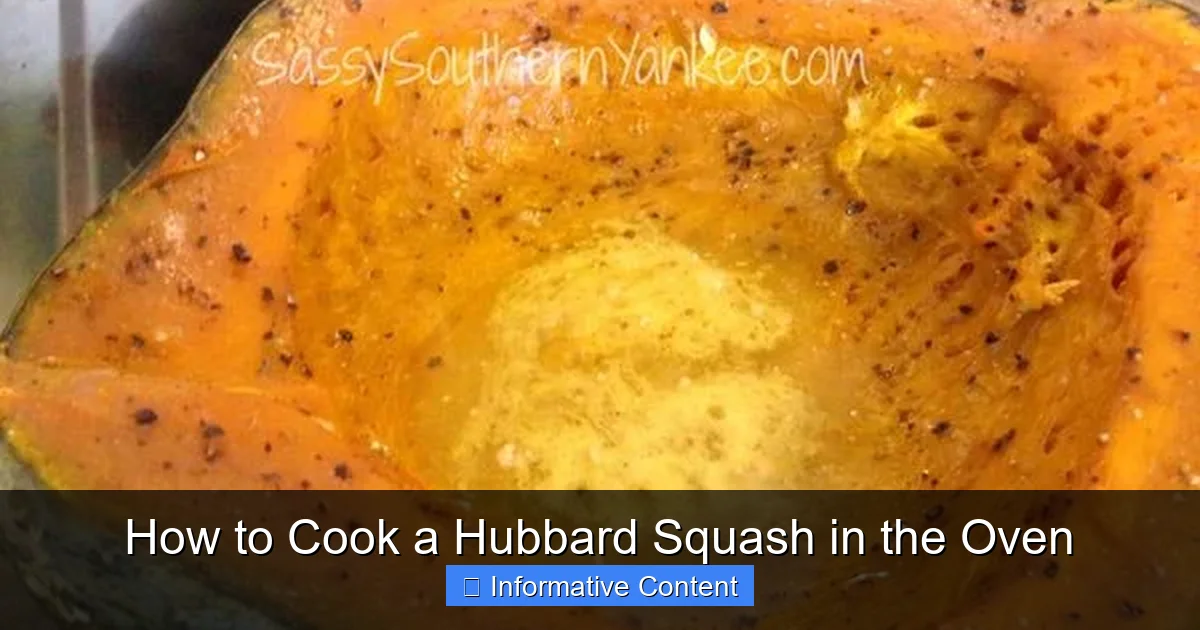
Roast the squash for 45 to 60 minutes, depending on the size of the pieces. To test for doneness, insert a fork or knife into the thickest part of the flesh. It should slide in easily with no resistance. The edges may also begin to brown and caramelize, which is a good sign that the sugars have developed.
If you’re roasting smaller wedges or cubes, check after 30–40 minutes. Larger halves may need closer to an hour. Remember, it’s better to slightly overcook than undercook—hubbard squash becomes creamier and sweeter the longer it roasts.
Serving and Storing Roasted Hubbard Squash
Once your hubbard squash is perfectly roasted, it’s time to enjoy! Let it cool for 5–10 minutes before handling. The flesh will be soft and easy to scoop out with a spoon.
Simple Serving Ideas
For a classic side dish, scoop the flesh into a bowl and mash it with a fork. Stir in a tablespoon of butter, a pinch of salt, and a dash of cinnamon or nutmeg for a comforting, autumnal flavor. You can also drizzle it with maple syrup for a sweet treat.
Roasted hubbard squash makes an excellent base for soups—just blend it with vegetable broth, garlic, and cream for a silky, satisfying meal. It’s also delicious in casseroles, grain bowls, or as a filling for tacos and empanadas.
Storing Leftovers
Store leftover roasted squash in an airtight container in the refrigerator for up to 5 days. Reheat it in the microwave or on the stovetop with a splash of broth or water to restore moisture. You can also freeze it for up to 3 months—just portion it into freezer-safe bags or containers before freezing.
Tips for Success and Common Mistakes to Avoid
Even with a simple recipe, there are a few things that can trip you up when cooking hubbard squash. Here are some pro tips to ensure your roasting experience is smooth and successful.
Use the Right Tools
A sharp chef’s knife and a sturdy cutting board are essential. A dull knife increases the risk of slipping, which can lead to injury. If you’re nervous about cutting the squash, consider using a cleaver or asking for help at the store.
Don’t Skip the Parchment
Line your baking sheet with parchment paper or a silicone mat. Hubbard squash can stick to bare pans, especially if the natural sugars caramelize. Parchment makes cleanup a breeze and prevents frustration.
Avoid Overcrowding
If you’re roasting multiple pieces, make sure they’re not touching. Overcrowding traps steam and can lead to uneven cooking. Use two baking sheets if needed, and rotate them halfway through roasting for even browning.
Don’t Underseason
While hubbard squash is naturally sweet, it benefits from a little seasoning. Salt enhances its flavor, and a touch of fat (like butter or olive oil) adds richness. Don’t be shy—taste and adjust as needed.
Creative Ways to Use Roasted Hubbard Squash
Once you’ve mastered the basics, the possibilities are endless. Here are a few creative ideas to inspire your next meal:
- Hubbard Squash Risotto: Stir roasted squash into creamy risotto with Parmesan and sage for a rich, comforting dish.
- Squash and Black Bean Tacos: Mix mashed squash with black beans, cumin, and lime for a hearty, plant-based filling.
- Pumpkin Pie Smoothie: Blend roasted squash with banana, almond milk, cinnamon, and a touch of maple syrup for a fall-inspired drink.
- Stuffed Acorn Squash: Halve an acorn squash, roast it, and fill it with a mixture of hubbard squash, quinoa, and dried cranberries.
- Butternut Squash Alternative: Use hubbard squash in any recipe that calls for butternut—soups, pastas, or even gnocchi.
Conclusion
Cooking a hubbard squash in the oven is a simple, rewarding process that unlocks a world of flavor and nutrition. From choosing the right squash to roasting it to perfection, each step brings you closer to a dish that’s both comforting and impressive. Whether you’re a seasoned cook or a beginner, this method is accessible, reliable, and delicious.
So the next time you’re at the farmers market or grocery store and spot that oddly shaped, bumpy squash, don’t walk past it. Bring it home, roast it in the oven, and discover why hubbard squash deserves a place on your table. With its sweet, nutty taste and creamy texture, it might just become your new favorite winter vegetable.
Frequently Asked Questions
Is hubbard squash healthy?
Yes, hubbard squash is highly nutritious. It’s rich in vitamins A and C, fiber, potassium, and antioxidants, making it a great addition to a balanced diet.
What does hubbard squash taste like?
Hubbard squash has a sweet, nutty flavor with a creamy texture. It’s often compared to a mix of sweet potato and pumpkin, with a slightly earthy undertone.
Can you microwave hubbard squash instead of roasting?
Yes, you can microwave it, but roasting brings out more flavor through caramelization. If using a microwave, pierce the skin, cook in short intervals, and check for tenderness.
How do you cut a hubbard squash safely?
Use a sharp knife, a stable cutting board, and a damp towel underneath to prevent slipping. Cut off the ends first, then slice it in half from top to bottom.
Can you eat the seeds from a hubbard squash?
Yes, the seeds are edible and nutritious. Clean them, toss with oil and salt, and roast at 300°F (150°C) for 20–30 minutes until crispy.
What’s the difference between hubbard and butternut squash?
Hubbard squash has a thicker rind, denser flesh, and a sweeter, nuttier flavor than butternut. It’s also larger and harder to cut, but more flavorful when roasted.