
Boneless spare ribs are a delicious, budget-friendly alternative to traditional ribs, and cooking them in the oven is simple and foolproof. With the right seasoning, slow roasting, and a finishing glaze, you can achieve fall-off-the-bone tenderness and bold flavor without a smoker or grill.
Key Takeaways
- Choose quality boneless spare ribs: Look for well-marbled cuts with even thickness for consistent cooking.
- Marinate for maximum flavor: A 4–24 hour marinade with acid, oil, and spices tenderizes and infuses deep taste.
- Low and slow is key: Roast at 300°F (150°C) for 2.5–3 hours to break down connective tissue without drying out.
- Use a meat thermometer: Cook to an internal temperature of 195–203°F (90–95°C) for ideal tenderness.
- Finish with a glaze: Brush on BBQ sauce or a sweet-spicy glaze in the last 15–20 minutes for a caramelized crust.
- Rest before slicing: Let ribs rest 10–15 minutes after cooking to retain juices.
- Serve with sides that complement: Pair with coleslaw, cornbread, or roasted vegetables for a complete meal.
Quick Answers to Common Questions
Can I cook boneless spare ribs without marinating?
Yes, you can. While marinating adds flavor and tenderness, you can still achieve good results by generously seasoning the ribs with a dry rub before cooking.
How long do boneless spare ribs take to cook in the oven?
At 300°F (150°C), boneless spare ribs typically take 2.5 to 3 hours to become tender. Use a meat thermometer to check for an internal temperature of 195–203°F.
Can I use a slow cooker instead of the oven?
Absolutely! Cook on low for 6–8 hours or high for 3–4 hours. Add liquid and seasonings, then finish under the broiler with glaze for color and texture.
Are boneless spare ribs the same as pork shoulder?
They come from similar areas but are trimmed differently. Boneless spare ribs are usually cut from the belly or shoulder and rolled, offering a more uniform shape for even cooking.
Can I freeze cooked boneless spare ribs?
Yes. Cool completely, store in airtight containers or freezer bags, and freeze for up to 3 months. Reheat gently in the oven with added moisture.
📑 Table of Contents
Why Boneless Spare Ribs Are a Smart Choice
If you love the rich, meaty flavor of pork ribs but don’t have hours to tend to a smoker or deal with bone-in cuts, boneless spare ribs are your new best friend. These cuts come from the same part of the pig as traditional spare ribs—the belly and shoulder area—but are trimmed and rolled into a compact, boneless roast. That means you get all the succulence and marbling without the fuss of navigating bones.
Boneless spare ribs are also incredibly versatile. They’re perfect for home cooks who want restaurant-quality results without specialized equipment. Whether you’re feeding a family, hosting a casual dinner, or meal prepping for the week, this cut delivers big flavor with minimal effort. Plus, they’re often more affordable than other premium cuts, making them a great value.
Choosing the Right Cut
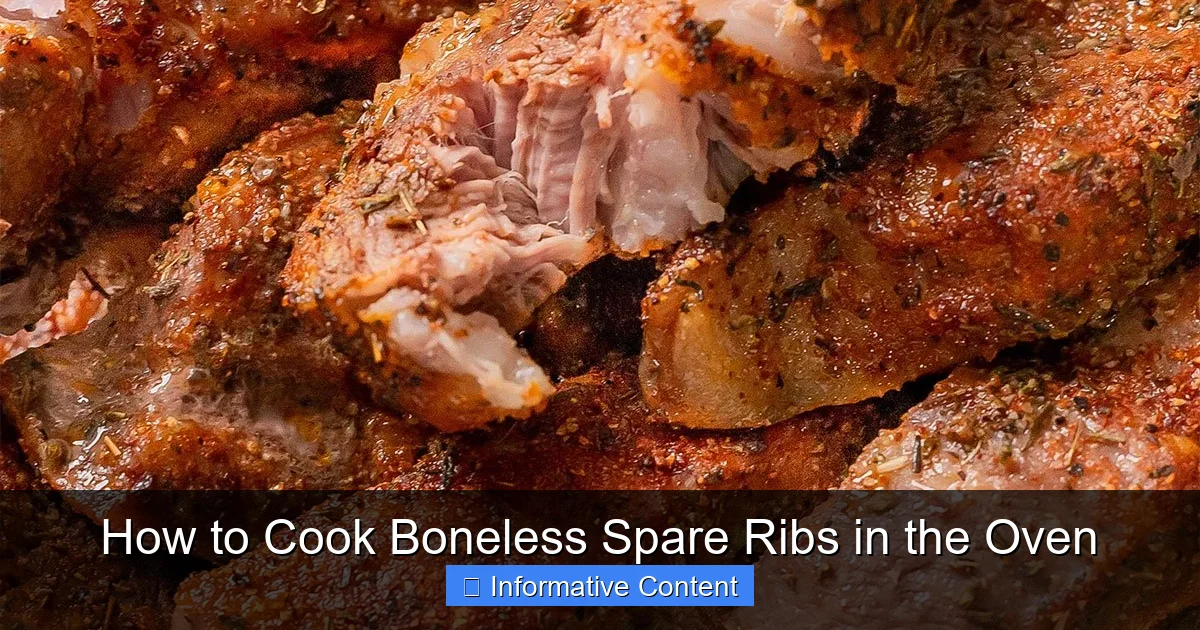
Visual guide about How to Cook Boneless Spare Ribs in the Oven
Image source: keytomylime.com
Not all boneless spare ribs are created equal. When shopping, look for a piece that’s evenly shaped and about 2–3 pounds in weight. The ideal cut should have good marbling—those thin streaks of fat running through the meat—which melt during cooking and keep the ribs moist. Avoid overly lean pieces, as they can dry out during long roasting.
You can find boneless spare ribs at most grocery stores, often labeled as “boneless pork ribs,” “pork shoulder roast,” or “boneless country-style ribs.” If your store doesn’t carry them pre-trimmed, ask the butcher to prepare a boneless cut from the pork shoulder or belly. A well-trimmed piece will cook evenly and absorb marinades beautifully.
What to Look For at the Store
- Color: Bright pink to red, not gray or dull.
- Fat distribution: Even marbling throughout the meat.
- Texture: Firm to the touch, not slimy or sticky.
- Packaging: No excess liquid or foul odor.
Preparing the Ribs for Cooking
Before you even think about turning on the oven, proper preparation is essential. Start by patting the ribs dry with paper towels. Moisture on the surface prevents proper browning, so this step is crucial for developing a flavorful crust.
Next, trim any large chunks of external fat—while some fat is good for flavor, too much can lead to greasy results. Leave a thin layer to keep the meat juicy. Then, using a sharp knife, score the surface in a crisscross pattern about ¼ inch deep. This helps the marinade penetrate deeper and allows the seasoning to cling better.
Marinating for Maximum Flavor
Marinating is where boneless spare ribs truly shine. A good marinade does double duty: it tenderizes the meat and infuses it with bold, complex flavors. For a basic marinade, combine:
- ½ cup apple cider vinegar or pineapple juice (for acidity)
- ¼ cup soy sauce or Worcestershire sauce (for umami)
- 2 tablespoons olive oil or melted butter (for moisture)
- 3 cloves minced garlic
- 1 tablespoon brown sugar or honey
- 1 teaspoon smoked paprika
- ½ teaspoon black pepper
- Optional: 1 teaspoon chili powder or cayenne for heat
Place the ribs in a resealable plastic bag or shallow dish, pour the marinade over them, and seal. Refrigerate for at least 4 hours, but ideally overnight. The longer they marinate, the more tender and flavorful they’ll become. Turn the bag occasionally to ensure even coverage.
Cooking Boneless Spare Ribs in the Oven
Now for the main event: cooking boneless spare ribs in the oven. The goal is to use low, steady heat to break down the collagen in the meat without drying it out. This slow transformation turns tough connective tissue into silky gelatin, resulting in melt-in-your-mouth tenderness.
Step-by-Step Oven Method
- Preheat the oven to 300°F (150°C). This lower temperature is key for even cooking.
- Remove the ribs from the marinade and pat them dry. Discard the used marinade.
- Place the ribs in a roasting pan or baking dish, fat side up if there’s a visible layer. This allows the fat to baste the meat as it renders.
- Add ½ cup of liquid to the bottom of the pan—broth, apple juice, or water—to prevent sticking and add moisture.
- Cover the pan tightly with aluminum foil or a lid. This traps steam and keeps the ribs moist during the long cook.
- Roast for 2.5 to 3 hours. Cooking time depends on the thickness of your cut. Use a meat thermometer to check doneness.
Checking for Doneness
The best way to know your boneless spare ribs are done is by temperature. Insert a meat thermometer into the thickest part of the meat, avoiding any fat pockets. You’re aiming for an internal temperature of 195–203°F (90–95°C). At this range, the collagen has fully broken down, and the meat will be tender enough to pull apart with a fork.
If you don’t have a thermometer, do the “fork test”: insert a fork into the meat. It should slide in easily with little resistance. If it feels tough or chewy, give it more time. Remember, it’s better to slightly overcook than undercook—these ribs stay juicy even when well-done.
Adding a Glaze or Sauce
Once the ribs are tender, it’s time to add a flavorful finish. A glaze not only enhances taste but also creates a beautiful, caramelized crust. The key is to apply it during the final 15–20 minutes of cooking, after removing the foil. This prevents the sugars in the sauce from burning.
Popular Glaze Options
- Classic BBQ Glaze: Brush with your favorite store-bought or homemade BBQ sauce. For extra depth, mix in a teaspoon of Dijon mustard or liquid smoke.
- Honey Garlic Glaze: Combine 3 tablespoons honey, 2 minced garlic cloves, 1 tablespoon soy sauce, and a splash of rice vinegar. Simmer for 5 minutes, then brush on.
- Spicy Korean-Inspired Glaze: Mix gochujang (Korean chili paste), brown sugar, rice vinegar, sesame oil, and minced ginger. Great for a sweet-heat kick.
After applying the glaze, return the ribs to the oven uncovered. Broil on low for the last 3–5 minutes if you want extra caramelization—just watch closely to avoid burning.
Serving and Storing
Once your boneless spare ribs are done, let them rest for 10–15 minutes before slicing. This allows the juices to redistribute, ensuring every bite is moist and flavorful. Slice against the grain into 1-inch thick pieces for the most tender results.
What to Serve With
Pair your ribs with sides that balance their richness:
- Creamy coleslaw
- Garlic mashed potatoes
- Cornbread or dinner rolls
- Roasted green beans or Brussels sprouts
- Mac and cheese
Storing and Reheating
Leftovers can be stored in an airtight container in the refrigerator for up to 4 days. For longer storage, freeze for up to 3 months. To reheat, place in a 300°F oven covered with foil for 20–30 minutes, or microwave in short intervals until warmed through. Add a splash of broth or water to prevent drying.
Common Mistakes to Avoid
Even with a great recipe, a few pitfalls can ruin your boneless spare ribs. Here’s what to watch out for:
- Cooking at too high a temperature: High heat dries out the meat before the collagen breaks down. Stick to 300°F.
- Skipping the marinade: While not mandatory, marinating dramatically improves flavor and tenderness.
- Not using a meat thermometer: Guessing doneness leads to over- or undercooked ribs. Invest in a good thermometer.
- Over-glazing too early: Adding sauce at the start causes burning. Save it for the end.
- Cutting too soon: Letting the ribs rest ensures juiciness. Don’t skip this step!
Conclusion
Cooking boneless spare ribs in the oven is a simple, reliable way to enjoy tender, flavorful pork without the hassle of grilling or smoking. With a good marinade, low-and-slow roasting, and a finishing glaze, you can create a dish that rivals any BBQ joint. Whether you’re a beginner or a seasoned home cook, this method delivers consistent, impressive results every time.
So the next time you’re craving ribs but want something quick and easy, reach for boneless spare ribs. Your oven—and your taste buds—will thank you.
Frequently Asked Questions
What temperature should boneless spare ribs be cooked to?
Cook boneless spare ribs to an internal temperature of 195–203°F (90–95°C). This ensures the collagen breaks down for tender, pull-apart meat.
Do I need to cover boneless spare ribs while baking?
Yes, cover them tightly with foil for the first 2–2.5 hours to retain moisture. Remove the cover during the last 15–20 minutes if adding a glaze.
Can I use a dry rub instead of a marinade?
Definitely. Apply a dry rub 30 minutes to 2 hours before cooking. Ingredients like brown sugar, paprika, garlic powder, and salt work well.
Why are my boneless spare ribs tough?
This usually happens if they’re undercooked or cooked at too high a temperature. Use a thermometer and stick to low, slow heat for best results.
Can I make boneless spare ribs ahead of time?
Yes! Cook and glaze them, then refrigerate for up to 3 days. Reheat in the oven covered with foil to keep them moist.
What’s the best way to slice boneless spare ribs?
Let them rest 10–15 minutes, then slice against the grain into 1-inch pieces. This ensures maximum tenderness in every bite.