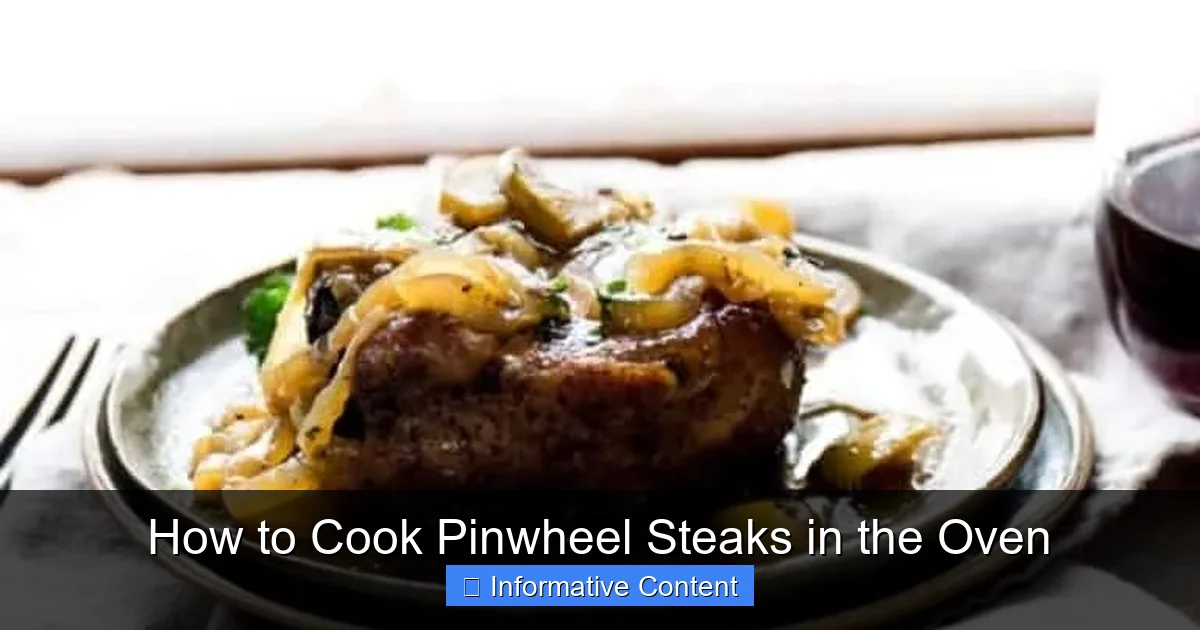
How to Cook Pinwheel Steaks in the Oven
Pinwheel steaks are a show-stopping dish that’s surprisingly simple to make. By slicing and stuffing flank or skirt steak, then roasting it in the oven, you get tender, flavorful results every time. This guide walks you through every step—from prep to plating—so you can impress your family or guests with minimal effort.
Key Takeaways
- Choose the right cut: Flank or skirt steak works best for pinwheel steaks due to their thin, uniform shape and rich flavor.
- Butterfly and slice evenly: Use a sharp knife to slice the steak horizontally without cutting all the way through, creating a flat surface for stuffing.
- Stuff with bold flavors: Combine ingredients like spinach, sun-dried tomatoes, garlic, cheese, or prosciutto for maximum taste.
- Secure with kitchen twine or toothpicks: This keeps the filling inside and helps the steak hold its shape during cooking.
- Roast at 375°F (190°C): This temperature ensures even cooking without drying out the meat.
- Rest before slicing: Letting the steak rest for 5–10 minutes locks in juices and makes carving easier.
- Pair with simple sides: Serve with roasted vegetables, mashed potatoes, or a fresh salad for a complete meal.
Quick Answers to Common Questions
What cut of meat is best for pinwheel steaks?
Flank steak and skirt steak are the best choices because they’re thin, flavorful, and easy to roll.
Can I make pinwheel steaks ahead of time?
Yes! You can prepare and stuff the steaks up to 24 hours in advance, then refrigerate until ready to cook.
How do I prevent the filling from leaking out?
Don’t overstuff, roll tightly, and secure well with twine or toothpicks. Also, avoid wet fillings.
What temperature should pinwheel steaks be cooked to?
For medium-rare, aim for an internal temperature of 130–135°F (54–57°C). Use a meat thermometer for accuracy.
Can I grill pinwheel steaks instead of baking?
Yes! Grill over medium heat for 6–8 minutes per side, but oven roasting gives more even results.
📑 Table of Contents
What Are Pinwheel Steaks?
Pinwheel steaks are a creative and delicious way to elevate a simple cut of beef into something special. The name comes from their spiral appearance—when sliced, the cross-section looks like a pinwheel, with layers of meat and filling forming a colorful, eye-catching pattern. These steaks are made by butterflaying a thin cut of beef, spreading it with a flavorful stuffing, rolling it up, and securing it before cooking.
Popular cuts for pinwheel steaks include flank steak and skirt steak. Both are lean, flavorful, and ideal for rolling because they’re naturally thin and pliable. Unlike thicker cuts like ribeye or sirloin, these steaks cook quickly and evenly, making them perfect for oven roasting. Whether you’re hosting a dinner party or just want to try something new for a weeknight meal, pinwheel steaks offer a balance of elegance and ease.
Choosing the Right Cut of Meat
Not all steaks are created equal when it comes to making pinwheels. You want a cut that’s thin, uniform in thickness, and easy to roll without tearing. Flank steak is the most popular choice—it’s affordable, widely available, and has a rich, beefy flavor. Skirt steak is another excellent option, known for its intense taste and tender texture when cooked properly.
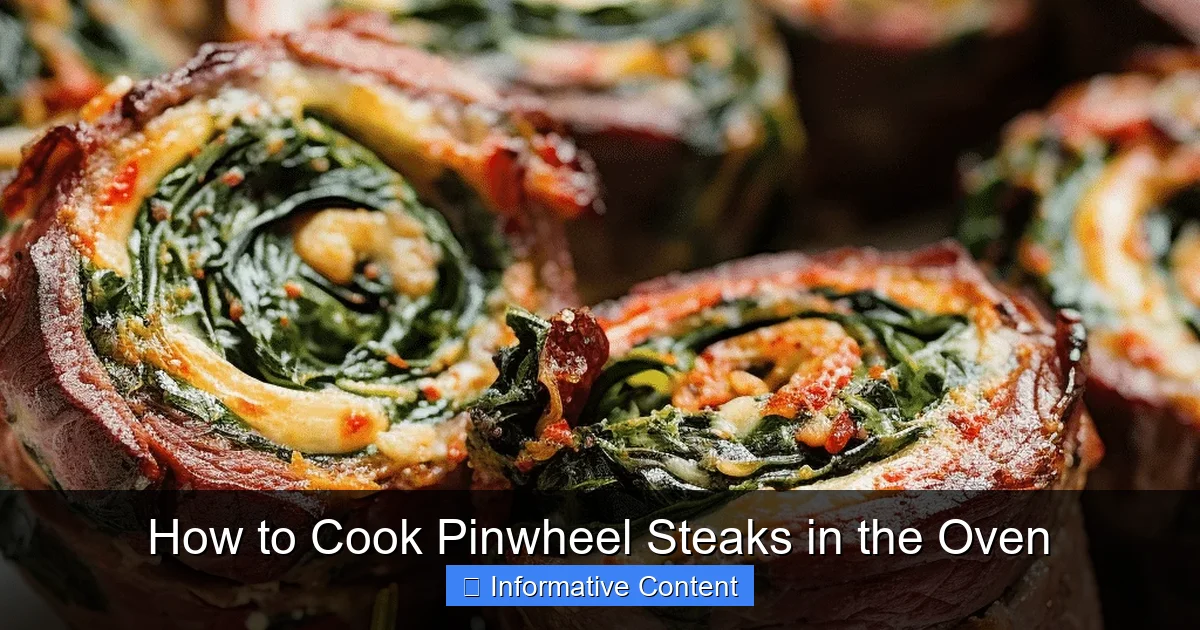
Visual guide about How to Cook Pinwheel Steaks in the Oven
Image source: meplusfood.com
Why Flank or Skirt Steak?
Flank steak comes from the abdominal muscles of the cow, which means it’s naturally lean and fibrous. This makes it ideal for marinating and stuffing. Skirt steak, on the other hand, comes from the diaphragm and has even more marbling, giving it a beefier flavor. Both cuts benefit from being sliced against the grain after cooking, which ensures tenderness.
Avoid thicker cuts like ribeye or strip steak—they’re harder to roll and may not cook evenly in the oven. Also, look for steaks that are about 1 to 1.5 inches thick. If the steak is too thick, you won’t be able to butterfly it properly. If it’s too thin, it may tear when you try to stuff and roll it.
Tips for Buying
When shopping, choose steaks with a bright red color and minimal fat. Ask your butcher for a “thin-cut” flank or skirt steak if possible. You can also buy a whole flank steak and slice it yourself at home for better control over thickness. Always pat the steak dry with paper towels before starting—this helps the seasoning stick and improves browning.
Preparing the Steak: Butterfly and Stuff
The key to great pinwheel steaks lies in the preparation. You’ll need to butterfly the steak, which means slicing it horizontally almost all the way through, then opening it like a book. This creates a large, flat surface perfect for spreading your filling.
How to Butterfly a Steak
Place the steak on a cutting board with the grain running horizontally. Using a sharp chef’s knife, make a horizontal cut about two-thirds of the way through the steak, starting from one long side. Open the steak like a book, and if needed, use a meat mallet to gently pound it to an even thickness—about ¼ inch thick. This ensures even cooking and makes rolling easier.
Choosing Your Filling
The stuffing is where you can get creative. Classic combinations include sautéed spinach with garlic and feta cheese, sun-dried tomatoes with basil and mozzarella, or prosciutto with roasted red peppers and goat cheese. You can also go sweet and savory with apple, brie, and thyme, or keep it simple with just garlic butter and herbs.
Whatever you choose, make sure the filling is not too wet—excess moisture can make the steak soggy and hard to roll. Sauté vegetables like spinach or mushrooms to remove water, and pat cheese dry if needed. Spread the filling evenly over the butterflied steak, leaving a 1-inch border around the edges to prevent spillage.
Rolling and Securing
Once the filling is in place, carefully roll the steak tightly from one long end to the other. Use kitchen twine to tie the roll at 1-inch intervals, or secure it with toothpicks if you prefer. Make sure the roll is snug but not so tight that the filling squeezes out. If using toothpicks, remember to remove them before serving.
Seasoning and Marinating Tips
Even though your steak is stuffed with flavor, don’t skip the seasoning. A simple rub of salt, black pepper, garlic powder, and smoked paprika enhances the beef’s natural taste. For extra depth, consider a quick marinade.
Simple Marinade Recipe
Mix ¼ cup olive oil, 2 tablespoons balsamic vinegar, 2 minced garlic cloves, 1 teaspoon Dijon mustard, and a pinch of rosemary. Pour over the rolled steak, cover, and refrigerate for at least 30 minutes—or up to 4 hours for deeper flavor. Avoid over-marinating, as acidic ingredients can break down the meat and make it mushy.
If you’re short on time, a dry rub works just as well. Combine kosher salt, freshly ground black pepper, garlic powder, onion powder, and a touch of brown sugar for a balanced flavor. Rub it all over the outside of the rolled steak before placing it in the oven.
Cooking Pinwheel Steaks in the Oven
Now comes the easy part—cooking. Preheat your oven to 375°F (190°C). This temperature is ideal for roasting pinwheel steaks because it cooks them evenly without drying them out. Place the rolled steak on a wire rack set inside a baking dish or roasting pan. This allows hot air to circulate around the meat, promoting even browning.
Roasting Time and Temperature
Roast the steak for 25 to 30 minutes for medium-rare, or until the internal temperature reaches 130–135°F (54–57°C). Use a meat thermometer inserted into the center of the roll (avoiding the filling) for accuracy. For medium, aim for 140–145°F (60–63°C) and add 5–7 minutes to the cooking time.
Avoid opening the oven door too often, as this can cause temperature fluctuations and uneven cooking. If your steak is browning too quickly, tent it loosely with aluminum foil halfway through cooking.
Finishing Touches
Once done, remove the steak from the oven and let it rest for 5–10 minutes. This allows the juices to redistribute, ensuring every bite is moist and flavorful. During this time, you can prepare a quick pan sauce by deglazing the roasting pan with red wine or broth, scraping up the browned bits, and simmering until reduced.
Slicing and Serving
After resting, carefully remove the twine or toothpicks. Using a sharp serrated knife, slice the steak into 1-inch thick rounds. The spiral pattern will be visible in each slice, making for a beautiful presentation. Serve immediately while warm.
What to Serve With Pinwheel Steaks
Pinwheel steaks pair well with a variety of sides. Roasted asparagus, garlic mashed potatoes, or a simple arugula salad with lemon vinaigrette complement the rich flavors. For a complete meal, add crusty bread to soak up any pan sauce. A glass of red wine, like Cabernet Sauvignon or Merlot, enhances the dining experience.
If you’re serving a crowd, consider making a few different stuffing variations—like one with cheese and herbs and another with prosciutto and peppers—so guests can choose their favorite.
Storing and Reheating Leftovers
Store leftover pinwheel steaks in an airtight container in the refrigerator for up to 3 days. To reheat, place slices in a skillet over medium heat with a splash of broth or water to keep them moist. Alternatively, warm them in a 300°F (150°C) oven for 10–15 minutes. Avoid microwaving, as it can make the meat tough.
You can also freeze cooked pinwheel steaks for up to 2 months. Wrap them tightly in plastic wrap and aluminum foil, then thaw in the refrigerator before reheating. While the texture may change slightly, they’ll still be delicious.
Common Mistakes to Avoid
Even with the best intentions, things can go wrong. One common mistake is overstuffing the steak, which makes it hard to roll and causes filling to leak out during cooking. Another is rolling too loosely—this can lead to uneven cooking and a less attractive spiral.
Also, don’t skip the resting step. Cutting into the steak too soon lets all the juices escape, leaving you with dry meat. And always slice against the grain for maximum tenderness.
Conclusion
Cooking pinwheel steaks in the oven is a simple yet impressive way to enjoy a flavorful beef dish. With the right cut, a tasty filling, and proper technique, you can create a meal that looks and tastes gourmet—without spending hours in the kitchen. Whether you’re cooking for a special occasion or just want to try something new, pinwheel steaks are sure to become a favorite.
Remember to choose flank or skirt steak, butterfly it carefully, stuff it with bold flavors, and roast at 375°F for the best results. Let it rest, slice it beautifully, and serve with your favorite sides. With this guide, you’re ready to master pinwheel steaks and impress everyone at the table.
Frequently Asked Questions
How long do pinwheel steaks take to cook in the oven?
Pinwheel steaks typically take 25 to 30 minutes to roast at 375°F (190°C) for medium-rare. Cooking time may vary based on thickness and desired doneness.
Can I use ground beef for pinwheel steaks?
No, pinwheel steaks require a solid cut of meat like flank or skirt steak. Ground beef won’t hold its shape when rolled and roasted.
What can I stuff pinwheel steaks with?
Popular fillings include spinach and feta, sun-dried tomatoes and mozzarella, prosciutto and goat cheese, or garlic butter with herbs. Choose ingredients that complement beef.
Do I need to marinate pinwheel steaks?
Marinating is optional but recommended for added flavor. A 30-minute marinade with olive oil, vinegar, and herbs works well.
Why did my pinwheel steak fall apart when slicing?
This usually happens if the steak wasn’t secured tightly enough or if it was sliced too soon after cooking. Always rest the steak before slicing.
Can I freeze uncooked pinwheel steaks?
Yes, you can freeze stuffed and rolled steaks for up to 2 months. Thaw in the refrigerator before cooking and add a few extra minutes to the roasting time.