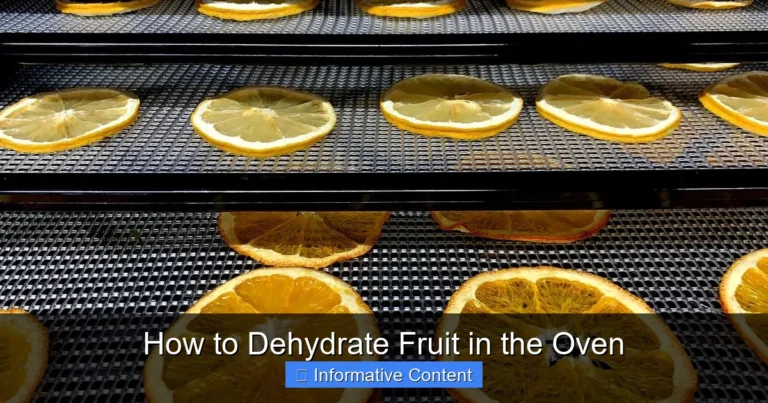
How to Dry Fruit in an Oven
Drying fruit in an oven is a simple, cost-effective way to preserve seasonal produce and create delicious, healthy snacks. With just a few basic steps—slicing, arranging, and slow baking—you can transform fresh fruit into chewy or crispy dried treats that last for weeks.
Key Takeaways
- Choose ripe, high-quality fruit: Use fresh, unbruised fruit at peak ripeness for the best flavor and texture when dried.
- Slice evenly for consistent drying: Uniform thickness ensures all pieces dry at the same rate, preventing burnt or under-dried spots.
- Use low oven temperatures: Set your oven between 120°F and 170°F (50°C–75°C) to gently remove moisture without cooking the fruit.
- Rotate trays and flip slices: This promotes even airflow and prevents sticking or uneven drying.
- Store properly for longevity: Cool completely, then store in airtight containers in a cool, dark place to maintain freshness.
- Experiment with flavors: Add lemon juice, cinnamon, or honey for extra taste before drying.
- Monitor closely near the end: Drying times vary—check frequently to avoid over-drying or burning.
Quick Answers to Common Questions
Can I dry fruit in a regular oven?
Yes! Most conventional ovens can dry fruit effectively, especially if you keep the door slightly open to let moisture escape and use the lowest temperature setting.
How long does it take to dry fruit in the oven?
Drying times range from 4 to 12 hours, depending on the fruit type, thickness, and oven temperature. Thinner slices and lower moisture fruits dry faster.
Do I need to flip the fruit while drying?
Yes, flipping halfway through ensures even drying and prevents one side from becoming overly dry or sticking to the tray.
Can I dry multiple fruits at once?
It’s best to dry similar fruits together, as different types may require different times and temperatures. If you must mix, use separate trays and monitor closely.
Is oven-dried fruit healthy?
Yes—when done without added sugar or preservatives, oven-dried fruit retains most of its nutrients and fiber, making it a nutritious snack option.
📑 Table of Contents
Why Dry Fruit in an Oven?
Have you ever bought a big batch of peaches in summer only to watch them spoil before you could eat them all? Or maybe you’ve wanted to make your own dried apple chips but didn’t have a dehydrator? That’s where learning how to dry fruit in an oven comes in handy. Oven-drying is a practical, accessible method that uses equipment most people already have at home.
Unlike commercial dried fruit—which often contains added sugars, preservatives, or sulfur—oven-dried fruit lets you control exactly what goes into your snack. It’s also incredibly versatile: you can dry everything from apples and bananas to mangoes and strawberries. Plus, dried fruit makes a great addition to trail mix, oatmeal, baked goods, or just as a sweet, chewy treat on its own. Best of all, it’s budget-friendly and reduces food waste by extending the life of your favorite fruits.
What You’ll Need to Get Started
Before you begin, gather a few basic tools. You don’t need anything fancy—just items likely already in your kitchen. Here’s what you’ll need:

Visual guide about How to Dry Fruit in an Oven
Image source: shutterstock.com
- A conventional oven (convection works great but isn’t required)
- Baking sheets or rimmed trays
- Parchment paper or silicone baking mats (to prevent sticking)
- A sharp knife or mandoline slicer
- A cutting board
- Optional: lemon juice, spices, or light sweeteners for flavor enhancement
Pro tip: If your oven doesn’t go below 170°F (75°C), consider propping the door open slightly with a wooden spoon to allow moisture to escape and lower the effective temperature. This mimics the gentle heat of a dehydrator.
Choosing the Right Fruit
Not all fruits dry equally well, but many work beautifully. Stick to fruits with moderate water content and firm textures. Great options include:
- Apples (especially tart varieties like Granny Smith)
- Bananas (ripe but not overripe)
- Pears
- Peaches and nectarines
- Strawberries
- Mangoes
- Pineapple
- Kiwi
Avoid very watery fruits like watermelon or citrus unless you’re making candied peels. Also, choose fruit that’s fresh, ripe, and free of bruises or mold—quality in equals quality out!
Step-by-Step Guide to Drying Fruit in an Oven
Now that you’re prepped, let’s walk through the process. Drying fruit in an oven is straightforward, but attention to detail ensures great results.
1. Wash and Prep the Fruit
Start by thoroughly washing your fruit under cool running water. For fruits with edible skins like apples or pears, you can leave the skin on—it adds fiber and nutrients. For others like peaches, you may want to blanch them briefly in boiling water (30 seconds), then plunge into ice water to easily peel off the skin.
Remove any stems, cores, seeds, or pits. For berries like strawberries, hull them and slice lengthwise. For larger fruits like apples or pears, core and slice into ¼-inch (6mm) thick rounds. Consistency is key—use a ruler or mandoline if needed.
2. Optional: Treat for Color and Flavor
To prevent browning (especially with apples, pears, and bananas), soak slices in a solution of 1 cup water mixed with 1 tablespoon lemon juice for 5–10 minutes. This also adds a subtle tang. Alternatively, toss fruit in a light honey-water mixture (1:3 ratio) for a touch of sweetness—great for pineapple or mango.
You can also sprinkle spices like cinnamon, nutmeg, or ginger on slices before drying for a flavor boost. Just remember: flavors intensify as moisture evaporates, so go easy!
3. Arrange on Baking Sheets
Line your baking sheets with parchment paper or silicone mats. Lay fruit slices in a single layer, making sure they don’t overlap. This allows hot air to circulate evenly around each piece. If you’re drying multiple types of fruit, use separate trays—they may dry at different rates.
4. Set the Oven Temperature
Preheat your oven to the lowest possible setting—ideally between 120°F and 170°F (50°C–75°C). Most ovens don’t go below 170°F, so if yours doesn’t, that’s okay. Just keep the door slightly ajar to let moisture escape and prevent the fruit from cooking instead of drying.
If your oven has a convection setting, use it! The fan helps circulate air and speeds up drying. If not, no worries—just rotate the trays halfway through.
5. Dry the Fruit
Place the trays in the oven and let the fruit dry slowly. Drying times vary widely depending on fruit type, thickness, and oven efficiency:
- Apples: 4–6 hours
- Bananas: 5–7 hours
- Strawberries: 6–8 hours
- Mangoes: 6–10 hours
- Pineapple: 8–12 hours
Check every hour after the first 3 hours. Flip the slices halfway through to ensure even drying. The fruit is done when it’s leathery or slightly crisp, with no visible moisture. It should not feel sticky or soft in the center.
6. Cool and Test
Once done, turn off the oven and let the fruit cool completely on the trays inside with the door closed. This helps prevent condensation. After cooling, test a piece: it should bend without breaking (for chewy texture) or snap cleanly (for crispy chips).
Tips for Perfect Oven-Dried Fruit
Even with the right steps, small tweaks can make a big difference. Here are some expert tips to elevate your drying game:
- Use a thermometer: Oven dials can be inaccurate. An oven thermometer ensures you’re truly at the right temperature.
- Rotate trays: If your oven has hot spots, rotate trays front to back and top to bottom every hour.
- Don’t overcrowd: Leave space between slices for airflow. If needed, use two trays instead of cramming one.
- Patience pays off: Rushing leads to uneven drying. Low and slow is the golden rule.
- Label your batches: If drying multiple fruits, label trays so you know which is which—especially helpful if drying times differ.
Bonus idea: Make fruit leather! Blend soft fruits like peaches or berries into a smooth puree, spread thinly on a parchment-lined tray, and dry at 140°F (60°C) for 4–6 hours until pliable.
Storing Your Dried Fruit
Proper storage is crucial to keep your dried fruit fresh and safe to eat. Once completely cool, transfer the fruit to airtight containers—glass jars, resealable bags, or food-safe plastic containers work well.
Store in a cool, dry, dark place like a pantry or cupboard. Avoid heat and sunlight, which can degrade quality. Properly stored, most oven-dried fruit lasts 4–6 months. For longer storage (up to a year), keep it in the refrigerator or freezer.
Before eating, check for signs of spoilage: mold, off smells, or excessive softening. If it looks or smells odd, toss it.
Creative Ways to Use Oven-Dried Fruit
Dried fruit isn’t just for snacking—it’s a versatile ingredient! Try these ideas:
- Chop and mix into granola or energy bars
- Rehydrate by soaking in tea or juice for baking
- Add to yogurt, oatmeal, or chia pudding
- Use in savory dishes like tagines or salads
- Blend into smoothies for natural sweetness
- Gift in decorative jars with a ribbon
You can even re-dry overly moist fruit by returning it to the oven for another hour—just watch closely!
Conclusion
Learning how to dry fruit in an oven is a simple, rewarding skill that opens up a world of homemade snacks and preserved flavors. With minimal equipment and a little patience, you can turn seasonal abundance into long-lasting treats that are healthier and more natural than store-bought versions.
Whether you’re drying apples for crispy chips, mangoes for tropical bites, or strawberries for a sweet surprise in your morning oatmeal, the process is both fun and practical. So next time you see a great deal on fruit at the market, don’t hesitate—grab it, slice it, and pop it in the oven. Your future self will thank you for the delicious, shelf-stable snacks waiting in your pantry.
Frequently Asked Questions
What’s the best temperature for drying fruit in an oven?
The ideal temperature is between 120°F and 170°F (50°C–75°C). This low heat gently removes moisture without cooking the fruit, preserving flavor and nutrients.
Can I use a toaster oven to dry fruit?
Yes, a toaster oven can work if it has a low-temperature setting and enough space. Use the same principles: low heat, single layer, and frequent checking.
Why did my dried fruit turn out hard or burnt?
This usually happens if the oven is too hot or the fruit was left in too long. Always use the lowest setting and check frequently toward the end of the drying time.
Should I peel fruit before drying?
It depends on the fruit and your preference. Apples and pears can be dried with skin on for extra fiber, while peaches and mangoes are often peeled for smoother texture.
How do I know when the fruit is fully dried?
Properly dried fruit should be leathery or slightly crisp, with no sticky or moist spots. It should bend without breaking (for chewy) or snap (for crispy).
Can I rehydrate oven-dried fruit?
Yes! Soak dried fruit in warm water, juice, or tea for 15–30 minutes to restore some moisture. This is great for baking or adding to cereals.