How to Use Bakery Oven
Using a bakery oven correctly is essential for consistent, professional-quality results. Whether you’re a home baker or running a small bakery, understanding preheating, temperature control, rack positioning, and maintenance ensures your bread, pastries, and cakes bake evenly and deliciously.
Baking is both an art and a science—and the heart of that science lies in mastering your bakery oven. Whether you’re whipping up flaky croissants, crusty sourdough, or delicate macarons, the way you use your oven can make or break your results. A bakery oven isn’t just a fancy appliance; it’s a precision tool that demands respect, understanding, and a bit of practice to use effectively.
Unlike your standard home oven, bakery ovens—whether convection, deck, or rack models—are designed for high-volume, consistent performance. They distribute heat more evenly, recover temperature faster, and often include advanced features like steam injection and programmable timers. But with great power comes great responsibility. Using one without knowing its quirks can lead to undercooked centers, burnt edges, or worse—smoky kitchens and ruined batches.
The good news? Once you learn the basics of how to use a bakery oven, you’ll unlock a world of baking possibilities. From understanding heat zones to mastering steam settings, this guide will walk you through everything you need to know to bake like a pro—whether you’re in a commercial kitchen or your own home setup.
Key Takeaways
- Preheat thoroughly: Always allow your bakery oven to reach the correct temperature before baking to ensure even cooking.
- Use the right rack position: Middle racks work best for most baked goods, while lower racks are ideal for crispy bottoms.
- Monitor temperature accuracy: Use an oven thermometer to verify internal temps, as dials can be off by 10–25°F.
- Rotate pans halfway: This prevents hot spots and ensures uniform browning, especially in convection ovens.
- Clean regularly: Built-up grease and crumbs affect airflow and can cause uneven baking or smoke.
- Know your oven type: Convection, deck, and rack ovens each require different techniques and timing.
- Allow proper ventilation: Never block vents or overload the oven, as this disrupts heat circulation.
Quick Answers to Common Questions
How long should I preheat a bakery oven?
Most bakery ovens need 15 to 30 minutes to preheat fully. Always wait until the internal temperature stabilizes before loading your items.
Can I bake multiple trays at once in a convection oven?
Yes, but space them at least 2 inches apart and rotate them halfway through for even baking.
Why is my bread not rising properly in the oven?
This could be due to insufficient steam, incorrect temperature, or underproofed dough. Ensure your oven is properly preheated and use steam if available.
Should I use dark or light baking pans?
Light-colored pans are best for even baking. Dark pans can cause over-browning; if you must use them, reduce the oven temperature by 25°F.
How often should I clean my bakery oven?
Wipe down after each use and do a deep clean monthly to maintain performance and prevent smoke or odors.
📑 Table of Contents
Understanding Your Bakery Oven Type
Not all bakery ovens are created equal. The type you’re using will significantly impact how you prepare, load, and monitor your baked goods. The three most common types are convection, deck, and rack ovens—each with unique strengths and ideal uses.
Convection Ovens
Convection ovens use a fan to circulate hot air, which results in faster, more even baking. This makes them perfect for cookies, pastries, and sheet cakes. Because the moving air reduces hot spots, you can often bake multiple trays at once without sacrificing quality. However, the airflow can sometimes dry out delicate items, so reduce the temperature by 25°F from the recipe’s recommendation and keep an eye on browning.
Deck Ovens
Deck ovens are a favorite among artisan bakers, especially for bread and pizza. They have stone or steel decks that absorb and radiate heat, creating a crispy crust and even bake. These ovens often include steam injection, which is crucial for developing a shiny, crackly crust on sourdough and baguettes. Because heat comes from below and above, deck ovens require careful monitoring—especially during the first few minutes of baking when steam is released.
Rack Ovens
Rack ovens are large, industrial-style ovens where you roll in a full rack of trays. They’re ideal for high-volume baking, such as in commercial bakeries. These ovens offer excellent heat distribution and can handle dozens of items at once. However, they take longer to preheat and require proper loading techniques to ensure airflow isn’t blocked.
Preheating: The First Step to Success
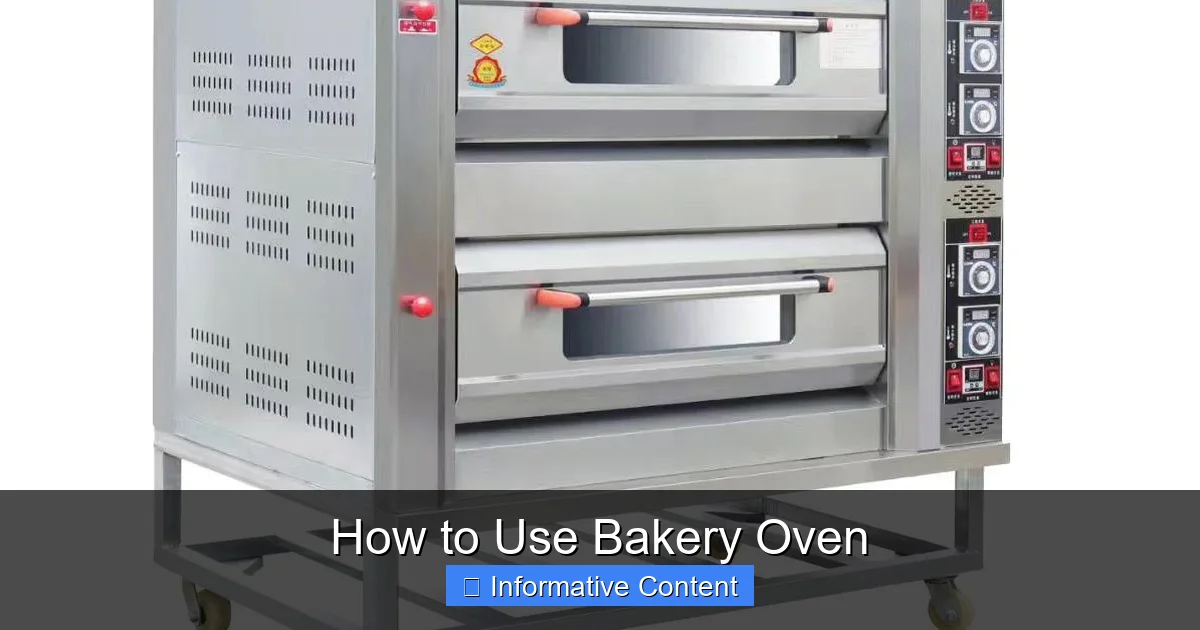
Visual guide about How to Use Bakery Oven
Image source: jyfoodmachine.com
One of the most common mistakes bakers make—especially beginners—is skipping or rushing the preheat. Preheating your bakery oven isn’t just a suggestion; it’s a necessity. When you place cold dough or batter into a cool oven, the baking process starts unevenly, leading to inconsistent textures and poor rise.
Why Preheating Matters
Ovens need time to stabilize at the desired temperature. Most bakery ovens take 15 to 30 minutes to fully preheat, depending on size and model. During this time, the heating elements cycle on and off to maintain consistency. If you open the door too early or load items before the oven is ready, you risk temperature drops that can ruin delicate recipes like soufflés or angel food cakes.
Pro Tip: Use an Oven Thermometer
Even if your oven has a digital display, it’s wise to use a standalone oven thermometer. Manufacturer dials can be off by 10 to 25 degrees, which might not seem like much—but in baking, that difference can mean the difference between golden perfection and a pale, underbaked mess. Place the thermometer in the center of the oven and wait until it reads the correct temperature before loading your trays.
Loading and Positioning Your Bakeware
How you load your oven can be just as important as the recipe itself. Proper spacing, rack positioning, and pan arrangement ensure even heat distribution and prevent hot spots.
Choose the Right Rack Level
For most baked goods—cookies, cakes, muffins—the middle rack is ideal. It provides balanced heat from top and bottom. However, if you’re baking something that needs a crisp bottom (like pizza or pie), move the rack down one level. Conversely, if you want more browning on top (like for a casserole or gratin), use the upper rack.
Leave Space for Airflow
Never overcrowd your oven. Trays should be spaced at least 2 inches apart to allow hot air to circulate. In convection ovens, this is especially critical—blocking airflow defeats the purpose of the fan. If you must bake multiple trays, stagger them slightly and rotate them halfway through for even browning.
Use Light-Colored Pans
Dark pans absorb more heat and can cause over-browning or burning on the bottom. For consistent results, opt for light-colored aluminum or stainless steel pans. If you only have dark pans, reduce the oven temperature by 25°F and check for doneness early.
Monitoring and Adjusting During Baking
Even with perfect preheating and loading, baking is a dynamic process. Ovens can have hot spots, and recipes don’t always account for your specific model. That’s why monitoring and making small adjustments is key.
Rotate Pans Halfway Through
This simple step can save a batch. Rotate your trays 180 degrees halfway through the baking time to ensure even exposure to heat. In convection ovens, this is less critical but still helpful. For deck ovens, where heat comes primarily from below, rotating can prevent one side from browning too quickly.
Watch for Visual Cues
Don’t rely solely on timers. Look for visual signs: cookies should be golden at the edges, cakes should spring back when touched, and bread should sound hollow when tapped. Use a toothpick or cake tester to check for doneness in the center.
Adjust for Altitude and Humidity
If you live at high altitude or in a humid climate, your baking times and temperatures may need tweaking. High altitude can cause faster evaporation and rising, so you might need to increase liquid or reduce leavening agents. Humid environments can make doughs stickier and affect browning—adjust flour or sugar as needed.
Using Steam and Special Features
Many bakery ovens come with advanced features like steam injection, programmable timers, and moisture controls. These aren’t just bells and whistles—they’re tools that can elevate your baking.
Steam for Bread and Pastries
Steam is essential for creating a crisp, shiny crust on bread. In the first 10–15 minutes of baking, steam keeps the surface soft, allowing the dough to expand fully (called “oven spring”). After that, the steam evaporates, and the crust sets and browns. If your oven has a steam function, use it for baguettes, ciabatta, and artisan loaves. If not, you can simulate steam by placing a pan of hot water on the bottom rack or spraying the walls with water at the start.
Programmable Timers and Presets
Some modern bakery ovens allow you to set multi-stage programs—preheat, bake with steam, then finish dry. This is especially useful for complex recipes like laminated doughs (croissants, puff pastry) that require precise timing. Use these presets to your advantage, but always stay nearby to monitor progress.
Cleaning and Maintenance
A clean oven isn’t just about hygiene—it’s about performance. Built-up grease, flour, and sugar can burn, creating smoke and off-flavors. Regular maintenance also extends the life of your oven and ensures consistent heating.
Daily Cleaning Routine
After each use, wipe down the interior with a damp cloth to remove crumbs and spills. For deck ovens, sweep the stone surface with a soft brush. Avoid harsh chemicals that can damage surfaces or leave residues.
Deep Cleaning Monthly
Once a month, give your oven a thorough clean. Remove racks and soak them in warm, soapy water. Use a non-abrasive cleaner for the interior, and check the vents and fans for blockages. For self-cleaning models, follow the manufacturer’s instructions carefully.
Check Door Seals and Gaskets
A loose or damaged door seal can let heat escape, leading to longer preheat times and uneven baking. Inspect the gasket regularly and replace it if it’s cracked or brittle.
Mastering how to use a bakery oven takes time, but every batch brings you closer to perfection. With the right techniques, you’ll bake with confidence—and delight.
Frequently Asked Questions
What’s the difference between a deck oven and a convection oven?
A deck oven uses radiant heat from stone or metal decks and often includes steam, making it ideal for bread. A convection oven uses a fan to circulate hot air, providing faster, more even baking for cookies and pastries.
Can I use a home oven like a bakery oven?
While home ovens can’t match the precision of commercial models, you can mimic some features—like using a pizza stone for deck-like heat or placing a pan of water for steam.
Why does my oven smoke when I bake?
Smoke usually comes from burnt grease, food residue, or overheated oils. Clean your oven regularly and avoid using non-stick sprays near heating elements.
How do I know if my oven temperature is accurate?
Use an oven thermometer placed in the center. Compare its reading to the oven’s display—adjust recipes accordingly if there’s a significant difference.
Is it safe to open the oven door during baking?
Yes, but do it quickly to minimize heat loss. Frequent opening can drop the temperature and affect rising, especially in delicate items like soufflés.
Can I bake frozen dough in a bakery oven?
Yes, but you may need to increase baking time by 5–10 minutes. Ensure the oven is fully preheated and avoid overcrowding to maintain airflow.