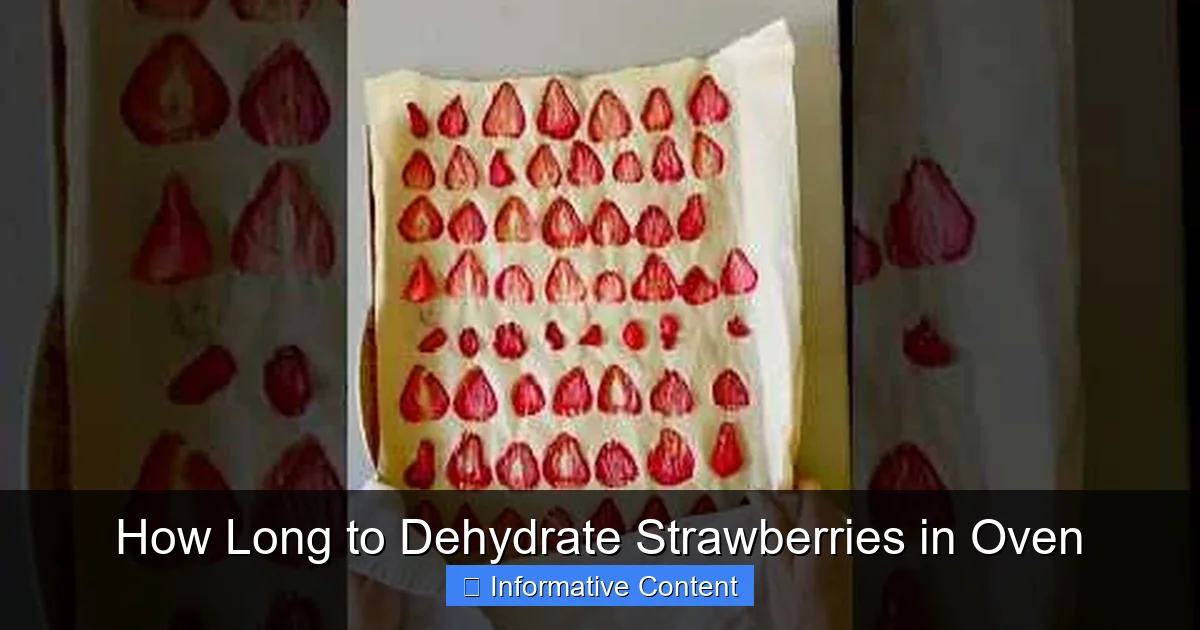
How Long to Dehydrate Strawberries in Oven
Dehydrating strawberries in the oven is a simple way to preserve their sweet flavor and boost shelf life. Most slices take 6 to 10 hours at 135°F–140°F, depending on thickness and oven type. With the right prep and patience, you’ll get delicious, healthy snacks perfect for hiking, lunches, or baking.
Key Takeaways
- Prep matters most: Uniform slices (¼ inch thick) ensure even drying and consistent results.
- Oven temperature is key: Set between 135°F and 140°F (lowest setting) to avoid cooking instead of dehydrating.
- Drying time varies: Expect 6 to 10 hours, with thinner slices drying faster and thicker ones taking longer.
- Use convection if available: Convection ovens circulate air better, reducing drying time by up to 25%.
- Test for doneness: Properly dehydrated strawberries should be leathery, not sticky or moist, with no visible moisture.
- Cool before storing: Let strawberries cool completely to prevent condensation and mold in storage containers.
- Label and rotate: Store in airtight containers and use within 6–12 months for best quality.
Quick Answers to Common Questions
How long to dehydrate strawberries in oven at 170°F?
At 170°F, strawberries may take 8 to 12 hours. However, this higher temperature risks cooking the fruit. For best results, use the lowest oven setting (135°F–140°F) and prop the door open to reduce heat.
Can I dehydrate strawberries without a dehydrator?
Yes! Your regular oven works perfectly. Just use the lowest temperature setting, slice evenly, and allow 6 to 10 hours for drying. Convection mode helps speed up the process.
Should I soak strawberries before dehydrating?
No soaking is needed. Simply wash, dry, and slice. Soaking adds extra moisture, which increases drying time and risk of spoilage.
Why are my dehydrated strawberries sticky?
Sticky strawberries mean they’re not fully dehydrated. Return them to the oven for another 1–2 hours, checking frequently. Properly dried fruit should be leathery, not moist or tacky.
Can I freeze dehydrated strawberries?
Yes, but it’s usually unnecessary. They store well at room temperature for 6–12 months. Freezing can extend shelf life further but may affect texture slightly.
📑 Table of Contents
Why Dehydrate Strawberries in the Oven?
Strawberries are juicy, sweet, and packed with vitamin C, antioxidants, and fiber—but they spoil quickly. Instead of letting them go to waste, dehydrating them in your oven is a smart, budget-friendly way to enjoy their flavor year-round. Whether you’re making healthy snacks, adding them to granola, or using them in baking, oven-dehydrated strawberries offer a concentrated burst of sweetness without added sugar.
Unlike store-bought dried fruit, which often contains preservatives or extra sugar, homemade dehydrated strawberries let you control the ingredients. Plus, the process is simple, requires no special equipment (beyond your oven), and turns excess summer berries into shelf-stable treats. Whether you’ve got a bumper crop from your garden or scored a great deal at the farmers’ market, dehydrating is a fantastic way to preserve that fresh-picked flavor.
What You’ll Need to Get Started
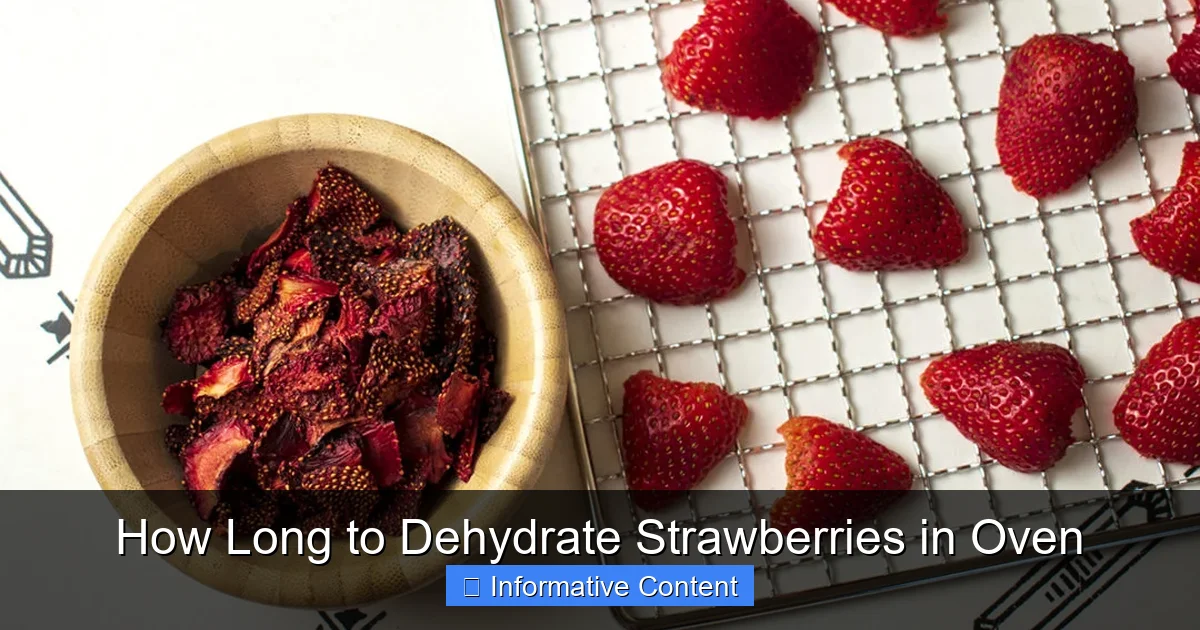
Visual guide about How Long to Dehydrate Strawberries in Oven
Image source: ruralsprout.com
Before you begin, gather a few basic supplies. You don’t need a food dehydrator to make great dried strawberries—your regular kitchen oven works just fine. Here’s what to have on hand:
- Fresh strawberries: Choose ripe but firm berries. Overripe or mushy ones won’t dry evenly.
- Sharp knife or mandoline slicer: For consistent, thin slices. A mandoline helps achieve even thickness, which is crucial for uniform drying.
- Baking sheets: Use rimmed sheets to prevent juices from dripping.
- Parchment paper or silicone baking mats: These prevent sticking and make cleanup easier.
- Oven thermometer (optional but helpful): Oven dials can be inaccurate. A thermometer ensures you’re at the right low temperature.
- Airtight containers: For storing your finished dehydrated strawberries.
Choosing the Right Strawberries
Not all strawberries are created equal when it comes to dehydrating. Look for berries that are bright red, firm, and free of bruises or mold. Smaller varieties like alpine or wild strawberries work well, but larger commercial berries are fine too—just trim the green tops and slice evenly. Avoid using frozen strawberries unless they’re fully thawed and patted dry, as excess moisture can extend drying time and lead to spoilage.
Step-by-Step Guide to Dehydrating Strawberries
Now that you’re prepped, let’s walk through the process step by step. With a little patience, you’ll have delicious dried strawberries in under a day.
Step 1: Wash and Dry the Strawberries
Rinse the strawberries gently under cool water to remove dirt and debris. Pat them completely dry with a clean kitchen towel or paper towels. Any leftover moisture can slow down the drying process and increase the risk of mold.
Step 2: Remove the Green Tops
Use a paring knife to cut off the green leafy tops (the calyx). You can also use a strawberry huller for speed and precision. Discard the tops—they don’t dehydrate well and can affect texture.
Step 3: Slice Evenly
Slice the strawberries into uniform pieces. The ideal thickness is about ¼ inch (6 mm). Thinner slices (⅛ inch) will dry faster but may become brittle. Thicker slices (½ inch) take longer and may stay chewy in the center. Use a mandoline slicer for consistency, or carefully slice by hand. Halve or quarter very large strawberries to ensure even drying.
Step 4: Arrange on Baking Sheets
Line your baking sheets with parchment paper or silicone mats. Place the strawberry slices in a single layer, making sure they don’t overlap. This allows hot air to circulate around each piece, promoting even dehydration. If your oven has limited space, you may need to work in batches.
Step 5: Set the Oven Temperature
Preheat your oven to the lowest possible setting—ideally between 135°F and 140°F (57°C–60°C). Most ovens don’t go this low, so you may need to use the “warm” or “dehydrate” setting if available. If your oven only goes down to 170°F, that’s okay—just keep a close eye and prop the door open slightly with a wooden spoon to let moisture escape and prevent overheating.
Step 6: Dehydrate for 6 to 10 Hours
Place the baking sheets in the oven and let the strawberries dehydrate. The total time depends on several factors:
- Thickness of slices: Thinner slices dry in 6–8 hours; thicker ones may take 9–10 hours or more.
- Oven type: Convection ovens dry faster due to better air circulation—expect 25% less time.
- Humidity: High humidity slows drying. On humid days, it may take longer.
- Strawberry variety: Juicier berries take more time to dry fully.
Check the strawberries every 2–3 hours. Rotate the trays if your oven has hot spots. You’ll know they’re done when they’re leathery and pliable, with no sticky or moist spots. They should not snap like chips but should feel dry to the touch.
Step 7: Cool and Test
Once done, turn off the oven and let the strawberries cool completely on the baking sheets. This step is crucial—trapped heat can continue cooking the fruit, and any residual moisture can lead to mold during storage. After cooling, do a final check: bend a slice. It should flex without breaking or feeling wet inside.
Tips for Perfect Oven-Dried Strawberries
Even with the right steps, small tweaks can make a big difference in your results. Here are some pro tips to ensure success:
Use Convection Mode
If your oven has a convection setting, use it. The fan circulates warm air evenly, reducing drying time and preventing hot spots. This is especially helpful for thicker slices or when dehydrating large batches.
Prop the Oven Door Open
Since ovens aren’t designed for low-and-slow drying, moisture can build up inside. To prevent this, prop the door open about 1–2 inches with a wooden spoon or oven-safe object. This allows steam to escape and mimics the airflow of a food dehydrator.
Flip the Slices Midway
For even drying, flip the strawberry slices halfway through the process. This ensures both sides dehydrate uniformly and prevents one side from becoming overly dry while the other stays moist.
Rotate the Baking Sheets
Ovens often have hot spots—areas that get hotter than others. Rotate the trays 180 degrees every few hours to promote even drying across all slices.
Don’t Rush the Process
It’s tempting to increase the temperature to speed things up, but high heat will cook the strawberries instead of dehydrating them. You’ll end up with caramelized, sugary chunks rather than chewy dried fruit. Patience pays off.
How to Store Dehydrated Strawberries
Proper storage is essential to maintain flavor, texture, and shelf life. Once your strawberries are fully dehydrated and cooled, follow these steps:
Use Airtight Containers
Transfer the strawberries to glass jars, metal tins, or resealable plastic bags. Make sure the containers are clean and dry before use. Vacuum-sealed bags are ideal for long-term storage.
Store in a Cool, Dark Place
Keep your dehydrated strawberries away from heat, light, and moisture. A pantry or cupboard works well. Avoid storing them near the stove or in direct sunlight.
Label and Date
Write the date on the container so you can track freshness. Properly stored, dehydrated strawberries last 6 to 12 months. While they may lose some vibrancy over time, they’re still safe to eat if there’s no mold or off smell.
Check for Moisture
If you notice condensation inside the container after a few days, the strawberries weren’t fully dehydrated. Return them to the oven for another hour or two, then cool and store again.
Creative Ways to Use Dehydrated Strawberries
Once you’ve mastered the basics, it’s time to get creative! Dehydrated strawberries are incredibly versatile. Here are some delicious ideas:
- Trail mix: Combine with nuts, seeds, and dark chocolate chips for a energizing snack.
- Oatmeal or yogurt topping: Add a few pieces to your morning bowl for natural sweetness.
- Baking: Chop and fold into muffins, cookies, or scones.
- Smoothies: Rehydrate by soaking in water or juice, then blend into smoothies.
- Salad garnish: Toss into green salads or grain bowls for a sweet-tart crunch.
- Homemade granola bars: Mix into your favorite bar recipe for fruity flavor.
Common Mistakes to Avoid
Even experienced cooks can run into issues when dehydrating fruit. Here are some common pitfalls and how to avoid them:
- Uneven slicing: Causes some pieces to dry faster than others. Use a mandoline for consistency.
- Too high temperature: Results in cooked, not dried, fruit. Stick to 135°F–140°F.
- Overcrowding the tray: Prevents airflow and leads to uneven drying. Leave space between slices.
- Skipping the cooling step: Traps moisture and risks mold. Always cool completely before storing.
- Not checking for doneness: Under-dried strawberries spoil quickly. Test by bending—no moisture should remain.
Final Thoughts
Dehydrating strawberries in the oven is a rewarding, low-cost way to preserve summer’s bounty. While it takes time—usually 6 to 10 hours—the process is mostly hands-off and yields delicious, healthy snacks you can enjoy all year. With the right prep, temperature, and patience, you’ll master the art of oven-dried fruit in no time. Whether you’re snacking, baking, or gifting, homemade dehydrated strawberries are a sweet win.
Frequently Asked Questions
How long do oven-dehydrated strawberries last?
When stored in an airtight container in a cool, dark place, dehydrated strawberries last 6 to 12 months. Always check for mold or off odors before eating.
Can I dehydrate strawberry halves instead of slices?
Yes, but halves take longer to dry—up to 12–14 hours. Slice larger berries to ensure even drying and prevent a moist center.
Do dehydrated strawberries lose nutrients?
Some heat-sensitive vitamins like vitamin C degrade during drying, but fiber, antioxidants, and minerals remain. They’re still a healthy snack option.
Can I use frozen strawberries for dehydrating?
It’s not recommended. Frozen berries release a lot of moisture when thawed, which can lead to uneven drying and spoilage. Use fresh, firm strawberries instead.
Why did my strawberries turn brown during drying?
Browning is normal and caused by oxidation. It doesn’t affect safety or taste. To minimize it, slice just before drying and avoid over-drying.
Can I dehydrate strawberries on aluminum foil?
Yes, but parchment paper or silicone mats are better. They prevent sticking and make it easier to remove delicate dried slices without breaking.