How to Cook a Prime Rib Roast in Convection Oven
Cooking a prime rib roast in convection oven delivers evenly roasted, tender meat with a beautiful crust. This guide walks you through every step—from selecting the cut to resting and carving—for a restaurant-quality meal at home.
Key Takeaways
- Choose the right cut: Opt for a bone-in prime rib roast for maximum flavor and juiciness.
- Use convection for even cooking: Convection ovens circulate hot air, reducing cooking time and promoting uniform browning.
- Season generously: A simple mix of salt, pepper, garlic, and herbs enhances natural beef flavor.
- Cook low and slow: Roast at 250°F (120°C) until internal temperature reaches 115°F (46°C) for rare.
- Rest before slicing: Let the roast rest 20–30 minutes to lock in juices.
- Use a meat thermometer: Avoid overcooking by monitoring internal temperature closely.
- Carve against the grain: Slice thin pieces perpendicular to the muscle fibers for tenderness.
Quick Answers to Common Questions
How long does it take to cook a prime rib roast in convection oven?
It takes about 15–20 minutes per pound at 250°F (120°C) in a convection oven. A 5-pound roast will take roughly 1 hour and 15 minutes to 1 hour and 40 minutes, depending on desired doneness.
Should I cover prime rib while cooking?
No, do not cover the roast while cooking. Covering traps steam, which prevents browning. For a crispy crust, leave it uncovered.
Can I cook prime rib from frozen in a convection oven?
It’s not recommended. Cooking from frozen leads to uneven results. Always thaw the roast in the fridge for 24–48 hours before cooking.
What internal temperature is medium-rare for prime rib?
Medium-rare is 125°F (52°C) internal temperature. Remove the roast at 120°F (49°C) to account for carryover cooking during resting.
Can I use a convection toaster oven for prime rib?
Only if the roast fits comfortably with space around it for air circulation. Most toaster ovens are too small for full-sized prime rib roasts.
📑 Table of Contents
Why Cook Prime Rib in a Convection Oven?
Prime rib is one of the most impressive and delicious cuts of beef you can serve, especially during holidays or special occasions. But getting it just right—tender, juicy, and perfectly cooked from edge to center—can feel intimidating. That’s where cooking a prime rib roast in convection oven comes in. Convection ovens use a fan to circulate hot air around the food, which means more even heat distribution, faster cooking times, and a beautifully browned exterior.
Unlike conventional ovens, which can have hot spots and uneven cooking, convection ovens help eliminate guesswork. The moving air ensures that every part of the roast cooks at the same rate, reducing the risk of overcooked ends or undercooked centers. Plus, the enhanced browning gives your prime rib that gorgeous, restaurant-style crust that makes everyone’s mouth water. Whether you’re feeding a crowd or just treating your family, using a convection oven takes your prime rib from good to unforgettable.
Choosing the Right Prime Rib Roast
Before you even preheat the oven, the success of your prime rib starts with selecting the right cut. Prime rib comes from the primal rib section of the cow, typically ribs 6 through 12. This area is known for its rich marbling, tenderness, and deep beefy flavor. When shopping, look for a roast labeled “prime rib,” “rib roast,” or “standing rib roast.”
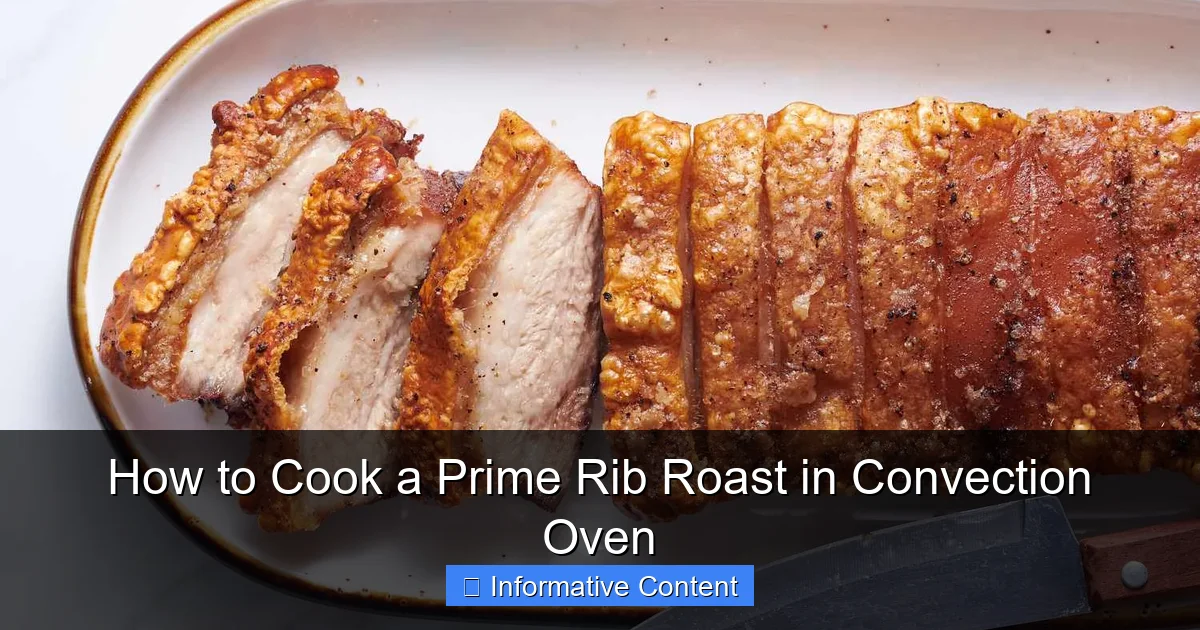
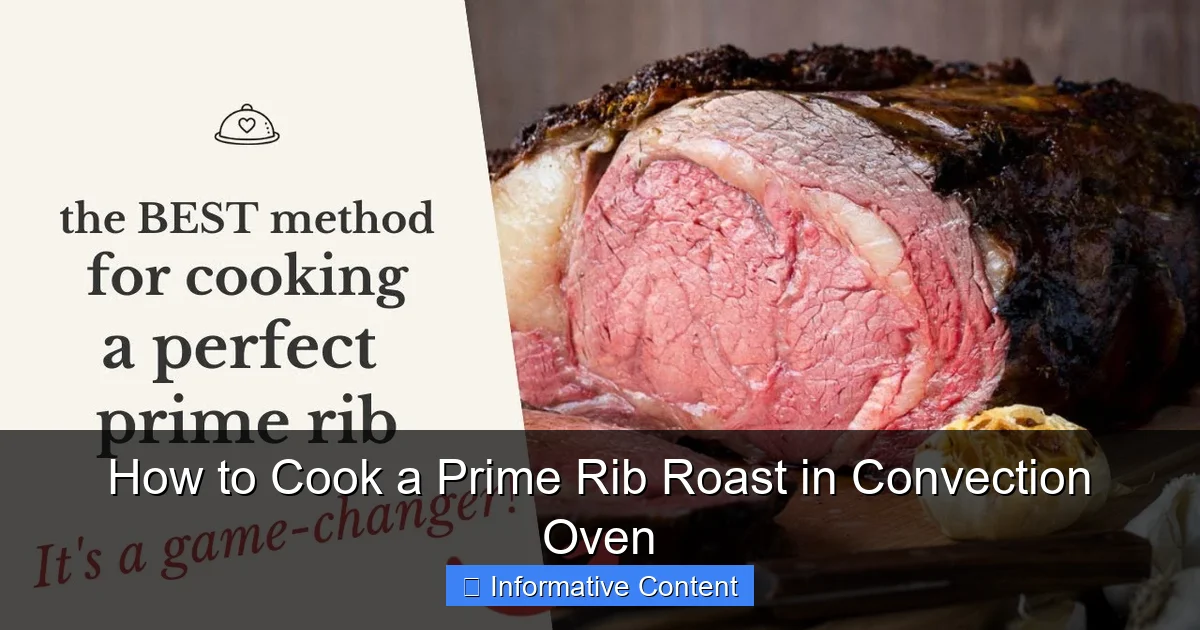
Visual guide about How to Cook a Prime Rib Roast in Convection Oven
Image source: recipes.net
Bone-In vs. Boneless
For the best flavor and presentation, go with a bone-in roast. The bones act as a natural insulator, helping the meat cook more evenly and adding extra flavor during roasting. They also make carving easier and give the roast a dramatic, festive look on the table. A bone-in roast typically includes 3 to 7 ribs, depending on size. A 3-rib roast feeds about 6–8 people, while a 5-rib roast can serve 10–12.
Grade Matters
Beef is graded by the USDA based on marbling and maturity. For prime rib, aim for USDA Prime if possible—it has the highest level of marbling, which equals more flavor and tenderness. If Prime isn’t available, USDA Choice is a solid second option. Avoid Select or lower grades, as they tend to be leaner and less juicy.
Size and Weight
Plan for about 1 pound (450g) per person if serving as a main course. A 4-pound roast will feed about 4 people, while a 7-pound roast can serve 7. Keep in mind that larger roasts take longer to cook, but they also retain moisture better. Always let the roast come to room temperature for at least 1–2 hours before cooking—this ensures even cooking.
Preparing the Roast for Cooking
Once you’ve got your prime rib, it’s time to get it ready for the oven. Proper preparation is key to maximizing flavor and texture. Start by patting the roast dry with paper towels. Moisture on the surface can prevent browning, so this step is crucial.
Seasoning the Roast
Prime rib doesn’t need fancy sauces or marinades—its natural flavor shines with simple seasoning. A classic blend includes coarse kosher salt, freshly ground black pepper, minced garlic, and fresh rosemary or thyme. Rub the seasoning all over the roast, including the sides and ends. For even more flavor, you can add a bit of Dijon mustard as a binder before applying the herbs and spices.
Some cooks like to season the roast a day ahead and let it sit uncovered in the fridge. This dry-aging method helps the exterior dry out, which improves browning and concentrates flavor. If you’re short on time, seasoning 1–2 hours before cooking still works well.
Bringing to Room Temperature
Never put a cold roast straight into a hot oven. Cold meat cooks unevenly, leading to overcooked edges and a rare center. Take the roast out of the fridge 1–2 hours before cooking, depending on size. A 4-pound roast needs about 1 hour; a 7-pound roast may need up to 2 hours. This step ensures the meat cooks evenly from edge to center.
Cooking Prime Rib in a Convection Oven
Now for the main event: cooking your prime rib roast in convection oven. The convection setting reduces cooking time by about 25% compared to a conventional oven, so adjust your timing accordingly. The goal is to cook the roast slowly and gently to preserve moisture and tenderness.
Oven Temperature and Setup
Preheat your convection oven to 250°F (120°C). This low temperature allows the roast to cook evenly without drying out. Place the roast bone-side down on a rack in a roasting pan. The rack elevates the meat, allowing hot air to circulate underneath, which promotes even browning.
If your oven has a “convection roast” or “convection bake” setting, use it. These modes combine convection with bottom heat for optimal results. Avoid using the “convection broil” setting, as it can overcook the exterior too quickly.
Cooking Time and Temperature
Cook the roast until it reaches your desired internal temperature. Use a reliable meat thermometer inserted into the thickest part of the meat, avoiding the bone. Here’s a general guide:
- Rare: 115°F (46°C) – about 15–18 minutes per pound
- Medium-rare: 125°F (52°C) – about 18–20 minutes per pound
- Medium: 135°F (57°C) – about 20–22 minutes per pound
For example, a 5-pound roast cooked to medium-rare will take about 1 hour and 30 minutes to 1 hour and 40 minutes. Remember, the roast will continue to cook as it rests, so remove it when it’s 5–10°F below your final target temperature.
Monitoring Doneness
Check the temperature every 20–30 minutes during the last hour of cooking. Don’t rely solely on time—oven performance and roast shape can vary. A digital instant-read thermometer is your best friend here. For the most accurate reading, insert the probe into the center of the roast, making sure it doesn’t touch bone or fat.
Resting and Carving the Roast
Once the roast reaches the right temperature, remove it from the oven and tent it loosely with aluminum foil. Let it rest for 20–30 minutes. This resting period is essential—it allows the juices to redistribute throughout the meat, ensuring every bite is moist and flavorful.
Why Resting Matters
When meat cooks, the juices are pushed toward the center. If you carve it immediately, those juices spill out, leaving the meat dry. Resting gives the muscle fibers time to relax and reabsorb the moisture. The internal temperature may also rise by 5–10°F during this time, so plan accordingly.
Carving Like a Pro
To carve the roast, place it bone-side down on a cutting board. Use a sharp carving knife to slice along the bones to remove them. Then, slice the meat against the grain into thin, even pieces—about ½ inch thick. Slicing against the grain shortens the muscle fibers, making each bite more tender.
Serve the prime rib with au jus (made from the pan drippings) and creamy horseradish sauce for a classic pairing. Roasted vegetables, mashed potatoes, or Yorkshire pudding make excellent sides.
Tips for Perfect Prime Rib Every Time
Even with the best recipe, small details can make a big difference. Here are a few pro tips to ensure your prime rib roast in convection oven turns out flawless:
- Use a meat thermometer: This is the #1 tool for perfect doneness. Don’t guess—measure.
- Don’t skip the rest: Resting is non-negotiable for juicy meat.
- Season generously: Prime rib can handle bold seasoning. Don’t be shy with salt and herbs.
- Let it come to room temp: Cold meat cooks unevenly. Always plan ahead.
- Save the drippings: Use them to make a rich au jus or gravy.
- Practice makes perfect: If it’s your first time, don’t stress. Even a slightly overdone prime rib is still delicious.
Cooking a prime rib roast in convection oven might seem like a big task, but with the right steps, it’s totally doable—even for beginners. The result is a show-stopping centerpiece that’s tender, flavorful, and sure to impress. Whether it’s Christmas dinner, Easter brunch, or just a special Sunday meal, your prime rib will be the star of the table.
Frequently Asked Questions
What’s the difference between convection and conventional oven for prime rib?
Convection ovens use a fan to circulate hot air, cooking food more evenly and up to 25% faster. This results in better browning and more consistent doneness compared to conventional ovens.
Do I need to baste the prime rib while cooking?
Basting isn’t necessary in a convection oven. The circulating air keeps the surface dry and promotes browning. Basting can actually lower the oven temperature and slow cooking.
Can I cook prime rib at a higher temperature for faster results?
You can, but it increases the risk of overcooking the edges. Low and slow at 250°F (120°C) is the best method for even, juicy results in a convection oven.
How do I make au jus from the pan drippings?
After roasting, pour the drippings into a saucepan, skim off excess fat, and add beef broth. Simmer for 5–10 minutes and season with salt and pepper. Strain and serve warm.
Can I use a rub instead of a dry seasoning?
Yes, but avoid sugary rubs, as they can burn at high heat. Stick to salt, pepper, garlic, and herbs for the best results.
How do I store leftover prime rib?
Store leftovers in an airtight container in the fridge for up to 3 days. Reheat gently in the oven at 275°F (135°C) to avoid drying out the meat.