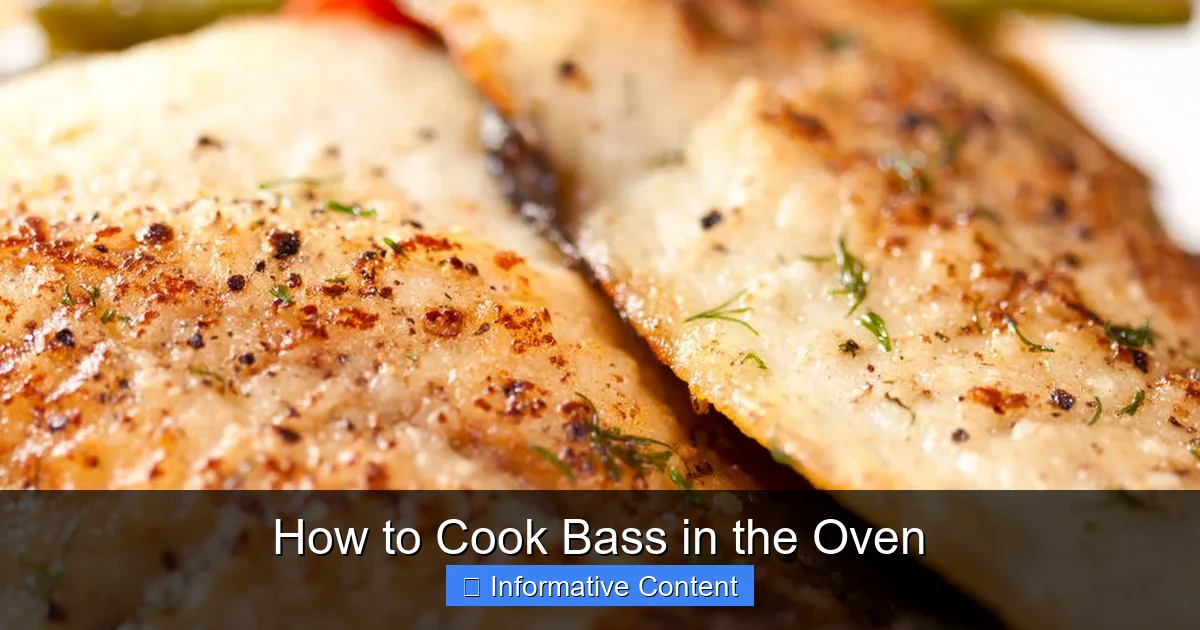
How to Cook Bass in the Oven
Discover the best methods to cook bass in the oven for a flaky, moist, and flavorful result every time. Whether you’re using sea bass, striped bass, or largemouth bass, this guide covers preparation, seasoning, cooking times, and pro tips to elevate your seafood game at home.
Key Takeaways
- Choose fresh or properly thawed bass: Freshness ensures better texture and taste; always thaw frozen fish in the fridge overnight.
- Preheat your oven to 375°F–400°F: This temperature range cooks bass evenly without drying it out.
- Season generously with herbs and citrus: Lemon, garlic, thyme, and olive oil enhance the natural flavor of bass.
- Use a baking dish or parchment paper: Prevents sticking and makes cleanup easier while locking in moisture.
- Cook for 12–18 minutes depending on thickness: A 1-inch thick fillet typically takes 12–15 minutes; always check for doneness.
- Let it rest before serving: Resting allows juices to redistribute, keeping the fish tender and succulent.
- Pair with simple sides: Roasted vegetables, rice, or a fresh salad complement baked bass perfectly.
Quick Answers to Common Questions
How long do you cook bass in the oven?
Bake bass fillets for 12–15 minutes and whole bass for 15–18 minutes per pound at 375°F–400°F, or until the internal temperature reaches 145°F.
Should I cover bass when baking in the oven?
No, covering is not necessary. Baking uncovered allows the skin to crisp (if left on) and prevents steaming, which can make the fish soggy.
Can I bake frozen bass directly?
It’s best to thaw bass in the refrigerator first. Baking frozen fish can lead to uneven cooking and a mushy texture.
What temperature should bass be cooked to?
Cook bass to an internal temperature of 145°F (63°C). Use a meat thermometer inserted into the thickest part to check.
Can I use aluminum foil instead of parchment paper?
Yes, but parchment paper is preferred because it prevents sticking and allows for easier cleanup without affecting flavor.
📑 Table of Contents
Why Bake Bass in the Oven?
Baking bass in the oven is one of the easiest and healthiest ways to enjoy this mild, flaky white fish. Unlike frying, which can add extra fat and calories, oven-baking preserves the natural moisture and delicate flavor of the fish. It’s also a hands-off method—once you prep the fish and pop it in the oven, you can focus on making sides or setting the table.
Whether you’re cooking whole bass or fillets, the oven provides consistent, even heat that gently cooks the fish without overcooking the edges. Plus, it’s a great option for weeknight dinners or entertaining guests, since it requires minimal supervision and delivers impressive results. From sea bass to striped bass, this method works beautifully across different types of bass, making it a versatile technique every home cook should master.
Choosing the Right Bass
Not all bass are created equal when it comes to baking. The most popular varieties for oven cooking include sea bass, striped bass, and largemouth bass. Sea bass is prized for its buttery texture and rich flavor, making it a favorite in restaurants. Striped bass has a firmer texture and slightly stronger taste, while largemouth bass—often caught in freshwater—works well if properly cleaned and deboned.
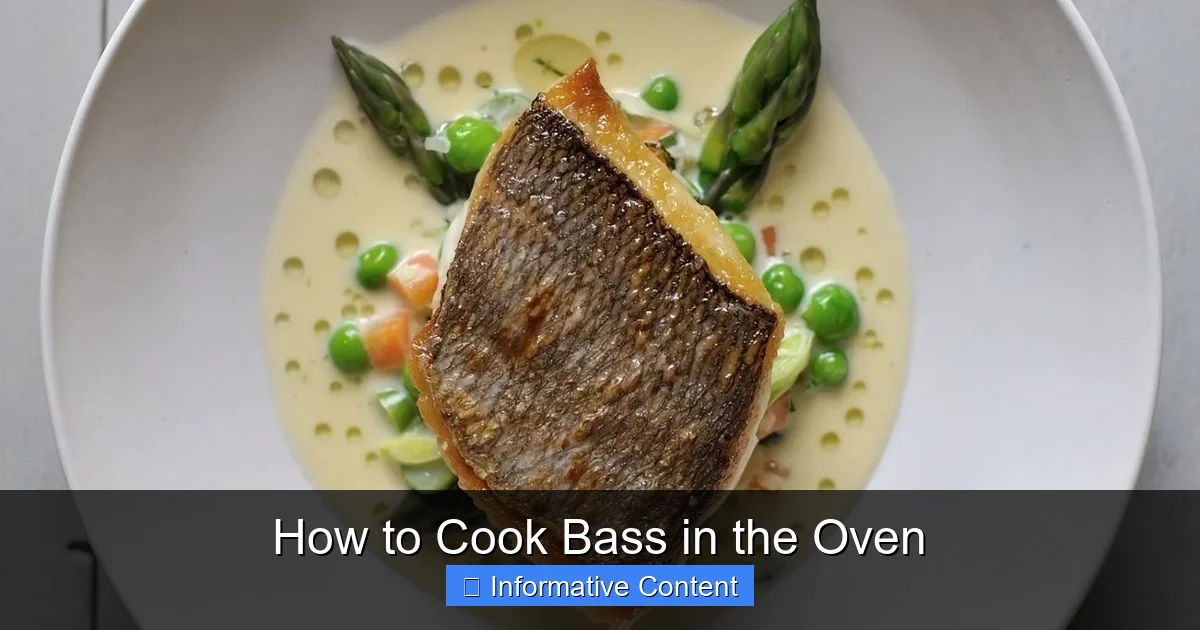
Visual guide about How to Cook Bass in the Oven
Image source: recipes.net
Fresh vs. Frozen Bass
Fresh bass should have clear, bright eyes (if whole), firm flesh that springs back when pressed, and a clean, ocean-like smell—never fishy. If you’re buying frozen, look for vacuum-sealed packages with no ice crystals, which can indicate freezer burn. Thaw frozen bass slowly in the refrigerator for 12–24 hours before cooking to maintain texture.
Whole Fish vs. Fillets
Whole bass can be baked with the skin on, which helps keep the meat moist and adds a crispy texture when roasted. Fillets are quicker to cook and easier to serve, especially for families or picky eaters. A 1- to 1.5-pound whole bass typically serves two people, while fillets are usually sold in 6- to 8-ounce portions.
Essential Tools and Ingredients
You don’t need fancy equipment to bake bass successfully. A few basic tools and quality ingredients go a long way. Start with a rimmed baking sheet or glass baking dish—nonstick or lined with parchment paper to prevent sticking. A meat thermometer is optional but helpful for checking doneness.
Basic Ingredients for Baked Bass
- Fresh or thawed bass (whole or fillets)
- Extra-virgin olive oil or melted butter
- Salt and freshly ground black pepper
- Fresh lemon juice and zest
- Minced garlic
- Fresh herbs like thyme, rosemary, or parsley
- Optional: cherry tomatoes, olives, or capers for added flavor
For a simple yet delicious preparation, brush the fish with olive oil, season with salt and pepper, and top with lemon slices and herbs. This classic combo enhances the fish without overpowering its natural taste.
Step-by-Step Guide to Baking Bass
Now that you’ve got your ingredients ready, let’s walk through the process of baking bass in the oven. This method works for both whole fish and fillets, with slight adjustments for cooking time.
Step 1: Preheat the Oven
Set your oven to 375°F (190°C) for fillets or 400°F (200°C) for whole fish. Preheating ensures even cooking from the start. While the oven heats, prepare your baking dish by lining it with parchment paper or lightly greasing it with oil or butter.
Step 2: Prepare the Fish
If using a whole bass, rinse it under cold water and pat dry with paper towels. Make 2–3 diagonal slashes on each side to help the seasoning penetrate and allow even cooking. For fillets, simply pat them dry—no need to score unless they’re very thick.
Step 3: Season Generously
Drizzle olive oil over the fish and rub it in to coat evenly. Season both sides with salt and pepper. Add minced garlic, lemon juice, and your choice of herbs. For whole fish, stuff the cavity with lemon slices, garlic cloves, and herb sprigs for extra flavor.
Step 4: Add Aromatics (Optional)
Place lemon slices, cherry tomatoes, or olives around the fish in the baking dish. These not only add flavor but also create a light, flavorful sauce as the fish cooks. A splash of white wine or broth can also be added to the dish for moisture.
Step 5: Bake Until Done
Place the baking dish in the center of the oven. Bake fillets for 12–15 minutes and whole fish for 15–18 minutes per pound. The fish is done when it flakes easily with a fork and reaches an internal temperature of 145°F (63°C). Avoid overcooking—bass dries out quickly.
Step 6: Rest and Serve
Remove the fish from the oven and let it rest for 3–5 minutes. This allows the juices to settle, ensuring every bite is moist and flavorful. Garnish with fresh herbs and extra lemon wedges before serving.
Flavor Variations and Recipe Ideas
Once you’ve mastered the basics, feel free to get creative with flavors. Baking bass opens the door to countless seasoning combinations and global inspirations.
Mediterranean-Style Baked Bass
Combine olive oil, lemon zest, garlic, oregano, and a handful of chopped Kalamata olives and sun-dried tomatoes. Place everything in the baking dish with the fish and bake as directed. Serve with a side of Greek salad for a complete meal.
Asian-Inspired Bass with Soy and Ginger
Mix soy sauce, grated ginger, minced garlic, a touch of honey, and a splash of rice vinegar. Brush this glaze over the fish and bake. Garnish with sliced green onions and sesame seeds. Pair with steamed jasmine rice and bok choy.
Herb-Crusted Bass
Create a crust using chopped parsley, dill, breadcrumbs, lemon zest, and olive oil. Press the mixture onto the top of the fillets before baking. The crust adds texture and a burst of fresh flavor.
Spicy Cajun Bass
Rub the fish with a blend of paprika, cayenne, garlic powder, onion powder, and thyme. Add a little olive oil to help the spices adhere. Bake and serve with a cool cucumber-yogurt sauce to balance the heat.
Serving Suggestions and Pairings
Baked bass is incredibly versatile and pairs well with a variety of sides. Keep it light and fresh to let the fish shine.
Recommended Side Dishes
- Roasted Vegetables: Try asparagus, zucchini, or bell peppers tossed in olive oil and roasted alongside the fish.
- Garlic Mashed Potatoes: Creamy and comforting, they complement the delicate flavor of bass.
- Quinoa or Brown Rice: A healthy, fiber-rich base that absorbs the flavorful juices from the fish.
- Simple Green Salad: A mix of arugula, spinach, and cherry tomatoes with a lemon vinaigrette adds brightness.
- Crusty Bread: Perfect for soaking up any sauce or olive oil left in the baking dish.
For beverages, a crisp white wine like Sauvignon Blanc or Pinot Grigio pairs beautifully. If you prefer non-alcoholic options, sparkling water with lemon or iced herbal tea works well.
Common Mistakes to Avoid
Even experienced cooks can make errors when baking fish. Here are a few pitfalls to watch out for:
Overcooking the Fish
Bass cooks quickly, and overcooking leads to dry, rubbery meat. Always check for doneness a few minutes before the recommended time. The flesh should be opaque and flake easily.
Skipping the Resting Step
Pulling the fish out of the oven and serving immediately can cause juices to spill out. Letting it rest for a few minutes keeps it moist and tender.
Using Too Much Salt
While seasoning is important, bass has a delicate flavor that can be overwhelmed by excessive salt. Taste your seasoning mix before applying, and remember that lemon and herbs add brightness without saltiness.
Not Preheating the Oven
Starting with a cold oven leads to uneven cooking. Always preheat to ensure the fish cooks consistently from the start.
Conclusion
Learning how to cook bass in the oven is a game-changer for anyone who loves seafood but wants a simple, healthy, and delicious meal. With just a few ingredients and basic kitchen tools, you can create restaurant-quality dishes at home. Whether you prefer classic lemon-herb seasoning or bold international flavors, baking bass is a reliable method that delivers flaky, moist results every time.
Remember to choose fresh fish, season well, monitor cooking time, and let the fish rest before serving. Pair it with vibrant sides and a refreshing drink, and you’ve got a meal that’s as impressive as it is easy. So next time you’re at the market and see beautiful bass, grab it—your oven is ready to work its magic.
Frequently Asked Questions
What is the best type of bass to bake?
Sea bass is ideal for baking due to its rich, buttery texture. Striped bass also works well, especially when seasoned boldly.
Can I bake bass with the skin on?
Yes, baking with the skin on helps retain moisture and adds a crispy texture. Just make sure to score the skin to prevent curling.
How do I know when baked bass is done?
The fish is done when it flakes easily with a fork and reaches an internal temperature of 145°F. The flesh should be opaque, not translucent.
Can I marinate bass before baking?
Yes, but keep marinating time short—30 minutes to 2 hours max. Acidic marinades (like lemon or vinegar) can break down the fish if left too long.
Is baked bass healthy?
Yes, bass is high in protein, low in saturated fat, and rich in omega-3 fatty acids. Baking preserves its nutritional value without adding extra oil.
Can I reheat leftover baked bass?
Yes, reheat gently in a 300°F oven for 10–15 minutes or in a skillet with a little oil to avoid drying out the fish.