
Cobia is a mild, buttery fish that bakes beautifully in the oven with minimal effort. With simple seasonings and proper technique, you can create a restaurant-quality dish at home that’s both healthy and satisfying.
Key Takeaways
- Choose fresh or properly thawed cobia: Look for firm, moist flesh with a clean ocean scent for the best results.
- Preheat your oven to 375°F (190°C): This ensures even cooking and helps seal in moisture.
- Season generously but simply: Salt, pepper, lemon, garlic, and herbs enhance cobia’s natural flavor without overpowering it.
- Use a baking dish with a rack or parchment paper: This prevents sticking and allows heat to circulate evenly around the fish.
- Bake for 15–20 minutes depending on thickness: Overcooking leads to dryness—use a fork to check for flakiness.
- Add vegetables or a sauce for extra flavor: Roasted veggies or a light butter-lemon glaze complement cobia perfectly.
- Let it rest for 2–3 minutes before serving: This helps redistribute juices and improves texture.
Quick Answers to Common Questions
How long does it take to cook cobia in the oven?
It typically takes 15–20 minutes at 375°F (190°C), depending on the thickness of the fillet. Always check for flakiness with a fork.
Can you cook frozen cobia directly in the oven?
It’s not recommended. Always thaw cobia in the refrigerator first to ensure even cooking and food safety.
What temperature should cobia reach when cooked?
Cobia is safe to eat when it reaches an internal temperature of 145°F (63°C).
Can I bake cobia with the skin on?
Yes! Baking with the skin on helps retain moisture. Just make sure to score the skin lightly to prevent curling.
What herbs go best with cobia?
Fresh dill, parsley, thyme, and oregano complement cobia’s mild flavor beautifully. Lemon zest adds a bright finish.
📑 Table of Contents
Why Cobia Is a Great Choice for Oven Baking
Cobia, also known as ling or black kingfish, is a rising star in the world of sustainable seafood. With its firm texture and mild, slightly sweet flavor, it’s incredibly versatile—and especially well-suited for oven cooking. Unlike more delicate fish like tilapia or flounder, cobia holds up beautifully under dry heat, making it ideal for baking, roasting, or broiling.
One of the biggest advantages of cooking cobia in the oven is convenience. You don’t need special equipment or advanced skills—just a baking dish, some basic seasonings, and about 20 minutes. Plus, baking preserves the fish’s natural moisture better than frying or grilling, which can sometimes dry it out if not carefully monitored. Whether you’re feeding a family or preparing a elegant dinner for guests, cobia delivers impressive results with minimal effort.
Choosing the Right Cobia for Baking
Fresh vs. Frozen: What to Look For
When selecting cobia, freshness is key. If buying fresh, look for fillets that are firm to the touch, with a translucent, moist appearance. The flesh should spring back when gently pressed, and the smell should be clean and briny—never fishy or sour. Avoid any pieces with dark spots, slimy texture, or dull coloring.
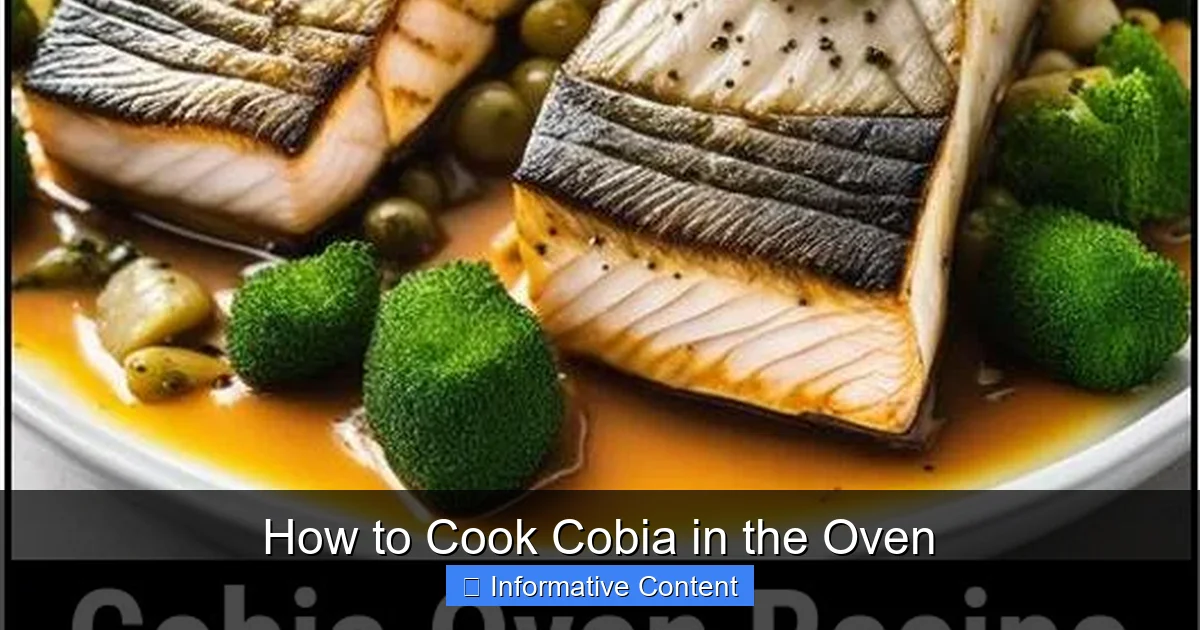
Visual guide about How to Cook Cobia in the Oven
Image source: janeovenrecipes.com
If fresh cobia isn’t available, frozen is a great alternative—just make sure it’s been properly handled and stored. Thaw it slowly in the refrigerator overnight, never at room temperature, to preserve texture and prevent bacterial growth. Once thawed, pat the fillets dry with paper towels before seasoning. This step is crucial because excess moisture can steam the fish instead of allowing it to bake evenly.
Fillet Size Matters
Cobia fillets can vary in thickness, so adjust your cooking time accordingly. A standard 1-inch thick fillet will take about 15–18 minutes at 375°F (190°C). Thicker cuts may need up to 25 minutes, while thinner ones could be done in as little as 12. Always use a fork or knife to check for doneness: the flesh should flake easily and appear opaque throughout.
Essential Tools and Ingredients
What You’ll Need
You don’t need a fully stocked kitchen to cook cobia in the oven. Here’s a simple list of essentials:
- A rimmed baking dish (glass, ceramic, or metal)
- Parchment paper or a silicone baking mat (optional, but helpful)
- Olive oil or melted butter
- Fresh lemon juice and zest
- Minced garlic
- Salt and freshly ground black pepper
- Fresh herbs like dill, parsley, or thyme
- Optional: cherry tomatoes, sliced onions, or bell peppers for roasting alongside
For added flavor, consider using a light marinade or dry rub. A simple mix of olive oil, lemon juice, garlic, and herbs brushed onto the fish 15–20 minutes before baking infuses it with brightness and depth. Avoid heavy sauces or sugary glazes, which can burn in the oven.
Step-by-Step Guide to Baking Cobia
Prep Your Oven and Dish
Start by preheating your oven to 375°F (190°C). This temperature is hot enough to cook the fish thoroughly without drying it out. While the oven heats, prepare your baking dish. Lightly grease it with olive oil or line it with parchment paper to prevent sticking. For extra flavor and presentation, arrange sliced lemon rounds or fresh herb sprigs on the bottom of the dish before placing the fish on top.
Season the Fish
Pat the cobia fillets dry with paper towels—this ensures the seasoning sticks and promotes even browning. Drizzle both sides with olive oil or melted butter, then sprinkle generously with salt and pepper. Add minced garlic, lemon zest, and chopped fresh herbs. For a Mediterranean twist, try a blend of oregano, thyme, and a pinch of red pepper flakes. Rub the seasonings gently into the flesh to coat evenly.
Bake to Perfection
Place the seasoned fillets in the prepared baking dish, leaving a little space between each piece so they cook evenly. If you’re roasting vegetables, scatter them around the fish—zucchini, cherry tomatoes, and red onion work especially well. Bake uncovered for 15–20 minutes, depending on thickness. The cobia is done when it flakes easily with a fork and reaches an internal temperature of 145°F (63°C).
Optional: Broil for a Golden Finish
For a lightly caramelized top, switch the oven to broil during the last 2–3 minutes of cooking. Keep a close eye on it—broiling can quickly go from golden to burnt. This step adds a subtle crispness that elevates the dish, especially if you’re serving it with a side salad or rice.
Delicious Serving Suggestions
Pair with Simple Sides
Cobia’s mild flavor pairs beautifully with a variety of sides. Steamed asparagus, roasted potatoes, or quinoa salad all make excellent companions. For a light, refreshing option, serve it over a bed of arugula tossed with lemon vinaigrette and shaved Parmesan. The peppery greens balance the richness of the fish perfectly.
Add a Sauce or Garnish
While cobia shines on its own, a simple sauce can take it to the next level. A lemon-butter drizzle—made by melting butter with lemon juice, garlic, and a pinch of parsley—adds richness without overwhelming the fish. Alternatively, a quick herb chimichurri or a spoonful of mango salsa brings brightness and color to the plate.
Garnish with extra lemon wedges and fresh herbs just before serving. Not only does this enhance the visual appeal, but it also invites diners to customize their bite with a squeeze of citrus.
Tips for Avoiding Common Mistakes
Don’t Overcook
Overcooking is the number one mistake when baking fish. Cobia dries out quickly once it passes the ideal doneness point. To avoid this, start checking for flakiness at the 12-minute mark, especially if your fillets are on the thinner side. Remember: it’s better to slightly undercook than overcook—the residual heat will continue to cook the fish as it rests.
Skip the Heavy Breading
While breaded cobia can be delicious when fried, it’s not ideal for oven baking. The coating tends to become soggy instead of crispy. If you crave texture, try a light dusting of panko mixed with herbs and a touch of Parmesan, then spray with cooking oil before baking. This gives a subtle crunch without weighing down the fish.
Use a Meat Thermometer
For foolproof results, invest in an instant-read meat thermometer. Insert it into the thickest part of the fillet—when it reads 145°F (63°C), the cobia is safely cooked and still moist. This takes the guesswork out of timing and ensures consistent results every time.
Health Benefits of Cobia
Beyond its great taste, cobia is a nutritious addition to your diet. It’s rich in high-quality protein, omega-3 fatty acids, and essential vitamins like B12 and selenium. These nutrients support heart health, brain function, and immune strength. Compared to fattier fish like salmon, cobia has a leaner profile, making it a smart choice for those watching their calorie or fat intake.
Additionally, cobia is considered a sustainable seafood option when sourced responsibly. Look for certifications like MSC (Marine Stewardship Council) or ask your fishmonger about the origin. Farmed cobia, in particular, is often raised in controlled environments with minimal environmental impact.
Conclusion
Cooking cobia in the oven is one of the easiest and most rewarding ways to enjoy this versatile fish. With its firm texture, mild flavor, and impressive nutritional profile, it’s perfect for weeknight dinners or special occasions alike. By following simple steps—choosing quality fish, seasoning thoughtfully, and baking at the right temperature—you’ll create a dish that’s moist, flavorful, and sure to impress.
Whether you keep it simple with lemon and herbs or get creative with roasted vegetables and sauces, cobia adapts to your taste and dietary needs. So next time you’re at the market, grab a fillet, preheat your oven, and discover why more home cooks are falling in love with this underrated seafood gem.
Frequently Asked Questions
Is cobia high in mercury?
Cobia is considered a moderate-mercury fish. While it’s generally safe for most adults in moderation, pregnant women and young children should limit consumption to 1–2 servings per week.
Can I use cobia in place of other fish in recipes?
Absolutely! Cobia works well as a substitute for halibut, cod, or sea bass in most baked or grilled dishes due to its firm texture and mild taste.
How do I know if cobia is fresh?
Fresh cobia should have a clean, ocean-like smell, firm flesh that springs back when pressed, and a moist, translucent appearance. Avoid fish with a strong odor or slimy texture.
Should I marinate cobia before baking?
Marinating for 15–30 minutes enhances flavor, but avoid acidic marinades (like vinegar-based) for longer periods, as they can “cook” the fish and alter its texture.
Can I cook cobia on a sheet pan?
Yes! A rimmed sheet pan works great for baking cobia, especially if you’re roasting vegetables alongside. Just ensure the fish isn’t overcrowded.
How do I store leftover baked cobia?
Store leftovers in an airtight container in the refrigerator for up to 2 days. Reheat gently in the oven or microwave to preserve moisture.