How to Cook Monkfish in Oven
Learn how to cook monkfish in oven with confidence using simple techniques that deliver tender, flaky, and flavorful results. This guide covers everything from prep to seasoning, cooking times, and serving ideas—ideal for home cooks seeking a gourmet meal without the hassle.
Key Takeaways
- Monkfish is firm and meaty: Often called “poor man’s lobster,” it holds up well to roasting and absorbs flavors beautifully.
- Prep is key: Remove the dark membrane and silvery skin for the best texture and taste.
- Season generously: Use herbs, garlic, lemon, and olive oil to enhance its mild, sweet flavor.
- Cook at 375°F–400°F: Roast for 20–25 minutes depending on thickness—use a meat thermometer to ensure it reaches 145°F.
- Rest before slicing: Let it rest 5–10 minutes after baking to retain moisture and improve texture.
- Pair with bold sides: Serve with roasted vegetables, mashed potatoes, or a fresh herb salad.
- Don’t overcook: Monkfish becomes tough and rubbery if baked too long—timing is everything.
Quick Answers to Common Questions
How long does it take to cook monkfish in the oven?
Monkfish typically takes 20–25 minutes to cook in a 375°F oven, depending on thickness. Use a meat thermometer to ensure it reaches 145°F internally.
Can you cook monkfish from frozen?
It’s best to thaw monkfish completely before baking. If cooking from frozen, add 10–15 minutes to the cooking time and check frequently to avoid overcooking.
Is monkfish healthy?
Yes! Monkfish is low in fat, high in protein, and rich in essential nutrients like selenium and vitamin B12. It’s a nutritious choice for any diet.
What does monkfish taste like?
Monkfish has a mild, sweet flavor similar to lobster or scallops, with a firm, meaty texture that holds up well to roasting and grilling.
Can I use monkfish in other recipes?
Absolutely! Monkfish works well in stews, curries, pasta dishes, and even grilled skewers. Its firm texture makes it ideal for a variety of cooking methods.
📑 Table of Contents
Why Monkfish Deserves a Spot on Your Dinner Table
Monkfish might not be the most glamorous fish at the seafood counter, but don’t let its odd appearance fool you. With its firm, meaty texture and mild, sweet flavor, monkfish is a hidden gem in the world of seafood. Often dubbed “poor man’s lobster,” it’s incredibly versatile and perfect for oven cooking. Whether you’re a seasoned home chef or just looking to try something new, learning how to cook monkfish in oven opens the door to restaurant-quality meals without the hefty price tag.
One of the biggest advantages of monkfish is its ability to stand up to high-heat cooking methods like roasting. Unlike delicate fish such as cod or sole, monkfish won’t fall apart in the oven. It holds its shape beautifully, making it ideal for slicing into thick, juicy medallions after baking. Plus, its neutral flavor profile means it pairs well with a wide range of seasonings—from garlic and herbs to citrus and spices. If you’ve been hesitant to try monkfish, now’s the time to give it a go.
Choosing and Preparing Monkfish
Before you even think about turning on the oven, it’s important to select and prepare your monkfish properly. Freshness is crucial—look for firm, moist flesh with a clean, ocean-like smell. Avoid any fish that smells overly fishy or has a slimy texture. Monkfish is typically sold in thick steaks or fillets, often labeled as “loin.” A good rule of thumb is to buy about 6–8 ounces per person.
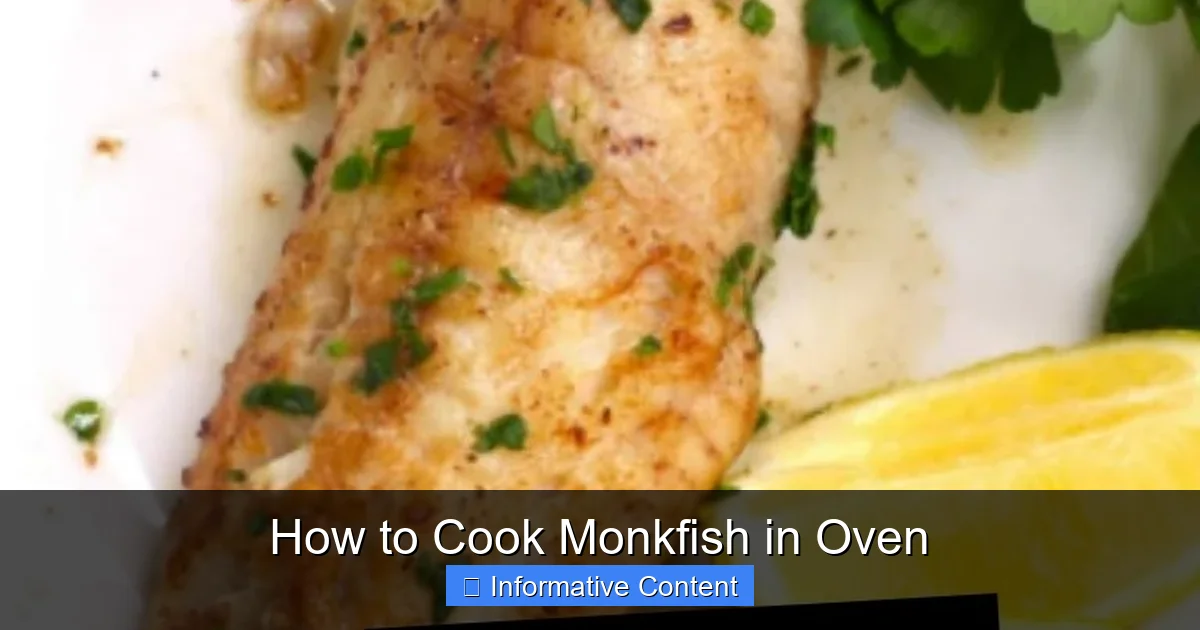
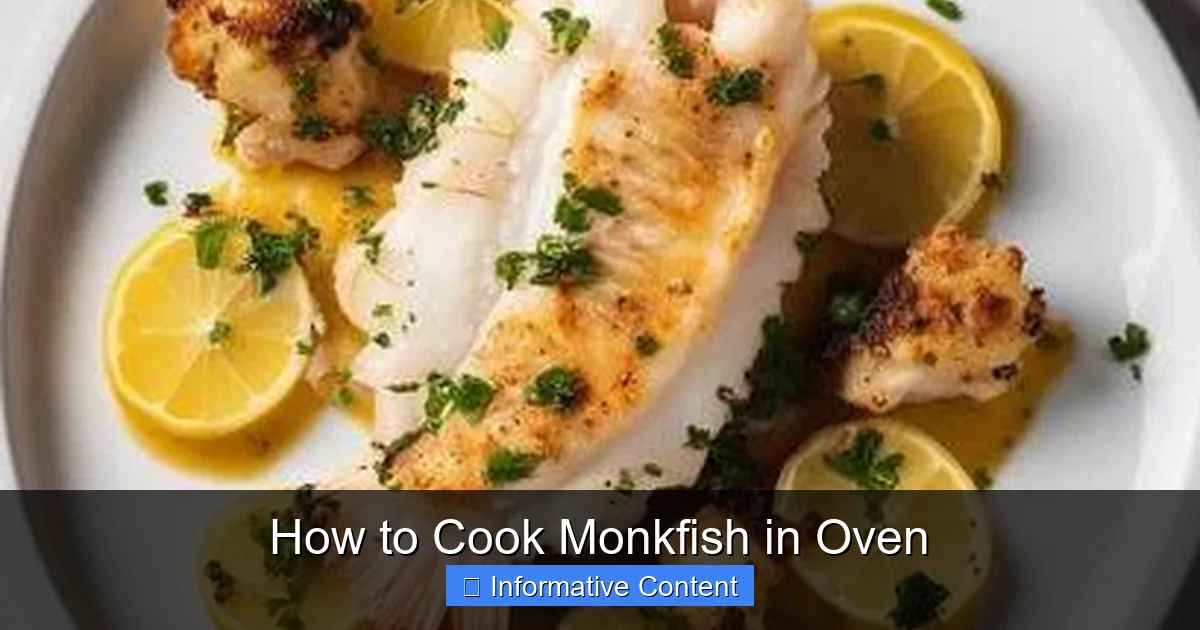
Visual guide about How to Cook Monkfish in Oven
Image source: howtocookguides.com
How to Clean Monkfish
Monkfish comes with a few parts that need to be removed before cooking. The most important step is taking off the dark membrane that runs along the top of the fillet. This membrane is tough and can give the fish a rubbery texture if left on. Use a sharp knife to gently lift and peel it away. You’ll also notice a thin, silvery skin on the surface—this should be removed as well. Simply score the skin with your knife and peel it off like you would with salmon.
Trimming and Portioning
Once the membrane and skin are removed, check for any remaining cartilage or tough bits. Trim them off with kitchen shears. If your monkfish fillet is very thick, consider cutting it into smaller, even-sized pieces. This ensures even cooking and makes it easier to serve. For best results, pat the fish dry with paper towels before seasoning—this helps the seasoning stick and promotes better browning in the oven.
Seasoning and Flavoring Monkfish
Monkfish has a mild flavor, which means it’s a blank canvas for your favorite seasonings. The key is to build layers of flavor without overpowering the fish. A simple combination of olive oil, salt, pepper, garlic, and lemon zest can work wonders. For a Mediterranean twist, add fresh herbs like thyme, rosemary, or parsley. If you like a bit of heat, a pinch of red pepper flakes or a drizzle of chili oil can add a nice kick.
Marinating Tips
While monkfish doesn’t require a long marinade, a quick 15–30 minute soak in flavored oil can enhance its taste. Try mixing olive oil with minced garlic, lemon juice, and a teaspoon of Dijon mustard. This not only adds flavor but also helps keep the fish moist during roasting. Avoid acidic marinades (like those with vinegar or citrus juice) for longer than 30 minutes, as they can start to “cook” the fish and alter its texture.
Herb and Spice Combinations
Here are a few flavor profiles to inspire your seasoning:
- Mediterranean: Olive oil, garlic, lemon zest, oregano, and a sprinkle of capers.
- Garlic-Herb Butter: Melted butter mixed with chopped parsley, chives, and roasted garlic.
- Spicy-Sweet: Smoked paprika, brown sugar, cayenne, and a touch of honey.
- Asian-Inspired: Soy sauce, ginger, sesame oil, and a splash of rice vinegar.
No matter which blend you choose, make sure to coat the fish evenly on all sides. For extra flavor, you can also stuff the seasoning under the fish or place herb sprigs directly on top before baking.
Step-by-Step Guide to Cooking Monkfish in Oven
Now that your monkfish is prepped and seasoned, it’s time to cook. The oven method is simple, reliable, and delivers consistently delicious results. Here’s exactly how to do it:
Preheat and Prep the Pan
Start by preheating your oven to 375°F (190°C). This temperature is ideal—it’s hot enough to cook the fish through without drying it out. While the oven heats, prepare your baking dish. Use a shallow pan or baking sheet lined with parchment paper or lightly greased with oil. This prevents sticking and makes cleanup a breeze.
Arrange the Fish
Place the seasoned monkfish fillets in the pan, leaving a little space between each piece. This allows hot air to circulate and ensures even cooking. If you’re adding vegetables (like cherry tomatoes, zucchini, or bell peppers), arrange them around the fish. They’ll absorb the fish’s juices and become deliciously caramelized.
Bake and Monitor
Pop the pan into the preheated oven and bake for 20–25 minutes. The exact time will depend on the thickness of your fillets. A good rule of thumb is 10 minutes per inch of thickness. To check for doneness, insert a meat thermometer into the thickest part of the fish. It should read 145°F (63°C). Alternatively, you can gently flake the fish with a fork—it should separate easily and appear opaque throughout.
Rest Before Serving
Once cooked, remove the monkfish from the oven and let it rest for 5–10 minutes. This step is crucial—it allows the juices to redistribute, resulting in a moister, more tender bite. Resist the urge to slice it immediately. Instead, cover it loosely with foil and let it relax. This small pause makes a big difference in the final texture.
Serving Suggestions and Pairings
Monkfish’s rich, meaty texture makes it a standout main course. It pairs beautifully with a variety of sides, so feel free to get creative. For a classic combo, serve it over creamy mashed potatoes or buttery risotto. The richness of the potatoes complements the fish’s savory notes perfectly.
Vegetable Sides
Roasted vegetables are a natural match. Try tossing carrots, Brussels sprouts, or asparagus with olive oil, salt, and pepper, then roasting them alongside the monkfish. The shared cooking time means less cleanup and more flavor infusion. A simple green salad with a lemon vinaigrette also works well—it adds brightness and cuts through the fish’s richness.
Sauces and Toppings
Elevate your dish with a flavorful sauce. A lemon-butter sauce, made by melting butter with lemon juice, garlic, and fresh herbs, is a timeless choice. For something bolder, try a salsa verde or a creamy dill sauce. You can also top the baked monkfish with crispy breadcrumbs or toasted almonds for added texture.
Beverage Pairings
When it comes to drinks, white wines like Sauvignon Blanc or Chardonnay pair beautifully with monkfish. Their crisp acidity balances the fish’s richness. If you prefer non-alcoholic options, a sparkling water with a twist of lemon or a chilled herbal iced tea can be refreshing.
Common Mistakes to Avoid
Even with the best intentions, it’s easy to make small mistakes when cooking monkfish. The most common pitfall? Overcooking. Because monkfish is so firm, it’s tempting to leave it in the oven longer than needed. But once it passes 145°F, it starts to dry out and become tough. Always use a thermometer to check doneness.
Another mistake is skipping the prep step. Leaving the membrane or skin on can ruin the texture, making the fish chewy and unpleasant. Take the time to clean it properly—it only takes a few minutes and makes a huge difference.
Finally, don’t be shy with seasoning. Monkfish won’t taste like much on its own, so don’t rely solely on salt and pepper. Build flavor with herbs, acids, and fats. A well-seasoned monkfish dish is a memorable one.
Conclusion
Learning how to cook monkfish in oven is a game-changer for anyone who loves seafood but wants something different from salmon or tuna. With its lobster-like texture and ability to absorb bold flavors, monkfish is a versatile, impressive ingredient that’s easier to prepare than you might think. From proper prep to perfect seasoning and precise cooking times, this guide gives you everything you need to succeed.
So the next time you’re at the fish market, don’t overlook the monkfish. Grab a fillet, fire up your oven, and treat yourself to a meal that’s both elegant and satisfying. Whether you’re cooking for a special occasion or just a weeknight dinner, monkfish delivers flavor and flair without the fuss.
Frequently Asked Questions
What temperature should monkfish be cooked to?
Monkfish should be cooked to an internal temperature of 145°F (63°C). Use a meat thermometer inserted into the thickest part to check doneness.
Can I bake monkfish with skin on?
It’s best to remove the silvery skin before baking, as it can become tough and chewy. The dark membrane should also be removed for optimal texture.
How do I know if monkfish is fresh?
Fresh monkfish should have firm, moist flesh with a clean, ocean-like smell. Avoid fish that smells overly fishy or has a slimy surface.
Can I marinate monkfish overnight?
It’s not recommended to marinate monkfish for more than 30 minutes, especially in acidic ingredients. Prolonged marinating can alter its texture.
What sides go well with baked monkfish?
Monkfish pairs well with mashed potatoes, roasted vegetables, risotto, or a fresh green salad. Creamy or citrus-based sauces also complement it nicely.
Is monkfish sustainable?
Monkfish sustainability varies by region. Look for certifications like MSC (Marine Stewardship Council) or ask your fishmonger about sourcing to make an eco-friendly choice.