How to Cure Powder Coat Without Oven
Discover practical, oven-free methods to cure powder coat using heat lamps, propane torches, or stovetops. Perfect for DIYers and small projects, these techniques deliver durable, professional finishes without expensive equipment.
Key Takeaways
- Heat lamps are effective for small parts: Use infrared or ceramic heat lamps to gradually cure powder coat on metal surfaces without an oven.
- Propane torches work for spot curing: Ideal for touch-ups or small areas, but require careful control to avoid burning the coating.
- Stovetops can cure flat items: Suitable for small, flat metal pieces like brackets or signs when monitored closely.
- Temperature control is critical: Most powder coatings require 350°F–400°F (177°C–204°C) for proper curing—use an infrared thermometer to monitor.
- Ventilation and safety matter: Always work in a well-ventilated area and wear protective gear when using open flames or high heat.
- Not all powders are oven-free friendly: Check manufacturer specs—some specialty powders require precise oven curing for full durability.
- Patience improves results: Slow, even heating prevents bubbling, discoloration, or incomplete curing.
Quick Answers to Common Questions
Can you cure powder coat with a heat gun?
Yes, but it’s tricky. Heat guns can work for very small areas, but they often blow powder away before it cures. Use low airflow and keep the gun moving to avoid hot spots.
How long does it take to cure powder coat without an oven?
Typically 10–20 minutes at 350°F–400°F (177°C–204°C), depending on the powder type and part thickness. Monitor with a thermometer for accuracy.
Will powder coat cure at room temperature?
No. Powder coating requires heat to melt and chemically cure. Room temperature will not activate the cross-linking process.
Can I use a toaster oven to cure powder coat?
Yes, if it can reach and maintain 375°F (190°C) and you remove any non-metal parts. Monitor closely and ensure proper ventilation.
What happens if powder coat isn’t fully cured?
It will appear chalky, soft, or prone to scratching. The coating won’t achieve full hardness or durability, reducing its lifespan.
📑 Table of Contents
- Introduction: Why Cure Powder Coat Without an Oven?
- Understanding How Powder Coating Cures
- Method 1: Using Heat Lamps for Curing
- Method 2: Curing with a Propane Torch
- Method 3: Using a Stovetop or Hot Plate
- Method 4: DIY Heat Box or Reflector Setup
- Tips for Success and Common Mistakes to Avoid
- Conclusion: Achieving Professional Results Without an Oven
Introduction: Why Cure Powder Coat Without an Oven?
Powder coating is a popular finishing method known for its durability, vibrant colors, and resistance to chipping, scratching, and fading. Traditionally, curing powder coat requires a convection or infrared oven that reaches temperatures between 350°F and 400°F (177°C–204°C). But what if you don’t have access to an oven? Maybe you’re a DIY enthusiast working in a garage, a small business owner with limited equipment, or simply tackling a one-off project. The good news? You can still achieve a professional-looking, long-lasting finish without a dedicated powder coating oven.
While ovens provide the most consistent and reliable curing environment, alternative methods can work surprisingly well—especially for small parts, repairs, or experimental projects. From heat lamps to kitchen stovetops, creative solutions exist that leverage everyday tools and careful technique. This guide walks you through safe, effective ways to cure powder coat without an oven, helping you save money and still get excellent results.
Understanding How Powder Coating Cures
Before diving into alternative curing methods, it’s important to understand what happens during the curing process. Powder coating isn’t just paint—it’s a dry, thermoplastic or thermoset polymer powder that’s electrostatically applied to a grounded metal surface. Once coated, the part must be heated so the powder melts, flows, and chemically cross-links into a hard, smooth finish.
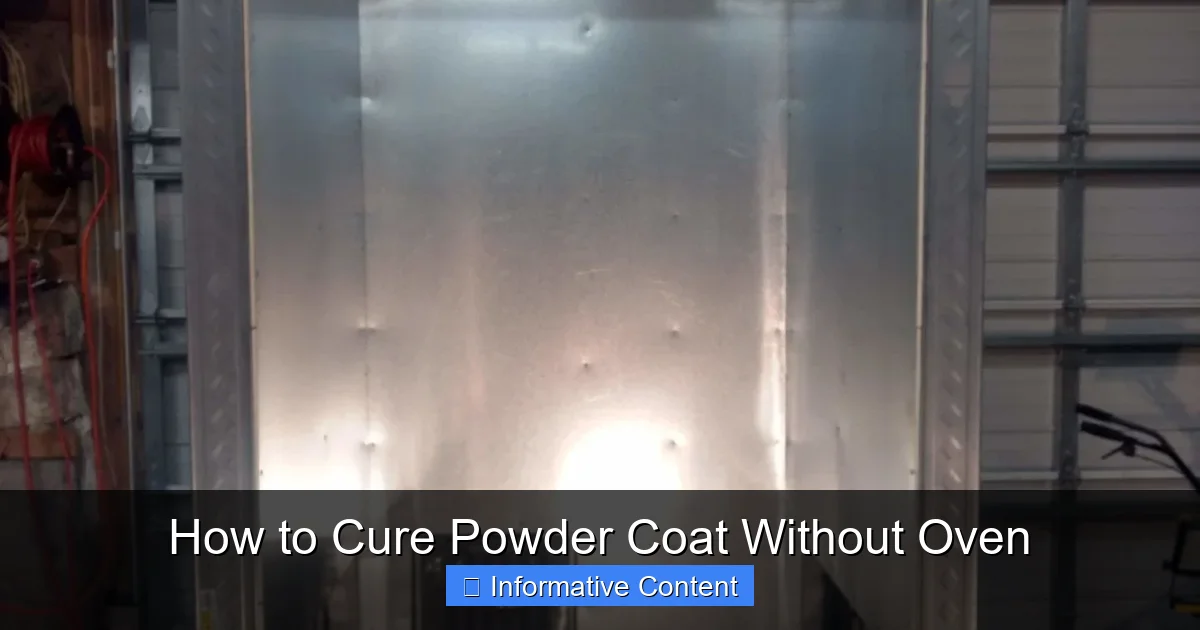
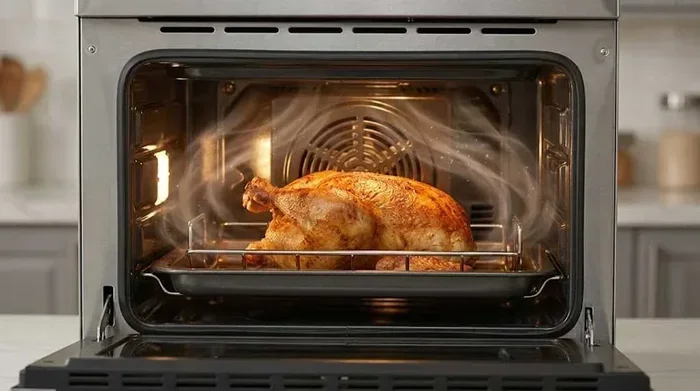
Visual guide about How to Cure Powder Coat Without Oven
Image source: forum.ih8mud.com
Why Temperature Matters
Most powder coatings require a specific temperature range—typically 350°F to 400°F (177°C–204°C)—held for 10 to 20 minutes. This heat triggers a chemical reaction called cross-linking, which gives the coating its strength, adhesion, and weather resistance. If the temperature is too low, the powder won’t fully melt or cure, resulting in a weak, chalky finish. If it’s too high or applied too quickly, the coating can burn, bubble, or discolor.
Time and Even Heating Are Key
Even more than temperature, consistent and even heating is crucial. Hot spots can cause uneven curing, while cold spots leave uncured powder. That’s why industrial ovens are ideal—they circulate hot air evenly. But with the right tools and attention to detail, you can replicate this effect using household or workshop equipment.
Method 1: Using Heat Lamps for Curing
One of the most accessible and effective ways to cure powder coat without an oven is using heat lamps. Infrared or ceramic heat lamps are commonly used in reptile enclosures, food warmers, or industrial applications—and they work great for small powder coating projects.
Choosing the Right Heat Lamp
Look for infrared heat lamps rated between 250 to 500 watts. Ceramic emitters are a great choice because they provide steady, radiant heat without visible light, reducing the risk of overheating. Avoid standard incandescent bulbs—they don’t generate enough focused heat.
Setting Up Your Curing Station
Mount the heat lamp securely above your workpiece using a stand or clamp. Position it 8 to 12 inches away from the surface, depending on the wattage and desired temperature. Use a reflective surface (like aluminum foil or a baking sheet) underneath the part to help distribute heat evenly.
Monitoring Temperature and Time
Use an infrared thermometer to check the surface temperature regularly. Aim for 375°F (190°C) and maintain it for 15–20 minutes. Rotate or reposition the part if needed to ensure even exposure. For example, if you’re curing a small bicycle part or a metal sign, rotate it every 5 minutes to prevent hot spots.
Pro Tip: Build a simple insulated box using ceramic fiber board or firebrick to trap heat and improve efficiency. This helps maintain consistent temperatures and reduces energy loss.
Method 2: Curing with a Propane Torch
A propane torch is a handy tool for spot curing or repairing small areas of powder coat. While not ideal for large or complex parts, it’s perfect for touch-ups, small brackets, or intricate designs where full oven curing isn’t practical.
How to Use a Torch Safely
Use a medium-sized propane torch with adjustable flame control. Keep the flame moving in slow, circular motions to avoid concentrating heat in one spot. Hold the torch 4 to 6 inches away from the surface and watch for the powder to melt and flow smoothly.
Signs of Proper Curing
As the powder heats, it will transition from a dry, granular texture to a glossy, smooth finish. This usually takes 1–3 minutes per small area. If the coating starts to smoke, bubble, or turn brown, you’ve overheated it—back off immediately.
Best Use Cases
This method works well for repairing chips, curing small hardware like bolts or hinges, or finishing detailed parts like motorcycle components. For example, if you’ve powder coated a set of custom valve covers, use the torch to carefully cure hard-to-reach areas after oven-curing the main surfaces.
Safety Note: Always wear heat-resistant gloves and safety goggles. Work in a well-ventilated area and keep a fire extinguisher nearby.
Method 3: Using a Stovetop or Hot Plate
Believe it or not, your kitchen stove can be used to cure powder coat—on small, flat metal items. This method is best for parts that can sit directly on a burner, such as metal signs, small brackets, or flat panels.
Preparing the Surface
Clean the stovetop thoroughly to avoid contaminating the powder coat. Place a layer of aluminum foil or a silicone baking mat on the burner to protect both the stove and the workpiece. Never place the metal directly on a gas flame—it can cause uneven heating or scorching.
Controlling Heat and Time
Set your stove to medium heat and allow it to warm up gradually. Place the coated item on the foil and monitor the temperature with an infrared thermometer. Aim for 375°F (190°C) and maintain it for 15–20 minutes. Rotate the piece if one side heats faster.
Limitations and Tips
This method only works for flat, heat-safe items that won’t warp or melt. Avoid using non-stick pans or delicate cookware. Also, never leave the stove unattended—kitchen stoves aren’t designed for prolonged high-heat use like industrial ovens.
Example: A DIYer once cured a custom aluminum license plate frame on their gas stove. They used a thermometer to monitor temperature and rotated the frame every 5 minutes. The result? A smooth, durable finish that’s held up for over two years.
Method 4: DIY Heat Box or Reflector Setup
For more consistent results, consider building a simple heat box using reflective materials and a heat source. This DIY approach mimics an oven by trapping and distributing heat evenly.
Building Your Heat Box
Use a cardboard box lined with aluminum foil or a metal toolbox with reflective interior surfaces. Place your heat lamp or hot plate inside and position the coated part in the center. The reflective walls help bounce heat onto all sides of the object.
Improving Efficiency
Add insulation like fiberglass batting or ceramic wool around the box to retain heat. Use a digital thermostat or temperature controller to automate the process and prevent overheating. Some DIYers even repurpose old toaster ovens or electric grills by removing timers and adding external temperature monitoring.
Real-World Example
A hobbyist built a curing box using an old microwave cart, lined it with foil, and mounted a 500-watt ceramic heater. They cured small motorcycle parts with excellent results—smooth finish, no burning, and full adhesion.
Tips for Success and Common Mistakes to Avoid
Even with the right tools, curing powder coat without an oven requires attention to detail. Here are some best practices and pitfalls to watch out for.
Use an Infrared Thermometer
Never guess the temperature. An infrared thermometer (under $30 online) is essential for monitoring surface heat accurately. Check multiple spots, especially on larger or irregular parts.
Preheat the Metal
Cold metal absorbs heat quickly, which can lower the effective curing temperature. Preheat the part slightly before applying powder, or allow extra time for the surface to reach the target temperature.
Avoid Rapid Heating
Sudden temperature spikes can cause bubbling or outgassing. Heat the part gradually—ramp up to curing temperature over 5–10 minutes instead of going straight to full heat.
Know Your Powder Type
Some powders, like low-temperature or specialty formulations, may cure at 250°F–300°F (121°C–149°C), making them more suitable for alternative methods. Always check the manufacturer’s data sheet before starting.
Don’t Rush the Cool-Down
After curing, let the part cool naturally. Quenching or rapid cooling can cause cracking or delamination, especially on thick coatings.
Conclusion: Achieving Professional Results Without an Oven
Curing powder coat without an oven is not only possible—it can be highly effective when done correctly. Whether you’re using heat lamps, torches, stovetops, or a DIY heat box, the key is controlling temperature, ensuring even heating, and following safety guidelines. These methods open up powder coating to hobbyists, small shops, and anyone looking to add a durable, professional finish to metal parts without investing in expensive equipment.
While oven curing remains the gold standard for consistency and reliability, alternative techniques offer flexibility and creativity. With practice and patience, you can achieve finishes that rival industrial results—right from your garage or workshop. So grab your heat lamp, check your thermometer, and start coating with confidence.
Frequently Asked Questions
What temperature do I need to cure powder coat?
Most powder coatings require 350°F to 400°F (177°C–204°C) for proper curing. Always check the manufacturer’s specifications, as some low-temp powders cure at 250°F–300°F.
Can I cure powder coat with sunlight?
No, sunlight does not provide consistent or sufficient heat. Even on hot days, surface temperatures rarely reach the required 350°F+, and UV exposure won’t trigger the chemical cure.
Is it safe to cure powder coat indoors?
Only with proper ventilation and safety measures. Use fans, open windows, and avoid enclosed spaces. Fumes from curing can be harmful if inhaled in large amounts.
Can I cure multiple small parts at once?
Yes, as long as they fit in your heat source and receive even heating. Avoid overcrowding, which can block heat flow and cause uneven curing.
What tools do I need to cure powder coat without an oven?
Essential tools include a heat source (lamp, torch, or stove), an infrared thermometer, heat-resistant gloves, safety goggles, and a reflective or insulated setup for even heating.
Will alternative curing methods weaken the coating?
If done correctly—maintaining proper temperature and time—alternative methods produce coatings just as strong as oven-cured ones. Inconsistent heating is the main risk, not the method itself.