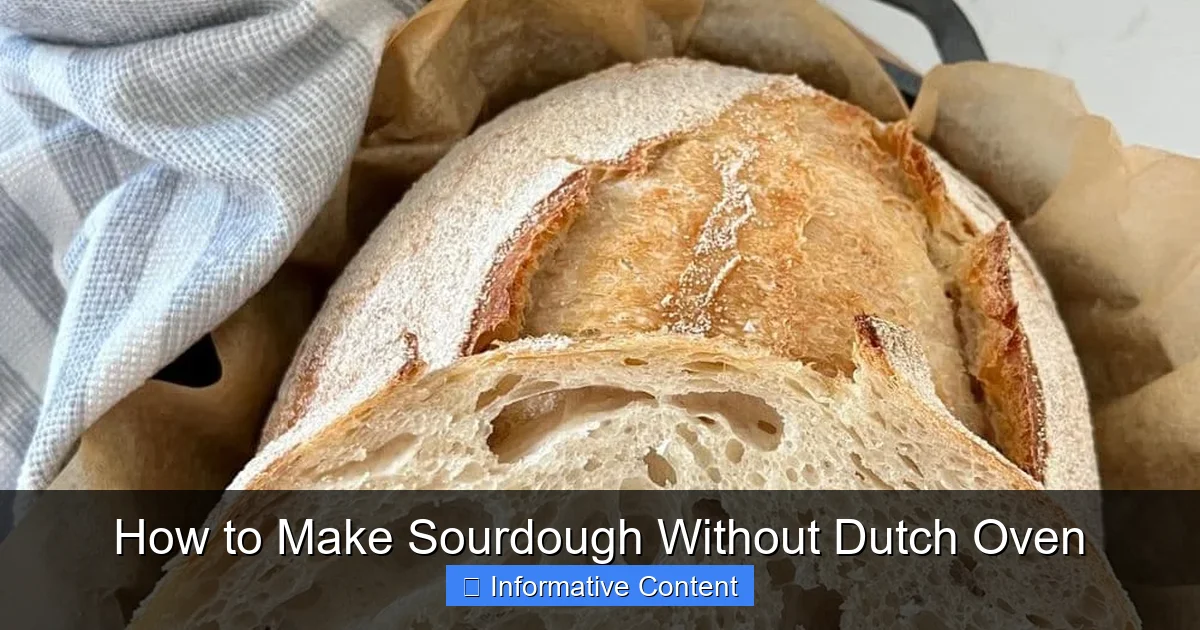
How to Make Sourdough Without Dutch Oven
You don’t need a Dutch oven to bake amazing sourdough bread. With a few clever kitchen hacks—like using a baking stone, steam trays, or even a cast iron skillet—you can achieve that coveted crispy crust and open crumb at home. This guide walks you through every step, from shaping to scoring, so you can bake bakery-quality sourdough without special equipment.
So, you’ve been dreaming of baking your own sourdough loaf—golden crust, tangy flavor, and those beautiful airy holes inside. But then you see recipes calling for a Dutch oven and think, “I don’t have one of those.” Don’t worry. You don’t need fancy equipment to make incredible sourdough bread at home.
The truth is, a Dutch oven is helpful—but not essential. It creates a sealed environment that traps steam, helping the dough rise fully and develop a crisp crust. But with a little creativity, you can replicate those conditions using tools you probably already own. Whether you’re using a baking sheet, a cast iron skillet, or even a simple metal bowl, you can still achieve professional-looking results.
In this guide, we’ll walk you through how to make sourdough without Dutch oven, step by step. You’ll learn how to generate steam, manage heat, and shape your loaf for maximum oven spring—all without spending extra money on specialty gear. Let’s get baking!
Key Takeaways
- You don’t need a Dutch oven to bake great sourdough: Common kitchen tools can create the steam and heat needed for a perfect rise and crust.
- Steam is essential for oven spring: Mimicking a professional steam-injected oven helps the dough expand before the crust sets.
- A baking stone or steel improves heat transfer: Placing your loaf on a preheated surface gives a crispier bottom crust.
- Cast iron skillets work as mini steam chambers: Inverted skillets or lids can trap moisture around your loaf.
- Timing and scoring matter just as much as equipment: Proper shaping and a sharp blade ensure even expansion during baking.
- Experiment with different setups: Try foil tents, broiler pans, or ceramic baking dishes to find what works best in your kitchen.
- Patience leads to better results: Even without a Dutch oven, a well-fed starter and proper fermentation make all the difference.
Quick Answers to Common Questions
Can I bake sourdough on a regular baking sheet?
Yes, but it won’t give you the same crispy bottom crust. For better results, place a baking stone or steel underneath or use a cast iron skillet to improve heat conduction.
How long should I bake sourdough without a Dutch oven?
Bake at 475°F (245°C) for 20 minutes with steam, then reduce to 450°F (230°C) and bake another 20–25 minutes until deeply golden.
What if my crust is too soft?
This usually means not enough steam early on or too much moisture later. Ensure you generate steam in the first 15–20 minutes, then vent the oven to crisp the crust.
Can I use a glass dish instead of a Dutch oven?
Yes, but avoid sudden temperature changes. Preheat the glass dish and don’t add cold water directly to it, as it may crack.
Do I need to score the dough if I’m not using a Dutch oven?
Yes! Scoring controls how the loaf expands. Without it, the bread may burst unevenly or not rise properly.
📑 Table of Contents
Why Steam Matters in Sourdough Baking
Steam plays a crucial role in sourdough baking. During the first 15–20 minutes of baking, the dough needs moisture to keep the surface soft. This allows the loaf to expand freely—a process called “oven spring.” Without steam, the crust forms too quickly, limiting rise and resulting in a denser, tougher loaf.
In professional bakeries, ovens are equipped with steam injectors. At home, a Dutch oven mimics this by trapping moisture released from the dough. But you can create the same effect using everyday items. The key is to introduce steam early in the bake and maintain it long enough for the dough to fully expand.
How Steam Affects Crust and Crumb
When steam surrounds the dough, it delays crust formation. This gives the yeast and lactic acid bacteria more time to produce gas, creating those lovely air pockets. Once the steam dissipates, the crust begins to brown and crisp up. The result? A loaf with a tender, chewy interior and a satisfying crunch on the outside.
Without steam, the crust hardens too soon. The bread doesn’t rise as much, and the crumb can turn tight and gummy. That’s why even small amounts of added moisture—like a tray of boiling water or a spritz from a spray bottle—can make a big difference.
Alternative Tools to Replace a Dutch Oven
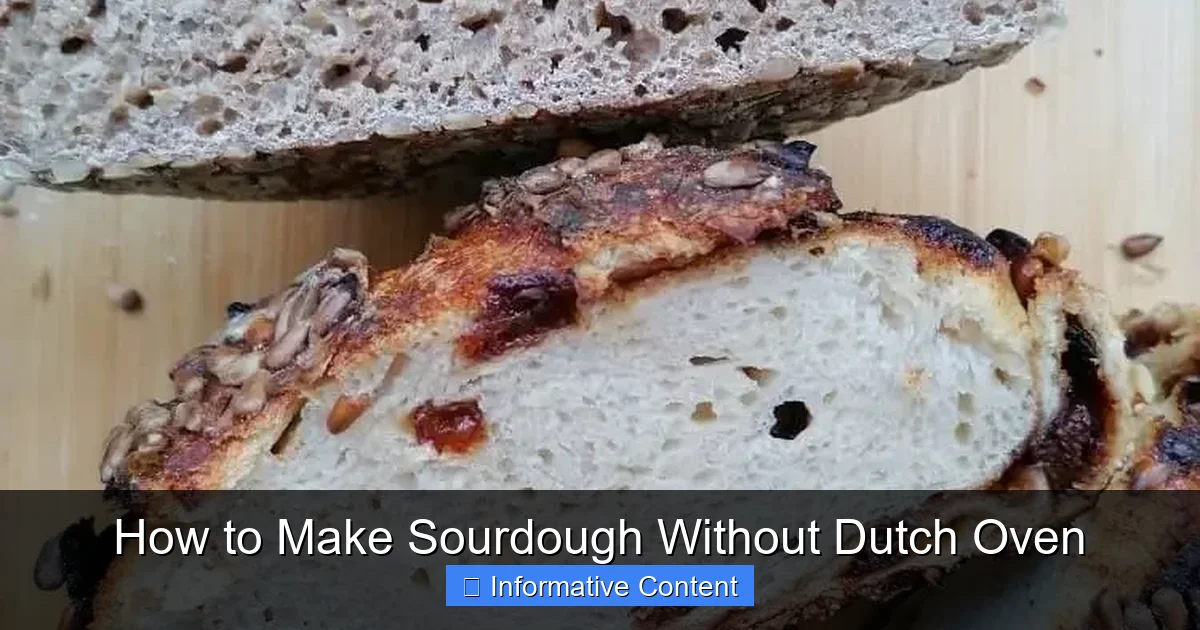
Visual guide about How to Make Sourdough Without Dutch Oven
Image source: pantrymama.com
You don’t need to invest in a Dutch oven to bake great sourdough. Here are several effective alternatives that work just as well—if not better—in some cases.
Baking Stone or Steel
A baking stone or steel is one of the best investments for home bakers. These dense, heat-retaining surfaces sit in your oven and mimic the floor of a professional deck oven. Preheat them for at least 30 minutes before baking. When you slide your loaf onto the hot surface, it instantly begins to cook from the bottom, promoting even browning and a crisp crust.
To use a baking stone without a Dutch oven, place it on the middle or lower rack. Bake your sourdough directly on the stone, and use a steam-generating method (like a preheated tray of water) on a lower rack.
Cast Iron Skillet or Lid
A heavy cast iron skillet can act as a mini Dutch oven. Preheat the skillet in the oven, then carefully invert it over your loaf during the first half of baking. The lid traps steam and creates a humid environment, helping the dough rise.
Alternatively, place your shaped sourdough in a preheated cast iron skillet (lined with parchment for easy removal). The skillet conducts heat well and can help develop a golden bottom crust. Just remember to add steam—either by spraying the oven walls or placing a hot water tray below.
Ceramic or Stoneware Baking Dishes
Deep ceramic or stoneware dishes—like casserole pans or pie plates—can also be used to trap steam. Preheat the dish, then place your loaf inside and cover it with an inverted lid or another dish. This creates a covered environment similar to a Dutch oven.
These dishes are especially useful if you’re baking smaller loaves or batards. Just ensure the covering is heat-safe and fits snugly to prevent steam from escaping.
Creating Steam Without a Dutch Oven
Steam is the secret weapon in sourdough baking. Here’s how to generate it using simple kitchen tools.
Boiling Water in a Tray
One of the easiest methods is to place a heat-safe metal tray or broiler pan on the bottom rack of your oven. About 5 minutes before baking, pour boiling water into the tray. The hot water will instantly create steam as the oven heats up.
For best results, use a tray that can withstand high heat—avoid glass or plastic. Cast iron, stainless steel, or aluminum broiler pans work well. Be careful when opening the oven door to add water—steam can escape quickly.
Spraying the Oven Walls
Another quick trick is to spray the inside walls of your oven with water using a spray bottle. Do this just before placing your loaf in and again 5–10 minutes into the bake. The water hits the hot walls and turns to steam, creating a humid environment.
This method works best when combined with a baking stone or steel. Just avoid spraying the oven light or heating elements directly.
Using Ice Cubes
If you don’t have a kettle or spray bottle, ice cubes can also generate steam. Place a few ice cubes in a preheated metal tray at the start of baking. As they melt and evaporate, they release moisture into the oven.
This method is less precise but still effective. Just make sure the tray is hot enough to vaporize the ice quickly—otherwise, you’ll just get a puddle of water.
Step-by-Step Guide to Baking Sourdough Without Dutch Oven
Now that you know the tools and steam techniques, let’s walk through the full baking process.
1. Prepare Your Dough
Start with a mature, active sourdough starter. Mix your dough the night before or early in the day, following a standard sourdough recipe (typically 100g starter, 500g flour, 350g water, 10g salt). Perform a series of stretch-and-folds during the bulk fermentation, then let the dough rise until puffy and bubbly.
Shape your dough into a round (boule) or oval (batard), then place it seam-side up in a floured banneton or bowl lined with a kitchen towel. Cold-proof in the fridge for 8–12 hours (or overnight) to develop flavor and make scoring easier.
2. Preheat Your Oven and Tools
About 45 minutes before baking, preheat your oven to 475°F (245°C). Place your baking stone, steel, or cast iron skillet on the middle rack. If using a steam tray, place it on the bottom rack.
Let everything heat up thoroughly—this ensures even baking and maximum oven spring.
3. Score and Load the Dough
Remove the dough from the fridge. Gently turn it out onto a piece of parchment paper. Use a sharp lame or razor blade to make a shallow cut (about ¼ inch deep) across the top. This controls how the loaf expands in the oven.
Carefully transfer the dough (with the parchment) onto the preheated baking surface. If using a cast iron skillet or covered dish, place the dough inside and cover it immediately.
4. Bake with Steam
Bake for 20 minutes with steam. If using a water tray, keep it in place. If spraying or using ice, apply moisture at the start and again at the 10-minute mark.
After 20 minutes, remove the steam source and any covering. Reduce the oven temperature to 450°F (230°C) and bake for another 20–25 minutes, until the crust is deep golden brown.
5. Cool Completely
Once baked, transfer the loaf to a wire rack. Let it cool for at least 1–2 hours before slicing. Cutting too soon releases steam and can make the crumb gummy.
Tips for Success
Even without a Dutch oven, you can bake sourdough like a pro. Here are a few extra tips to ensure success:
– Use a thermometer: Oven temperatures can vary. An oven thermometer helps you verify accuracy.
– Don’t open the oven too early: Resist the urge to peek during the first 20 minutes. Opening the door releases steam and can collapse your loaf.
– Experiment with steam timing: Some bakers find that 15 minutes of steam is enough. Try different durations to see what works best.
– Keep your starter active: A strong, well-fed starter is the foundation of good sourdough. Feed it regularly and use it when it’s at peak rise.
– Try different flours: Bread flour gives a chewier crumb, while whole wheat adds flavor and density. Mix and match to find your favorite blend.
Common Mistakes to Avoid
Even experienced bakers make mistakes. Here’s what to watch out for:
– Insufficient steam: Without enough moisture, your loaf won’t rise properly. Always include a steam method.
– Underproofing or overproofing: Dough that’s too tight won’t expand; dough that’s too loose will collapse. Look for a jiggly, domed surface before baking.
– Scoring too deeply or too shallowly: A deep cut can cause the loaf to tear; a shallow one may not open at all. Aim for a ¼-inch cut at a 30-degree angle.
– Baking on a cold surface: Always preheat your baking stone or skillet. Cold surfaces lead to uneven baking.
Conclusion
Making sourdough without Dutch oven is not only possible—it’s often easier than you think. With a few smart techniques and tools you already have, you can bake loaves with a crispy crust, open crumb, and rich, tangy flavor. The key is understanding how steam and heat work together to create that perfect rise.
Don’t let the lack of a Dutch oven stop you from baking. Whether you’re using a baking stone, cast iron skillet, or even a simple tray of water, you’re fully capable of making sourdough that rivals any bakery. So feed your starter, shape your dough, and get baking—your perfect loaf is just one oven preheat away.
Frequently Asked Questions
What’s the best alternative to a Dutch oven for sourdough?
A preheated baking stone or steel is the closest alternative. It provides even, intense heat from below, helping develop a crisp crust. Pair it with a steam tray for best results.
How do I know if my sourdough is ready to bake?
After cold-proofing, the dough should feel slightly puffy and jiggle when shaken. Perform the “poke test”: gently press the dough—if it springs back slowly, it’s ready.
Can I bake sourdough in a regular oven without any special tools?
Yes! Use a baking sheet with a tray of boiling water on the rack below. Spray the oven walls with water at the start for extra steam.
Why did my sourdough flatten in the oven?
This is usually due to overproofing or weak gluten structure. Make sure your dough passes the windowpane test and isn’t left to rise too long.
How can I get more oven spring without a Dutch oven?
Focus on steam and heat. Use a preheated surface, generate steam early, and avoid opening the oven during the first 20 minutes of baking.
Is it okay to bake sourdough in a ceramic dish?
Yes, especially if it’s deep and can be covered. Preheat the dish and use a lid or inverted pan to trap steam, mimicking a Dutch oven environment.