
Broiling pork steaks in the oven is a fast, high-heat method that delivers delicious, caramelized results in under 15 minutes. The exact time depends on thickness, but most steaks cook in 6–12 minutes when broiled properly. With the right prep and monitoring, you’ll get tender, safe-to-eat pork every time.
If you’re looking for a quick, flavorful way to cook pork steaks without firing up the grill, broiling in the oven is your secret weapon. This high-heat cooking method uses direct radiant heat from the top of the oven to sear and caramelize the surface of the meat, locking in juices while creating a delicious crust. It’s perfect for weeknight dinners when time is tight, and you still want something tasty and satisfying.
Broiling is especially great for pork steaks because it mimics the intense heat of grilling but keeps things simple and indoor-friendly. Unlike baking, which surrounds food with hot air, broiling applies direct heat from above—similar to a stovetop sear but with more even coverage. This means you get that coveted golden-brown exterior without needing a skillet or constant flipping. Plus, it’s faster than most oven methods, often taking less than 15 minutes from start to finish.
But here’s the catch: timing is everything. Broil too long, and your pork steaks turn dry and tough. Broil too little, and they’re undercooked and unsafe to eat. So, how long to broil pork steaks in the oven? The answer isn’t one-size-fits-all—it depends on thickness, starting temperature, and your broiler’s intensity. In this guide, we’ll walk you through everything you need to know to broil pork steaks perfectly every time, from prep to plating.
Key Takeaways
- Broiling time ranges from 6 to 12 minutes: Thinner steaks (½ inch) cook in 6–8 minutes, while thicker ones (1 inch or more) need 10–12 minutes.
- Use the top oven rack position: Place the broiler pan 4–6 inches below the heating element for even browning and safe cooking.
- Flip steaks halfway through: This ensures even cooking and prevents burning on one side.
- Check internal temperature with a meat thermometer: Pork steaks are safe at 145°F (63°C) with a 3-minute rest.
- Marinate or season ahead of time: Broiling seals in flavor, so prep your steaks with herbs, spices, or marinades for best taste.
- Watch closely to avoid overcooking: Broiling is fast—stay nearby to prevent charring or drying out.
- Let steaks rest after cooking: Resting allows juices to redistribute, keeping the meat moist and tender.
Quick Answers to Common Questions
How long do you broil 1-inch pork steaks?
Broil 1-inch pork steaks for 10–12 minutes total, flipping once after 5–6 minutes. Always check that the internal temperature reaches 145°F.
Should I cover pork steaks when broiling?
No, do not cover pork steaks when broiling. Covering traps steam and prevents browning. Only use foil loosely if the outside is browning too fast.
Can I broil frozen pork steaks?
It’s not recommended. Frozen steaks cook unevenly and take much longer. Thaw them in the fridge overnight for best results.
What rack position is best for broiling pork steaks?
Place the rack 4–6 inches below the broiler element. This provides enough heat to sear without burning.
How do I prevent pork steaks from sticking to the broiler pan?
Use a wire rack or lightly oil the broiler pan. Pat steaks dry before cooking to reduce sticking.
📑 Table of Contents
Understanding Broiling: What It Is and Why It Works
Broiling is a dry-heat cooking method that uses high temperatures—typically between 500°F and 550°F—to quickly cook food from above. The heating element at the top of your oven glows red-hot, radiating intense heat directly onto the surface of the meat. This rapid exposure creates a Maillard reaction, the chemical process that gives browned food its rich, complex flavors and appealing texture.
Unlike grilling, broiling doesn’t require flipping every 30 seconds or managing flare-ups. It’s more controlled and consistent, especially in modern ovens with dedicated broil settings. And because the heat comes from above, it’s ideal for cuts like pork steaks that benefit from a crispy exterior and juicy interior.
Broiling vs. Grilling: Key Differences
While both methods use high heat, broiling happens indoors with radiant heat from above, while grilling uses direct flame or hot coals from below. Broiling is faster and more convenient for most home cooks, especially in colder months or when outdoor grilling isn’t an option. It also reduces the risk of charring too quickly, as you can adjust the rack position to control intensity.
Why Broil Pork Steaks?
Pork steaks—often cut from the shoulder or loin—are moderately tender and benefit from high-heat cooking. Broiling quickly sears the outside, sealing in moisture while developing a flavorful crust. It’s also a great way to cook thicker cuts without drying them out, as long as you monitor the time and temperature carefully.
How Long to Broil Pork Steaks: Timing by Thickness
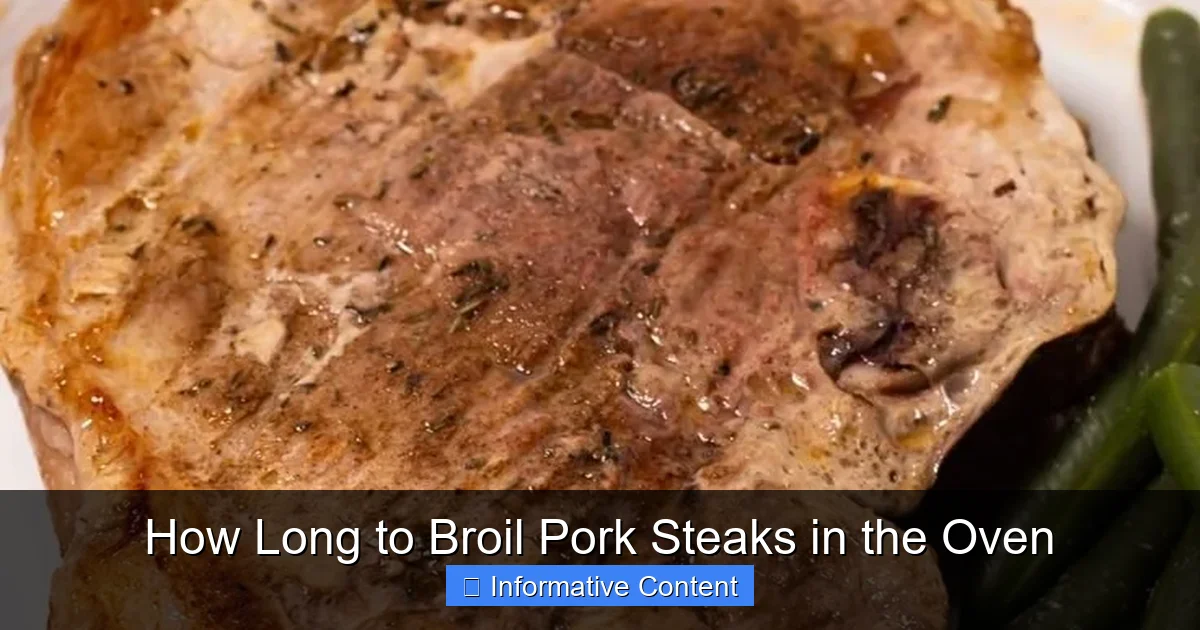
Visual guide about How Long to Broil Pork Steaks in the Oven
Image source: i.pinimg.com
The most important factor in determining how long to broil pork steaks is their thickness. A thin steak cooks much faster than a thick one, and underestimating this can lead to overcooked or undercooked results.
As a general rule:
– ½-inch thick steaks: Broil for 6–8 minutes total (3–4 minutes per side)
– ¾-inch thick steaks: Broil for 8–10 minutes total (4–5 minutes per side)
– 1-inch or thicker steaks: Broil for 10–12 minutes total (5–6 minutes per side)
These times assume the steaks are at room temperature and the broiler is preheated. Cold steaks straight from the fridge will take longer and may cook unevenly.
Example: Broiling a ¾-Inch Pork Steak
Let’s say you have two ¾-inch pork steaks. After preheating the broiler and placing the rack 5 inches below the element, you lay the steaks on a broiler pan. You broil the first side for 4 minutes, then flip and broil the second side for another 4–5 minutes. Total time: about 8–9 minutes. Use a meat thermometer to check—when the internal temperature reaches 145°F, they’re done.
Adjusting for Your Oven
Not all broilers are created equal. Some ovens run hotter or cooler than others. If your steaks are browning too quickly, move the rack down one position. If they’re not browning at all, move it up. Always keep an eye on them—broiling is fast, and a few extra seconds can make a big difference.
Step-by-Step Guide to Broiling Pork Steaks
Follow these simple steps for perfectly broiled pork steaks every time.
Step 1: Prep the Steaks
Take the pork steaks out of the fridge 20–30 minutes before cooking. This allows them to come to room temperature, ensuring even cooking. Pat them dry with paper towels—moisture prevents browning.
Season generously with salt, pepper, garlic powder, smoked paprika, or your favorite rub. For extra flavor, marinate for 30 minutes to 2 hours in a mixture of olive oil, soy sauce, garlic, and herbs.
Step 2: Preheat the Broiler
Turn on the broiler and let it heat up for at least 5–10 minutes. Most ovens have a “high” and “low” broil setting—use “high” for pork steaks. Place the oven rack 4–6 inches below the heating element. This distance provides enough heat to sear without burning.
Step 3: Arrange on a Broiler Pan
Use a broiler pan with a slotted top or a wire rack set inside a baking sheet. This allows fat to drip away, preventing flare-ups and promoting even browning. Lightly oil the rack to prevent sticking.
Step 4: Broil and Flip
Place the steaks on the pan and slide them under the broiler. Broil the first side for half the total cooking time based on thickness. Then, use tongs to flip them and broil the second side. Keep the oven door slightly ajar to prevent temperature drops.
Step 5: Check Temperature and Rest
Insert a meat thermometer into the thickest part of the steak, avoiding bone or fat. When it reads 145°F (63°C), remove the steaks from the oven. Let them rest on a plate or cutting board for 3–5 minutes. This allows the juices to redistribute, keeping the meat moist.
Tips for Juicy, Flavorful Results
Broiling is simple, but a few extra tips can take your pork steaks from good to great.
Use a Meat Thermometer
Guessing doneness is risky. A digital instant-read thermometer is the best tool for ensuring your pork is safe and tender. Insert it sideways into the center of the steak for an accurate reading.
Don’t Overcrowd the Pan
Leave space between steaks so heat can circulate. Overcrowding leads to steaming instead of searing, which results in soggy, unevenly cooked meat.
Add Flavor with a Glaze
In the last 1–2 minutes of broiling, brush the steaks with a glaze made from honey, mustard, soy sauce, or barbecue sauce. The high heat will caramelize the sugars, adding a sweet, sticky crust.
Choose the Right Cut
Pork shoulder steaks (also called blade steaks) are flavorful and forgiving. Pork loin steaks are leaner and cook faster. Both work well with broiling, but adjust timing accordingly.
Safety and Doneness: Cooking Pork to the Right Temperature
Pork has gotten a bad rap in the past for being unsafe unless overcooked, but modern pork is leaner and safer than ever. The USDA recommends cooking pork to an internal temperature of 145°F (63°C), followed by a 3-minute rest. At this temperature, pork is juicy, tender, and safe to eat.
Why 145°F?
This temperature ensures harmful bacteria like Salmonella and E. coli are destroyed, while preserving the meat’s moisture and texture. Going much higher than 145°F risks drying out the pork, especially with broiling’s intense heat.
Signs of Doneness
In addition to temperature, look for these visual cues:
– The exterior is golden brown with slight charring.
– The meat feels firm but springy when pressed.
– Juices run clear when pierced with a fork.
Avoid cutting into the steak to check—this releases precious juices. Use a thermometer instead.
Troubleshooting Common Broiling Problems
Even experienced cooks run into issues. Here’s how to fix the most common broiling mishaps.
Steaks Are Burning
If the outside is charring before the inside is done, move the rack down one position or reduce broiling time by 1–2 minutes per side. You can also cover loosely with foil after flipping to slow browning.
Steaks Are Dry
This usually means overcooking. Stick to the recommended times and use a thermometer. Brining the steaks for 1–2 hours before cooking can also help retain moisture.
Uneven Cooking
Ensure steaks are the same thickness. If one is thicker, fold it under or trim excess fat. Rotate the pan halfway through if your broiler has hot spots.
Conclusion
Broiling pork steaks in the oven is a fast, foolproof way to enjoy tender, flavorful meat with minimal effort. By understanding how long to broil pork steaks—typically 6 to 12 minutes depending on thickness—and following a few key steps, you can achieve restaurant-quality results at home. Remember to preheat, use the right rack position, flip halfway, and always check the internal temperature. With practice, broiling will become one of your go-to cooking methods for juicy, delicious pork steaks any night of the week.
Frequently Asked Questions
What temperature should pork steaks reach when broiling?
Pork steaks are safe to eat when they reach an internal temperature of 145°F (63°C). Let them rest for 3 minutes after removing from the oven.
Can I use a regular baking sheet instead of a broiler pan?
Yes, but use a wire rack on top of the baking sheet. This elevates the steaks and allows fat to drip away, preventing flare-ups and promoting even browning.
How do I know when pork steaks are done without a thermometer?
While a thermometer is best, you can check by pressing the steak—it should feel firm but springy. Juices should run clear when pierced, and the exterior should be golden brown.
Should I marinate pork steaks before broiling?
Marinating is optional but recommended. A 30-minute to 2-hour marinade adds flavor and helps keep the meat moist during high-heat cooking.
Can I broil pork steaks from cold?
It’s better to let them come to room temperature first. Cold steaks cook unevenly and may take longer, increasing the risk of overcooking the outside before the inside is done.
What’s the difference between broiling and baking pork steaks?
Broiling uses direct heat from above to sear and brown the surface quickly, while baking surrounds the food with hot air for slower, more even cooking. Broiling is faster and better for achieving a crispy exterior.