
Cooking a venison roast in the oven is simpler than you think—and the results are incredibly tender and rich in flavor. With the right preparation, slow roasting, and a few key tips, you can turn this lean game meat into a show-stopping centerpiece for your next meal.
Key Takeaways
- Choose the right cut: Opt for well-marbled cuts like the top round or bottom round for the best texture and flavor.
- Marinate for tenderness: Venison benefits from a 12- to 24-hour marinade to break down fibers and add moisture.
- Use a meat thermometer: Cook to an internal temperature of 135°F for medium-rare to avoid dryness.
- Low and slow is key: Roast at 275°F to 325°F to preserve moisture and enhance tenderness.
- Add moisture during cooking: Use broth, wine, or a roasting bag to keep the roast from drying out.
- Rest before slicing: Let the roast rest for 15–20 minutes to allow juices to redistribute.
- Pair with bold flavors: Complement venison’s rich taste with herbs like rosemary, thyme, or juniper berries.
Quick Answers to Common Questions
What’s the best cut of venison for roasting?
The top round, bottom round, or eye of round are ideal for roasting. These cuts are tender when cooked slowly and absorb flavors well.
Should I marinate venison before roasting?
Yes! Marinating for 12–24 hours helps tenderize the meat and adds moisture and flavor, especially important for lean venison.
What temperature should I cook venison roast to?
Cook to an internal temperature of 135°F for medium-rare. Use a meat thermometer for accuracy and avoid overcooking.
Can I sear the roast before roasting?
Yes, searing in a hot skillet before roasting adds a rich crust and enhances flavor through the Maillard reaction.
How long should I let the roast rest?
Let the roast rest for 15–20 minutes after cooking. This allows juices to redistribute, ensuring a moist, tender result.
📑 Table of Contents
Why Venison Roast Deserves a Spot on Your Dinner Table
Venison—meat from deer—is a lean, nutrient-rich alternative to beef or pork. It’s high in protein, low in fat, and packed with iron and B vitamins. But despite its health benefits and bold flavor, many home cooks shy away from venison, fearing it will be tough or gamey. The truth? When prepared correctly, a venison roast can be incredibly tender, juicy, and delicious.
One of the best ways to cook venison is in the oven. Roasting allows for even heat distribution, which helps preserve the meat’s natural moisture—especially important since venison lacks the fat marbling found in beef. With a few simple techniques, you can transform a humble cut of venison into a restaurant-quality meal that impresses family and guests alike. Whether you’re a seasoned hunter or just trying venison for the first time, this guide will walk you through every step of cooking a perfect venison roast in the oven.
Choosing the Right Cut of Venison
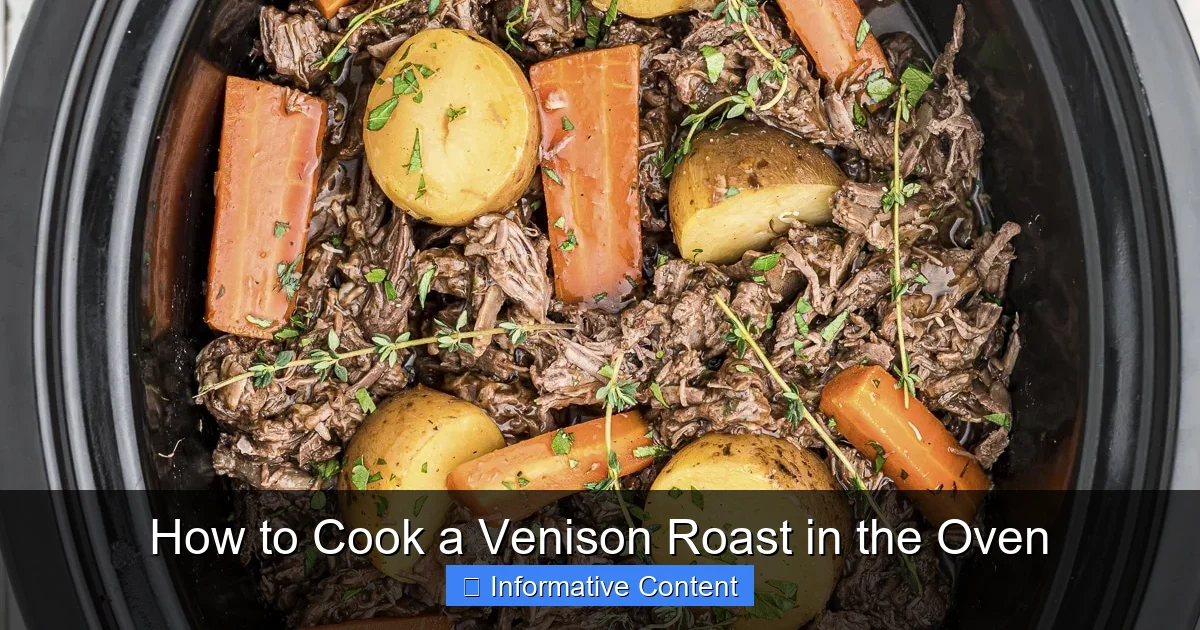
Visual guide about How to Cook a Venison Roast in the Oven
Image source: themagicalslowcooker.com
Not all venison cuts are created equal when it comes to roasting. The ideal roast comes from the hindquarters, specifically the top round, bottom round, or eye of round. These cuts are naturally tender when cooked slowly and absorb flavors beautifully.
Top Round vs. Bottom Round
The top round is slightly more tender and has a finer grain, making it a great choice for roasting. The bottom round is a bit tougher but still excellent when marinated and cooked low and slow. Both are affordable and widely available from butcher shops or hunters.
What to Avoid
Avoid cuts from the shoulder or neck unless you plan to braise them. These areas are better suited for slow-cooked stews or ground meat. Also, steer clear of overly thin or small pieces—they’re more likely to dry out during roasting.
When selecting your roast, look for meat that’s deep red with minimal fat. A little connective tissue is fine, but excessive sinew should be trimmed away before cooking.
Preparing the Venison Roast
Proper preparation is the secret to a tender, flavorful venison roast. Since venison is so lean, it benefits greatly from marination and seasoning.
Trimming and Cleaning
Start by rinsing the roast under cold water and patting it dry with paper towels. Trim any visible silver skin or excess fat—venison fat can have a strong, gamey taste. Use a sharp knife to remove silver skin, which doesn’t break down during cooking and can make the meat chewy.
Marinating for Flavor and Tenderness
Marinating is one of the most effective ways to improve venison’s texture and taste. A good marinade not only adds moisture but also helps break down muscle fibers.
A classic marinade includes:
- 1 cup red wine or beef broth
- ¼ cup olive oil
- 3 cloves garlic, minced
- 1 tablespoon soy sauce
- 1 tablespoon Dijon mustard
- 1 teaspoon dried rosemary
- 1 teaspoon black pepper
Place the roast in a resealable plastic bag or shallow dish, pour the marinade over it, and refrigerate for at least 12 hours—up to 24 hours for deeper flavor. Turn the roast occasionally to ensure even marination.
Bringing to Room Temperature
Before roasting, remove the venison from the fridge and let it sit at room temperature for 30 to 60 minutes. This ensures more even cooking and prevents the center from staying too cold.
Seasoning and Preparing for the Oven
After marinating, it’s time to season and prepare the roast for the oven.
Drying and Seasoning
Pat the roast dry with paper towels—this helps the seasoning stick and promotes better browning. Generously season all sides with salt and pepper. For extra flavor, rub with a blend of dried herbs like thyme, rosemary, and garlic powder.
Optional: Searing for a Crust
While not required, searing the roast in a hot skillet with a little oil before roasting adds depth of flavor and creates a beautiful crust. Heat 1–2 tablespoons of oil over medium-high heat, then sear each side for 2–3 minutes until golden brown. This step locks in juices and enhances the Maillard reaction—the chemical process that gives roasted meat its rich, savory taste.
Roasting the Venison Roast
Now comes the main event: cooking the venison roast in the oven. The goal is to cook it slowly to preserve moisture and achieve a tender, juicy result.
Oven Temperature and Time
Preheat your oven to 325°F (165°C). This moderate temperature allows the roast to cook evenly without drying out.
Place the roast on a rack in a roasting pan, fat side up if there’s any remaining. This allows any juices to baste the meat as it cooks. Add about 1 cup of beef or vegetable broth to the bottom of the pan to keep the environment moist.
Roast uncovered for approximately 20 minutes per pound. For a 3-pound roast, that’s about 60 minutes. However, time can vary based on the shape and thickness of the cut, so always rely on internal temperature rather than time alone.
Using a Meat Thermometer
The most reliable way to ensure perfect doneness is with a meat thermometer. Insert the probe into the thickest part of the roast, avoiding bone or fat.
For medium-rare (recommended for venison), aim for an internal temperature of 135°F (57°C). The meat will continue to cook slightly as it rests, rising to about 140°F (60°C).
Here’s a quick guide:
- Rare: 120–125°F (49–52°C)
- Medium-rare: 130–135°F (54–57°C)
- Medium: 140–145°F (60–63°C)
Avoid cooking beyond medium, as venison can become dry and tough.
Basting and Moisture Tips
To keep the roast moist, baste it every 20–30 minutes with the pan juices or additional broth. Alternatively, you can cover the roast loosely with foil for the first half of cooking, then remove it to allow browning.
Another option is to use a roasting bag, which traps steam and keeps the meat incredibly tender. Just follow the package instructions and adjust cooking time slightly.
Resting and Serving the Roast
Once the venison roast reaches the desired temperature, remove it from the oven and let it rest. This step is crucial—it allows the juices to redistribute throughout the meat, ensuring every bite is moist and flavorful.
How Long to Rest
Tent the roast loosely with foil and let it rest for 15 to 20 minutes. The internal temperature may rise by 5°F during this time, so account for that when checking doneness.
Slicing Against the Grain
When ready to serve, slice the roast against the grain. Look for the direction of the muscle fibers—they usually run lengthwise—and cut perpendicular to them. This shortens the fibers, making each slice more tender.
Serve thin slices with your favorite sides: roasted vegetables, mashed potatoes, or a rich red wine reduction.
Storing and Reheating Leftovers
Venison roast makes excellent leftovers. Store any unused portions in an airtight container in the refrigerator for up to 3 days. For longer storage, wrap tightly and freeze for up to 3 months.
To reheat, place slices in a skillet with a little broth or water over low heat, or warm gently in the oven at 275°F until heated through. Avoid the microwave if possible, as it can dry out the meat.
Conclusion
Cooking a venison roast in the oven is a rewarding way to enjoy this lean, flavorful meat. With the right cut, a flavorful marinade, and careful roasting, you can create a dish that’s tender, juicy, and full of rich, earthy flavor. Whether you’re cooking for a holiday dinner or a cozy weeknight meal, this method delivers consistent, delicious results.
Don’t let the idea of game meat intimidate you—venison is versatile, healthy, and absolutely worth trying. Follow these steps, trust your thermometer, and savor every bite of your perfectly cooked venison roast.
Frequently Asked Questions
Is venison roast healthy?
Yes, venison is high in protein, low in fat, and rich in iron and B vitamins. It’s a nutritious alternative to beef or pork.
Why does my venison taste gamey?
Gamey flavors often come from fat or improper aging. Trim all fat and silver skin, and use a strong marinade to mellow the taste.
Can I cook venison roast frozen?
It’s not recommended. Thaw the roast completely in the refrigerator before cooking to ensure even roasting and food safety.
What should I serve with venison roast?
Pair with roasted root vegetables, mashed potatoes, or a red wine reduction. Herbs like rosemary and thyme complement the flavor well.
Can I use a slow cooker instead of the oven?
Yes, but roasting in the oven gives better browning and texture. If using a slow cooker, sear first and cook on low for 6–8 hours.
How do I prevent venison from drying out?
Marinate the meat, roast at a moderate temperature, baste regularly, and use a meat thermometer to avoid overcooking.