Cooking frozen scallops in the oven is easier than you think—and delivers restaurant-quality results. With the right method, you can skip thawing and still get a golden crust and tender interior. This guide walks you through every step for foolproof success.
Key Takeaways
- You don’t need to thaw frozen scallops: Cooking them directly from frozen saves time and reduces mess.
- Patience with preheating is key: A properly heated oven ensures even cooking and a nice sear.
- Use a wire rack for best results: Elevating scallops allows hot air to circulate, preventing sogginess.
- Season simply for maximum flavor: Salt, pepper, garlic, and lemon enhance natural sweetness.
- Watch cooking time closely: Overcooked scallops become rubbery—aim for 12–15 minutes depending on size.
- Finish with a broil for color: A quick broil adds a beautiful golden crust without drying them out.
- Serve immediately: Scallops taste best when hot and fresh out of the oven.
Quick Answers to Common Questions
Can I cook frozen scallops without thawing?
Yes! You can cook frozen scallops directly in the oven. Just pat them dry and bake at 425°F for 12–15 minutes.
Do I need to use a wire rack?
A wire rack is recommended but not required. It helps prevent sogginess by allowing air to circulate underneath.
How do I know when scallops are done?
They’re done when they turn opaque and feel firm to the touch. Use a thermometer if needed—aim for 120°F to 125°F.
Can I season scallops before freezing?
It’s best to season just before cooking. Pre-seasoning can draw out moisture and affect texture.
What’s the best way to reheat leftover scallops?
Reheat gently in a 300°F oven for 5–7 minutes or in a skillet with a little butter to avoid drying them out.
📑 Table of Contents
Why Cook Frozen Scallops in the Oven?
If you’ve ever stared into your freezer wondering what to make for dinner, frozen scallops might not be the first thing that comes to mind. But they should be. These sweet, tender mollusks are a seafood lover’s dream—and cooking them straight from frozen in the oven is one of the easiest, most reliable ways to enjoy them.
Unlike shrimp or fish fillets, scallops have a unique texture that turns delightfully firm yet juicy when cooked properly. The oven offers even, consistent heat that helps prevent overcooking, especially when you’re working with frozen ones. Plus, you skip the hassle of thawing, which can be messy and time-consuming. Whether you’re meal prepping, hosting a dinner party, or just craving something fancy on a weeknight, oven-baked frozen scallops are a game-changer.
What You’ll Need
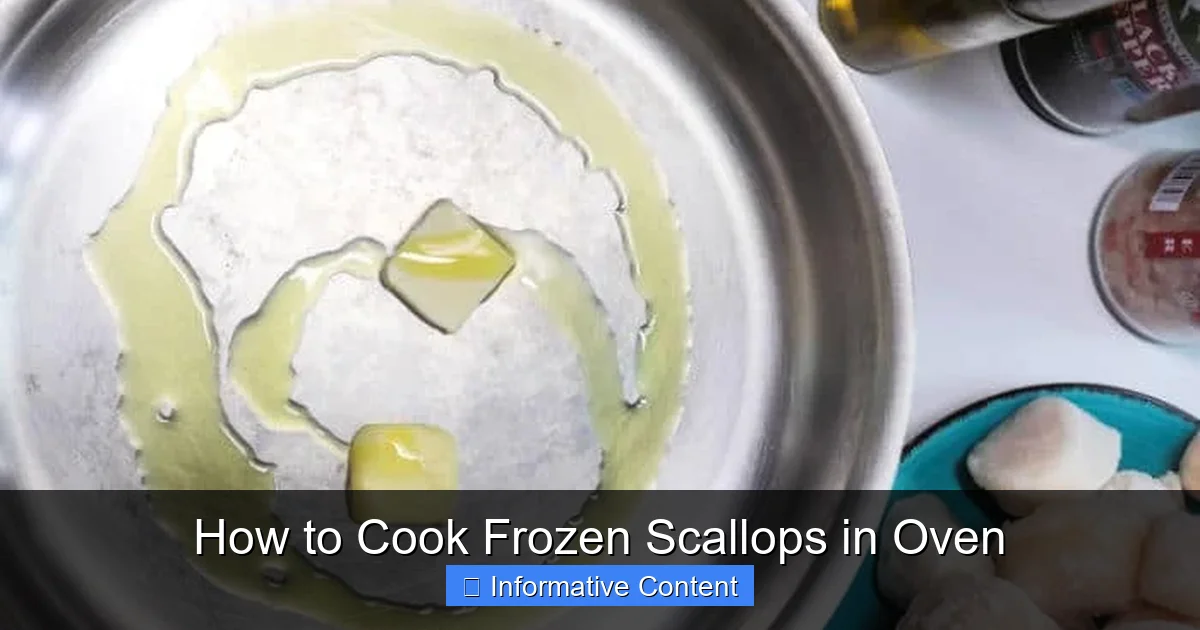
Visual guide about How to Cook Frozen Scallops in Oven
Image source: temeculablogs.com
Before you start, gather your tools and ingredients. You don’t need anything fancy—just a few basics that most kitchens already have.
Essential Equipment
- Baking sheet: A standard rimmed baking sheet works perfectly.
- Wire rack: This is optional but highly recommended. Placing scallops on a rack elevates them, allowing hot air to circulate underneath and preventing them from sitting in moisture.
- Paper towels: You’ll use these to pat the scallops dry after removing them from the freezer.
- Tongs or spatula: For flipping or rearranging if needed.
Ingredients
- 1 pound frozen scallops (dry-packed, if possible)
- 1–2 tablespoons olive oil or melted butter
- Salt and freshly ground black pepper
- Optional: minced garlic, lemon zest, paprika, or fresh herbs like parsley or thyme
Step-by-Step Guide to Cooking Frozen Scallops in the Oven
Now that you’re set up, let’s walk through the process. It’s simple, but each step matters for getting that perfect bite.
Step 1: Preheat the Oven
Set your oven to 425°F (220°C). This high heat is crucial for creating a nice sear on the outside while keeping the inside tender. Preheating takes about 10–15 minutes, so start this first while you prep the scallops.
Step 2: Prepare the Scallops
Remove the scallops from the freezer. You don’t need to thaw them—this is one of the biggest time-savers. However, you do want to pat them dry with paper towels. Even though they’re frozen, surface moisture can steam instead of sear, leading to soggy results. Gently press each scallop between two paper towels to absorb excess ice crystals.
Step 3: Season and Oil
Place the dried scallops on your baking sheet (or on the wire rack set inside the sheet). Drizzle lightly with olive oil or brush with melted butter. This helps with browning and adds richness. Then season generously with salt and pepper. If you’re feeling adventurous, add a pinch of garlic powder, a sprinkle of lemon zest, or a dash of smoked paprika for depth.
Step 4: Arrange for Even Cooking
Space the scallops evenly on the rack or pan, leaving about an inch between each. This ensures they don’t steam each other and allows the heat to reach all sides. If you’re using a wire rack, make sure it’s oven-safe and fits snugly in the baking sheet.
Step 5: Bake
Place the baking sheet in the center of the preheated oven. Bake for 12 to 15 minutes, depending on the size of your scallops. Larger sea scallops may need closer to 15 minutes; smaller bay scallops could be done in 10–12. You’ll know they’re ready when they turn opaque and firm to the touch.
Step 6: Optional Broil for Color
For a restaurant-worthy finish, switch the oven to broil for the last 1–2 minutes. Keep a close eye—broiling adds a beautiful golden crust but can burn quickly. This step is optional but highly recommended if you want that caramelized edge.
Tips for Perfect Oven-Baked Frozen Scallops
Even with a simple recipe, a few pro tips can elevate your results from good to great.
Choose Dry-Packed Scallops
Whenever possible, buy dry-packed scallops. These haven’t been treated with preservatives or soaked in phosphate solutions, which can make them watery and less flavorful. Wet-packed scallops release more liquid when cooked, making it harder to get a good sear. Check the label or ask your fishmonger.
Don’t Overcrowd the Pan
Crowding leads to steaming, not searing. If you’re cooking a large batch, use two baking sheets or cook in batches. Each scallop needs space to brown properly.
Use a Meat Thermometer (Optional)
If you’re unsure about doneness, use an instant-read thermometer. Scallops are safe to eat at 120°F to 125°F (49°C to 52°C). They’ll continue cooking slightly after removal from the oven, so pull them out just before they hit that range.
Flip Halfway (Optional)
While not necessary, flipping the scallops halfway through baking can help them brown more evenly on both sides. Use tongs to gently turn each one. This works best if you’re not using a wire rack.
Let Them Rest
After baking, let the scallops rest for 1–2 minutes. This allows the juices to redistribute, ensuring every bite is moist and flavorful.
Serving Suggestions
Oven-baked scallops are incredibly versatile. Serve them as a main course, appetizer, or part of a larger meal.
As a Main Dish
Pair scallops with a side of garlic butter noodles, roasted vegetables, or a fresh arugula salad with lemon vinaigrette. A glass of crisp white wine like Sauvignon Blanc complements their sweetness perfectly.
As an Appetizer
Arrange 2–3 scallops on a small plate with a drizzle of balsamic glaze and a sprig of fresh thyme. Serve with crusty bread for soaking up the juices.
In Pasta or Risotto
Toss warm scallops into a creamy lemon risotto or a simple aglio e olio pasta. The residual heat will warm them gently without overcooking.
With Sauces
Try a quick pan sauce made from the drippings: deglaze the baking sheet with a splash of white wine, add a knob of butter, and finish with chopped parsley. Drizzle over the scallops just before serving.
Common Mistakes to Avoid
Even experienced cooks can run into issues when working with frozen seafood. Here’s what to watch out for.
Skipping the Drying Step
Moisture is the enemy of browning. Always pat frozen scallops dry before seasoning and baking. This small step makes a huge difference in texture.
Using Too Much Oil
A light drizzle is enough. Too much oil can cause splattering in the oven and make the scallops greasy instead of crisp.
Baking at the Wrong Temperature
Low heat leads to rubbery, overcooked scallops. Stick to 425°F for the best balance of browning and tenderness.
Overcooking
Scallops cook quickly. Once they’re opaque and firm, they’re done. Overcooked scallops become tough and chewy—no one wants that.
Not Preheating the Oven
Starting with a cold oven means the scallops will cook slowly and unevenly. Always preheat fully before baking.
Conclusion
Cooking frozen scallops in the oven is a smart, simple, and delicious way to enjoy restaurant-quality seafood at home. With minimal prep and no need to thaw, you can have a gourmet meal on the table in under 30 minutes. The key is high heat, proper drying, and careful timing. Whether you’re cooking for one or hosting a dinner party, this method delivers juicy, flavorful scallops every time. So next time you see a bag of frozen scallops in your freezer, don’t hesitate—pop them in the oven and enjoy the sweet, buttery reward.
Frequently Asked Questions
Can I use wet-packed scallops?
Yes, but dry-packed are preferred. Wet-packed scallops contain added water and preservatives, which can make them less flavorful and harder to sear.
How long do frozen scallops last in the freezer?
Properly stored, frozen scallops last up to 6 months. Keep them in an airtight bag or container to prevent freezer burn.
Can I bake scallops on parchment paper?
Yes, but a wire rack is better for even cooking. If using parchment, flip the scallops halfway through baking.
Do scallops need to be deveined?
Most frozen scallops are already cleaned and deveined. Check the packaging or ask your supplier to be sure.
Can I cook scallops from frozen in a toaster oven?
Yes, as long as it can reach 425°F. Use a small baking sheet or oven-safe dish and follow the same timing.
Are scallops high in protein?
Yes! A 3-ounce serving of scallops contains about 20 grams of high-quality protein and is low in fat and calories.