
Master the art of cooking ribeye steak in a pan and oven with this easy, step-by-step guide. You’ll get a crispy crust, tender interior, and rich flavor—just like your favorite steakhouse—using simple tools and techniques anyone can follow.
Key Takeaways
- Choose the right cut: Look for a well-marbled ribeye, at least 1.5 inches thick, for maximum flavor and juiciness.
- Bring steak to room temperature: Let it sit out for 30–60 minutes before cooking to ensure even cooking.
- Sear first, then bake: Start with a hot pan to develop a flavorful crust, then finish in the oven for perfect doneness.
- Use a meat thermometer: Check internal temperature to avoid overcooking—130°F for medium-rare, 140°F for medium.
- Rest the steak: Let it rest for 5–10 minutes after cooking to lock in juices and improve texture.
- Add butter and aromatics: Baste with garlic, thyme, and butter during the final minutes for extra richness.
- Use an oven-safe skillet: A cast iron or stainless steel pan works best for seamless stovetop-to-oven cooking.
Quick Answers to Common Questions
What temperature should I cook my ribeye in the oven?
Cook your ribeye in a preheated oven at 400°F (200°C). This temperature ensures even cooking without drying out the meat.
How long should I sear the steak before baking?
Sear each side for 2–3 minutes over medium-high heat to develop a rich, caramelized crust before transferring to the oven.
Can I use a nonstick pan for this method?
No, avoid nonstick pans. Use an oven-safe cast iron or stainless steel skillet that can handle high heat and go from stovetop to oven.
How do I know when my ribeye is done?
Use a meat thermometer. For medium-rare, aim for 130–135°F; for medium, 140–145°F. Let it rest before slicing.
Should I cover the steak while it rests?
Yes, but loosely tent it with foil. This keeps it warm without making the crust soggy.
📑 Table of Contents
Why the Pan-and-Oven Method Works Best for Ribeye
There’s something magical about a perfectly cooked ribeye steak—the sizzle, the aroma, the first bite that melts in your mouth. But achieving that steakhouse-quality result at home can feel intimidating. The good news? You don’t need a grill or fancy equipment. The pan-and-oven method is one of the most reliable ways to cook a ribeye steak, giving you control, consistency, and incredible flavor.
This technique combines the best of both worlds: a scorching-hot pan creates a beautiful, caramelized crust, while the oven gently finishes the steak to your desired doneness. It’s ideal for thicker cuts like ribeye, which benefit from even heat distribution. Whether you’re cooking for a special occasion or just treating yourself on a Tuesday night, this method delivers impressive results every time.
Choosing the Perfect Ribeye Steak
Not all ribeyes are created equal. To get the best results, start with a high-quality cut. Look for a ribeye that’s at least 1.5 inches thick—this ensures it won’t overcook during the searing and baking process. Thinner steaks tend to dry out quickly, while thicker ones stay juicy and tender.
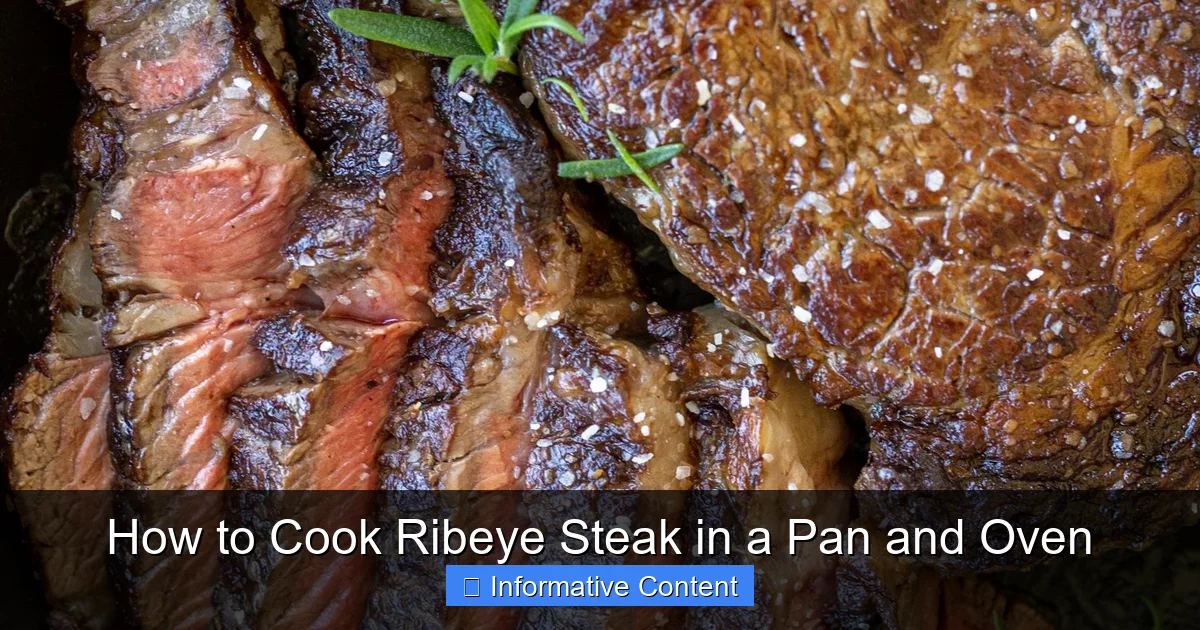
Visual guide about How to Cook Ribeye Steak in a Pan and Oven
Image source: cdn.momsdish.com
What to Look For
The hallmark of a great ribeye is marbling—those thin white streaks of fat running through the meat. This fat renders during cooking, basting the steak from within and adding rich, beefy flavor. Choose a steak with even marbling throughout, and avoid cuts that look dry or have large chunks of gristle.
Fresh vs. Frozen
Fresh is best, but if you’re using frozen steak, make sure to thaw it completely in the refrigerator overnight. Never thaw at room temperature, as this can promote bacterial growth. Once thawed, pat the steak dry with paper towels—moisture is the enemy of a good sear.
Preparing Your Steak for Cooking
Proper preparation is key to a flawless ribeye. Start by taking the steak out of the fridge 30 to 60 minutes before cooking. This allows it to come to room temperature, which promotes even cooking. A cold steak placed directly into a hot pan will cook unevenly, with the outside overcooking before the inside reaches the right temperature.
Seasoning Tips
Keep it simple. Generously season both sides of the steak with kosher salt and freshly ground black pepper. Salt not only adds flavor but also helps draw out moisture, which then reabsorbs into the meat, enhancing tenderness. For extra depth, you can add a pinch of garlic powder or smoked paprika, but don’t overdo it—ribeye’s natural flavor is the star.
Drying the Surface
After seasoning, let the steak sit for 10–15 minutes. This gives the salt time to penetrate the meat and helps dry the surface. A dry surface is essential for achieving that coveted crust. If the steak is wet, it will steam instead of sear, resulting in a gray, unappetizing exterior.
Setting Up Your Pan and Oven
The right tools make all the difference. Use an oven-safe skillet—cast iron is ideal because it retains heat well and distributes it evenly. Stainless steel also works great. Avoid nonstick pans, as they can’t handle the high heat needed for a proper sear.
Preheating the Oven
While your steak comes to room temperature, preheat your oven to 400°F (200°C). This temperature is hot enough to cook the steak through without drying it out, but not so hot that it burns the exterior. If your oven has a convection setting, you can use it, but reduce the temperature by 25°F to prevent overcooking.
Heating the Pan
Place your skillet on the stovetop over medium-high heat. Let it heat up for 3–5 minutes until it’s very hot—you should see a slight shimmer in the pan. Add a high-smoke-point oil like avocado, canola, or grapeseed oil. Don’t use olive oil, as it burns easily at high temperatures. Swirl the oil to coat the bottom of the pan.
Cooking the Ribeye: Step-by-Step
Now comes the fun part—cooking the steak. The goal is to create a deep brown crust on the outside while keeping the inside juicy and tender.
Searing the Steak
Carefully place the seasoned ribeye into the hot pan. It should sizzle immediately—if it doesn’t, the pan isn’t hot enough. Let it sear undisturbed for 2–3 minutes. Resist the urge to move it around; this allows a crust to form. Use tongs to flip the steak and sear the other side for another 2–3 minutes.
Adding Flavor with Butter and Aromatics
Once both sides are nicely browned, reduce the heat slightly and add 2 tablespoons of butter, 2–3 garlic cloves (smashed), and a few sprigs of fresh thyme or rosemary. Tilt the pan slightly and use a spoon to baste the steak with the melted butter. This infuses the meat with rich, aromatic flavor and helps keep it moist. Baste for about 1–2 minutes.
Transferring to the Oven
After basting, carefully transfer the skillet to the preheated oven. Cook for 5–10 minutes, depending on the thickness of your steak and your preferred doneness. Use a meat thermometer to check the internal temperature: 120–125°F for rare, 130–135°F for medium-rare, 140–145°F for medium, and 150°F for medium-well.
Resting and Serving Your Ribeye
Once the steak reaches your desired temperature, remove it from the oven and transfer it to a cutting board. Tent it loosely with aluminum foil and let it rest for 5–10 minutes. This step is crucial—it allows the juices to redistribute throughout the meat, ensuring every bite is moist and flavorful.
How to Slice and Serve
After resting, slice the ribeye against the grain into ½-inch thick pieces. This makes the meat more tender and easier to chew. Serve immediately with your favorite sides—mashed potatoes, roasted vegetables, or a simple arugula salad with lemon and Parmesan.
Optional: Make a Pan Sauce
Don’t let those delicious browned bits in the pan go to waste. Deglaze the skillet with a splash of red wine or beef broth, scraping up the fond (the caramelized bits on the bottom). Simmer for a minute, then stir in a little butter and fresh herbs. Pour this rich sauce over the sliced steak for an extra flavor boost.
Common Mistakes to Avoid
Even with the best intentions, things can go wrong. Here are a few common pitfalls and how to avoid them:
- Overcrowding the pan: Cook only one or two steaks at a time. Too much meat lowers the pan’s temperature and causes steaming instead of searing.
- Skipping the rest: Cutting into the steak too soon lets all the juices spill out, leaving it dry.
- Using the wrong oil: Low-smoke-point oils like olive oil or butter will burn and create a bitter taste.
- Not preheating the pan: A cold pan won’t sear the steak properly, resulting in a lackluster crust.
- Ignoring the thermometer: Guessing doneness leads to overcooked or undercooked steak. A thermometer takes the guesswork out.
Tips for Perfect Results Every Time
With a little practice, you’ll be cooking ribeye like a pro. Here are a few extra tips to elevate your steak game:
- Use a digital meat thermometer: It’s the most accurate way to check doneness.
- Let the steak breathe: Don’t wrap it tightly in foil while resting—this can make the crust soggy.
- Experiment with dry brining: Salt the steak and let it sit uncovered in the fridge for 1–24 hours. This enhances flavor and texture.
- Try different herbs: Rosemary, thyme, and sage all pair beautifully with ribeye.
- Pair with the right wine: A bold red like Cabernet Sauvignon or Malbec complements the rich flavor of ribeye.
Cooking ribeye steak in a pan and oven is a simple yet impressive technique that delivers restaurant-quality results at home. With the right cut, proper preparation, and careful attention to temperature, you can enjoy a juicy, flavorful steak that rivals any steakhouse. So fire up your skillet, preheat that oven, and get ready to savor every bite.
Frequently Asked Questions
Can I cook a frozen ribeye using this method?
It’s not recommended. Always thaw the steak completely in the refrigerator before cooking to ensure even results and food safety.
What’s the best oil to use for searing?
Use a high-smoke-point oil like avocado, canola, or grapeseed oil. These oils can withstand the high heat needed for a good sear.
How thick should my ribeye be?
For best results, choose a ribeye that’s at least 1.5 inches thick. Thicker cuts stay juicy and cook more evenly.
Can I cook multiple steaks at once?
Yes, but only if they fit in the pan without overlapping. Overcrowding lowers the pan temperature and prevents proper searing.
Do I need to flip the steak in the oven?
No, flipping isn’t necessary. The oven’s even heat will cook the steak through without needing to turn it.
What sides go well with ribeye?
Classic pairings include mashed potatoes, roasted asparagus, garlic butter mushrooms, or a crisp green salad with vinaigrette.