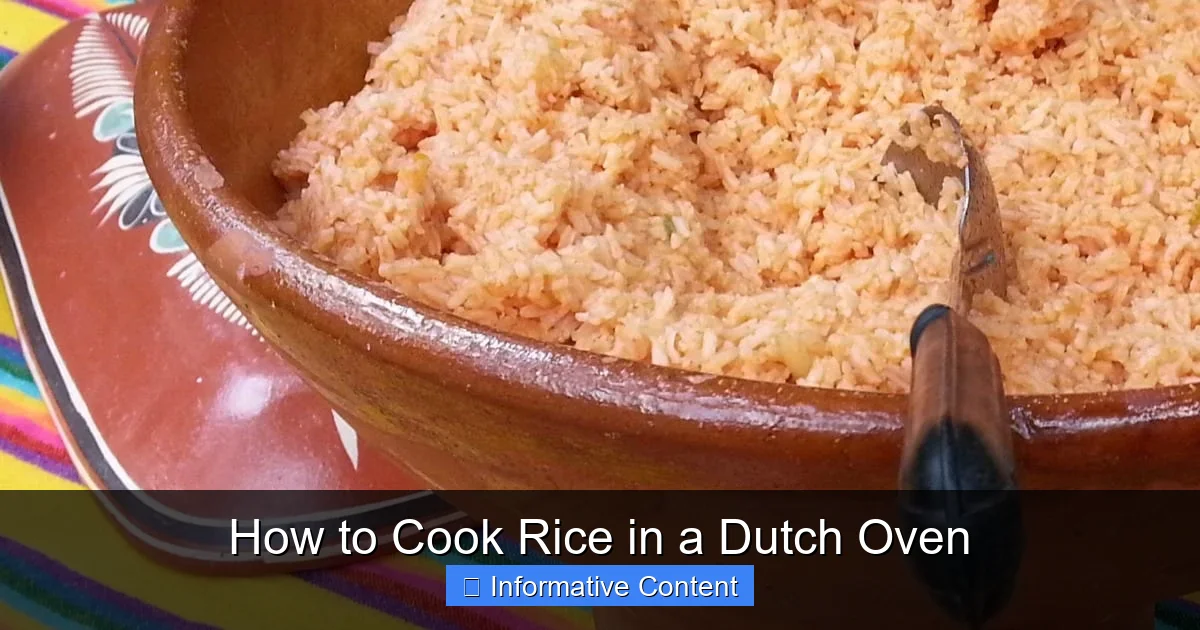
How to Cook Rice in a Dutch Oven
Cooking rice in a Dutch oven is a simple, reliable method that delivers perfectly fluffy results every time. Whether you’re at home or camping outdoors, this versatile technique works with any type of rice and requires minimal effort—just the right ratio, heat, and timing.
If you’ve ever struggled with mushy, undercooked, or burnt rice, you’re not alone. Rice can be surprisingly tricky—too much water and it turns to glue; too little and it’s crunchy in the middle. But what if there was a way to cook perfect rice every single time, without a rice cooker or constant stirring? Enter the Dutch oven: a heavy, durable pot that’s been a kitchen staple for generations. Whether you’re simmering grains on the stovetop, baking in the oven, or cooking over a campfire, learning how to cook rice in a Dutch oven is a game-changer.
Dutch ovens are known for their excellent heat retention and even distribution, which makes them ideal for slow-cooking dishes like stews, bread, and yes—rice. Unlike thin pots that can scorch the bottom, a Dutch oven’s thick walls and tight-fitting lid create a sealed environment that steams rice gently and consistently. Plus, it’s incredibly versatile. You can use it indoors or outdoors, with gas, electric, or open flames. Once you master this method, you’ll wonder why you ever relied on anything else.
Key Takeaways
- Use the right rice-to-water ratio: Typically 1:1.5 for white rice and 1:2 for brown rice, but adjust based on variety.
- Preheat your Dutch oven: A hot pot ensures even cooking and prevents sticking.
- Bring to a boil, then simmer: High heat starts the process; low heat finishes it without burning.
- Don’t lift the lid: Keeping the lid on traps steam, which is essential for fluffy rice.
- Let it rest after cooking: A 5–10 minute rest allows moisture to distribute evenly.
- Great for camping and one-pot meals: Dutch ovens retain heat well, making them ideal for outdoor cooking.
- Clean-up is easy: Enameled cast iron is non-stick when properly seasoned and cared for.
Quick Answers to Common Questions
Can I cook rice in a Dutch oven on the stovetop?
Yes! A Dutch oven works perfectly on the stovetop. Just bring the rice and liquid to a boil, then reduce to a simmer with the lid on.
Do I need to rinse the rice before cooking?
Rinsing removes excess starch and prevents gummy rice, especially for varieties like jasmine or sushi rice. It’s recommended but not always required.
Can I use broth instead of water?
Absolutely. Using broth adds rich flavor and works great in pilafs or one-pot meals.
How long does rice take to cook in a Dutch oven?
White rice takes 15–18 minutes, brown rice 35–45 minutes, and wild rice up to 50 minutes. Always let it rest after cooking.
Is a Dutch oven good for camping?
Yes! Dutch ovens are ideal for outdoor cooking over a campfire or charcoal, offering even heat and durability.
📑 Table of Contents
Why Use a Dutch Oven for Rice?
So, why choose a Dutch oven over a regular pot or rice cooker? For starters, it’s all about control. The heavy cast iron (or enameled cast iron) construction heats evenly and holds temperature well, reducing hot spots that can cause uneven cooking. This is especially helpful when cooking brown rice or wild rice, which need longer, more consistent heat.
Another big advantage? It’s perfect for one-pot meals. Imagine cooking rice directly in a savory broth with vegetables, beans, or spices—everything simmers together, infusing the grains with flavor. Plus, Dutch ovens are incredibly durable. A well-cared-for pot can last a lifetime, making it a smart investment for any kitchen.
And let’s not forget outdoor cooking. Whether you’re camping, tailgating, or hosting a backyard cookout, a Dutch oven lets you cook rice over a fire or charcoal with the same reliability as your stovetop. No electricity needed—just heat, patience, and the right technique.
Choosing the Right Dutch Oven
Not all Dutch ovens are created equal, so picking the right one matters. For cooking rice, you’ll want a pot with a tight-fitting lid and thick walls. Enameled cast iron is a popular choice because it’s non-reactive (won’t affect the taste of acidic ingredients) and easier to clean than bare cast iron. Brands like Le Creuset, Staub, and Lodge offer excellent options.
Size also matters. A 4-quart Dutch oven is ideal for most home cooking needs—it can comfortably hold 2 cups of uncooked rice with plenty of room for expansion. If you’re cooking for a crowd or planning a big one-pot meal, go for a 6- or 7-quart model. Just remember: larger pots may require slightly longer cooking times due to greater volume.
If you’re using a bare cast iron Dutch oven (common for camping), make sure it’s well-seasoned to prevent sticking. A light coat of oil before cooking can also help, especially with sticky rice varieties like jasmine or sushi rice.
Step-by-Step Guide to Cooking Rice in a Dutch Oven
Now for the fun part—actually cooking the rice. This method works for white, brown, jasmine, basmati, and even wild rice. The key is consistency: the right ratio, heat, and timing.
Ingredients and Tools
You’ll need:

Visual guide about How to Cook Rice in a Dutch Oven
Image source: cookingtipsblog.com
- 1 cup of rice (any variety)
- 1.5 to 2 cups of liquid (water or broth)
- Salt (optional, to taste)
- Butter or oil (optional, for flavor)
- A Dutch oven with lid
- A heat source (stovetop, oven, or fire)
Step 1: Rinse the Rice
Rinsing removes excess starch, which can make rice gummy. Place the rice in a fine-mesh strainer and rinse under cold water until the water runs clear. This step is especially important for sticky rice varieties like jasmine or arborio.
Step 2: Add Rice and Liquid
Combine the rinsed rice and liquid in the Dutch oven. For white rice, use a 1:1.5 ratio (1 cup rice to 1.5 cups liquid). For brown rice, use 1:2. Add a pinch of salt and a teaspoon of butter or oil if desired—this enhances flavor and helps prevent sticking.
Step 3: Bring to a Boil
Place the Dutch oven on the stovetop over medium-high heat. Bring the mixture to a full boil, stirring occasionally to prevent clumping. Once boiling, reduce the heat to low.
Step 4: Simmer with the Lid On
Cover the pot with the lid and let it simmer. Do not lift the lid—this releases steam and can lead to undercooked rice. For white rice, simmer for 15–18 minutes. Brown rice needs 35–45 minutes. Wild rice may take up to 50 minutes.
Step 5: Let It Rest
After the cooking time is up, turn off the heat and let the rice sit, covered, for 5–10 minutes. This allows the grains to finish steaming and absorb any remaining moisture, resulting in fluffier rice.
Step 6: Fluff and Serve
Remove the lid and fluff the rice gently with a fork. Serve immediately, or keep covered to retain warmth.
Tips for Perfect Rice Every Time
Even with the right method, small adjustments can make a big difference. Here are some pro tips to elevate your rice game:
Use Broth Instead of Water
Swapping water for chicken, vegetable, or beef broth adds depth of flavor. This is especially great when making pilafs or one-pot dishes.
Add Aromatics
Toss in a bay leaf, garlic clove, or onion slice while simmering. Remove before serving for a subtle flavor boost.
Don’t Peek!
Resist the urge to lift the lid. Steam is crucial for even cooking. Every time you open it, you lose heat and moisture, which can throw off the timing.
Adjust for Altitude
If you live at a high altitude, you may need to increase cooking time by 5–10 minutes and add a bit more liquid, as water boils at a lower temperature.
Try the Oven Method
For even more consistent results, try baking your rice. Preheat the Dutch oven (with lid) in a 375°F (190°C) oven for 10 minutes. Add the rice and liquid, cover, and bake for 20–25 minutes for white rice, or 45–50 minutes for brown. This method is great for hands-off cooking.
Cooking Rice Over a Campfire
One of the best things about Dutch ovens is their outdoor versatility. Cooking rice over a campfire is not only possible—it’s delicious. The key is managing heat. Use charcoal briquettes or hot coals placed both under and on top of the lid for even cooking.
Place the Dutch oven on a stable, heat-resistant surface. For every 10 coals under the pot, use 15 on the lid. This creates a convection effect, similar to an oven. Monitor the heat by adjusting the number of coals—too hot, and the rice will burn; too cool, and it won’t cook through.
Bring the rice and liquid to a boil over the fire, then reduce heat by moving the pot to a cooler part of the fire or using fewer coals. Cover and let simmer for the usual time. Let it rest before serving. The result? Smoky, perfectly cooked rice that tastes like adventure.
Cleaning and Caring for Your Dutch Oven
After cooking, cleaning your Dutch oven properly ensures it lasts for years. For enameled models, let the pot cool, then wash with warm, soapy water and a soft sponge. Avoid abrasive scrubbers that can scratch the surface.
For bare cast iron, avoid soap if possible. Instead, rinse with hot water and scrub with a brush or sponge. Dry thoroughly and apply a thin layer of oil to prevent rust. Store in a dry place.
Never soak a bare cast iron Dutch oven, and avoid sudden temperature changes (like placing a hot pot in cold water), which can cause cracking.
Conclusion
Cooking rice in a Dutch oven is a simple, reliable method that delivers consistent, fluffy results every time. Whether you’re at home or in the great outdoors, this technique gives you full control over the cooking process. With the right ratio, heat, and a little patience, you can turn basic rice into a flavorful, satisfying side dish or the foundation of a hearty one-pot meal.
So the next time you’re craving perfectly cooked rice, skip the rice cooker and reach for your Dutch oven. It’s a timeless tool that proves sometimes, the old ways are still the best.
Frequently Asked Questions
What’s the best rice-to-water ratio for a Dutch oven?
For white rice, use 1:1.5 (1 cup rice to 1.5 cups liquid). For brown rice, use 1:2. Adjust slightly based on your preferred texture.
Can I cook other grains in a Dutch oven?
Yes! Quinoa, farro, barley, and couscous all cook well in a Dutch oven using similar methods.
Why is my rice sticking to the Dutch oven?
This can happen if the pot isn’t properly seasoned (for bare cast iron) or if the heat is too high. Use a bit of oil and avoid stirring too much.
Can I cook rice in a Dutch oven in the oven?
Yes! Preheat the pot at 375°F (190°C), add rice and liquid, cover, and bake. This method offers even, hands-off cooking.
How do I prevent rice from burning in a Dutch oven?
Use low to medium heat, don’t lift the lid, and avoid cooking on high flames. The Dutch oven’s thick walls help, but heat control is key.
Is enameled cast iron better than bare cast iron for rice?
Enameled cast iron is easier to clean and non-reactive, making it ideal for rice. Bare cast iron works too but requires seasoning and careful cleaning.