How to Make Grouper in the Oven
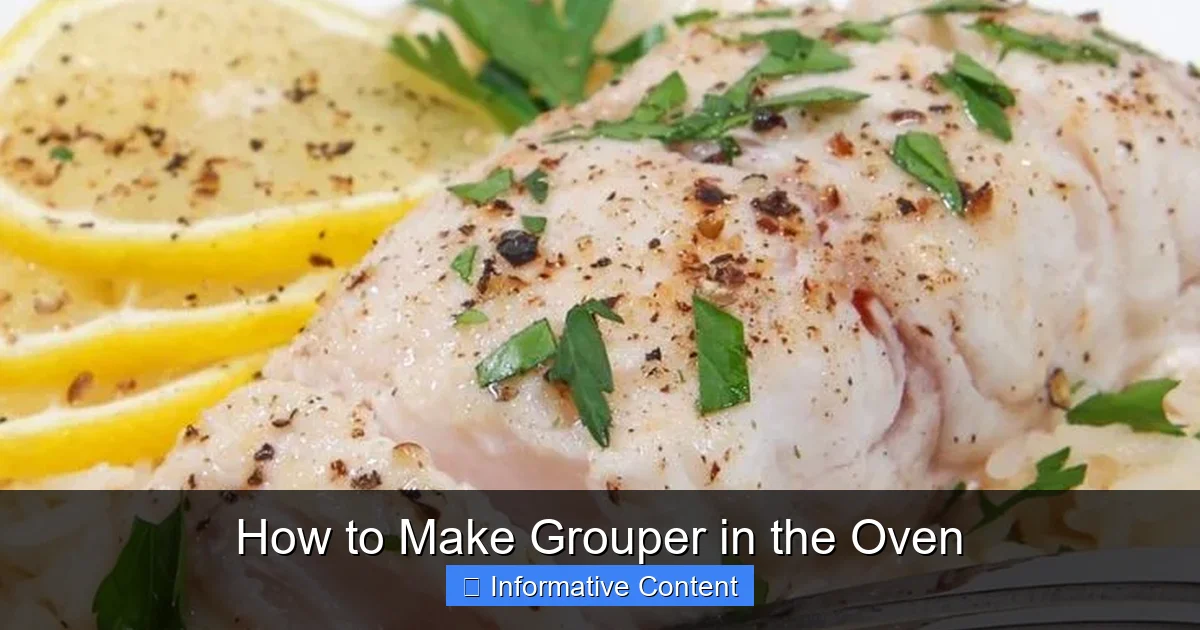
Discover how to make grouper in the oven with a simple, foolproof method that delivers tender, flaky fish every time. This healthy, oven-baked grouper recipe uses fresh ingredients like lemon, garlic, and herbs for maximum flavor with minimal effort—ideal for weeknight dinners or special occasions.
If you’re looking for a healthy, flavorful, and hassle-free way to cook fish, learning how to make grouper in the oven is a game-changer. Grouper is a firm, mild white fish that’s incredibly versatile and perfect for baking. Whether you’re a seasoned cook or just starting out, this method delivers restaurant-quality results without the stress. The oven gently cooks the fish, locking in moisture while allowing the seasonings to meld beautifully.
What makes grouper so great for oven baking? Its thick, meaty texture holds up well to heat without falling apart, and its subtle flavor pairs wonderfully with bold seasonings like garlic, lemon, and herbs. Plus, baking is one of the healthiest cooking methods—no added fats or oils beyond a light brush, and no splattering oil on your stovetop. In just 20 to 30 minutes, you can have a delicious, nutritious dinner on the table that the whole family will love.
Key Takeaways
- Preheat your oven to 375°F (190°C) for even cooking and a lightly crisp top.
- Pat the grouper fillets dry before seasoning to ensure a better sear and prevent steaming.
- Use a light coating of olive oil to keep the fish moist and help seasonings adhere.
- Season generously with salt, pepper, garlic, and lemon—grouper has a mild flavor that benefits from bold seasoning.
- Bake for 12–15 minutes, depending on thickness, until the fish flakes easily with a fork.
- Add fresh herbs like parsley or dill after baking for a bright, fresh finish.
- Serve with sides like roasted vegetables or rice to complete a balanced, delicious meal.
Quick Answers to Common Questions
How long does it take to bake grouper in the oven?
It typically takes 12 to 15 minutes to bake grouper in a 375°F (190°C) oven, depending on the thickness of the fillets. Always check for doneness by flaking the fish with a fork.
Can I use frozen grouper for this recipe?
Yes, but thaw it completely in the refrigerator before baking. Pat it dry thoroughly to remove excess moisture, which can affect cooking.
What temperature should grouper be cooked to?
Grouper should reach an internal temperature of 145°F (63°C) to be safely cooked. Use a food thermometer to check the thickest part of the fillet.
Can I bake grouper with the skin on?
Absolutely! Baking grouper with the skin on helps keep it moist. Just make sure to score the skin lightly to prevent curling and ensure even cooking.
What can I substitute for grouper?
If grouper isn’t available, try halibut, cod, or sea bass. These firm white fish have similar textures and work well with the same baking method.
📑 Table of Contents
Why Choose Grouper for Oven Baking?
Grouper is a favorite among seafood lovers for good reason. It’s a lean, high-protein fish with a firm texture that doesn’t break apart easily, making it ideal for baking, grilling, or broiling. When you bake grouper in the oven, the even heat ensures the fish cooks through gently, preventing dryness while developing a lightly golden top.
One of the biggest advantages of baking grouper is consistency. Unlike pan-searing, where timing can be tricky, the oven gives you more control. You can set it and forget it—just check near the end to avoid overcooking. Plus, baking allows you to infuse the fish with aromatic ingredients like lemon slices, garlic, and fresh herbs, which permeate the meat as it cooks.
Another benefit? Grouper is rich in essential nutrients. It’s a great source of high-quality protein, low in saturated fat, and packed with vitamins like B12 and selenium. It’s also lower in mercury than many other fish, making it a safe and healthy choice for regular meals.
Ingredients You’ll Need
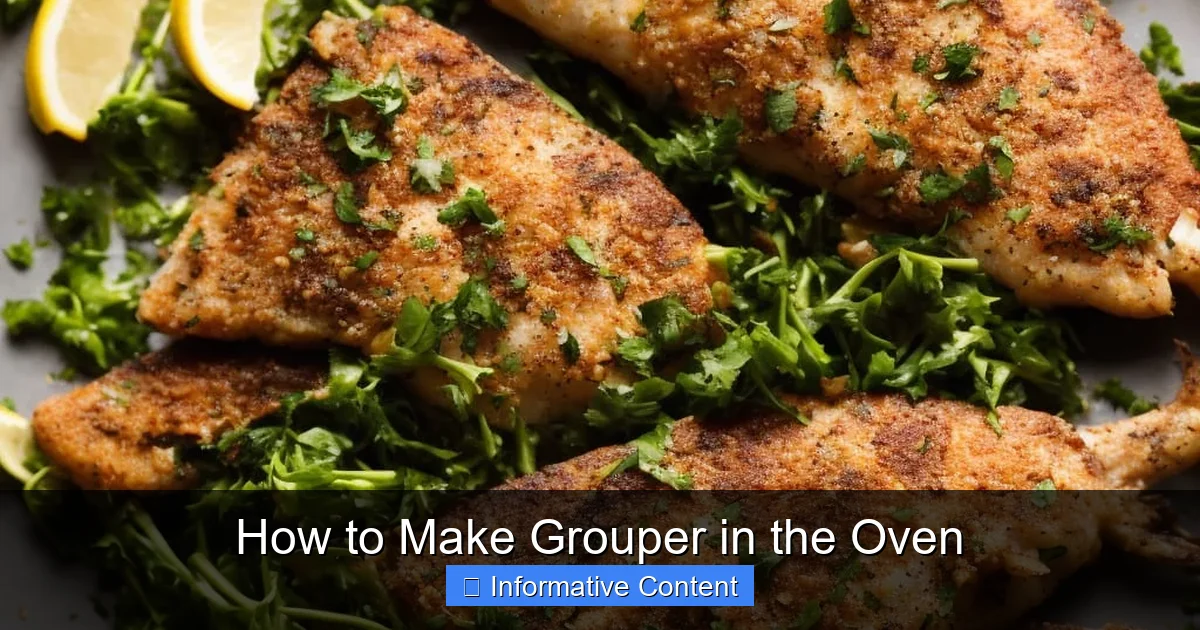
Visual guide about How to Make Grouper in the Oven
Image source: recipes.net
The beauty of this oven-baked grouper recipe is its simplicity. You don’t need fancy ingredients or hard-to-find spices. Here’s what you’ll need for a basic, delicious version:
- 4 fresh grouper fillets (about 6 ounces each)
- 2 tablespoons olive oil
- 2 cloves garlic, minced
- 1 lemon (sliced into rounds and juiced)
- 1 teaspoon salt
- ½ teaspoon black pepper
- 1 teaspoon paprika (optional, for a smoky touch)
- 1 teaspoon dried oregano or thyme
- Fresh parsley or dill, chopped (for garnish)
Feel free to customize! Add capers, cherry tomatoes, or a splash of white wine for extra depth. If you like a bit of heat, a pinch of red pepper flakes works wonders.
Step-by-Step Instructions
1. Preheat the Oven
Start by preheating your oven to 375°F (190°C). This temperature is ideal—it’s hot enough to cook the fish thoroughly but not so hot that it dries out. While the oven heats, prepare your baking dish by lightly greasing it with olive oil or lining it with parchment paper for easy cleanup.
2. Prepare the Grouper
Remove the grouper fillets from the refrigerator and pat them dry with paper towels. This step is crucial—moisture on the surface can cause steaming instead of baking, leading to a less flavorful result. Place the fillets in the prepared baking dish, skin-side down if they have skin.
3. Season the Fish
Drizzle the fillets with olive oil, making sure each piece is lightly coated. In a small bowl, mix the minced garlic, salt, pepper, paprika, and dried herbs. Sprinkle this mixture evenly over the fish. Then, squeeze fresh lemon juice over the top and arrange a few lemon slices on each fillet. The acidity brightens the flavor and helps tenderize the fish.
4. Bake the Grouper
Place the baking dish in the center of the preheated oven. Bake for 12 to 15 minutes, depending on the thickness of your fillets. A good rule of thumb: cook for about 10 minutes per inch of thickness. The fish is done when it turns opaque and flakes easily with a fork. Avoid overcooking—grouper can dry out quickly if left in too long.
5. Garnish and Serve
Once out of the oven, let the fish rest for 2–3 minutes. Sprinkle generously with fresh parsley or dill for a pop of color and freshness. Serve immediately while hot.
Tips for Perfect Oven-Baked Grouper
Even with a simple recipe, a few pro tips can elevate your dish from good to great.
Don’t Overcook
Grouper is best when it’s just cooked through. Overcooked fish becomes dry and rubbery. Use a fork to test doneness—if it flakes easily, it’s ready. If you’re unsure, use a food thermometer; the internal temperature should reach 145°F (63°C).
Use Fresh Ingredients
Fresh lemon juice and herbs make a huge difference. Bottled lemon juice and dried herbs are fine in a pinch, but fresh ingredients bring brightness and depth to the dish.
Let It Rest
Allowing the fish to rest for a few minutes after baking helps redistribute the juices, keeping it moist and flavorful.
Add a Flavor Boost
For extra richness, top the fish with a pat of butter during the last 2 minutes of baking. Or, try a light drizzle of honey or a splash of white wine before baking for a sweet or tangy twist.
Serving Suggestions
Oven-baked grouper pairs beautifully with a variety of sides. Here are a few ideas to round out your meal:
- Roasted Vegetables: Toss broccoli, zucchini, or bell peppers with olive oil, salt, and pepper, and roast them alongside the fish.
- Garlic Butter Rice: Fluffy rice infused with garlic and butter complements the fish perfectly.
- Quinoa Salad: A light quinoa salad with cucumbers, tomatoes, and feta adds freshness and texture.
- Steamed Asparagus: Simple and elegant, asparagus with a squeeze of lemon enhances the seafood flavor.
- Coconut Rice: For a tropical twist, serve with coconut rice and a side of mango salsa.
Don’t forget a crisp green salad with a light vinaigrette to balance the richness of the fish.
Storing and Reheating Leftovers
If you have leftovers (though they’re unlikely!), store them properly to maintain quality. Place the cooled grouper in an airtight container and refrigerate for up to 2 days. Reheat gently in the oven at 300°F (150°C) for 10–12 minutes, or in the microwave on 50% power to avoid drying out.
Avoid freezing cooked grouper if possible, as it can become mushy upon thawing. However, if you must freeze it, wrap it tightly in plastic wrap and aluminum foil, and use within 1 month.
Conclusion
Learning how to make grouper in the oven is a simple yet rewarding skill that opens the door to countless delicious meals. With minimal effort and a handful of fresh ingredients, you can create a dish that’s healthy, flavorful, and impressive enough for guests. Whether you’re cooking for one or feeding a family, this method delivers consistent results every time.
The key is to keep it simple: season well, don’t overcook, and let the natural flavors shine. With the tips and techniques in this guide, you’ll be baking perfect grouper like a pro. So next time you’re at the fish counter, grab some fresh grouper, fire up the oven, and enjoy a meal that’s as good for your body as it is for your taste buds.
Frequently Asked Questions
Is grouper a healthy fish to eat?
Yes, grouper is a nutritious choice. It’s high in protein, low in fat, and rich in essential vitamins like B12 and selenium. It’s also lower in mercury than many larger fish.
Can I marinate grouper before baking?
Yes, marinating for 15–30 minutes in lemon juice, olive oil, and herbs can enhance flavor. Avoid marinating too long, as the acid can start to “cook” the fish.
Do I need to cover the grouper while baking?
No, covering is not necessary. Baking uncovered allows the top to lightly brown and develop flavor. Covering can trap steam and make the fish soggy.
Can I add vegetables to the baking dish?
Absolutely! Add sliced zucchini, cherry tomatoes, or onions to the dish before baking. They’ll cook alongside the fish and absorb its delicious flavors.
Why is my baked grouper dry?
Dry grouper is usually a sign of overcooking. Stick to the recommended time and check for doneness early. Also, avoid using high heat—375°F is ideal.
Can I use dried herbs instead of fresh?
Yes, dried herbs work well. Use about half the amount of fresh herbs called for, since dried herbs are more concentrated in flavor.