How to Oven Dry Hot Peppers
Oven drying hot peppers is a simple, effective way to preserve their heat and flavor for months. With minimal equipment and a few easy steps, you can transform fresh peppers into shelf-stable flakes, powder, or whole dried peppers perfect for cooking.
Key Takeaways
- Choose ripe, unblemished peppers: Select firm, vibrant peppers without soft spots or mold for the best drying results.
- Prep safely with gloves: Always wear gloves when handling hot peppers to avoid skin irritation or accidental eye contact.
- Slice evenly for consistent drying: Cut peppers into uniform pieces so they dry at the same rate and avoid burning.
- Use low oven temperature: Set your oven between 150°F and 175°F (65°C–80°C) to dry peppers slowly without cooking them.
- Check frequently near the end: Drying time varies, so monitor peppers closely to prevent over-drying or scorching.
- Store in airtight containers: Keep dried peppers in sealed jars away from light and heat to maintain potency and freshness.
- Grind into flakes or powder: Use a spice grinder or mortar and pestle to customize texture for different recipes.
Quick Answers to Common Questions
Can I oven dry peppers without slicing them?
Yes, you can dry whole peppers, especially smaller varieties like Thai chilies. Just poke a few holes in them to allow moisture to escape and expect a longer drying time.
What’s the lowest oven temperature I can use?
Aim for 150°F to 175°F (65°C–80°C). If your oven doesn’t go that low, use the “warm” setting and keep the door slightly ajar to maintain low heat and airflow.
How do I know if my peppers are fully dried?
They should be brittle, lightweight, and snap when bent. There should be no soft or rubbery spots, and they should feel completely dry to the touch.
Can I use a toaster oven to dry peppers?
Yes, a toaster oven works well for small batches. Use the same low temperature and monitor closely, as toaster ovens can heat unevenly.
Do dried peppers lose their heat over time?
Yes, gradually. While they remain safe to eat for up to 2 years, their capsaicin content (which creates heat) diminishes over time. Use within 12–18 months for best flavor and potency.
📑 Table of Contents
Why Oven Dry Hot Peppers?
If you’ve ever grown hot peppers or scored a great deal at the farmers’ market, you know how quickly they can spoil. But what if you could preserve that fiery flavor for months—or even years? That’s where oven drying comes in. It’s one of the easiest, most accessible methods for home cooks to extend the life of their pepper harvest without needing special equipment like a dehydrator.
Oven drying is especially great because most people already have an oven at home. Unlike air-drying, which can take weeks and depends on humidity, oven drying gives you control over temperature and time. Plus, it’s faster and more reliable, especially in humid climates. Whether you’re drying jalapeños, habaneros, or ghost peppers, the oven method delivers consistent results with minimal effort.
Choosing the Right Peppers
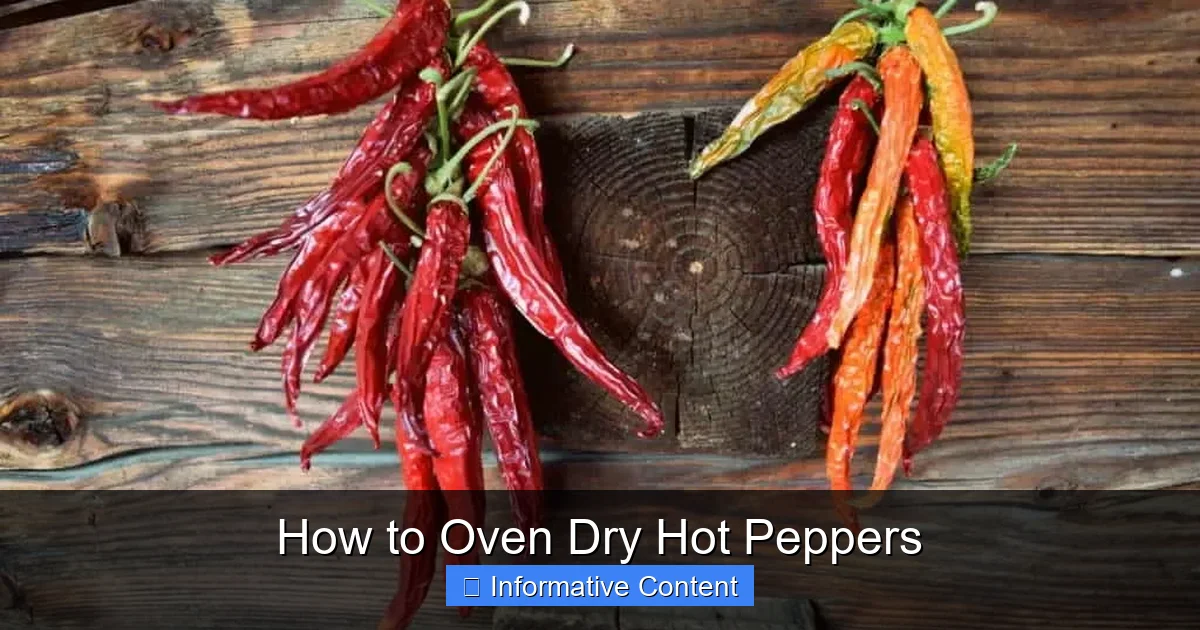
Visual guide about How to Oven Dry Hot Peppers
Image source: ruralsprout.com
Not all peppers are created equal when it comes to drying. The first step to successful oven drying is selecting the right peppers. Look for ones that are fully ripe, firm, and free of bruises, cracks, or soft spots. Overripe or damaged peppers may contain mold or excess moisture, which can lead to spoilage during drying.
Popular choices for drying include cayenne, Thai chili, serrano, and habanero peppers. Each brings its own level of heat and flavor profile, so consider how you plan to use them later. For example, cayenne dries well into a fine powder perfect for seasoning soups, while whole dried habaneros add intense heat to stews and sauces.
When to Harvest or Buy
If you’re growing your own peppers, wait until they’ve turned their full mature color—red, orange, or yellow, depending on the variety. These fully ripened peppers have the best flavor and highest capsaicin content, which means more heat and better preservation. If buying, choose peppers that are brightly colored and heavy for their size, indicating freshness and moisture content.
Preparing Peppers for Drying
Once you’ve got your peppers, it’s time to prep them. Safety first: always wear food-safe gloves when handling hot peppers. The oils in peppers—especially super-hot varieties like Carolina Reaper or Trinidad Scorpion—can cause skin irritation or worse, burn your eyes if you touch your face.
Start by washing the peppers gently under cool water to remove dirt and debris. Pat them dry with a clean towel. Then, decide how you want to dry them: whole, halved, or sliced. Whole peppers take longer to dry but are great for grinding later. Halved or sliced peppers dry faster and more evenly.
Cutting Techniques
For halved peppers, slice them lengthwise and remove the stems and seeds if desired. (Note: leaving seeds in increases heat but may affect texture.) For sliced peppers, cut them into ¼-inch thick rounds. Uniform thickness is key—thicker slices take longer and may not dry completely, while thin slices can burn easily.
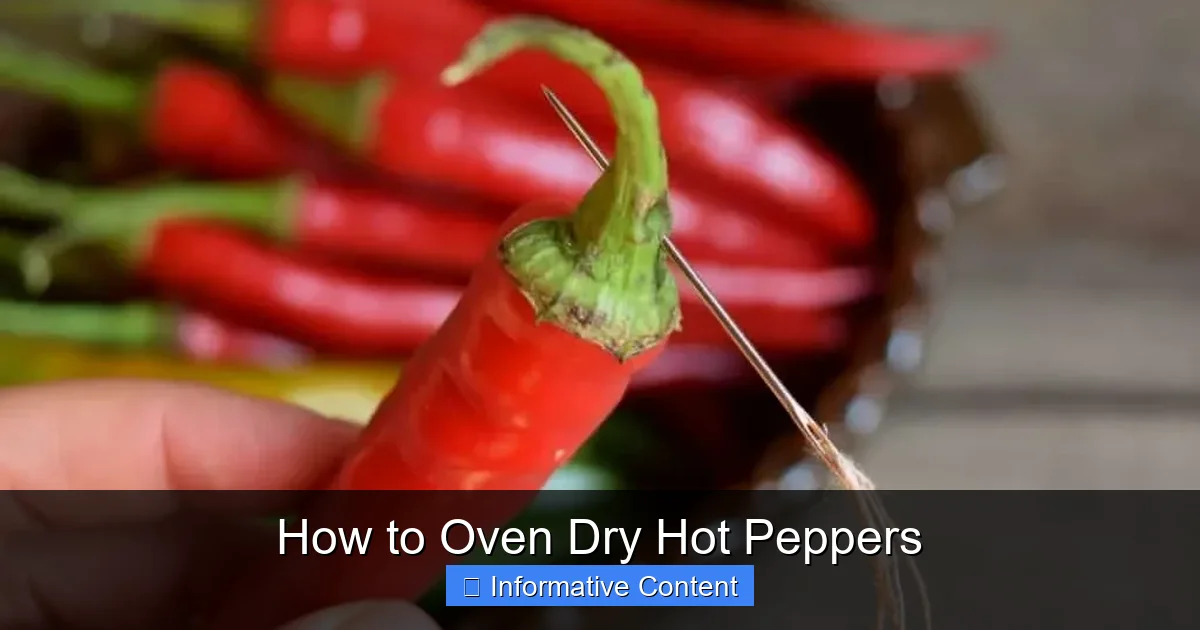
If you’re drying small peppers like Thai chilies, you can leave them whole or poke a few holes in them with a fork to help moisture escape. This prevents them from trapping steam and becoming rubbery.
Setting Up Your Oven
Now that your peppers are prepped, it’s time to set up your oven. The goal is to dry the peppers slowly at a low temperature—just enough to evaporate moisture without cooking the peppers. High heat can destroy flavor and nutrients, and may even cause the peppers to burn.
Set your oven to the lowest possible temperature, ideally between 150°F and 175°F (65°C–80°C). If your oven doesn’t go that low, don’t worry—many modern ovens have a “warm” setting around 170°F, which works perfectly. Avoid temperatures above 200°F (93°C), as this starts to cook rather than dry.
Using Baking Sheets and Parchment
Line a baking sheet with parchment paper or a silicone baking mat to prevent sticking. Arrange the pepper pieces in a single layer, making sure they don’t overlap. This allows air to circulate evenly around each piece, promoting uniform drying.
If you’re drying different types of peppers, consider using separate trays to avoid mixing flavors. For example, you wouldn’t want mild poblano flavors contaminating your super-hot ghost peppers.
Keeping the Oven Door Ajar
To help moisture escape, prop the oven door open slightly with a wooden spoon or oven mitt. This creates a gentle airflow, which is crucial for effective drying. Just be careful not to leave it open too wide—you still want to maintain a consistent low temperature.
Some ovens have a convection setting, which can speed up drying by circulating hot air. If yours does, use it on low. Convection drying can reduce total time by 20–30%, but keep a close eye on the peppers to avoid over-drying.
Drying Process and Timing
Drying time depends on several factors: pepper size, thickness, oven temperature, and humidity. On average, expect the process to take 4 to 8 hours. Small, thin slices may dry in as little as 3 hours, while whole large peppers can take up to 10 hours.
Check the peppers every hour after the first 3 hours. They’re done when they’re completely dry, brittle, and snap easily when bent. There should be no soft or rubbery spots. If you notice any moisture or flexibility, they need more time.
Signs of Properly Dried Peppers
Properly dried peppers will feel lightweight and papery. They won’t bend—they’ll break or crumble. If you press a piece between your fingers and it feels moist or pliable, it’s not ready. Over-drying is better than under-drying when it comes to storage, as any remaining moisture can lead to mold.
If some pieces dry faster than others, remove them early to prevent burning. You can always return slower-drying pieces to the oven.
Cooling and Storing Dried Peppers
Once your peppers are fully dried, turn off the oven and let them cool completely on the baking sheet. This prevents condensation from forming when you store them, which could lead to spoilage.
After cooling, transfer the peppers to airtight containers such as glass jars or resealable bags. Label each container with the pepper type and date—properly stored, dried peppers can last up to 2 years, though they’ll gradually lose potency over time.
Storage Tips for Maximum Freshness
Store your dried peppers in a cool, dark place like a pantry or cupboard. Avoid areas near the stove or dishwasher, where heat and humidity fluctuate. Light and heat accelerate the loss of flavor and color, so opaque or dark-colored jars are ideal.
For long-term storage, consider vacuum-sealing portions and freezing them. While freezing isn’t necessary, it can help preserve heat and aroma for up to 3 years.
Using Your Dried Peppers
Now for the fun part—using your homemade dried peppers! You can enjoy them whole, crush them into flakes, or grind them into powder. Each form has its own uses in the kitchen.
Whole dried peppers are perfect for infusing oils, broths, or sauces. Simply drop one or two into a pot of simmering liquid and remove before serving. They add deep, smoky heat without overwhelming the dish.
Making Chili Flakes or Powder
To make chili flakes, use clean hands or a mortar and pestle to crush the dried peppers into small pieces. For a finer texture, use a spice grinder, coffee grinder, or high-speed blender. Be sure to clean your grinder thoroughly afterward—pepper oils can linger and affect other spices.
Store your homemade flakes or powder in small jars and use them just like store-bought versions. They’re fantastic on pizza, in marinades, or sprinkled over roasted vegetables.
Flavor and Heat Considerations
Keep in mind that dried peppers are more concentrated than fresh ones. A little goes a long way—start with half the amount your recipe calls for and adjust to taste. Also, different peppers offer unique flavor notes: chipotle (smoked jalapeño) adds a smoky depth, while dried habaneros bring fruity heat.
Common Mistakes to Avoid
Even with the best intentions, things can go wrong. Here are a few common pitfalls and how to avoid them:
– Using high heat: This cooks the peppers instead of drying them, ruining texture and flavor. Stick to low and slow.
– Overcrowding the tray: Peppers need space to dry evenly. Use multiple trays if needed.
– Skipping gloves: Protect your skin and eyes—hot pepper oils are no joke.
– Not checking often enough: Drying times vary. Check every hour after the first few hours.
– Storing while warm: Always cool completely before sealing to prevent moisture buildup.
Conclusion
Oven drying hot peppers is a simple, rewarding way to preserve your favorite varieties and enjoy their heat year-round. With just a few basic steps—choosing quality peppers, prepping safely, drying at low heat, and storing properly—you can create a pantry staple that enhances countless dishes.
Whether you’re a gardener with a bumper crop or a spice lover looking to save money, this method puts you in control of flavor, heat, and quality. So next time you see a great deal on hot peppers, don’t let them go to waste. Fire up the oven, dry them right, and spice up your meals for months to come.
Frequently Asked Questions
Can I dry different types of peppers together?
It’s best to dry similar-sized peppers together to ensure even drying. Mixing very hot and mild peppers can also lead to inconsistent heat levels in your final product.
Is it safe to eat peppers that were slightly under-dried?
No. Under-dried peppers may contain moisture that encourages mold growth. Always ensure they’re fully dry before storing to prevent spoilage.
Can I rehydrate oven-dried peppers?
Yes, you can rehydrate them by soaking in warm water for 20–30 minutes. They’ll soften and can be used in recipes like salsas or sauces, though texture may differ slightly from fresh.
Do I need to remove seeds before drying?
It’s optional. Seeds add heat but can make grinding more difficult. Removing them results in a smoother powder, while leaving them in boosts spiciness.
Can I use dried peppers in place of fresh in recipes?
Generally, yes—but use about 1 teaspoon of dried peppers for every 1 tablespoon of fresh. Adjust to taste, as dried peppers are more concentrated.
What’s the best way to grind dried peppers into powder?
Use a clean coffee grinder, spice grinder, or high-speed blender. Grind in short bursts to avoid overheating, and sift for a finer texture if needed.