
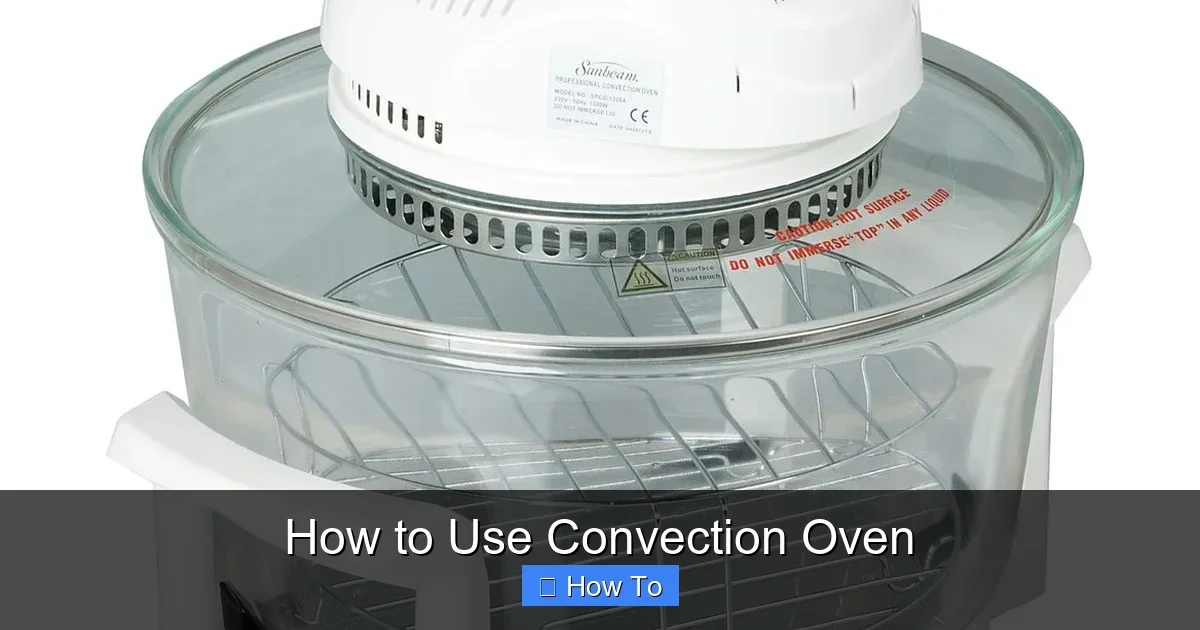
Featured image for How to Use Convection Oven
Image source: media.takealot.com
Learn how to use a convection oven with this friendly, step-by-step guide. You’ll get clear setup instructions, cooking adjustments, and quick tips to make roasting and baking faster and more even.
Key Takeaways
- Point 1: Convection ovens use a fan to circulate hot air. This cuts cook time and boosts even browning.
- Point 2: Lower temperature by about 25°F or cut cook time by 25% when using convection for most recipes.
- Point 3: Use low-sided pans and space items apart for best airflow and crisp results.
- Point 4: Check food sooner than the recipe time. Start checking at two-thirds of the original time.
- Point 5: Use convection for roasting meats, vegetables, and cookies. Avoid it for custards and delicate cakes.
- Point 6: Keep the oven clean and racks positioned properly for consistent results.
Quick Answers to Common Questions
How soon should I check food in a convection oven?
Start checking at two-thirds of the regular recipe time. Convection cooks faster. This avoids overcooking.
Should I lower temperature when using convection?
Yes. Lower by about 25°F or reduce cooking time by 25%. Either method works. Choose what feels easiest for you.
Can I use glass pans in a convection oven?
Yes, but glass heats slower. Reduce time or raise temp slightly. Metal pans brown faster and are often best.
Is preheating necessary for convection?
Yes. Preheat so the fan moves hot air at the set temp. This makes cooking times accurate.
Does convection save energy?
Often yes. Faster cooking and lower temps can reduce energy use. It also means your kitchen heats up less.
Introduction: What you will learn
This guide shows how to use convection oven step by step. You will learn setup, temperature and time changes, pan choices, and cleaning. You will also see troubleshooting tips. The goal is easy, reliable meals with even browning.
Step 1: Understand what a convection oven does
How to use convection oven starts with knowing the basics. A fan moves hot air. That air wraps around food. Heat is even. Food cooks faster. That is the big difference from a regular oven.
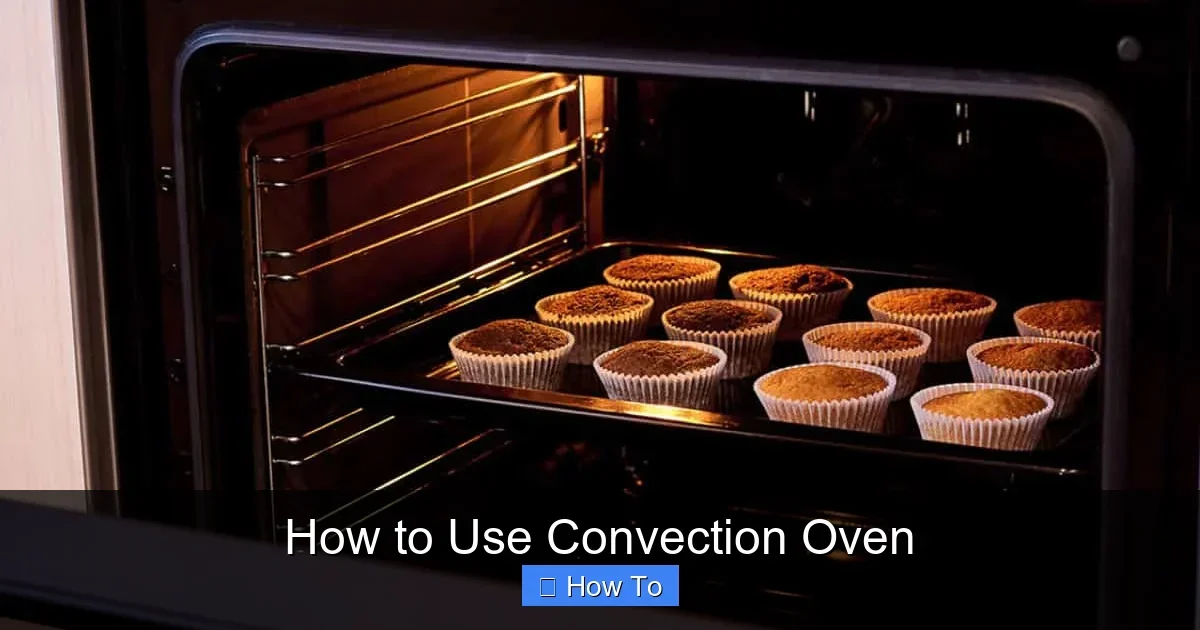
Visual guide about How to Use Convection Oven
Image source: zestfulkitchen.com
Why it matters
- The fan lowers hot and cool spots.
- Faster cooking saves time and energy.
- Food browns and crisps better.
Step 2: Read your oven controls
Not all ovens label the mode the same. Some show “Convection”, “Fan”, or “Bake with Fan”. Look for a fan icon. Your manual helps. If you have questions, your model manual or an online guide can help. For brand tips, read this article on tips and tricks for perfect results.
Step 3: Decide temperature and time changes
Recipes are often written for conventional ovens. Knowing how to use convection oven means altering temperature or time.
Temperature rule
Lower the recipe temperature by 25°F (about 15°C). For example, set 350°F to 325°F.
Time rule
Or cut cook time by 25%. Check food early. Start checking at two-thirds of the listed time.
Which method to choose?
- Lower temp for large roasts and delicate items.
- Shorter time for cookies and small items.
Step 4: Choose the right pans and rack setup
Air flow is key when you learn how to use convection oven. Use low-sided or rimless pans. Do not cover pans with foil lids. Space pans at least an inch apart. Do not overcrowd racks.
Bakeware tips
- Metal pans brown faster than glass or ceramic.
- Dark pans speed browning; lower the temp or shorten time.
- Use sheet pans on center racks for best circulation.
Step 5: Loading and positioning food
Place single racks when possible. If using two racks, stagger pans so air flows between them. For roasting a whole bird, place it on a rack so juices drip away. This helps crisp the skin.
Want to roast a turkey? Learn precise steps in our guide on how to cook a turkey in a convection oven.
Step 6: Common cooking uses
Knowing how to use convection oven means choosing the right foods.
- Great: Roasts, vegetables, sheet pan dinners, cookies, and toasted nuts.
- Good: Pies and tarts if you watch them closely.
- Not ideal: Delicate cakes, custards, and soufflés. Air can dry them out.
For potatoes, convection gives crisp skins. Find specific timing in our post about how long to bake a potato in a convection oven.
Step 7: Preheating and checking doneness
Preheat fully. Convection works best when the oven reaches temp. Use a thermometer to verify calibration. Check food earlier than the recipe time. Use an instant-read thermometer for meats. Rest roasts after cooking for juicy results.
Step 8: How to switch back to conventional baking
If a recipe must be cooked in a conventional oven, turn off the fan setting. Adjust temp and time back to the recipe’s directions. If unsure, follow the recipe and do small tests.
Step 9: Cleaning and maintenance
Keep the fan and vents clear. Wipe spills when the oven cools. For tough grime, use a recommended cleaner. Avoid spraying directly into vents. Check the manual for filter or fan care. Regular cleaning helps you maintain consistent heat and learn how to use convection oven safely.
Practical examples
Roasting chicken
Set oven to convection roast. Lower temp by 25°F or start checking earlier. Use a rack in a shallow pan. Cook until internal temp reaches 165°F in the thickest part. Let rest 10 minutes.
Baking cookies
Use a lower temp or shorter time. Space trays apart. Rotate sheets only if needed. Expect crisp edges and even color.
Vegetables
Toss in oil and spread in a single layer. Roast at a slightly lower temp than recipe says. Convection gives caramelized edges fast.
Troubleshooting: Common problems and fixes
Even with care, things can go wrong. Here are quick fixes when you learn how to use convection oven:
- Over-browning: Lower temperature 25°F or move rack down one level.
- Uneven cooking: Avoid crowding. Check that the fan works. Clean vents.
- Food too dry: Reduce time or lower temperature. Use a loose foil tent for meats.
- Recipe fails: Switch off fan and follow conventional instructions.
Safety tips
- Use oven mitts. Convection can heat pans faster.
- Keep children away from the oven door when hot.
- Turn off the fan setting when cleaning near the vents.
Final checks before serving
Always test doneness with a thermometer or a visual check. Look for even color and the right internal temperature. Let items rest when needed. These final steps seal in juices and make food taste better.
Conclusion
Now you know how to use convection oven with confidence. Start by reading your oven manual. Make small adjustments in temperature or time. Use the right pans and give items space. Check food early. With practice, you will get faster, more even, and crispier results. Enjoy easier cooking and better meals.
🎥 Related Video: Micasa Convection Oven & Multi Cooker.
📺 ScreenWeaver
Buy it now at Deals Direct – http://www.dealsdirect.com.au/micasa-convection-oven-multi-cooker/ Cook the quicker and healthier …