
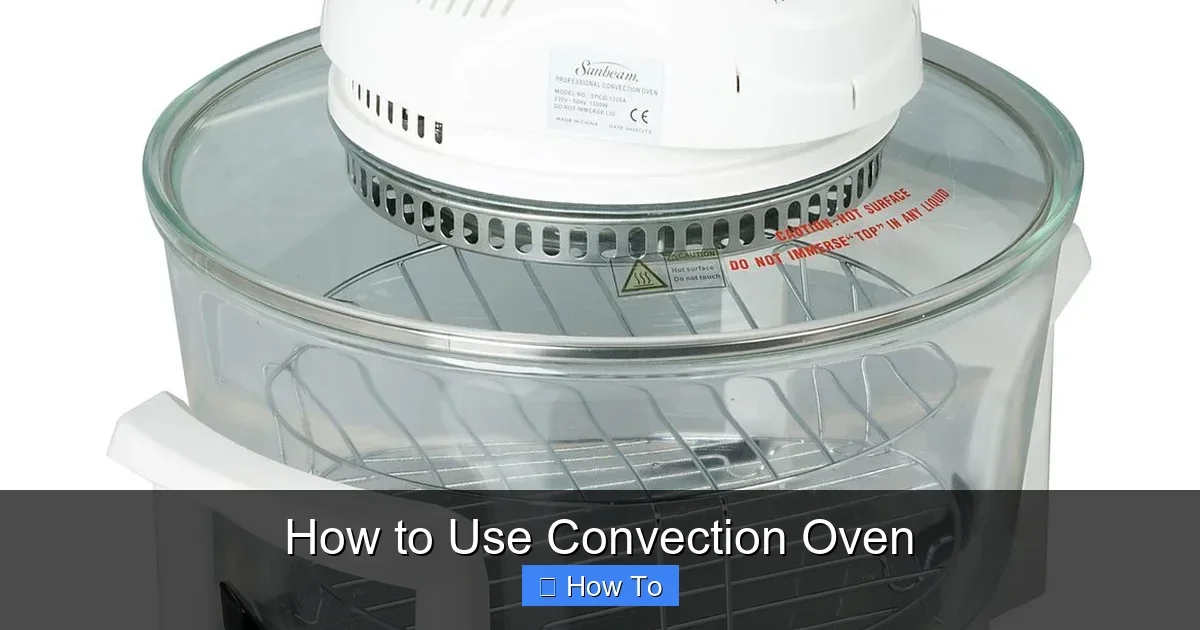
Featured image for How to Use Convection Oven
Image source: media.takealot.com
Discover how to use a convection oven like a pro with our easy step-by-step guide. From understanding fan-assisted cooking to adjusting temperatures and times, you’ll bake, roast, and more with even results. Save time and energy while avoiding common pitfalls.
How to Use Convection Oven
Hey there, home cook! Have you got a convection oven but feel unsure how to use it? You’re in the right place. This guide will teach you everything. We’ll cover the basics, step-by-step instructions, tips, and tricks. By the end, you’ll master even cooking. Say goodbye to uneven bakes and hello to pro results. Let’s dive in!
Key Takeaways
- Convection ovens use a fan to circulate hot air for even cooking and faster results.
- Reduce temperature by 25°F and time by 20-25% when converting recipes.
- Use low-sided pans to allow air flow; avoid glass or dark pans for best results.
- Rotate trays if needed for multi-rack baking to ensure uniform doneness.
- Great for roasting meats like turkey or prime rib—check our specific guides for details.
- Always preheat your convection oven for optimal performance.
Quick Answers to Common Questions
Reduce temp by 25°F?
Yes! Convert conventional recipes easily for your convection oven.
Best pans for convection?
Shiny metal, low-sided. They let air circulate freely.
Multi-rack baking?
Use every other rack and rotate halfway for even results.
Check doneness early?
Always—convection cooks 20-25% faster than regular ovens.
Fan noise normal?
Yes, it’s the air circulating. A good sign it’s working!
What is a Convection Oven?
A convection oven is like a regular oven on steroids. It has a fan and exhaust system. These circulate hot air inside. This means even heat distribution. No more hot spots!
Unlike traditional ovens, a convection oven cooks faster. It can cut cooking time by up to 25%. Food gets crispy outside and juicy inside. Perfect for baking cookies, roasting veggies, or cooking meats.
Most modern ovens have a convection setting. Look for a fan icon. Some have true convection with two fans. Others use one. Both work great.
Benefits of Using a Convection Oven
Why bother with a convection oven? First, even cooking. Everything browns nicely. Second, faster results. Save time on busy nights. Third, energy savings. Shorter cook times mean less power use.
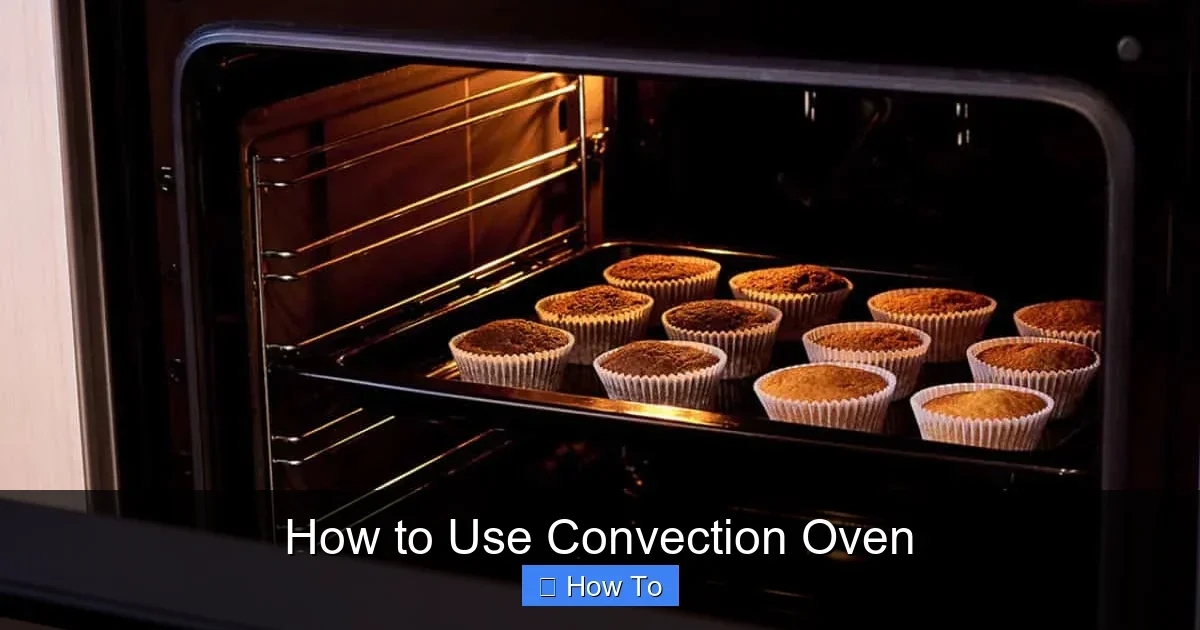
Visual guide about How to Use Convection Oven
Image source: zestfulkitchen.com
It’s versatile too. Bake multiple trays at once. Roast big birds like turkey without flipping. Cookies come out uniform. Veggies crisp up perfectly.
Pro tip: For juicy roasts, try our how to cook turkey in a convection oven guide. It shows convection magic on big meals.
Preparing Your Convection Oven
Before first use, read your manual. Every convection oven model varies slightly. Check rack positions. Ensure the fan area is clear—no foil blocking it.
Clean it well. Wipe racks and walls. Use a mild cleaner. Avoid harsh chemicals near the fan.
Step 1: Preheat Properly
Always preheat your convection oven. Set to the desired temp. It takes 10-15 minutes. The fan will hum—that’s normal.
Step 2: Choose the Right Pans
Use low-sided, shiny metal pans. Air needs to flow. Skip glass or dark pans—they absorb heat too fast. Silicone molds? Check our how to use silicone molds in oven tips for safe convection use.
Step 3: Arrange Food Smartly
Space items out. Don’t overcrowd. For multi-rack, use every other slot. Rotate halfway if baking several trays.
Step-by-Step: How to Use Convection Oven Mode
Ready to cook? Follow these steps for any convection oven recipe.
Step 1: Select Convection Mode
Turn on your oven. Press the convection button or fan icon. Some ovens auto-adjust temp. Others need manual tweaks.
Step 2: Set Temperature and Time
Drop regular oven temp by 25°F. Cut time by 20-25%. Example: 350°F conventional becomes 325°F convection. Check early—food cooks quick!
Step 3: Place Food Inside
Use oven mitts. Slide racks out. Place food on middle rack for singles. Center trays for multiples. Close door gently.
Step 4: Monitor and Check
Set a timer. Peek through the window. Use a thermometer for meats. Doneness matters more than time.
Step 5: Remove and Rest
When done, use mitts. Let food rest on a wire rack. This keeps it crispy.
Example: Baking potatoes? See how long to bake a potato in a convection oven. At 400°F convection, they’re done in 30-40 minutes—crispy skin, fluffy inside.
Adjusting Recipes for Convection Oven
Got a conventional recipe? No problem. Reduce temp 25°F. Shave 20% off time. Stir batters less—convection dries edges fast.
For cookies: Space 2 inches apart. They’ll spread evenly. Cakes: Use light pans. Fill 2/3 full.
Roasting meats? Convection shines. Try prime rib—how to cook a prime rib roast in convection oven gets perfect crust and pink center.
Baking bread? Lower temp more. Convection browns crust quick. Test with toothpick.
Best Foods and Practical Examples for Convection Oven
Convection ovens excel at certain foods. Roasts, poultry, veggies, pastries—all thrive.
- Cookies: Bake at 325°F for 10-12 min. Even golden edges.
- Roasted Veggies: 425°F convection, 20 min. Toss in oil, salt.
- Chicken Wings: 400°F, 25 min. Crispy without flipping.
- Pies: Shields on edges. Even browning top and bottom.
- Frozen Foods: No thawing needed. Air circulates heat fast.
Multi-task? Roast turkey on one rack, potatoes below. Swap spots midway. Results? Holiday dinner done quick.
For more tips, check how do I use my convection oven tips and tricks. It dives deeper into pro hacks.
Common Mistakes and Troubleshooting
New to convection ovens? Avoid these pitfalls.
Mistake 1: Wrong Pans. Glassware cooks too fast. Solution: Switch to metal.
Mistake 2: No Temp Adjustment. Food burns. Solution: Always drop 25°F.
Mistake 3: Overcrowding. Uneven cook. Solution: Space out or use more racks.
Fan Not Working? Check breaker. Clean vents. Call service if needed.
Food Too Dry? Cover loosely with foil first half. Add moisture like broth for roasts.
Oven too hot in spots? Rotate pans. Your convection oven evens out over time.
Cleaning Your Convection Oven
Keep it running smooth. Wipe after each use. For deep clean, use self-clean if available—but vent well.
Avoid ammonia sprays near fan. Try baking soda paste for grease. Remove racks first.
Check our how to use ammonia to clean oven for tough spots (use safely!).
Final Thoughts: Master Your Convection Oven Today
There you have it! Now you know how to use a convection oven. Practice makes perfect. Start simple—bake cookies or roast veggies. Soon, you’ll love the speed and evenness.
Experiment with recipes. Adjust as you go. Your kitchen will thank you. Happy cooking!
(Word count: 1672)
🎥 Related Video: How to Use Convection Oven: Convection Bake Setting | Kenmore
📺 Kenmore
Learn how to use convection oven in a few easy steps. Use the convection bake setting on your Kenmore Elite Double Oven when …