
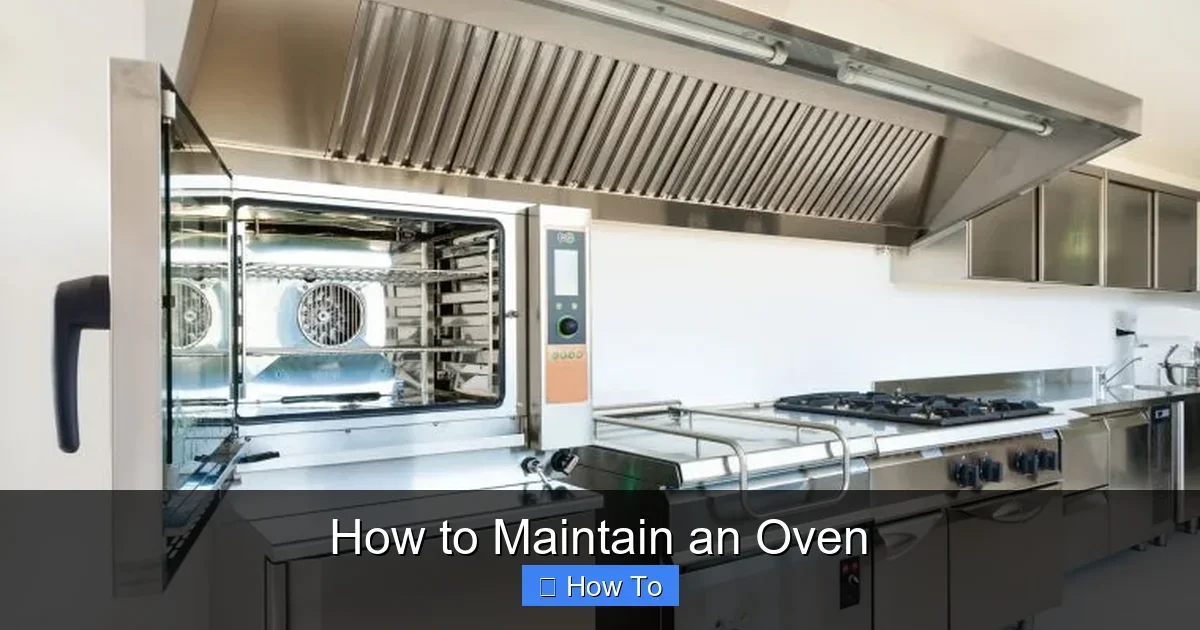
Featured image for How to Maintain an Oven
Image source: foodequipmentengineering.com.au
Maintaining your oven is simple and essential for safety, efficiency, and longevity. This guide walks you through daily habits, weekly wipes, deep cleans, and fixes for common issues. Follow these steps to avoid costly repairs and enjoy hassle-free baking.
How to Maintain an Oven
Hey there, home chef! If you love baking cookies or roasting veggies, you know your oven is a kitchen hero. But like any hardworking appliance, it needs regular care to stay reliable. In this guide on how to maintain an oven, you’ll learn everything from quick daily habits to deep cleaning tricks. We’ll cover step-by-step instructions, practical tips, and fixes for common problems. By the end, your oven will hum like new, saving you energy bills and repair costs. Let’s dive in and make oven maintenance a breeze!
Key Takeaways
- Clean spills immediately: Wipe up messes right after cooling to prevent baked-on grime and smoke.
- Check door seals monthly: Inspect for cracks to maintain heat efficiency and save energy.
- Use self-clean if available: Run the cycle safely for tough buildup, but ventilate well.
- Remove and soak racks: Do this quarterly to tackle grease without scrubbing forever.
- Test temperature accuracy: Use an oven thermometer yearly to ensure even cooking.
- Avoid harsh chemicals: Opt for natural cleaners to protect your oven’s interior.
- Schedule pro service: If issues persist, call an expert to avoid hazards.
Quick Answers to Common Questions
How often should I clean my oven?
Wipe daily, deep clean monthly. Adjust for heavy use.
Can I use oven cleaner spray?
Yes, but ventilate well. Natural options are safer long-term.
What’s the best natural cleaner?
Baking soda and vinegar – cheap and effective on grease.
Should I remove knobs for cleaning?
If removable, yes. Otherwise, wipe gently around them.
How do I know if seals need replacing?
Light leaks or poor heat retention signal it’s time.
Why Bother to Maintain Your Oven?
Regular oven maintenance keeps it safe, efficient, and long-lasting. A dirty oven smokes, uses more power, and can cause uneven cooking. Think about it: baked-on grease leads to fires or bad smells. Plus, a well-maintained oven bakes better. For example, when you dehydrate strawberries in the oven, spills can build up fast if ignored. Good habits prevent that. You’ll also spot issues early, like faulty thermostats. Ready to start? Follow these steps.
Daily Habits for Oven Maintenance
Daily care takes just minutes but pays off big. Do these after every use to maintain your oven effortlessly.
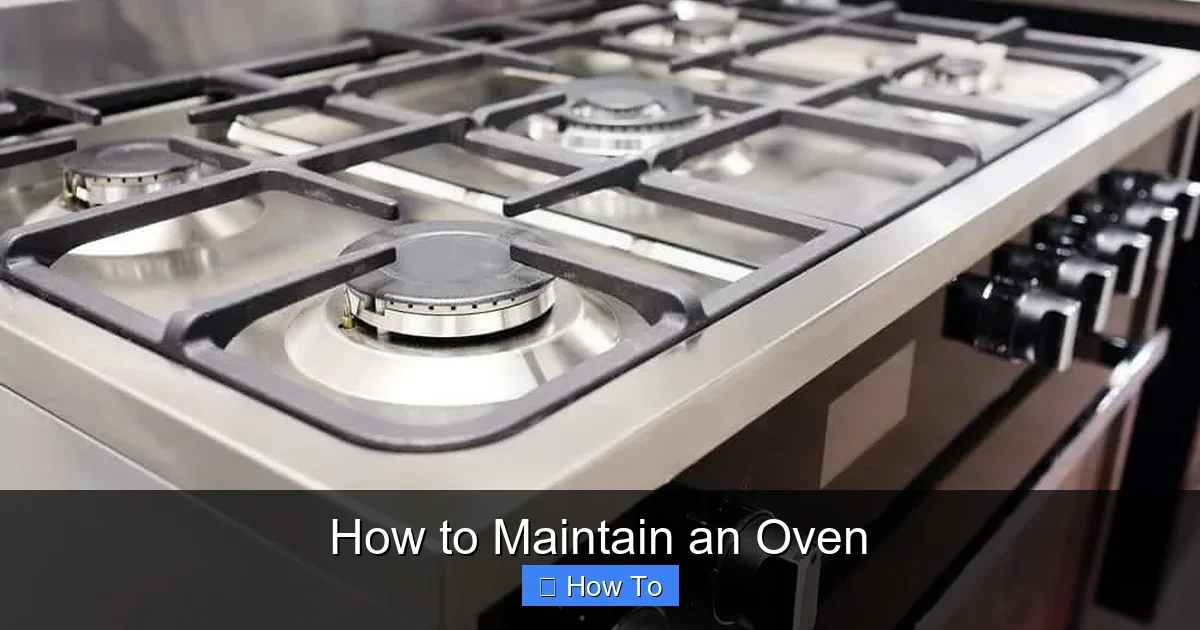
Visual guide about How to Maintain an Oven
Image source: missvickie.com
Step 1: Wipe Spills Immediately
Let the oven cool a bit. Use a damp cloth with mild dish soap. Wipe the bottom and sides. This stops spills from hardening. Pro tip: For sugary messes from pies, add vinegar to cut stickiness.
Step 2: Ventilate After Use
Crack the door open post-baking. This dries moisture and prevents mold. It also clears odors.
Step 3: Run the Fan if Equipped
Many ovens have exhaust fans. Turn it on during and after cooking. It pulls grease and steam away.
Stick to these, and you’ll rarely need deep cleans. Your oven stays fresh for tasks like maintaining an oven during busy holidays.
Weekly Cleaning Routine
Once a week, give your oven a quick spruce-up. This keeps grime from building during heavy use.
Step 1: Remove Racks and Trays
Pull them out carefully. Soak in warm soapy water for 15 minutes.
Step 2: Wipe the Interior
Spray baking soda paste (baking soda + water) on spots. Let sit 10 minutes. Wipe with a sponge. Rinse well.
Step 3: Clean the Door Exterior
Use glass cleaner on the outside. Buff to shine. Avoid soaking the edges where seals are.
Example: After roasting, this routine tackles fat splatters fast. It makes how to maintain an oven feel routine, not a chore.
Monthly Deep Clean: Tackle the Interior
Deep clean monthly for shine. Focus on tough spots.
Step 1: Self-Clean Cycle (If Available)
Check your manual. Remove racks first. Run the cycle (2-4 hours). Ventilate the kitchen – it gets smoky. Caution: Not for all ovens; skips if very dirty.
Step 2: Natural Deep Clean
Spray vinegar-water mix inside. Sprinkle baking soda. Close door for 2 hours. Scrub and wipe. Learn more in our guide on how do you clean an oven without chemicals naturally.
Step 3: Rinse and Dry
Wipe residue. Let air dry fully before use.
This method is safe and effective. It prevents residue from sugary bakes like fruit drying.
Cleaning the Oven Glass Door
A spotless door impresses guests. Here’s how.
Step 1: Cool the Oven
Wait 1-2 hours post-use.
Step 2: Apply Cleaner
Mix baking soda, vinegar, and dish soap into paste. Spread on glass. Let sit 30 minutes.
Step 3: Scrub Gently
Use a non-scratch sponge. Wipe with damp cloth. Repeat if needed. For quick tricks, see how do you clean the glass in an oven fast and easy.
Tip: Do this quarterly for crystal clarity. It boosts your oven’s look and maintenance game.
Maintaining Racks, Seals, and Knobs
Don’t forget accessories – they wear out too.
Step 1: Clean Racks
Soak overnight in tub with ammonia (outside!). Scrub and dry.
Step 2: Inspect Door Seals
Look for cracks or gaps. Wipe with soapy water. Replace if torn – costs little, saves heat.
Step 3: Wipe Knobs and Handles
Use mild cleaner weekly. Avoid soaking electronics.
Healthy seals mean even cooking, key for oven maintenance.
Quarterly Checks: Parts and Performance
Every three months, inspect deeper.
Step 1: Test Thermometer
Place oven thermometer inside. Set to 350°F. Check accuracy after 20 minutes. Adjust if off by 25°F+.
Step 2: Check Heating Elements
Look for blisters or breaks. Listen for odd hums.
Step 3: Clean Vents and Fan
Vacuum dust gently. Improves airflow.
These steps ensure your oven runs like new for years.
Troubleshooting Common Oven Issues
Problems pop up? Fix most yourself.
Issue 1: Uneven Heating
Cause: Dirty sensors. Solution: Clean and test thermometer. Rotate pans midway.
Issue 2: Door Won’t Close Tight
Cause: Bad seal. Solution: Clean or replace gasket.
Issue 3: Burning Smells
Cause: Spill residue. Solution: Deep clean interior.
Issue 4: Won’t Heat Up
Cause: Thermostat or element. Solution: Check breaker first. Call pro if persists.
For safety, unplug before checks. If gas oven, be extra careful – smell gas? Evacuate and call expert.
Seasonal and Yearly Maintenance
Twice yearly, full inspection.
Step 1: Lubricate Hinges
Use food-safe oil if squeaky.
Step 2: Professional Tune-Up
Schedule annually. They calibrate and spot hidden issues.
This pro touch extends life beyond DIY how to maintain an oven.
Pro Tips for Long-Term Oven Maintenance
- Use liners for bottoms to catch drips.
- Avoid foil on elements – blocks heat.
- Preheat fully before loading.
- For heavy users, clean bi-weekly.
- Track usage in a log for patterns.
Example: Liners help when drying fruit in an oven, catching sticky juices.
Conclusion
Congrats! You now know how to maintain an oven like a pro. From daily wipes to yearly checks, these steps keep it safe and efficient. Your reward? Perfect bakes, lower bills, and peace of mind. Start today – your next meal will taste better already. Got questions? Check our FAQs or related guides. Happy cooking!
🎥 Related Video: 5 Tips to Clean Your Oven Like a Pro
📺 Clean That Up
JOIN MY NEW PATREON HERE – https://patreon.com/CleanThatUp What’s included: ○ PDF Cleaning Guides (New Guides …