How to Use Oven Safely
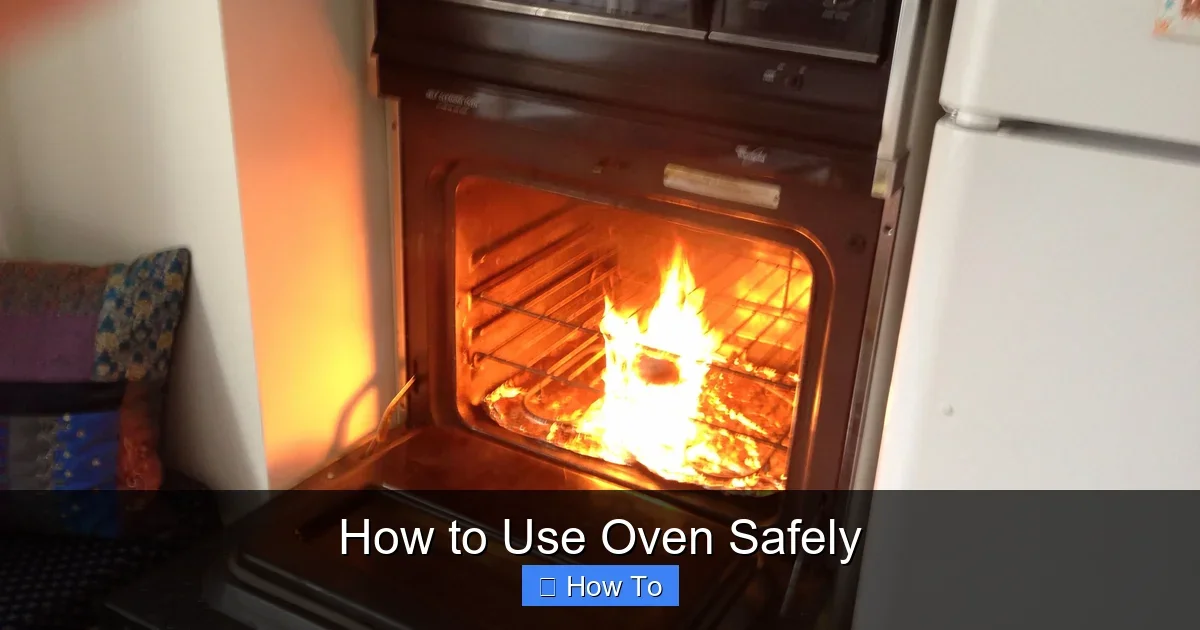
Featured image for How to Use Oven Safely
Image source: i.pinimg.com
Using your oven safely is simple with the right habits. This guide covers everything from reading the manual to cleaning without risks, helping you avoid common dangers like fires and burns. Follow these steps for worry-free cooking every time. (78 words)
How to Use Oven Safely
Hey there, home cook! If you’ve ever worried about using your oven, you’re not alone. Fires, burns, and mishaps happen too often in kitchens. But don’t stress. This guide on how to use oven safely will teach you everything you need. You’ll learn step-by-step instructions, smart tips, and fixes for common problems. By the end, you’ll bake cookies, roast veggies, or cook dinner with total confidence. Let’s make your kitchen a safe zone!
Key Takeaways
- Always read the manual: It has model-specific safety tips for how to use oven safely.
- Use oven mitts: Protect hands from burns when handling hot racks or pans.
- Never leave unattended: Stay nearby to catch issues like smoke or spills early.
- Check for damage: Inspect seals, doors, and cords before each use.
- Clean properly: Avoid harsh chemicals; use safe methods to prevent fumes.
- Preheat wisely: Set correct temps and use timers to avoid overheating.
- Know emergencies: Keep a fire extinguisher handy for grease fires.
Quick Answers to Common Questions
What’s the best temp for preheating?
Start 25°F below target. It heats evenly without stress on elements.
Can I use foil in my oven?
Yes, on racks or pans. Never cover bottom – blocks heat.
How do I avoid grease fires?
Use foil-lined trays. Clean spills fast. Keep extinguisher ready.
Is self-clean safe?
For new ovens, yes. Skip if seals are worn – fire risk.
What if my oven smells on first use?
Run empty at 400°F for 30 min. Ventilate well. Normal burn-off.
Step 1: Get to Know Your Oven Before You Start
The first rule of how to use oven safely is to understand your machine. Every oven is a bit different. Gas, electric, convection – they all have unique features.
Read the Manual
- Find your oven’s manual. It’s often online if lost.
- Learn controls, buttons, and settings like bake, broil, or self-clean.
- Note max temps and warnings. For example, some models like the Blomberg oven have special preheat times.
Pro tip: Keep the manual handy. It prevents mistakes right from the start.
Inspect for Safety Issues
- Check the door gasket. It should seal tight. Cracks let heat escape and cause fires.
- Look at the power cord. Frayed wires? Unplug and call a pro.
- Test the door latch. It must close fully.
Example: Last week, I found a loose hinge on my old oven. Fixed it fast – disaster avoided!
Step 2: Prep Your Kitchen Space
A cluttered kitchen is unsafe. Clear the area before you turn on the heat.
Visual guide about How to Use Oven Safely
Image source: yumophile.com
Clear Countertops and Floors
- Remove towels, papers, or plastics near the oven. They can catch fire easily.
- Keep kids and pets away. Use gates if needed.
- Have a clear path to unplug or shut off gas.
Set Up Safe Tools
- Grab oven mitts, timer, and potholders. Thick ones are best.
- Place a fire extinguisher nearby. Use ABC type for grease fires.
- Ensure good ventilation. Open a window or turn on the fan.
Quick example: When roasting, I always move my wooden spoon rack. One slip could spark trouble.
Step 3: Choose Safe Cookware and Place It Right
Not all pans work in heat. Wrong ones can warp, smoke, or explode.
Select Oven-Safe Materials
- Go for glass, metal, ceramic marked “oven-safe.”
- Avoid plastic, non-stick without labels, or foil on bottom racks.
- Try silicone molds for baking. They’re flexible and heat-resistant up to 450°F.
Position Racks and Pans Properly
- Use middle rack for even cooking. Adjust for broiling.
- Don’t overload. Leave 1-2 inches between pans for air flow.
- Slide racks out fully before adding food. Prevents spills.
Tip: For frozen foods, like frozen burger patties, place on a foil-lined sheet. Easy cleanup, safe temps.
Step 4: Preheat and Cook Smartly
Preheating is key, but do it right to use oven safely.
Preheat with Care
- Set temp 25-50°F below target first. Let it beep.
- Use a thermometer to verify. Ovens can lie!
- Avoid foil on racks during preheat. Blocks sensors.
Monitor Every Step
- Set a timer. Never leave alone, even for “quick checks.”
- Check midway. Rotate pans for even heat.
- Watch for smoke. Lower temp if grease pops.
Real-life tip: Baking bread? Convection fans speed it up, but check early to avoid burning.
Step 5: Handle Hot Oven Items Safely
Burns hurt! Treat everything as lava when hot.
Use Protection Always
- Wear mitts covering wrists. Test pan heat first.
- Place hot dishes on trivets, not counters.
- Open door slowly. Heat blasts out.
Avoid Steam Burns
Steam is hotter than dry heat. Let casseroles sit 5 minutes before uncovering.
Example: Pulled ribs from a 350°F oven once without mitts. Lesson learned – ouch!
Step 6: Turn Off and Cool Down Properly
Don’t rush. Let it cool fully before cleaning.
Power Down Right
- Turn to off. Unplug if possible.
- Crack door for air. Speeds cooling safely.
- Wait 2-3 hours before wiping.
Step 7: Clean Your Oven the Safe Way
Cleaning prevents buildup that causes fires.
Daily Wipes
- While warm, wipe spills with damp cloth. No soap yet.
- Use baking soda paste for stuck bits.
Deep Clean Methods
- Avoid self-clean if old model. It hits 900°F – fire risk.
- Try overnight ammonia method. Safe, no fumes.
- Vinegar spray works for glass doors.
Tip: Clean monthly. Greasy ovens smoke more.
Troubleshooting Common Oven Safety Issues
Problems pop up. Here’s how to fix them safely.
Oven Won’t Heat Evenly
Check racks or preheat longer. Calibrate if digital.
Smoke or Burning Smell
- First use? Normal. Later? Unplug, air out, check spills.
- Grease fire? Cover with lid, turn off, no water!
Door Won’t Close
Clean gasket. If broken, replace. Heat escapes = inefficiency and risk.
Strange Noises
Fan whirring? Normal in convection. Grinding? Call repair.
Bonus: For specific models, follow guides like air fryer ovens for extra safety.
Bonus: Oven Safety for Special Cooking
Want to roast peppers or dehydrate fruit? Same rules apply.
- Low temps for drying. Monitor closely.
- Foil boats for fish – safe and easy.
Practice makes perfect. Start simple, build up.
Final Thoughts: Cook Safe, Cook Happy
There you have it – your full playbook on how to use oven safely. From manual checks to cleanup, these steps cut risks big time. Remember: Prep, monitor, protect. Your family deserves safe meals. Share your tips in comments! Stay safe, happy cooking!
(Word count: 1628)
🎥 Related Video: How to Preheat an Oven: The Ultimate Guide #preheatoven #howtopreheatoven #ovenpreheat
📺 Latest Reviews
In this video, I’ll show you how to preheat an oven like a pro! I’ll cover everything you need to know, from setting the correct …