How to Use Oven Thermometer
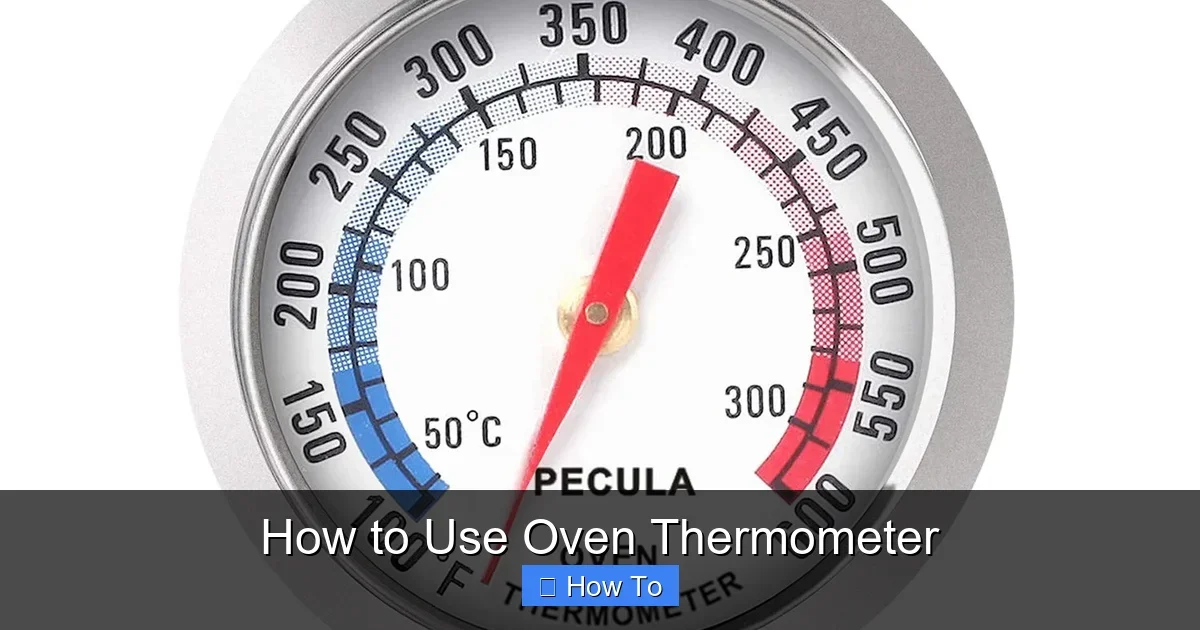
Featured image for How to Use Oven Thermometer
Image source: lgntt.com
Discover how to use an oven thermometer to achieve precise baking and roasting every time. This guide covers selection, placement, calibration, and tips for flawless results. Say goodbye to undercooked or burnt dishes with reliable temperature control.
How to Use Oven Thermometer
Ever pulled a batch of cookies from the oven only to find them gooey in the middle or burnt on the edges? Your oven’s built-in thermostat might be lying to you. Ovens can be off by as much as 50 degrees Fahrenheit. That’s where an oven thermometer comes in. It gives you the true inside story on your oven’s temperature.
In this complete guide, you’ll learn how to use an oven thermometer from start to finish. We’ll cover picking the best one, calibrating it, placing it right, reading it during cooks, and troubleshooting common issues. By the end, you’ll bake, roast, and broil like a pro. No more guesswork. Let’s get your kitchen temps spot-on.
Key Takeaways
- Choose the right oven thermometer: Pick dial, digital, or probe types based on your oven and cooking needs for accuracy.
- Calibrate before first use: Test in boiling water or ice to ensure readings match true temperatures.
- Position centrally: Place on the middle rack, away from walls and heating elements, for the most reliable heat reading.
- Monitor fluctuations: Ovens can vary by 25-50°F; use the oven thermometer to adjust settings accordingly.
- Clean gently after use: Wipe with a damp cloth and mild soap; avoid submerging unless specified as waterproof.
- Troubleshoot inaccuracies: Recalibrate or reposition if readings seem off, and check oven door seals.
- Enhance recipes: Perfect results in baking, roasting, or drying by verifying temps with your oven thermometer.
Quick Answers to Common Questions
Digital or Dial Oven Thermometer?
Digital for exact reads and alarms. Dial for simple, no-battery reliability. Choose by your style.
Best Spot for Oven Thermometer?
Center rack, middle of oven. Far from walls and heat sources. Gets true average temp.
How Often to Calibrate?
Before first use and monthly. Or after drops/heavy use. Keeps accuracy sharp.
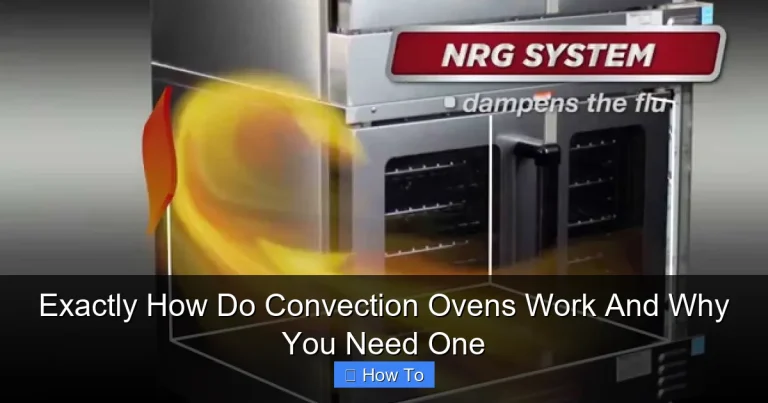
Can I Use in Convection Oven?
Yes! Expect 25°F lower readings. Adjust settings or note the difference.
Safe Max Temp for Oven Thermometer?
Most handle 550-600°F. Check label. Don’t exceed for safety.
Why You Need an Oven Thermometer
Built-in oven dials look handy. But they often drift over time. Wear and tear, dirt, or faulty sensors cause errors. An oven thermometer is your backup. It hangs or stands inside, showing real heat levels.
Benefits are huge. Cookies spread perfectly at 350°F. Roasts stay juicy without drying out. Cakes rise evenly. Even simple tasks like reheating shine. Pros use them daily. Now you can too. Invest in one today. It pays off in better food.
Types of Oven Thermometers
Not all oven thermometers are the same. Know your options before buying.
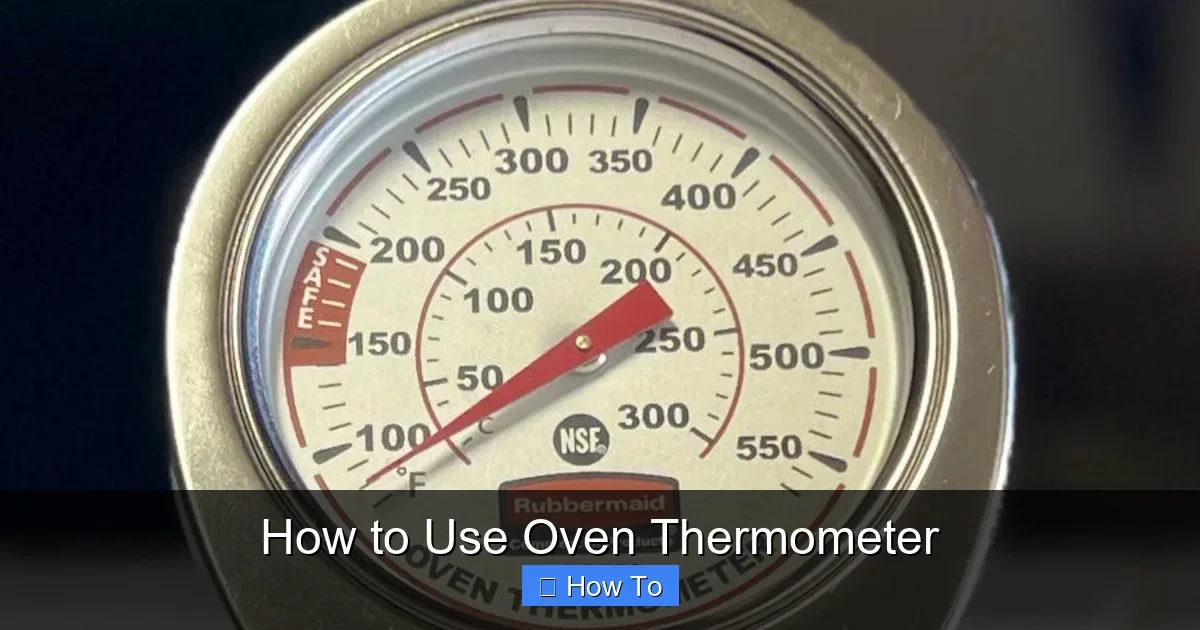
Visual guide about How to Use Oven Thermometer
Image source: eatlife.net
Dial Oven Thermometers
Classic and cheap. They have a round face with a needle. Heat moves bimetallic coils inside. Tough for high temps up to 600°F. Hang from racks. Easy to read at a glance.
Digital Oven Thermometers
Modern choice. LCD screen shows exact numbers. Some beep alarms. Wireless models send data to your phone. Great for precision. Batteries needed, so check them.
Probe Oven Thermometers
Best for meats. Long probe goes into food. Reads internal temps. Base stays outside. Perfect for roasts or turkeys. Many double as instant-read tools.
Pick based on needs. Dial for basics. Digital for tech fans. Probe for proteins. All beat guessing.
Step 1: Choose and Buy Your Oven Thermometer
Head to a store or online. Look for NSF-certified models. They meet safety standards. Check temp range: 100-550°F covers most home use.
- Read reviews for accuracy.
- Ensure heat-safe materials like stainless steel.
- Avoid cheap plastics that warp.
- Budget $10-30 for quality.
Example: Taylor or CDN brands shine. Get one with a clip or hook for stability.
Step 2: Calibrate Your Oven Thermometer
New doesn’t mean accurate. Calibrate first. It’s quick and easy.
Ice Water Method (for 32°F/0°C)
- Fill a glass with ice and water. Stir.
- Submerge probe or bulb fully. Wait 2 minutes.
- Should read 32°F. Adjust dial if possible.
Boiling Water Method (for 212°F/100°C)
- Boil water in a pot. No lid.
- Dip thermometer. Adjust for altitude if high up (subtract 1°F per 500 ft above sea level).
- Aim for 212°F. Note any offset.
Digital ones auto-adjust or have buttons. Do this monthly. Keeps your oven thermometer trustworthy.
Step 3: Preheat and Position the Oven Thermometer
Now, use it in action. Start with preheat.
- Set oven to desired temp, like 350°F.
- Place oven thermometer on center rack. Middle is best.
- Away from walls, door, or elements by 2 inches.
- Use clip or stand. Close door. Wait 20 minutes.
Why center? Heat circulates evenly there. Side spots fool you. For mini-ovens, adjust closer to food.
Step 4: Read and Monitor with Your Oven Thermometer
Peek through glass. Don’t open door much. Heat drops fast.
- Note reading. If low, bump dial 25°F.
- High? Turn down.
- Track swings. Ovens cycle on-off.
- For long bakes, check hourly.
Pro tip: Log your oven’s quirks. Say it runs 25°F hot at 400°F. Adjust recipes forever.
Practical Examples: Using an Oven Thermometer in Recipes
Let’s apply it. Precision shines here.
When baking potatoes with foil, set to 425°F. Thermometer confirms. No mushy spuds. For steaks, like in our ribeye guide, finish at 400°F oven. Probe hits 135°F inside for medium-rare.
Drying peppers? Oven-dry hot peppers at 150°F. Thermometer prevents cooking them. Cookies? 350°F steady. Even edges.
These tweaks make pros out of home cooks. Your oven thermometer is the hero.
Step 5: Remove, Clean, and Store
Cook done? Turn off oven. Use mitts. Grab hook or handle. Let cool outside.
Cleaning Tips
- Wipe with damp soapy cloth.
- Rinse. Dry fully.
- No dishwasher unless rated.
- Avoid abrasives. Scratches hurt accuracy.
Store in drawer. Cool, dry spot. Check calibration next time.
Troubleshooting Common Oven Thermometer Issues
Problems happen. Fix them fast.
Readings Off by a Lot
Recalibrate. Check battery (digitals). Replace if old.
Slow to Respond
Bad position. Move to airflow. Clean probe.
Won’t Stay Put
Use clip-on model. Or oven-safe stand.
Oven Still Uneven
Door seal bad? Test with dollar bill. Tighten hinges. Call repair if needed.
Steam or grease? Wipe inside oven. Improves all readings.
Advanced Tips for Mastering Your Oven Thermometer
Level up.
- Multi-point check: Test top, middle, bottom racks.
- Convection ovens: Subtract 25°F. Thermometer verifies.
- Altitude adjust: Boiling point drops. Note it.
- Pair with probe for meats. Double-check ambient and food temps.
- Wireless for big roasts. Monitor from couch.
For toasters or air fryers, get small models. Same rules apply.
Safety first: Never touch hot parts. Use long tongs if needed. Kids away.
Conclusion
Using an oven thermometer transforms cooking. No more ruined dinners. Precise temps mean joy in every bite. You’ve got the steps: choose, calibrate, place, read, clean. Practice on favorites. Track your oven’s personality.
Grab one today. Your kitchen will thank you. Bake on!
(Word count: 1628)
🎥 Related Video: How to use Oven Thermometer #caketutorial #baking #howtobake #cake
📺 Carnations Cakery