Blomberg Oven How to Use
Learning how to use a Blomberg oven opens up a world of cooking possibilities, from baking and roasting to grilling and slow cooking. This comprehensive guide covers everything from basic setup to advanced features, helping you get the most out of your appliance. Whether you’re a beginner or looking to master specific functions, you’ll find clear, step-by-step instructions and expert tips to make every meal a success.
If you’ve just brought home a Blomberg oven or you’ve had one for a while but never fully explored its capabilities, you’re in the right place. Blomberg is known for building reliable, feature-rich appliances that make cooking easier and more enjoyable. But let’s be honest — staring at all those dials, buttons, and symbols can feel a little overwhelming at first.
Don’t worry. By the end of this guide, you’ll feel completely confident using every feature your Blomberg oven has to offer. We’ll walk you through the basics, explore advanced functions, share pro tips, and help you troubleshoot common issues. Let’s get started.
- Understand your control panel: Blomberg ovens feature intuitive dials and digital displays that control temperature, cooking mode, and timer functions.
- Master cooking modes: Learn the difference between conventional, convection, grill, and combination modes to choose the best setting for every dish.
- Preheat properly: Always preheat your oven for 10-15 minutes before cooking to ensure even heat distribution and accurate results.
- Use the right rack position: Middle racks work for most baking, while upper racks are ideal for broiling and browning.
- Clean regularly: Use the steam clean or self-clean features to maintain your oven’s performance and extend its lifespan.
- Safety first: Always use oven mitts, keep the door closed during cooking, and ensure proper ventilation in your kitchen.
- Troubleshoot common issues: Uneven heating, error codes, and temperature inconsistencies can often be resolved with simple fixes.
📑 Table of Contents
- Getting to Know Your Blomberg Oven
- How to Use Your Blomberg Oven: Step by Step
- Exploring Advanced Blomberg Oven Features
- Tips for Getting the Best Results
- Common Mistakes to Avoid
- Troubleshooting Common Blomberg Oven Issues
- Safety Tips for Using Your Blomberg Oven
- Maintaining Your Blomberg Oven for Longevity
- Conclusion
Getting to Know Your Blomberg Oven
Before you start cooking, it helps to understand the layout and components of your Blomberg oven. Every model is slightly different, but most share a common design philosophy that prioritizes ease of use.
The Control Panel
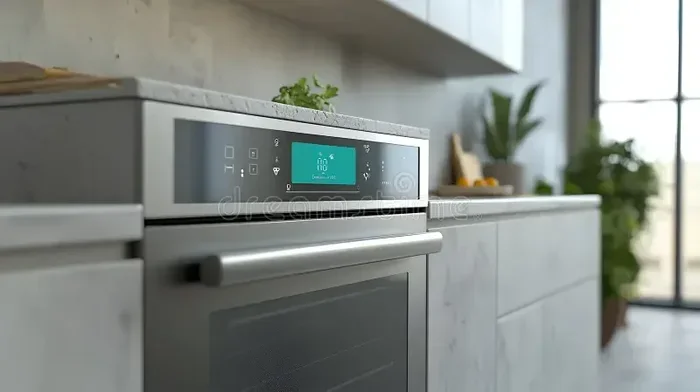
The control panel is the brain of your oven. On most Blomberg models, you’ll find a combination of rotary knobs and a digital display. The main function dial lets you select your cooking mode — things like conventional bake, fan-assisted cooking, grill, and defrost. The temperature dial or digital controls let you set the exact heat level you need.
Some newer models come with touchscreen interfaces that offer even more precision. These displays often include preset cooking programs for popular dishes like pizza, bread, and roasted meats. Take a few minutes to familiarize yourself with each button and symbol. The user manual that came with your oven is also a great reference.
Oven Cavity and Racks
Inside the oven, you’ll notice multiple rack positions — usually between five and seven levels. These adjustable racks give you flexibility depending on what you’re cooking. The middle position is your go-to for most baking tasks because it provides the most even heat distribution.
Blomberg ovens typically come with one or two wire racks and a baking tray. Some models include a telescopic rack system, which slides out smoothly so you can check on your food without reaching into the hot cavity. This is a small feature that makes a big difference in everyday use.
Understanding Oven Symbols
Those little icons on the function dial aren’t just decorative. Each symbol represents a different cooking mode. Here’s a quick breakdown of the most common ones:
- Static/Conventional: Heat comes from the top and bottom elements. Great for cakes, casseroles, and traditional baking.
- Fan Oven/Convection: A fan circulates hot air for faster, even cooking. Perfect for multi-layer baking and roasting.
- Grill/Broil: The top element provides intense direct heat. Ideal for browning, toasting, and cooking steaks.
- Fan Grill: Combines the grill element with the fan for even browning without drying out the food.
- Defrost: Uses the fan without heat to safely thaw frozen food.
- Bottom Element Only: Heat from below is great for crisping pizza bases and pie crusts.
If you want to dive deeper into what each setting does, check out our guide on how to use oven settings for a more detailed explanation.
How to Use Your Blomberg Oven: Step by Step
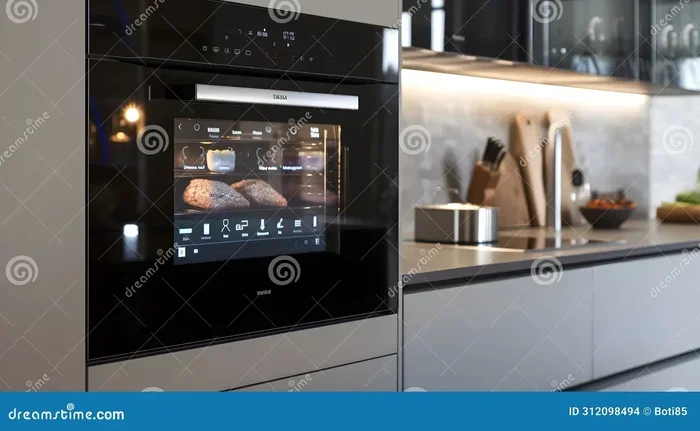
Visual guide about modern built-in oven controls
Image source: thumbs.dreamstime.com
Now that you know the parts, let’s walk through the actual process of using your Blomberg oven from start to finish.
Step 1: Prepare Your Oven
Before you turn anything on, make sure the oven is clean and free of any packaging materials or debris from previous cooking sessions. Remove the racks and give them a quick wipe if needed. Check that nothing is blocking the vents or fan at the back of the cavity.
Place your rack in the right position for what you’re cooking. Remember, the middle rack is your default for most tasks. If you’re broiling or grilling, move the rack closer to the top. For items that need a crispy bottom, like pizza, position the rack lower.
Step 2: Select Your Cooking Mode
Turn the function dial to choose your cooking mode. For general baking and roasting, the fan oven (convection) setting is usually the best choice. It cooks food faster and more evenly than conventional mode. If you’re making something delicate like a soufflé or a sponge cake, conventional mode might give you better results.
For grilling tasks, select the grill or fan grill option. The fan grill is particularly useful because it distributes the heat more evenly, reducing the risk of burning one side while the other stays undercooked.
Step 3: Set the Temperature
Use the temperature dial or digital controls to set your desired heat. Most recipes will specify the temperature you need. If you’re converting a conventional recipe to a fan oven, reduce the temperature by about 20°C (or 25°F) since fan ovens cook more efficiently.
Pro tip: If you’re unsure about your oven’s accuracy, consider using an oven thermometer to verify the internal temperature. This is especially helpful for baking, where precise heat matters.
Step 4: Preheat the Oven
This step is crucial. Always preheat your oven before putting food inside. Most Blomberg ovens take about 10-15 minutes to reach the set temperature. Many models have a preheat indicator light or beep that lets you know when the oven is ready.
Putting food in too early can lead to uneven cooking, longer bake times, and disappointing results. Patience here pays off.
Step 5: Place Your Food Inside
Once the oven is preheated, carefully place your food inside. Use oven mitts to protect your hands. Try to open the door for as little time as possible — every time you open it, the temperature drops significantly and the oven has to work harder to recover.
If you’re using a baking tray, center it on the rack. For items in oven-safe dishes, make sure there’s enough space around them for air to circulate.
Step 6: Set the Timer
Most Blomberg ovens come with a built-in timer. You can set it to count down from a specific time, and it will alert you when your food is done. Some models also offer a delay start feature, which lets you program the oven to begin cooking at a later time.
Setting a timer is one of the simplest ways to avoid overcooking. Even experienced cooks rely on timers because it’s easy to lose track of time in the kitchen. For more on this, see our article about how to use an oven timer effectively.
Step 7: Monitor and Adjust
While your food is cooking, resist the urge to open the door constantly. Use the oven light and the glass window to check on progress instead. If you do need to open the door — say, to rotate a pan or check for doneness — do it quickly.
If you notice one side is browning faster than the other, rotate the pan halfway through cooking. This is especially important in conventional mode, where hot spots are more common.
Step 8: Remove and Rest
When the timer goes off, carefully remove your food using oven mitts. Place hot dishes on a heat-resistant surface. Let roasted meats rest for a few minutes before slicing — this allows the juices to redistribute and makes for a much better meal.
Turn off the oven and let it cool down before cleaning. Never attempt to clean a hot oven.
Exploring Advanced Blomberg Oven Features
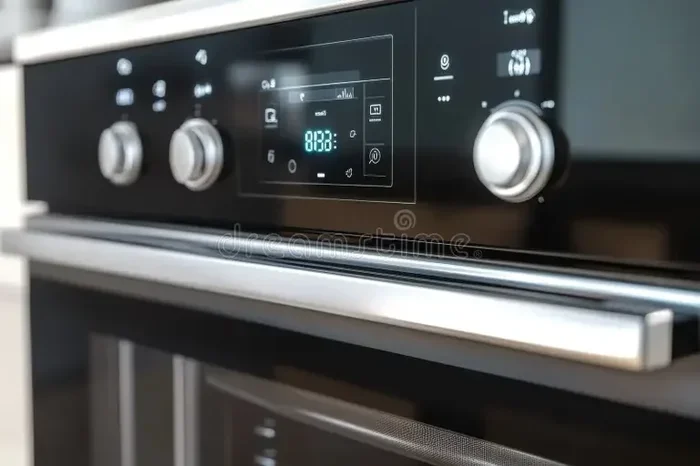
Visual guide about modern built-in oven controls
Image source: thumbs.dreamstime.com
Blomberg ovens often come packed with features that go beyond basic baking and roasting. Let’s explore some of the advanced functions you might have access to.
Convection Cooking
Convection mode uses a fan to circulate hot air throughout the cavity. This eliminates hot spots and cooks food more evenly and quickly. It’s the preferred mode for roasting vegetables, baking multiple trays of cookies, and cooking large cuts of meat.
When using convection, remember to lower the temperature by about 20°C compared to what a conventional recipe calls for. You can also reduce cooking time by roughly 25%. Our detailed guide on how to use a convection oven covers this topic in depth.
Grill and Broil Functions
The grill function activates the top heating element to provide intense, direct heat. It’s perfect for browning the tops of casseroles, melting cheese, and cooking thin cuts of meat or fish. The fan grill option combines this with the fan for more even results.
When grilling, keep a close eye on your food. The high heat can go from perfectly golden to burnt in seconds. Position the rack about 4-6 inches below the grill element for the best results.
Steam Clean Feature
Cleaning the oven is nobody’s favorite task, but Blomberg’s steam clean feature makes it much easier. This function uses water and low heat to loosen grease and food residue, so you can simply wipe it away with a cloth.
To use the steam clean feature, pour a small amount of water into the bottom of the oven, select the steam clean mode, and let it run for about 20-30 minutes. Once it’s done, wipe down the interior with a soft sponge. For a complete walkthrough, visit our guide on how to use the oven steam clean feature.
Self-Clean Function
For tougher cleaning jobs, some Blomberg models offer a pyrolytic self-cleaning mode. This heats the oven to extremely high temperatures (around 500°C) and turns grease and food residue into ash. After the cycle completes, you just wipe out the ash.
Self-cleaning is incredibly effective but does use a lot of energy and produces smoke, so make sure your kitchen is well-ventilated. Never leave the oven unattended during a self-clean cycle.
Slow Cooking Mode
Did you know your Blomberg oven can double as a slow cooker? By setting a low temperature (around 100-150°C) and using the conventional mode, you can braise meats, cook stews, and prepare tender pulled pork over several hours.
This is a fantastic way to use your oven during the fall and winter months. The results are often better than a dedicated slow cooker because the oven’s larger cavity allows for more even heat distribution. Learn more about using your oven for slow cooking in our dedicated article.
Tips for Getting the Best Results
Now that you know how to operate your Blomberg oven, here are some practical tips to help you achieve consistently great results.
Use the Right Cookware
Not all bakeware is created equal. Dark, non-stick pans absorb more heat and can cause the bottoms of your baked goods to brown too quickly. Light-colored aluminum or stainless steel pans reflect heat and give you more even results.
Glass and ceramic dishes retain heat well, which is great for casseroles and gratins. Just remember that they hold heat longer, so food continues cooking even after you remove it from the oven.
Don’t Overcrowd the Oven
Air needs to circulate around your food for even cooking. If you’re baking multiple trays, stagger them on different racks and rotate them halfway through. Overcrowding leads to uneven baking and longer cooking times.
Know Your Hot Spots
Every oven has areas that run slightly hotter than others. Pay attention to how your food cooks and adjust accordingly. If the back left corner always seems to brown faster, rotate your pans or avoid placing delicate items there.
Keep the Door Closed
Every time you open the oven door, the temperature can drop by as much as 25°F. Use the oven light and window to check on your food instead. If you must open the door, do it quickly and close it firmly.
Let Your Oven Cool Properly
After cooking, turn off the oven and let it cool naturally. Don’t place cold items directly into a hot oven or vice versa, as the sudden temperature change can damage the oven’s interior or your cookware.
Common Mistakes to Avoid
Even experienced home cooks make these errors. Here’s what to watch out for when using your Blomberg oven.
Skipping the Preheat
This is the number one mistake. Putting food into a cold oven changes the cooking time, texture, and overall quality of your dish. Always wait for the preheat indicator before loading in your food.
Using the Wrong Rack Position
Placing everything on the middle rack might seem like a safe default, but different foods benefit from different positions. Cookies and cakes do best in the middle. Broiling needs the top rack. Pizza and pies often do better on the bottom.
Ignoring the Convection Adjustment
If you’re using fan mode but following a conventional recipe without adjusting the temperature or time, you’ll likely end up with overcooked or dried-out food. Always make the conversion.
Opening the Door Too Often
We get it — you want to check on that beautiful roast. But every open door costs you heat and extends your cooking time. Trust your timer and use the window.
Neglecting Regular Cleaning
A dirty oven doesn’t just look bad — it affects performance. Built-up grease can cause smoke, odors, and even uneven heating. Clean your oven regularly using the steam clean or self-clean features.
Troubleshooting Common Blomberg Oven Issues
Running into problems? Here are some common issues and how to fix them.
Oven Not Heating
If your oven isn’t heating up, first check that it’s properly plugged in and that the circuit breaker hasn’t tripped. Make sure you’ve selected a cooking mode and set the temperature correctly. If everything looks right but the oven still won’t heat, there may be an issue with the heating element or thermostat, and you should contact Blomberg customer support.
Uneven Cooking
Uneven results usually point to hot spots or incorrect rack positioning. Try rotating your pans halfway through cooking. If the problem persists, your oven might need recalibration. An oven thermometer can help you identify temperature inconsistencies.
Error Codes
Modern Blomberg ovens display error codes when something goes wrong. Common codes relate to temperature sensor issues, door lock problems, or overheating. Consult your user manual for a list of error codes and their meanings. Many can be resolved by turning the oven off, waiting a few minutes, and restarting.
Door Not Closing Properly
A door that doesn’t seal properly lets heat escape and affects cooking performance. Check for food debris or grease around the door seal. Clean the seal gently with warm, soapy water. If the seal is damaged or worn, it may need to be replaced.
Safety Tips for Using Your Blomberg Oven
Safety should always be a top priority when working with any kitchen appliance. Here are essential guidelines to keep in mind.
- Always use oven mitts when handling hot dishes, racks, or trays. Regular kitchen towels can catch fire if they touch a hot element.
- Keep flammable items away from the oven. This includes paper towels, plastic containers, and wooden utensils.
- Never leave cooking unattended for long periods, especially when using the grill function.
- Ensure proper ventilation in your kitchen. Turn on your range hood or open a window when cooking at high temperatures.
- Keep children and pets away from the oven when it’s in use or cooling down. The exterior can get very hot.
- Don’t use the oven for heating your home. This is a fire hazard and can produce dangerous carbon monoxide levels.
For a more comprehensive safety guide, check out our article on how to use an oven safely.
Maintaining Your Blomberg Oven for Longevity
A well-maintained oven performs better and lasts longer. Here are some simple maintenance habits to adopt.
Clean Spills Immediately
When something spills inside the oven, clean it up as soon as the oven has cooled. Baked-on food is much harder to remove and can cause smoke and odors during future cooking sessions.
Check the Door Seal Regularly
The rubber gasket around the door plays a critical role in maintaining temperature. Inspect it periodically for cracks, tears, or signs of wear. A damaged seal should be replaced promptly.
Run Self-Clean Cycles Periodically
Even if you wipe down your oven regularly, running a self-clean cycle every few months helps remove stubborn buildup that you can’t reach with a sponge.
Keep the Vents Clear
Make sure the ventilation openings on your oven are never blocked. Proper airflow is essential for safe and efficient operation.
Conclusion
Learning how to use a Blomberg oven doesn’t have to be complicated. Once you understand the basic controls, cooking modes, and rack positions, you’ll find that this appliance is one of the most versatile tools in your kitchen. From everyday baking to weekend roasting adventures, your Blomberg oven is designed to deliver consistent, reliable results.
Remember the key principles: always preheat, choose the right mode for your dish, set accurate temperatures, and keep your oven clean. Don’t be afraid to experiment with different settings and features — that’s how you’ll discover what works best for your cooking style.
With the tips and techniques in this guide, you’re well on your way to becoming a confident, skilled oven user. Happy cooking!
Frequently Asked Questions
How do I preheat my Blomberg oven?
Select your desired cooking mode and set the temperature using the control dial or digital display. Wait for the preheat indicator light to turn off or for the oven to beep, which usually takes 10-15 minutes. The oven is then ready for use.
What’s the difference between conventional and fan mode?
Conventional mode uses heating elements at the top and bottom without a fan, making it ideal for delicate baked goods. Fan mode circulates hot air with a built-in fan, cooking food faster and more evenly — perfect for roasting and multi-rack baking.
How do I use the grill function on my Blomberg oven?
Turn the function dial to the grill or fan grill setting and set your desired temperature. Place the food on a rack positioned near the top of the oven, about 4-6 inches from the grill element. Monitor closely, as the high heat can burn food quickly.
Why is my Blomberg oven cooking unevenly?
Uneven cooking is often caused by overcrowding, incorrect rack placement, or hot spots within the oven. Try rotating your pans halfway through cooking, use the correct rack position for your dish, and consider using an oven thermometer to check for temperature inconsistencies.
How often should I clean my Blomberg oven?
Wipe up spills as soon as the oven cools after each use. Run the steam clean feature monthly for light cleaning, and use the self-clean cycle every 2-3 months for a deep clean. Regular maintenance keeps your oven performing at its best.
Can I use aluminum foil inside my Blomberg oven?
Yes, but use it carefully. You can line the bottom rack (not the oven floor) to catch drips, or loosely cover food to prevent over-browning. Never let foil touch the heating elements or block the fan, as this can cause damage or affect cooking performance.