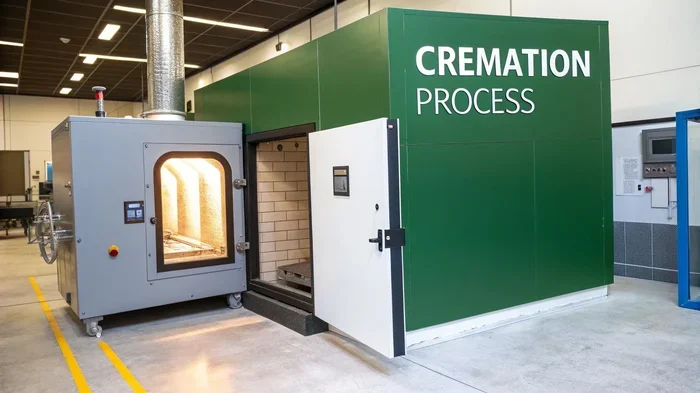
How Hot Does a Cremation Oven Get
How hot does a cremation oven get? Most cremation ovens operate between 1,400°F and 1,800°F to safely and efficiently complete the cremation process. These high temperatures ensure complete combustion within 1.5–3 hours, depending on body size and equipment type. Understanding cremation temperatures helps families and professionals appreciate the science, safety, and environmental standards behind modern cremation.
Key Takeaways
- Typical Temperature Range: Cremation ovens typically operate between 1,400°F and 1,800°F (760°C–982°C) for efficient cremation.
- Heating Time: Most cremations take 1.5–3 hours depending on body weight, oven type, and temperature settings.
- Two-Stage Process: Modern cremation uses a primary chamber (for the body) and a secondary chamber (for emissions afterburning).
- Safety Standards: Cremation ovens must meet strict environmental and safety regulations to control emissions and air quality.
- Temperature Control: Digital controls and sensors maintain precise temperatures for consistent, respectful results.
- Energy Sources: Most cremation ovens use natural gas or propane, with some newer models exploring electric options.
- Environmental Impact: Modern ovens include afterburners and filtration systems to minimize emissions and environmental harm.
📑 Table of Contents
- Understanding Cremation Oven Temperatures
- The Typical Temperature Range for Cremation
- How Long Does a Cremation Oven Take to Heat Up?
- The Two-Chamber Design of Cremation Ovens
- Temperature Control and Monitoring Systems
- Comparing Cremation Oven Temperatures to Other Ovens
- Environmental and Safety Considerations
- What Happens to Remains After Cremation?
- Common Questions About Cremation Temperatures
- The Science Behind Cremation Temperatures
- Modern Advances in Cremation Technology
- Conclusion
Understanding Cremation Oven Temperatures
When people ask how hot does a cremation oven get, they’re often surprised by the answer. These specialized machines reach temperatures that far exceed your kitchen oven or even a pizza oven. Understanding these temperatures helps explain why cremation is such an efficient and thorough process.
A cremation oven, also called a cremator or retort, is specifically engineered to handle human remains with dignity and safety. The extreme heat serves multiple purposes: it ensures complete combustion, reduces remains to bone fragments, and eliminates pathogens. Let’s explore exactly how hot these machines get and why temperature matters so much.
The Typical Temperature Range for Cremation
So, how hot does a cremation oven get during normal operation? Most modern cremation ovens operate within a temperature range of 1,400°F to 1,800°F (760°C to 982°C). This range represents the sweet spot for efficient cremation while maintaining safety and environmental compliance.
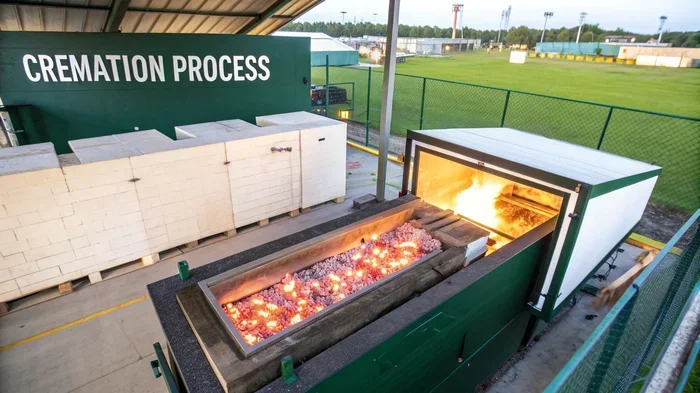
Visual guide about industrial cremation chamber
Image source: cdn.outrank.so
Starting Temperatures
Before a cremation begins, the oven must be preheated. Most facilities preheat the chamber to at least 1,000°F to 1,200°F before the process starts. This preheating ensures that the cremation begins efficiently and reduces overall fuel consumption. Think of it like preheating your oven before baking, except at dramatically higher temperatures.
Operating Temperatures During Cremation
Once the cremation process begins, temperatures typically rise to 1,600°F to 1,800°F. At these extreme temperatures, soft tissues are rapidly consumed, and bone fragments are reduced to their mineral components. The exact temperature depends on several factors including body weight, oven design, and the operator’s preferences.
Some cremation cycles may operate at slightly lower temperatures around 1,400°F to 1,500°F, particularly for smaller individuals or when using certain oven models. The key is maintaining sufficient heat for complete combustion without wasting energy.
How Long Does a Cremation Oven Take to Heat Up?
The heating time for a cremation oven varies based on the machine’s size, insulation, and fuel type. Most modern cremation ovens require 45 minutes to 2 hours to reach optimal operating temperature from a cold start.
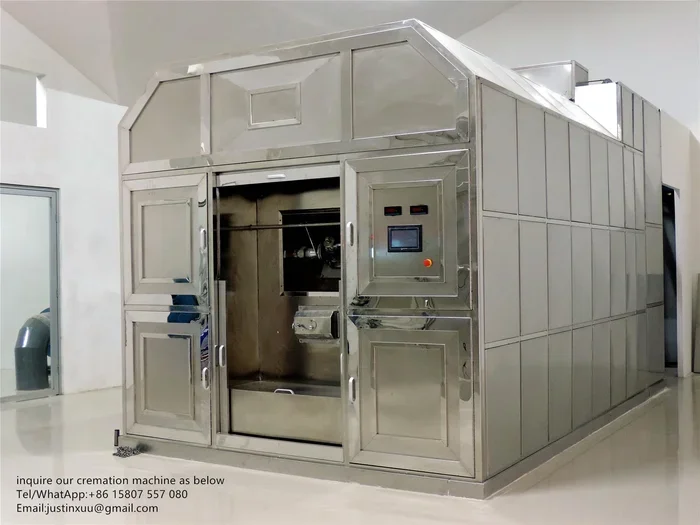
Visual guide about industrial cremation chamber
Image source: img.diytrade.com
Factors Affecting Heat-Up Time
Several factors influence how quickly a cremation oven reaches its target temperature:
- Oven size and insulation: Better-insulated ovens retain heat more effectively and reach temperature faster.
- Fuel type: Natural gas ovens typically heat faster than propane models due to more consistent fuel delivery.
- Ambient temperature: Ovens in colder facilities may take slightly longer to reach operating temperature.
- Previous cycle heat: If the oven has been used recently, residual heat reduces preheating time significantly.
Many cremation facilities run multiple services in a day, which means the oven often stays warm between cycles. This practice saves fuel and reduces wait times for families.
The Two-Chamber Design of Cremation Ovens
Modern cremation ovens use a sophisticated two-chamber design that plays a crucial role in temperature management and environmental safety. Understanding this design helps explain why cremation ovens need to reach such extreme temperatures.
Primary Combustion Chamber
The primary chamber is where the actual cremation takes place. This chamber reaches temperatures of 1,400°F to 1,800°F and houses the cremation container with the deceased. The intense heat in this chamber ensures complete combustion of all organic material.
Primary chambers are lined with specialized refractory bricks that can withstand extreme temperatures repeatedly. These bricks absorb and radiate heat, helping maintain consistent temperatures throughout the cremation process.
Secondary Combustion Chamber
The secondary chamber, also called the afterburner, operates at temperatures of 1,600°F to 2,000°F. This chamber serves a critical environmental purpose: it burns off any remaining particles, gases, and odors before they exit the stack.
The secondary chamber ensures that emissions meet strict environmental regulations. Without this afterburning process, cremation would release harmful pollutants into the atmosphere. The extreme temperatures in the secondary chamber essentially “scrub” the exhaust, making modern cremation much cleaner than older methods.
If you’re curious about how other high-temperature ovens work, you might find our article on how does a pizza oven work interesting for comparison.
Temperature Control and Monitoring Systems
Modern cremation ovens rely on sophisticated digital control systems to maintain precise temperatures. These systems ensure consistent results while maximizing fuel efficiency and minimizing environmental impact.
Digital Temperature Controllers
Today’s cremation ovens use programmable logic controllers (PLCs) that monitor and adjust temperatures automatically. These systems use thermocouples—specialized temperature sensors—placed throughout the oven to provide real-time temperature data.
The operator sets the desired temperature profile, and the PLC adjusts fuel flow and air intake to maintain optimal conditions. This automation reduces human error and ensures every cremation meets the same high standards.
Safety Interlocks and Alarms
Cremation ovens include multiple safety systems that monitor temperature and shut down the machine if unsafe conditions develop. These interlocks protect both the equipment and the operators from potential hazards.
Common safety features include high-temperature alarms, automatic shutoff valves, and emergency cooling systems. These redundancies ensure that even if one system fails, others will prevent dangerous situations.
Comparing Cremation Oven Temperatures to Other Ovens
To put cremation oven temperatures in perspective, let’s compare them to other types of ovens you might be familiar with.
Temperature Comparison Table
| Oven Type | Typical Temperature Range | Primary Use |
|---|---|---|
| Home Kitchen Oven | 200°F–500°F | Cooking and baking food |
| Pizza Oven | 700°F–900°F | Baking pizza quickly |
| Wood-Fired Oven | 600°F–1,000°F | Artisan bread and pizza |
| Cremation Oven | 1,400°F–1,800°F | Human cremation |
| Industrial Furnace | 2,000°F–3,000°F | Metal smelting and processing |
As you can see, cremation ovens operate at temperatures far exceeding anything in your kitchen. They’re closer to industrial furnaces than to cooking ovens, which makes sense given their specialized purpose.
For context, a typical pizza oven reaches about 700°F to 900°F—impressive for cooking, but less than half the temperature of a cremation oven.
Environmental and Safety Considerations
The extreme temperatures in cremation ovens aren’t just about efficiency—they’re also critical for environmental protection and public safety. Modern cremation facilities must meet strict regulations governing emissions and air quality.
Emission Control Standards
Environmental agencies set strict limits on what cremation ovens can release into the atmosphere. The high temperatures in the secondary chamber help meet these standards by ensuring complete combustion of all organic compounds.
Key emissions that must be controlled include:
- Particulate matter: Tiny particles that can affect air quality
- Carbon monoxide: A colorless, odorless gas produced during combustion
- Volatile organic compounds (VOCs): Chemicals that can contribute to smog
- Mercury: Released from dental amalgam fillings during cremation
Energy Efficiency Improvements
Modern cremation ovens have become significantly more energy-efficient over the years. Better insulation, heat recovery systems, and improved burner designs have reduced fuel consumption by up to 40% compared to older models.
Some facilities have even begun exploring electric heating elements as alternatives to gas-fired systems, though this technology is still in early stages for cremation applications.
What Happens to Remains After Cremation?
After the cremation process completes and the oven cools, bone fragments remain. These fragments are processed into the fine ash that families receive in urns. The extreme temperatures ensure that all organic material is completely consumed.
The Cooling Process
Once the cremation cycle ends, the oven must cool before remains can be collected. This cooling period typically takes 30 minutes to 1 hour. The oven door remains closed during cooling to prevent heat exposure and ensure operator safety.
After cooling, the bone fragments are carefully collected and processed. Any metal objects like surgical implants or casket hardware are removed before the fragments are ground into the final cremated remains.
Common Questions About Cremation Temperatures
Many people have questions about the cremation process and the temperatures involved. Here are some of the most common concerns:
Can Anything Survive Cremation Temperatures?
No organic material can survive the extreme temperatures inside a cremation oven. The heat is so intense that all soft tissues, organs, and even bone structure are completely consumed. Only mineral components of bone remain, which are then processed into ash.
Do Different Ovens Reach Different Temperatures?
Yes, different cremation oven models may have slightly different temperature capabilities. However, all modern cremation ovens must reach at least 1,400°F to ensure complete combustion. Some high-capacity models can reach temperatures up to 2,000°F for faster processing.
How Do Operators Ensure Consistent Temperatures?
Digital control systems maintain consistent temperatures throughout the cremation cycle. Operators monitor the process through computer interfaces that display real-time temperature data from multiple sensors throughout the oven.
The Science Behind Cremation Temperatures
Understanding the science behind cremation temperatures helps explain why these extreme heat levels are necessary. The process involves complex chemical reactions that only occur at specific temperature thresholds.
Combustion Chemistry
Cremation is essentially a controlled combustion process. At temperatures above 1,400°F, the chemical bonds in organic matter break down rapidly. Carbon, hydrogen, and oxygen combine to form carbon dioxide and water vapor, which exit through the stack.
The secondary chamber’s higher temperatures ensure that any incomplete combustion products are fully oxidized. This two-stage process is what makes modern cremation both efficient and environmentally responsible.
Heat Transfer Mechanisms
Cremation ovens use three types of heat transfer to ensure thorough combustion:
- Radiation: Heat radiates from the oven walls and ceiling onto the remains
- Convection: Hot gases circulate throughout the chamber, transferring heat
- Conduction: Direct contact with hot surfaces transfers heat to the container
This combination of heat transfer methods ensures that all surfaces receive adequate heat for complete combustion.
Modern Advances in Cremation Technology
Cremation technology has evolved significantly over the past few decades. Today’s ovens are more efficient, environmentally friendly, and reliable than ever before.
Automated Systems
Modern cremation ovens feature fully automated control systems that manage the entire cremation cycle. These systems adjust temperature, airflow, and fuel flow automatically based on real-time conditions.
Automation reduces the potential for human error and ensures consistent results. Operators still monitor the process, but the computer handles the complex adjustments needed to maintain optimal conditions.
Remote Monitoring
Some newer cremation ovens include remote monitoring capabilities that allow technicians to track performance from anywhere. This technology helps facilities maintain their equipment more effectively and identify potential issues before they become problems.
Remote monitoring also provides valuable data for regulatory compliance, automatically logging temperature data and emissions information for reporting purposes.
Conclusion
Understanding how hot does a cremation oven get reveals the sophisticated engineering behind this important process. With temperatures ranging from 1,400°F to 1,800°F, cremation ovens ensure complete, dignified, and environmentally responsible cremation.
The extreme temperatures serve multiple purposes: they ensure complete combustion, eliminate pathogens, and help meet strict environmental standards. Modern cremation technology has made this process more efficient and cleaner than ever before.
Whether you’re a funeral professional, a student, or simply curious about the cremation process, understanding these temperatures helps appreciate the science and care that goes into modern cremation services. The combination of precise temperature control, advanced emissions systems, and automated controls ensures that every cremation meets the highest standards of safety and respect.
If you found this article helpful, you might also enjoy learning about how hot does a cremation oven get in more detail, or exploring other topics about oven temperatures and their various applications.
Frequently Asked Questions
What is the minimum temperature for cremation?
The minimum temperature for cremation is typically around 1,400°F (760°C). At this temperature, complete combustion of organic material occurs efficiently. Most cremation ovens operate between 1,400°F and 1,800°F for optimal results.
How long does it take for a cremation oven to reach full temperature?
A cremation oven typically takes 45 minutes to 2 hours to reach full operating temperature from a cold start. If the oven has been used recently, residual heat can reduce this time significantly. Most facilities preheat the oven before beginning the cremation process.
Can cremation ovens reach temperatures above 1,800°F?
Yes, some cremation ovens can reach temperatures up to 2,000°F, particularly in the secondary combustion chamber. The secondary chamber uses these higher temperatures to ensure complete combustion of emissions before they exit the stack.
Why do cremation ovens need to be so hot?
Cremation ovens need extreme temperatures to ensure complete combustion of all organic material, eliminate pathogens, and meet environmental regulations. The high temperatures break down chemical bonds in organic matter, leaving only mineral bone fragments that are processed into cremated remains.
Are cremation oven temperatures regulated?
Yes, cremation oven temperatures are regulated by environmental and safety agencies. Facilities must maintain specific temperature ranges to ensure complete combustion and minimize emissions. Regular inspections and monitoring ensure compliance with these regulations.
How do cremation ovens compare to other high-temperature ovens?
Cremation ovens operate at much higher temperatures than kitchen ovens (200°F–500°F) or pizza ovens (700°F–900°F). They’re closer to industrial furnaces in terms of temperature, though they’re specifically designed for the unique requirements of human cremation.