
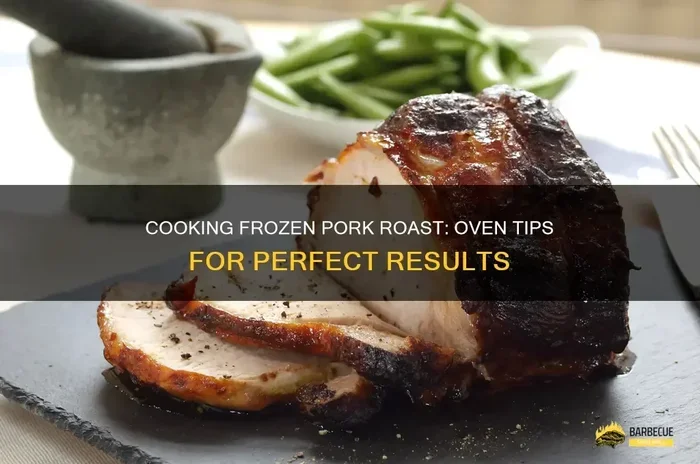
How Long to Cook a Frozen Pork Roast in Oven
Cooking a frozen pork roast in the oven takes approximately 50% longer than cooking a thawed one. A standard 3-4 pound frozen pork roast needs about 2 to 2.5 hours at 350°F. Always use a meat thermometer to ensure the internal temperature reaches 145°F for safe eating.
Key Takeaways
- Cook time increases by 50%: A frozen pork roast takes significantly longer than a thawed roast. Plan for roughly 2 to 2.5 hours for a 3-4 pound roast at 350°F.
- Temperature matters: Set your oven to 325°F–350°F. Lower temperatures cook more evenly, while higher temperatures risk drying out the exterior.
- Use a meat thermometer: The internal temperature must reach 145°F for safe consumption. This is the single most important tool for cooking any pork roast.
- Season after searing: Seasoning a frozen roast before cooking is tricky. Sear it first, then add your rub or marinade for the best flavor.
- Rest the meat: Let the roast rest for 10-15 minutes after removing it from the oven. This allows juices to redistribute throughout the meat.
- Cover with foil: Tenting the roast with aluminum foil during cooking helps retain moisture and prevents the outside from overcooking.
- Thawing is ideal but not required: While thawing overnight in the fridge gives the best results, cooking from frozen works perfectly fine when you are short on time.
Quick Answers to Common Questions
Can I cook a frozen pork roast without thawing it first?
Yes, you absolutely can. Cooking a frozen pork roast is safe and practical. Just increase the cooking time by about 50% compared to a thawed roast and always use a meat thermometer.
What temperature should I cook a frozen pork roast at?
The best oven temperature is 325°F to 350°F. This range cooks the roast evenly without drying out the exterior. Avoid going above 375°F.
How do I know when my frozen pork roast is done?
Insert a meat thermometer into the thickest part of the roast. It is done when the internal temperature reaches 145°F. This is the safe temperature recommended by the USDA.
Should I cover the pork roast with foil?
Yes, cover the roast loosely with aluminum foil for the first half of the cooking time. This traps moisture and prevents the outside from overcooking. Remove the foil for the last hour to develop a crust.
How long should I let the pork roast rest after cooking?
Let the roast rest for 10 to 15 minutes before slicing. This allows the juices to redistribute throughout the meat, resulting in a more tender and flavorful roast.
📑 Table of Contents
- Can You Really Cook a Frozen Pork Roast in the Oven?
- How Long to Cook a Frozen Pork Roast in the Oven
- Step-by-Step Guide to Cooking a Frozen Pork Roast
- Tips for the Best Frozen Pork Roast
- Common Mistakes When Cooking a Frozen Pork Roast
- Frozen vs. Thawed Pork Roast: A Comparison
- Flavor Ideas for Your Pork Roast
- Side Dishes That Pair Perfectly
- Storing and Reheating Leftovers
- Conclusion
Can You Really Cook a Frozen Pork Roast in the Oven?
Life does not always go according to plan. You pull a pork roast from the freezer, and suddenly you realize you forgot to thaw it. Do not panic. You absolutely cook a frozen pork roast in the oven without any problems. It is a safe and practical method that delivers a tender, juicy meal.
Many home cooks worry that cooking meat from frozen will ruin the texture or make it unsafe. That is simply not true. The USDA confirms that cooking frozen meat is safe as long as you adjust the cooking time properly. The key is patience and using a reliable meat thermometer.
When you cook a frozen pork roast, you are essentially doing two things at once. The oven first thaws the outer layers and then slowly cooks the meat all the way through. This process takes longer, but the results can be just as delicious as a fully thawed roast. You just need to know the right times and temperatures.
How Long to Cook a Frozen Pork Roast in the Oven
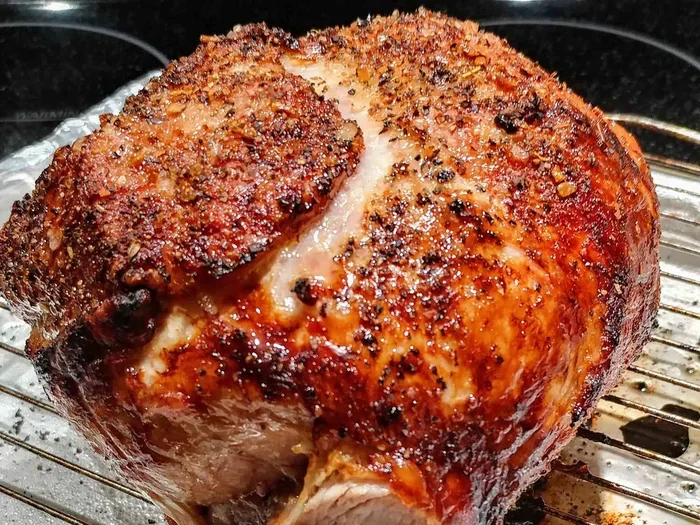
Visual guide about frozen pork roast oven
Image source: recipes.net
The general rule is simple. Cooking a frozen pork roast takes about 50% longer than cooking a thawed one. A thawed pork roast typically cooks for about 20 minutes per pound at 350°F. A frozen one needs roughly 30 minutes per pound.
Here is a handy breakdown based on the size of your roast:
Cooking Times by Weight
- 2-pound frozen pork roast: Approximately 1 to 1.25 hours at 350°F
- 3-pound frozen pork roast: Approximately 1.5 to 1.75 hours at 350°F
- 4-pound frozen pork roast: Approximately 2 to 2.5 hours at 350°F
- 5-pound frozen pork roast: Approximately 2.5 to 3 hours at 350°F
- 6-pound frozen pork roast: Approximately 3 to 3.5 hours at 350°F
These times are estimates. The actual cooking time depends on your specific oven, the shape of the roast, and whether it is bone-in or boneless. Always rely on a meat thermometer rather than the clock.
Oven Temperature Settings
The best temperature for cooking a frozen pork roast is 325°F to 350°F. This range gives you the best balance between cooking speed and even heat distribution.
At 325°F, the roast cooks more slowly and evenly. This is ideal for larger roasts because the outside will not overcook before the center thaws. At 350°F, things move along faster, but you need to monitor the roast more closely.
Avoid setting your oven above 375°F. High heat will dry out the exterior while the inside is still frozen. Low and slow is the way to go with frozen meat.
Step-by-Step Guide to Cooking a Frozen Pork Roast
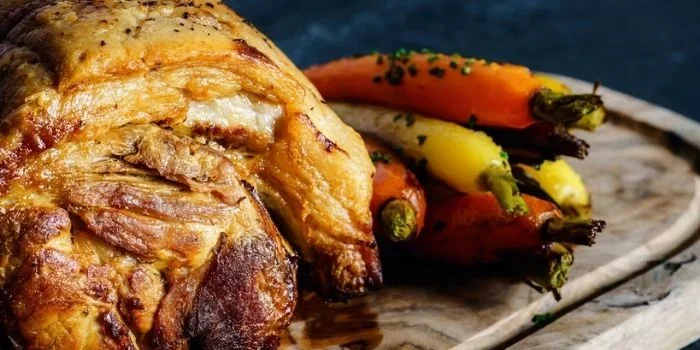
Visual guide about frozen pork roast oven
Image source: butterypan.com
Follow these simple steps for a perfectly cooked frozen pork roast every single time.
Step 1: Preheat Your Oven
Set your oven to 350°F and let it fully preheat. A properly preheated oven ensures consistent cooking from the start. This step takes about 10 to 15 minutes.
Step 2: Prepare the Roast
Remove any plastic wrapping or packaging from the frozen roast. Pat the surface dry with paper towels. You can rub the outside with a little olive oil to help it brown.
Do not worry about adding seasonings just yet. The frozen surface will not hold onto dry rubs very well. Instead, plan to add your seasonings after the first hour of cooking when the outer layer has thawed.
Step 3: Place in a Roasting Pan
Put the frozen roast on a rack inside a roasting pan. The rack elevates the meat and allows hot air to circulate underneath. If you do not have a rack, you can place the roast directly in the pan.
Add about half a cup of water or broth to the bottom of the pan. This creates steam that helps keep the roast moist during the long cooking process.
Step 4: Cover with Foil
Tent the roasting pan loosely with aluminum foil. Covering the roast traps moisture and prevents the outside from browning too quickly. Leave a small gap for some steam to escape.
Keep the foil on for the first half of the cooking time. Then remove it during the last hour to allow the outside to develop a beautiful golden crust.
Step 5: Add Seasonings
After about an hour, the outer layer of the roast will have thawed. This is the perfect time to add your seasonings. Remove the foil and rub your spice blend all over the surface.
A classic pork roast seasoning includes garlic powder, onion powder, paprika, salt, pepper, and dried thyme. You can also brush on a glaze during the last 30 minutes for extra flavor.
Step 6: Check the Temperature
Insert a meat thermometer into the thickest part of the roast. Make sure the probe does not touch bone. The pork is done when the internal temperature reaches 145°F.
This is the USDA recommended temperature for safe pork consumption. At 145°F, the meat will be slightly pink in the center and incredibly juicy.
Step 7: Rest the Meat
Once the roast reaches 145°F, remove it from the oven. Transfer it to a cutting board and tent it loosely with foil. Let it rest for 10 to 15 minutes.
Resting is crucial. It allows the juices to settle back into the meat. If you cut into the roast immediately, all those flavorful juices will run out onto the cutting board.
Tips for the Best Frozen Pork Roast
These expert tips will help you get restaurant-quality results from your frozen pork roast.
Use a Meat Thermometer Every Time
This cannot be stressed enough. A meat thermometer removes all the guesswork. Oven temperatures vary, and roast shapes are different. The only way to know for sure that your pork is done is to check the internal temperature.
Instant-read thermometers are affordable and easy to use. They are one of the best investments you can make for your kitchen.
Do Not Skip the Resting Period
It is tempting to dig right into a hot pork roast. But those 10 to 15 minutes of resting make a huge difference. The temperature will continue to rise by about 5 degrees during resting, and the meat will become noticeably more tender.
Add Liquid to the Pan
Pouring a small amount of broth, apple juice, or even water into the bottom of the pan does two things. It prevents drippings from burning and creates a flavorful steam that keeps the roast moist.
You can use those pan drippings to make a simple gravy after the roast is done. Just strain off the fat, heat the liquid, and thicken it with a cornstarch slurry.
Consider a Marinade After Thawing
If you want deeper flavor, brush a marinade or sauce onto the roast after the first hour. The thawed surface will absorb flavors much better than frozen meat.
Apple cider vinegar, soy sauce, honey, and mustard make a fantastic glaze. Brush it on during the last 30 minutes of cooking for a sticky, caramelized exterior.
Common Mistakes When Cooking a Frozen Pork Roast
Even experienced cooks make these mistakes. Here is what to avoid.
Cooking at Too High a Temperature
Cranking up the oven to speed things backfires every time. The outside dries out and overcooks while the inside stays frozen. Stick to 325°F–350°F for the best results.
Not Using a Thermometer
Guessing the cooking time is risky. Undercooked pork is unsafe, and overcooked pork is dry and tough. A thermometer takes the uncertainty out of the equation.
Skipping the Foil Cover
Without foil, the roast loses moisture rapidly. The exterior becomes tough and chewy. Always cover the roast for at least the first half of the cooking time.
Cutting Into the Roast Too Soon
Slicing the meat before it rests causes all the juices to escape. Be patient and let the roast sit for a full 10 to 15 minutes before carving.
Seasoning Too Early
Sprinkling dry rubs on a frozen roast is mostly wasted effort. The seasoning will not stick and will fall off into the pan. Wait until the surface has thawed before adding your spices.
Frozen vs. Thawed Pork Roast: A Comparison
Understanding the differences helps you choose the best approach for your situation.
| Factor | Frozen Pork Roast | Thawed Pork Roast |
|---|---|---|
| Cooking Time | 50% longer (about 30 min/lb) | Standard (about 20 min/lb) |
| Seasoning Adhesion | Better after partial cooking | Excellent from the start |
| Texture | Very similar when done right | Slightly more even cooking |
| Planning Required | No planning needed | 24 hours in the fridge |
| Internal Temp Target | 145°F | 145°F |
| Best For | Last-minute meals | Planned dinners and special occasions |
As you can see, both methods produce excellent results. The frozen approach is perfect for those nights when you need dinner on the table without advance planning.
Flavor Ideas for Your Pork Roast
Pork is a versatile meat that pairs well with many flavor profiles. Here are some ideas to inspire your next meal.
Classic Herb Rub
Mix together dried rosemary, thyme, garlic powder, salt, and black pepper. This timeless combination brings out the natural sweetness of the pork.
Sweet and Tangy Glaze
Combine brown sugar, Dijon mustard, apple cider vinegar, and a pinch of cayenne. Brush this on during the last 30 minutes for a sticky, caramelized crust.
Smoky BBQ Style
Use your favorite barbecue rub and finish with a brush of BBQ sauce. The smoky flavors pair beautifully with pork.
Garlic and Butter
Insert thin slices of garlic into the roast and top with pats of butter. This creates an incredibly rich and savory result.
Side Dishes That Pair Perfectly
A great pork roast deserves great sides. Here are some classic pairings.
- Roasted potatoes: Crispy on the outside, fluffy on the inside. They cook right alongside the roast.
- Steamed green beans: Fresh and light, they balance the richness of the pork.
- Applesauce: A traditional pairing that adds a touch of sweetness.
- Mashed sweet potatoes: Creamy and naturally sweet, they complement pork beautifully.
- Roasted Brussels sprouts: Caramelized and slightly bitter, they add great texture to the plate.
Storing and Reheating Leftovers
Pork roast makes fantastic leftovers. Store sliced pork in an airtight container in the refrigerator for up to 4 days. You can also freeze leftovers for up to 3 months.
To reheat, place slices in a baking dish with a splash of broth. Cover with foil and warm at 325°F for about 15 minutes. This keeps the meat moist and tender.
Leftover pork roast also works wonderfully in sandwiches, tacos, soups, and stir-fries. Do not let a single bite go to waste.
Conclusion
Cooking a frozen pork roast in the oven is easier than most people think. The key points to remember are simple. Set your oven to 325°F–350°F. Plan for about 30 minutes per pound. Always use a meat thermometer and cook to an internal temperature of 145°F. Cover with foil for the first half of cooking, and let the roast rest before carving.
You do not need to thaw your pork roast to get a delicious dinner. With the right technique, a frozen pork roast can be just as juicy and flavorful as one that was thawed overnight. So the next time you forget to pull something from the freezer, do not stress. You have got this covered.
Now go ahead and put that frozen roast in the oven. In a couple of hours, you will be sitting down to a warm, comforting meal that tastes like you planned it all along.