Air Fryer Cooking Basics Every Beginner Should Know
Air fryer cooking basics help you achieve crispy, delicious meals with less oil. This guide covers temperature, timing, prep, and safety for confident beginners. Start with simple recipes and watch your kitchen skills and enjoyment crisp right up.
[breathe] Air fryers look like mini spaceships, but they are simple, safe, and super beginner-friendly once you know a few core ideas. This guide walks you through air fryer cooking basics every beginner should know, from temperature and timing to prep and cleanup. By the end, you will feel confident cooking crispy, healthy meals with less oil and more flavor.
### Air fryer cooking basics for beginners
An air fryer uses a fan to move hot air around food, creating a crisp, fried-like texture with far less oil. Unlike a deep fryer, it cooks with rapid air instead of lots of hot oil. This makes it a healthier choice while still delivering that satisfying crunch you love. Think of it as a compact, fast convection oven that sits on your counter.
Most models have a heating element at the top and a fan that circulates air. You place food in a basket or on a tray, set the temperature and time, and let it cook. Many have presets for fries, chicken, fish, and more. Knowing how to use these settings is part of air fryer cooking basics that help you avoid guesswork and get delicious results every time.
### Preheat like a pro
Preheating matters because it gets the air hot before food hits the basket. Hot air cooks faster and more evenly. For most air fryers, set the temperature about 20 degrees below your final cook temp, then add three to five minutes to the start time. For example, if a recipe calls for 400°F, set to 375°F for three to five minutes, then raise to 400°F and add the food.
Preheating is one of the most overlooked air fryer cooking basics, but it helps crusts form and reduces total cook time. It is especially helpful for frozen foods, breaded items, and anything that needs a crisp exterior. If your air fryer is small or heats quickly, you may only need two to three minutes. For larger models or thicker foods, give it the full five minutes.
### Use the right temperature and time
Temperature is the main driver of texture in an air fryer. Too low, and food steams; too high, and it burns before the inside cooks. Start with recipes from trusted sources, then tweak based on what you see and taste. Most air fryer cooking basics involve temperatures between 350°F and 400°F, but some items work well at lower or higher settings.
Frozen foods often do best at 375°F to 400°F for crisp results. Vegetables may cook nicely at 350°F to 375°F to stay tender and caramelized. Proteins like chicken, fish, and shrimp typically do well around 375°F to 400°F. Baking small cakes or desserts may call for 325°F to 350°F. Always check near the end of the suggested time and use a quick temperature check with a meat thermometer for safety.
### Prep food for maximum crisp
How you prep food changes how it cooks. Patting proteins and vegetables dry removes surface moisture that can create steam instead of crisp. Lightly brushing or spraying oil helps the outside brown and crisp, even in an air fryer that needs less oil than deep frying. For frozen items, shake off any extra ice or freezer clumps before they hit the hot basket.
Cutting food into similar sizes helps everything cook at the same rate. Smaller pieces crisp faster, while larger pieces may need more time or a lower temperature at first. If you are cooking a mix of foods, start with the item that needs the longest time and add delicate pieces later. These prep habits are core air fryer cooking basics that boost texture and flavor.
### Arrange food for even cooking
Air needs space to move. Crowding the basket blocks airflow and leads to steaming instead of crisping. Cook in a single layer with a little gap between pieces. If you must cook more at once, layer a perforated rack or use two batches. Shake the basket or flip food halfway through for even browning.
Some air fryers have racks or accessories that change airflow. Read the manual for your model and learn how to position food for best results. One of the simplest air fryer cooking basics is to avoid piling food into a dense mountain. Give each piece room so the hot air can reach all sides.
### Shake, flip, and check doneness
Most foods need a little movement during cooking. Shaking the basket or flipping pieces helps them brown evenly and prevents sticking. Set a timer reminder halfway through to prompt you to shake or turn food. For things that are not easy to flip, use tongs and a quick, careful motion.
Checking doneness is part of air fryer cooking basics that keep food safe and tasty. Use a meat thermometer for proteins; poultry should reach 165°F, ground meats 160°F, and fish 145°F. For vegetables, test tenderness with a fork; they should be crisp-tender, not mushy. If the outside is done but the inside needs more heat, lower the temperature slightly and extend the time, or finish under a low broil for a few minutes if your model allows.
### Manage oil and fat the healthy way
You do not need a lot of oil to get great texture. A light mist or a thin brush adds flavor and helps browning without making food greasy. Use high smoke point oils like avocado, canola, or light olive oil for best results. Avoid heavy batters or wet marinades right at the start, as they can make food soggy.
If you are air fryer cooking basics for health, focus on lean proteins, lots of vegetables, and minimal added fat. You can still enjoy flavor with herbs, spices, citrus, and low-sodium sauces. Remember that some store-bought items already contain oil, so you may not need to add much at all.
### Clean and care for your air fryer
Cool the appliance fully before you clean it. Remove the basket and tray and wash them with warm, soapy water or in the dishwasher if the manual allows. Wipe the interior and heating element area gently with a damp cloth, avoiding harsh abrasives. Do not immerse the main unit in water.
Keeping your air fryer clean is part of air fryer cooking basics because grease buildup can affect performance and smoke points. Check the manual for specific instructions on your model. A quick wipe after each use and a deeper clean once a week helps maintain airflow and cooking quality.
### Try beginner-friendly foods
Start with simple, forgiving recipes to build confidence. Frozen fries, tater tots, and chicken nuggets are great for learning temperature and timing. Roasted vegetables like broccoli, carrots, and bell peppers become sweet and crisp with just a little oil and salt. Air fryer cooking basics also cover proteins like chicken breasts, drumsticks, fish fillets, and shrimp, which cook quickly and evenly.
You can make mini meatballs, roasted nuts, or even reheat pizza for a crispier snack. As you get comfortable, try baking small desserts, toasting bread, or warming leftovers without drying them out. The more you experiment within air fryer cooking basics, the more you will discover what works in your machine.
### Troubleshooting common issues
If food comes out uneven, try shaking the basket more often or using a rack for better airflow. Soggy results usually mean excess moisture or not enough heat at the start. Raising the temperature slightly or extending the preheat can help. Burning on the outside but raw inside usually means the temperature is too high or the pieces are too thick for the chosen time.
Sticking is less common in air fryers than in pans, but lightly oiling the basket or using a perforated liner can help. If smoke appears, reduce the temperature, check for oil drips, and make sure you are not overfilling the basket. These fixes are part of practical air fryer cooking basics that keep meals tasty and your appliance safe.
### Work with your air fryer model
Not all air fryers behave the same. Small countertop units heat faster, while larger basket or oven-style models may need slightly longer times. Read the manual, test with simple recipes, and note what works best in your kitchen. Understanding your machine is a key part of air fryer cooking basics.
Use presets as a starting point, then adjust based on results. Keep a simple log of temperatures, times, and tweaks for your favorite foods. Over time, you will develop an intuitive sense for air fryer cooking basics and can rely less on guesswork.
### Safety and smart habits
Always place the air fryer on a stable, heat-resistant surface away from walls and clutter. Keep fingers and tools away from the hot basket and heating element. Use pot holders or silicone grips, and be careful with steam when opening the unit. These safety habits are part of air fryer cooking basics that protect you and your kitchen.
Unplug the appliance when not in use and keep the cord tidy. Do not run it empty for long periods, as this can cause overheating. Following safety and care steps completes air fryer cooking basics and helps your appliance last longer.
### From basics to creativity
Once you master air fryer cooking basics, you can experiment with flavors, textures, and timing. Try dusting veggies with spices before roasting, using marinades with moderate moisture, or finishing dishes with fresh herbs and citrus. The air fryer can handle roasted snacks, quick weeknight dinners, and even small batches of doughnuts.
As you build skills, you will find that air fryer cooking basics fit easily into busy days. You get faster meals, less cleanup, and a lighter way to enjoy foods you love. With a little practice, you will cook with confidence and enjoy delicious, crispy results again and again.
What temperature should I start with as a beginner?
Start with 375°F for most frozen and protein foods, and 350°F for vegetables and delicate items. Preheat for three to five minutes and adjust after you see how your air fryer performs.
Do I need to use oil in an air fryer?
You do not need much oil. A light spray or brush helps crisp food, but many foods cook well with just the oil already in them or from a nonstick basket.
How do I know when food is done?
Look for golden browning, check tenderness with a fork, and use a meat thermometer for proteins. Internal temperature and texture tell you more than the timer alone.
Can I cook multiple foods at once?
Yes, if you keep a single layer and leave space for airflow. Cook items with similar times and temperatures together, and use a rack if your model supports it.
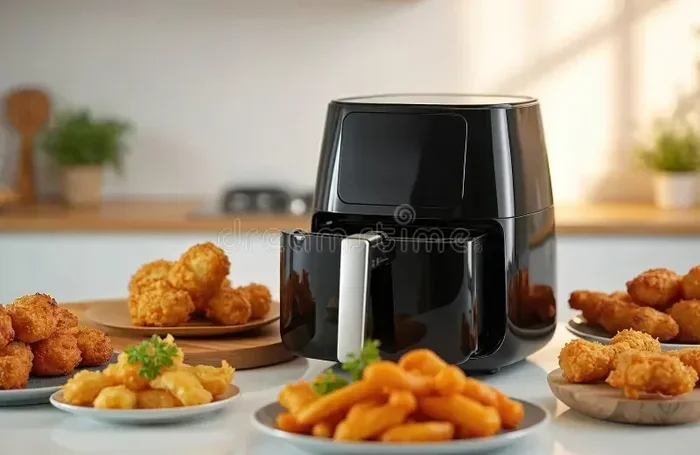
Visual guide about crispy air fryer food plated
Image source: thumbs.dreamstime.com
How often should I clean my air fryer?
Clean the basket and tray after each use if possible, and wipe the interior at least once a week. Regular cleaning keeps your air fryer performing at its best.
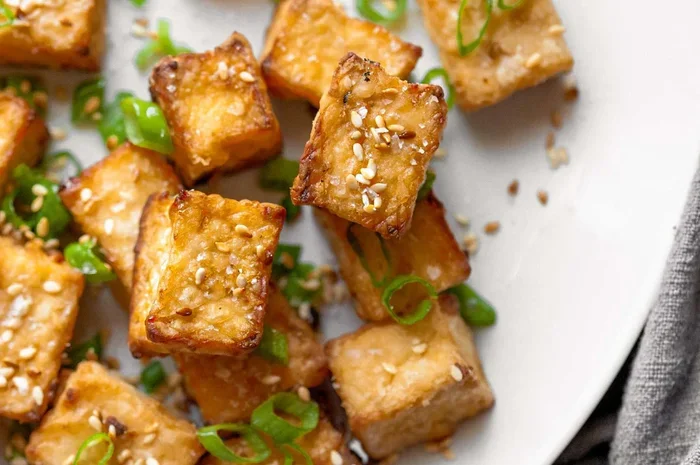
Visual guide about crispy air fryer food plated
Image source: simplyrecipes.com
Are air fryer results really healthier than frying?
Yes, air fryer cooking basics make it easy to enjoy crispy textures with much less oil, fewer calories, and less saturated fat compared to deep frying.
- Preheat always: 3-5 minutes at cooking temperature for even results.
- Shake and check: Shake food halfway through and use a quick temperature check for perfect doneness.
- Pat dry & spray: Dry surfaces and a light oil spray boost crispiness.
- Avoid crowding: Single-layer spacing keeps airflow strong and fries crisp.
- Know your foods: Frozen, veggies, proteins, and baked goods each have ideal settings.
- Safety first: Use heat-safe trays, hot pads, and cool-down before cleaning.
Quick Answers to Common Questions
What is Air Fryer Cooking Basics Every Beginner Should Know?
Air Fryer Cooking Basics Every Beginner Should Know refers to essential knowledge and techniques.
Frequently Asked Questions
Do I need to preheat my air fryer?
Yes, preheating for three to five minutes helps food cook evenly and develop a crisp crust, which is one of the key air fryer cooking basics.
Can I use parchment paper in the air fryer?
You can use parchment paper if it fits without touching the heating element, but avoid blocking vents. Some recipes work better without it.
What is the best first recipe for a beginner?
Frozen fries or simple roasted vegetables are great starter recipes to learn temperature, timing, and airflow in air fryer cooking basics.
How do I prevent food from sticking?
Lightly oil the basket, use parchment or a perforated liner, and avoid overcrowding. These air fryer cooking basics reduce sticking and improve release.
Can I bake a cake in an air fryer?
Yes, small cakes and desserts work well at lower temperatures around 325°F. Check doneness early and use a light batter for best air fryer cooking basics results.
Is it safe to leave my air fryer unattended?
Stay nearby while it is on, keep it on a stable surface, and do not leave it running for long periods when not home. Following these safety steps is part of air fryer cooking basics.