How Air Fryers Reduce Oil Usage Compared to Deep Frying
Air fryers use up to 80% less oil than traditional deep frying while delivering similar crispy results. This innovative kitchen appliance leverages rapid air circulation to cook food with minimal fat. You can enjoy your favorite fried dishes with significantly reduced calories and fat content. Switching to an air fryer is a simple step toward healthier cooking.
Key Takeaways
- Up to 80% less oil: Air fryers require just a tablespoon of oil compared to deep frying’s submersion method.
- Healthier cooking: Significantly lower fat and calorie content in your finished dishes.
- Similar texture and taste: Achieve that coveted crispy exterior without the greasy feel.
- Easy cleanup: No more dealing with large quantities of old, used oil.
- Versatility: An air fryer can do more than just fry, acting as a compact, efficient oven.
- Reduced kitchen odors: Less oil means fewer lingering cooking smells.
Quick Answers to Common Questions
Question 1: How much oil do I actually need to use in an air fryer?
You only need a small amount, usually just one to two tablespoons, or a light spray of cooking oil. The hot air does the heavy lifting.
Question 2: Can I put any food in an air fryer that I would deep fry?
While many foods work well, it’s best to avoid overly wet batters or breading that requires a lot of oil to adhere. Dry seasonings and thin batters typically work best.
Question 3: Does air frying make food healthier automatically?
It makes the cooking method healthier by drastically reducing oil, but the nutritional value also depends on the food you choose. Air-frying vegetables is very healthy, while air-frying processed snacks is a better option than deep-frying, but still should be done in moderation.
Question 4: Is the clean-up for an air fryer easier than deep frying?
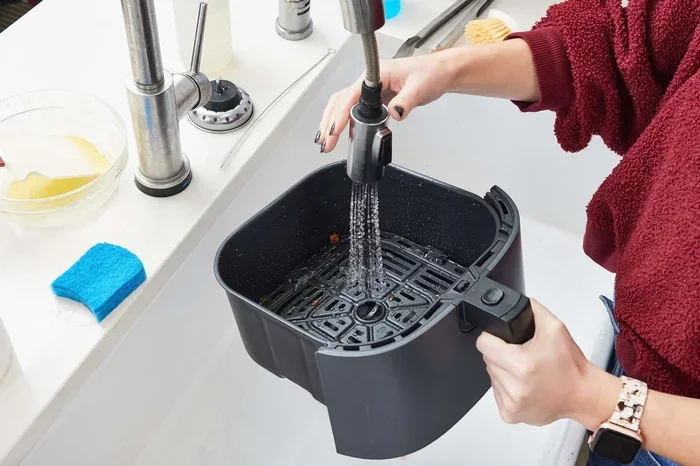
Absolutely. You simply remove the basket and wash it, often with just soap and water. There is no need to dispose of large quantities of used oil.
Question 5: Do air fryers use a lot of electricity?
No, they are quite efficient. Because they are smaller and cook food faster than a conventional oven, they typically use less energy overall.
📑 Table of Contents
Introduction: The Appeal of Fried Food, Reimagined
There is no denying the appeal of perfectly fried food. From golden, crispy chicken wings to crunchy French fries, the deep-fried experience is deeply satisfying. However, the classic method comes with a heavy cost. The process requires submerging food in large amounts of hot oil, resulting in dishes that are often high in calories, fat, and grease. Cleanup is a greasy ordeal, and the lingering smell can take over your kitchen. But what if you could have your fried foods without all the guilt and mess? This is where the modern air fryer steps in, offering a revolutionary solution. An air fryer promises the same crave-worthy crunch with a fraction of the oil. In this article, we’ll explore exactly how air fryers reduce oil usage compared to deep frying, making them a smart choice for health-conscious home cooks.
Understanding the mechanics behind this culinary shift can empower you to make better choices for your kitchen and your well-being. You don’t need to be a professional chef to appreciate the benefits of reduced oil cooking. The technology is designed to deliver maximum flavor and texture with minimal fat. By the end of this article, you’ll have a clear picture of why so many people are making the switch. It’s about enjoying the foods you love in a way that aligns with a healthier lifestyle.
The Science Behind Air Frying: How It Works
To understand how air fryers reduce oil usage, you first need to understand how they work. At its core, an air fryer is a compact, high-powered convection oven. A heating element at the top of the unit generates heat. A powerful fan then rapidly circulates this hot air around the food. This constant, high-velocity stream of air creates a phenomenon known as the “Maillard reaction.” This is the same chemical reaction that occurs during traditional roasting or baking, responsible for those delicious browned and crispy surfaces.

Visual guide about air fryer vs deep fryer oil reduction
Image source: theeverydaykitchen.com
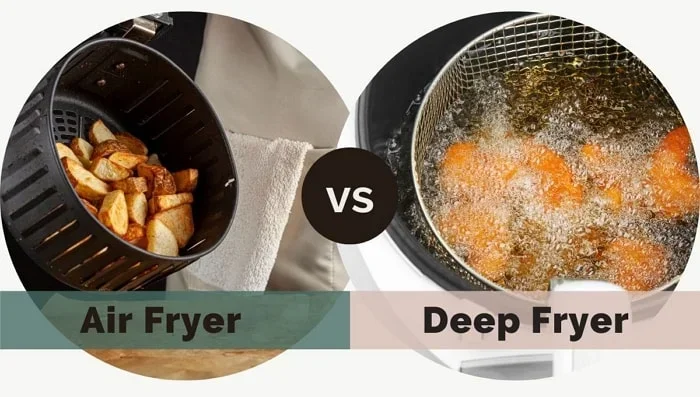
The key difference lies in the design. The food basket is typically small and fits closely to the heating element. This forces the hot air to whip around the food at incredible speed, cooking it quickly and evenly. Because the air is moving so fast, it effectively dehydrates the outer layer of the food, creating that signature crispy texture. This process requires only a minimal amount of oil to help conduct the heat and enhance flavor, unlike deep frying, which relies on the oil itself as the primary cooking medium.
Deep Frying: The Submersion Method
Deep frying is a cooking method that has been around for centuries. It involves completely submerging food in a large pot of hot oil, typically between 350°F and 375°F (175°C to 190°C). The food cooks quickly because the oil transfers heat much more efficiently than air. The high temperature causes the water inside the food to turn to steam, which cooks the food from the inside out. Simultaneously, the exterior becomes crispy as its carbohydrates caramelize. While effective, this method has significant downsides. The food absorbs a substantial amount of the oil, which increases its fat and calorie content dramatically. Furthermore, it requires gallons of oil and constant temperature management, making it both unhealthy and impractical for everyday cooking.
Health Benefits: Significantly Lower Fat and Calories
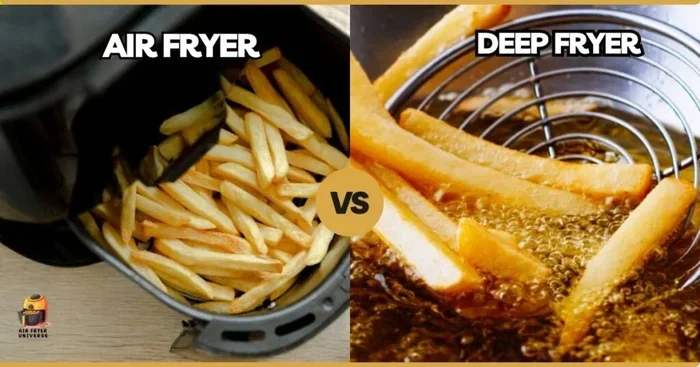
This reduction in oil absorption is the single most significant health benefit of using an air fryer. When you deep fry, the food soaks up the oil, turning a simple chicken breast into a high-fat meal. An air fryer, however, delivers that same crispy texture with a fraction of the fat. Studies have shown that air-fried foods can contain up to 70-80% less fat than their deep-fried counterparts. This directly translates to fewer calories per serving, making it a powerful tool for weight management and heart health.
Visual guide about air fryer vs deep fryer oil reduction
Image source: airfryeruniverse.com
Beyond just reducing fat, air frying also minimizes the formation of harmful compounds. Deep frying at high temperatures in reused oil can create acrylamide and other potentially harmful substances. While air frying can also produce acrylamide, the risk is generally lower due to the shorter cooking times and reduced oil temperatures. For those looking to enjoy fried favorites like frozen foods or chicken wings, this is a game-changer. You get the indulgent taste and texture without the same level of health concerns.
| Feature | Air Fryer | Deep Fryer |
|---|---|---|
| Oil Absorption | Minimal (1-2 tablespoons) | High (Food is submerged) |
| Fat Content | Significantly Lower | High |
| Calorie Count | Much Lower | Very High |
| Cleanup | Simple (wipe basket) | Difficult (dispose of oil) |
| Cooking Odor | Reduced | Strong and Lingering |
Practical and Environmental Perks
The advantages of using less oil extend beyond personal health. The environmental and practical benefits are also substantial. Think about the amount of oil used and then discarded during a typical deep-frying session. Properly disposing of used cooking oil can be a hassle, and pouring it down the drain is a recipe for clogged pipes. With an air fryer, you use a fraction of the oil, which means less waste and a smaller environmental footprint.
Furthermore, the convenience factor is undeniable. There’s no need to heat up a large pot of oil or constantly monitor its temperature to prevent burning. You simply add your food, set the timer and temperature, and let the air fryer do the work. This makes healthy cooking accessible to everyone, even on the busiest weeknights. You can easily prepare a week’s worth of healthy meals with minimal effort. This aligns perfectly with the goal of a cleaner and more efficient kitchen.
Tips for Getting the Best Results
To maximize the benefits of your air fryer and ensure your food turns out crispy and delicious, a few key tips are essential. First, preheating the unit is highly recommended. Just like a traditional oven, preheating ensures the cooking environment is at the right temperature from the start. This leads to more even cooking and better texture.
Second, don’t overcrowd the basket. For the rapid air circulation to work its magic, the hot air needs to be able to reach all sides of the food. Cook in batches if necessary. Finally, shaking the basket halfway through the cooking process helps to ensure that everything cooks evenly. By following these simple steps, you’ll be well on your way to mastering the art of healthy, low-oil cooking.
Common Misconceptions
Some people believe that air-fried food is bland or lacks the authentic taste of deep-fried food. This is a misconception. While the method is different, the results are incredibly similar. The food is crispy, flavorful, and satisfying. Another common myth is that air fryers are unhealthy because they still use oil. The reality is that they use a minuscule amount compared to submersion frying. The reduction in oil is the entire point.
Frequently Asked Questions
What is the main difference between air frying and deep frying?
The main difference is the amount of oil used. Deep frying submerges food in hot oil, while air frying uses a fraction of the oil and relies on rapid air circulation to create a crispy texture.
Is air-fried food as tasty as deep-fried food?
Yes, for most people, the taste and texture are very similar. The significant reduction in oil doesn’t mean a sacrifice in flavor or satisfying crunch.
Can I use my air fryer every day?
Absolutely. Because it uses so little oil, it’s a great tool for daily cooking. It allows you to enjoy fried foods as part of a balanced diet.
What are some common mistakes people make with air fryers?
Common mistakes include overcrowding the basket, not preheating the unit, and using too much oil. Avoiding these will help you achieve the best results.
Are air fryers safe to use?
Yes, air fryers are very safe. They are designed with automatic shut-off features and cool-touch handles. Just be careful when opening the hot basket.
How does an air fryer compare to a traditional oven?
An air fryer is a smaller, more efficient version of a convection oven. It heats up faster and cooks food more quickly due to its compact size and powerful fan.