How Air Circulation Impacts Food Texture in an Air Fryer
Air circulation is the secret behind that perfect crispy texture in your air fryer meals. This guide explains how airflow and fan technology work together to create restaurant-quality results at home. You will learn practical tips to maximize crispiness and avoid common cooking pitfalls.
- Rapid Air Technology: Understanding how high-speed air creates a crispy crust without extra oil.
- Food Placement Matters: Tips for arranging food in the basket to ensure even cooking and airflow.
- Avoiding Common Mistakes: How to prevent steaming and sogginess by respecting the airflow path.
- Temperature and Time Optimization: Adjusting settings for different foods to achieve the best texture.
- Basket Design and Airflow: The role of the basket shape and perforations in circulating hot air.
Quick Answers to Common Questions
What is How Air Circulation Impacts Food Texture in an Air Fryer?
How Air Circulation Impacts Food Texture in an Air Fryer refers to essential knowledge and techniques.
📑 Table of Contents
Introduction to Air Fryer Magic
You have probably seen those mouthwatering air fryer recipes online. The food looks crispy, golden, and delicious. But have you ever wondered why some things turn out perfect while others come out soggy? The answer lies in a simple concept: air circulation. This invisible force is the heart of how an air fryer works. It is what gives you that satisfying crunch without the need for a deep fryer. In this article, we will break down the science behind the fan and explain how it directly impacts the texture of your food.
Understanding this principle changes the way you cook. You move from just following instructions to truly mastering the appliance. You will be able to troubleshoot issues and achieve consistent, excellent results every time. Forget dry or unevenly cooked meals. Let’s explore how the flow of hot air creates that perfect sear and lock in flavor. Get ready to take your air fryer skills to the next level.
How the Fan Creates Texture
The Science Behind the Crisp
At the center of every air fryer is a powerful fan and a heating element. They work together to create a rapid air circulation system. The heating element warms the air. The fan then forces this hot air to move quickly around the food. This constant stream of hot air hits the surface of the food from all directions. It works similarly to a traditional deep fryer, where hot oil transfers heat. In the air fryer, hot air is the medium.
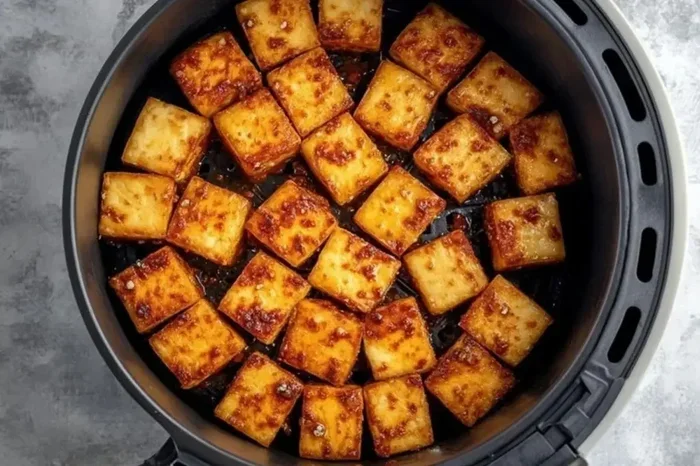
Visual guide about Air fryer crispy food texture close-up
Image source: helthrecipe.com
This high-speed airflow does two crucial things. First, it cooks the food very quickly. Second, it removes moisture from the surface. When the hot air hits the food, it instantly starts to evaporate any surface moisture. This is the key to the Maillard reaction. That is the chemical reaction that creates the brown, crispy crust we love. Without this constant drying effect, you would just be steaming the food. With it, you get that desirable crunchy texture.
The Critical Role of Airflow Path
Design Dictates Performance
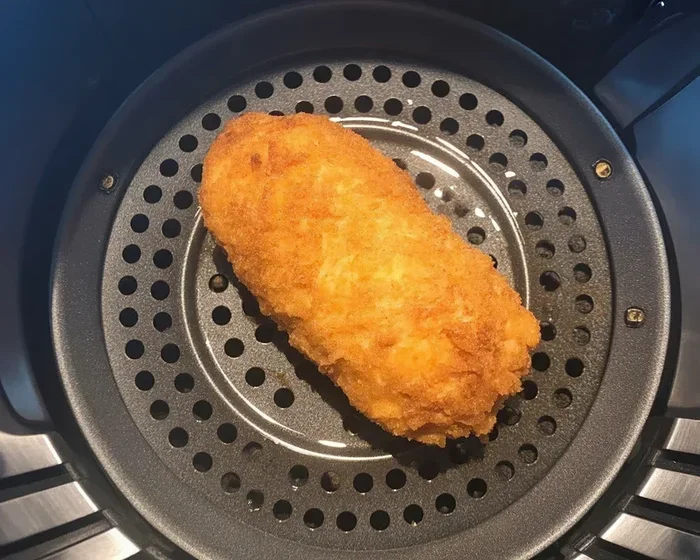
Not all air fryers are created equal. The design of the appliance plays a huge role in how effectively the air circulates. Most models use a heating element at the top and a fan behind it. The fan pulls air through the heating element and pushes it down into the basket. The shape of the basket is also important. A circular or square basket with high walls helps to guide the air flow. The goal is to create a vortex effect. This forces the air to move continuously, wrapping around every piece of food.
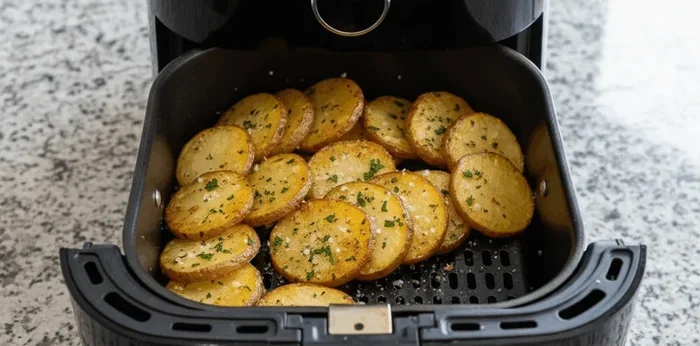
Visual guide about Air fryer crispy food texture close-up
Image source: second-thing.xyz
The size of the cooking chamber matters too. A larger space can sometimes lead to uneven cooking if the air has to travel too far. A more compact space often means the hot air can reach every corner faster. This is why some smaller air fryers can cook food so quickly and evenly. The design is all about maximizing the contact between the hot air and your food. The better the design, the more consistent your results will be.
Food Placement for Perfect Results
Maximizing Contact with Air
Even the best-designed air fryer will fail if you do not use it correctly. The most common mistake is overcrowding the basket. When you pile food on top of each other, you block the airflow. The hot air cannot reach the food underneath. This leads to uneven cooking and a soggy texture. Think of the air fryer basket like a crowded room. Everyone needs some personal space to breathe and move.
For the best results, you should arrange food in a single layer. If you must cook in batches, do not be afraid to pause the cooking process. Shake the basket or flip the food halfway through. This simple action redistributes the food. It also exposes all sides to the hot air. This is how you get that even crispiness on every piece. Remember, giving the air space to move is giving your food the best chance to become crispy.
Common Mistakes That Lead to Sogginess
Why Your Food Isn’t Crispy
Sometimes, your air fryer might not deliver that perfect crunch. When this happens, the issue is usually airflow. One of the biggest culprits is wet food. If you are cooking something that has been marinated or sauced, the excess liquid will steam the food. This prevents the hot air from creating a crispy crust. Patting food dry with a paper towel before cooking is a simple but effective step.
Another mistake is using the wrong accessories. Some air fryers come with a grill rack or a perforated tray. These tools are designed to improve airflow. But if you use a solid baking sheet, you can block the vents. This stops the hot air from circulating properly. Always use the accessories that came with your unit. If you need to use something else, make sure it is perforated or wire-based. This ensures the air can flow freely and do its job.
Optimizing Temperature and Time
Fine-Tuning for Different Foods
Temperature and time are the final pieces of the puzzle. The right settings depend on what you are cooking. Foods with a high fat content, like chicken wings, can handle very high heat. This helps to render the fat and create a super crispy skin. Leaner foods, like fish, need a more moderate temperature. This prevents them from drying out while still achieving a nice texture.
Do not be afraid to experiment. Start with the recommended settings for a specific recipe. Then, pay attention to the results. Was the food crispy enough? Was it cooked through? Adjust the temperature and time on your next batch. You might find that a slightly lower temperature for a longer time works better. Or, a quick blast of high heat is the perfect finish. This trial and error is how you truly master your air fryer and its unique air circulation.
Conclusion: Master the Flow for Fantastic Food
Mastering your air fryer is all about respecting the power of air circulation. It is not just a machine that blows hot air. It is a precise cooking system that relies on physics to create texture. By understanding how the fan and basket work together, you take control of the cooking process. You can say goodbye to disappointing, soggy meals.
Now you have the knowledge to arrange your food properly, choose the right settings, and avoid common pitfalls. You are ready to use your air fryer to its full potential. Every meal you cook will be a step towards perfect, crispy results. Enjoy the journey of discovery and the delicious food you create.
Quick Q&A
Question 1?
Why is my air fryer food not crispy?
Most likely, the food is overcrowded in the basket, blocking airflow, or it is too wet. Pat food dry and cook in a single layer for the best crispiness.
Question 2?
What is the main purpose of the fan in an air fryer?
The fan rapidly circulates hot air around the food, creating a crispy crust through the Maillard reaction by removing surface moisture.
Question 3?
Can I use a regular baking sheet in my air fryer?
It is not recommended. Solid sheets block the vital airflow path. Use perforated trays or the original basket accessories for best results.
Question 4?
Does the shape of the air fryer basket matter?
Yes, shapes like circular or square with high walls help create a vortex, ensuring hot air flows evenly around the food for consistent cooking.
Question 5?
How can I get a better sear on my food?
Ensure the food is dry, avoid overcrowding, and do not open the drawer too often. Maintaining high, consistent heat is key to a good sear.
FAQ
What is rapid air technology?
Rapid air technology uses a heating element and a high-speed fan to circulate hot air around the food, cooking it quickly and creating a crispy texture with little to no oil.
How does air circulation prevent food from burning?
Proper circulation ensures even heat distribution. This prevents hot spots and ensures the food cooks through before the outside burns, unlike a conventional oven.
Can air circulation dry out food completely?
Yes, if the cooking time is too long. The airflow is designed to remove surface moisture for crispiness, but it will eventually dry out the interior if left unattended.
Why is preheating important for air circulation?
Preheating allows the fan and heating element to establish the correct high temperature from the start. This ensures the food hits the hot air immediately, sealing in juices and promoting quick crisping.
How does food size affect air circulation?
Larger pieces of food can block the airflow for smaller pieces. Cutting food into uniform sizes ensures that all pieces are exposed to the same amount of hot air for even cooking.
What is the best way to clean an air fryer to maintain airflow?
Clean the basket and the area around the heating element and fan regularly. Grease and food debris can obstruct airflow, reducing the appliance’s efficiency and affecting cooking results.
Frequently Asked Questions
What is How Air Circulation Impacts Food Texture in an Air Fryer?
How Air Circulation Impacts Food Texture in an Air Fryer is an important topic with many practical applications.