
How Convection and Steam Ovens Cook Food Differently
Have you ever pulled a tray of cookies from your oven and found them burnt on one side and raw on the other? Or steamed vegetables that turned into a soggy, lifeless mush? You are not alone.
Most home cooks blame their own skills when the real issue is the oven itself. Understanding How Convection and Steam Ovens Cook Food Differently changes everything about your results. These two technologies move heat in totally separate ways, and that difference shows up on your plate.
- Core Concept: Convection ovens use fans to circulate hot air, while steam ovens use moisture to transfer heat gently.
- Texture Rule: Convection creates crispy, browned surfaces; steam keeps food moist, tender, and vibrant in color.
- Best Use Case: Choose convection for roasting and baking, and steam for vegetables, fish, rice, and reheating leftovers.
- Temperature Tip: Drop the temperature by about 25°F when using a convection mode to prevent overcooking.
- Moisture Matters: Steam ovens cook faster than you expect, so timing adjustments are essential for perfect results.
Why How Convection and Steam Ovens Cook Food Differently Matters: Key Fundamentals
The heart of the difference comes down to one simple idea: how heat reaches your food. A convection oven pushes hot air around with a fan, so heat hits the food from every angle. A steam oven fills the cavity with vapor, which transfers heat through moisture instead of dry air. These two methods create completely different textures, flavors, and cooking times.
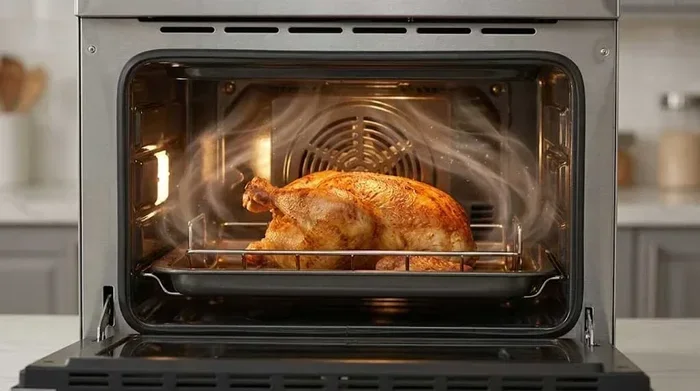
Think of it like this. Convection is like a warm, windy day that dries your skin. Steam is like a hot shower that surrounds you with moisture. Your food reacts to these environments in very specific ways. That is why a roast chicken gets golden and crisp in convection, but stays juicy and pale in a steam oven. For our comprehensive category overview and core buyer criteria, explore our cornerstone guide to Top 10 Best Which Brand Electric Oven Is.
Applying these recommended practices for How Convection and Steam Ovens Cook Food Differently ensures optimal longevity and efficiency. Understanding these principles helps you pick the right mode every time. You also learn why some recipes fail in the wrong oven. Once you grasp the basics, cooking becomes far more predictable and enjoyable.
- Heat Transfer: Convection moves dry, hot air in a constant loop around the food surface.
- Moisture Transfer: Steam ovens use water vapor to carry heat directly into the food.
- Surface Result: Dry air browns and crisps food, while moist air keeps surfaces soft.
- Cooking Speed: Steam often cooks faster because moisture conducts heat more efficiently than air.
- Flavor Retention: Steam locks in natural juices and nutrients that dry heat can evaporate.
In short, the cooking environment decides the outcome. Dry heat equals browning and crunch. Wet heat equals tenderness and color retention. Your job is simply to match the method to the meal.
The Science Behind Moving Air and Rising Steam
To truly master your kitchen, you need a peek at the physics. In a standard oven, heat rises slowly and creates hot and cold spots. A convection oven fixes this problem with a fan that constantly stirs the air. This moving air strips away the cool layer that hugs your food, allowing heat to penetrate faster and more evenly.
When switching a recipe from a standard oven to convection, reduce the temperature by 25°F and check your food about 25 percent earlier than the recipe suggests. This single habit prevents most overcooking problems.
Steam ovens take a different path. They inject water vapor into the chamber, which raises humidity to nearly 100 percent. Water conducts heat about 25 times better than air. As a result, food cooks quickly and gently without drying out. This is why professional chefs love steam for delicate proteins and vegetables.
Both systems rely on the same goal: even heat. However, they achieve it through opposite means. One removes moisture to create browning. The other adds moisture to preserve texture. Knowing this helps you predict exactly how your dish will turn out.
- Convection Airflow: A rear fan pushes hot air in a circular pattern for uniform cooking.
- Steam Saturation: Boiling water creates vapor that fills the entire oven cavity.
- Browning Reaction: Dry heat triggers the Maillard reaction, creating golden crusts and rich flavor.
- Nutrient Retention: Steam preserves vitamins because food never sits in boiling water.
- Heat Conductivity: Moisture transfers energy faster, so steam cooking often saves time.
The takeaway is simple. Air gives you crispness and color. Steam gives you moisture and speed. Neither is better on its own. The real skill lies in choosing the right one for each dish.
Convection Ovens: Crispy, Golden, and Even Results
Convection ovens shine when you want texture and color. The fan creates a dry, moving heat that browns food beautifully. Cookies bake evenly on every rack. Roasted vegetables come out caramelized at the edges. Chicken skin turns shatteringly crisp. This is the oven mode that makes sheet-pan dinners so satisfying.
However, convection is not perfect for everything. Cakes and custards can dry out or crack because the moving air pulls moisture away. Breads may rise unevenly if the fan is too strong. Delicate dishes like soufflés often prefer a gentler, still environment. Knowing when to switch off the fan is just as important as knowing when to use it.
Many modern ovens offer a “convection bake” and “convection roast” setting. Bake uses lower fan speed for pastries. Roast uses higher heat for meats. Learning these modes unlocks better results with almost no extra effort.
- Best For: Roasted meats, sheet-pan vegetables, cookies, and pizza.
- Key Benefit: Even browning on multiple racks at the same time.
- Watch Out For: Drying out cakes, custards, and quick breads.
- Temperature Rule: Lower the heat by 25°F to match conventional recipes.
- Preheating: Always preheat fully so the fan distributes stable heat from the start.
Steam Ovens: Gentle Heat That Locks in Moisture
Steam ovens feel almost magical once you use them. They cook food in a cloud of vapor that keeps everything tender and bright. Vegetables stay vivid green instead of turning gray. Fish becomes silky and flaky without any oil. Rice cooks to a perfect, separate grain. Reheated leftovers taste fresh instead of rubbery.
There are two main types: pure steam ovens and combination steam ovens. Pure steamers work only with vapor, perfect for health-focused cooking. Combination models add a heating element, letting you bake, roast, and steam in one appliance. These hybrids are becoming the go-to choice for modern kitchens.
The biggest surprise for new users is speed. Steam cooks faster than dry heat because moisture transfers energy so efficiently. A fillet of salmon might be ready in eight minutes. Broccoli can be crisp-tender in four. This speed means you should check food early until you learn your oven’s rhythm.
- Best For: Vegetables, seafood, rice, dumplings, and reheating.
- Key Benefit: Food stays moist, colorful, and nutrient-rich.
- Watch Out For: Overcooking, since steam works faster than dry heat.
- Water Supply: Refill the reservoir before long cooking sessions.
- Cleaning Need: Descaling is essential to prevent mineral buildup over time.
The gentle nature of steam makes it ideal for anyone watching fat intake. It also preserves more vitamins than boiling or frying. For health-conscious cooks, this oven earns its place on the counter.
Texture, Flavor, and Nutrition: A Side-By-Side Look
The most noticeable difference between these ovens shows up in texture. Convection creates a dry surface that browns and crisps. Steam keeps surfaces soft and moist. This single factor changes how a dish feels in your mouth. A convection-baked potato has a crackly skin. A steamed potato is tender all the way through.
Flavor follows texture. Browning adds deep, roasted notes through the Maillard reaction. Steam preserves the natural, clean taste of ingredients. Neither approach is superior, because they serve different goals. A steak wants a seared crust. A dumpling wants a soft, pillowy wrapper.
Nutrition also differs. Steam retains more water-soluble vitamins like B and C because food never sits in water. Convection can cause some nutrient loss through drippings and high heat. For everyday healthy eating, steam often wins. For indulgence and texture, convection takes the prize.
- Texture Outcome: Convection creates crisp edges; steam keeps food soft and tender.
- Flavor Profile: Dry heat adds roasted depth; steam highlights natural taste.
- Vitamin Retention: Steam preserves more nutrients than dry heat cooking.
- Fat Content: Steam cooking needs little to no added oil.
- Color Result: Convection browns food; steam keeps colors vivid and fresh.
Choosing the Right Mode for Every Meal
Picking the right mode is where skill meets convenience. Start by asking what you want the final dish to look like. If you want a golden crust, reach for convection. If you want tender, moist results, choose steam. This simple question guides almost every decision in the kitchen.
Some dishes actually benefit from both. Combination ovens let you add a burst of steam while roasting, which keeps meat juicy inside and crisp outside. Bread bakers love this feature because it creates a beautiful rise and a shiny crust. You get the best of both worlds in one cycle.
Practice makes this instinctive. Try the same vegetable in both modes and compare. You will quickly learn which one your family prefers. Over time, you will develop a personal playbook for every recipe.
- Roasted Chicken: Use convection for crispy skin and even browning.
- Steamed Fish: Choose steam for delicate, flaky texture.
- Artisan Bread: Combine steam and convection for a crisp crust and soft crumb.
- Reheated Pasta: Steam gently warms without drying out the sauce.
- Roasted Vegetables: Convection caramelizes edges for deeper flavor.
Common Mistakes and How to Avoid Them
Even experienced cooks trip up with these ovens. The most common error is forgetting to adjust temperature. Convection runs hotter than a standard oven, so recipes need a 25°F reduction. Skip this step, and your cookies will burn on the bottom before they set in the middle.
Another frequent mistake is overcrowding the oven. Convection needs space for air to flow around each item. If trays touch or block the fan, you lose the even-heating benefit entirely. Steam ovens have their own pitfall: skipping descaling. Mineral buildup clogs the steam generator and weakens performance over time.
Finally, many people ignore preheating. Both ovens need full preheat for consistent results. A cold steam oven produces uneven vapor. A cold convection oven browns unevenly. Patience here pays off in every single meal.
- Temperature Oversight: Always reduce heat by 25°F for convection mode.
- Oven Overload: Leave space between trays so air can circulate freely.
- Skipping Descaling: Clean the steam system regularly to avoid clogs.
- Rushing Preheat: Wait for the full preheat signal before adding food.
- Wrong Mode Choice: Match the mode to the dish, not your habit.
Cleaning and Maintenance for Long-Lasting Performance
A well-kept oven cooks better and lasts longer. Convection ovens collect grease on the fan and rear wall, which can cause smoky smells. Wipe these areas after heavy roasting. Steam ovens need regular descaling to keep vapor production strong and clean.
Both types benefit from a simple routine. Wipe spills promptly, run self-clean cycles when available, and check door seals for wear. A loose seal leaks heat and ruins even cooking. Replacing a worn gasket is cheap and restores performance instantly.
Good habits save money and frustration. A clean oven heats evenly, uses less energy, and produces better food. Set a monthly reminder for deep cleaning. Your future meals will taste the difference. For complementary recommendations and expert testing advice, see our guide on How to Cook Frozen Food in Oven.
- Daily Wipe: Clean spills after they cool to prevent baked-on residue.
- Monthly Descale: Run a descaling cycle on steam ovens every four to six weeks.
- Fan Check: Inspect the convection fan for grease buildup and clean gently.
- Seal Inspection: Replace worn door gaskets to maintain even heat.
- Filter Care: Rinse or replace water filters to keep steam clean and fresh.
Best Practices for Perfect Results Every Time
Great cooking comes from small, consistent habits. Follow these dos and don’ts to get the most from either oven. They apply whether you are a weekend baker or a daily home chef.
Never open a steam oven door wide during cooking. A sudden release of hot vapor can cause burns, and it also drops the internal temperature. Crack the door slightly and step back for a moment before reaching in.
- Do Preheat Fully: Give the oven time to reach a stable temperature before cooking.
- Do Use an Oven Thermometer: Verify actual temperature, since dials can drift over time.
- Do Adjust Recipes: Reduce time and temperature for convection, and check steam dishes early.
- Don’t Overcrowd: Leave room for airflow or vapor to circulate around food.
- Don’t Skip Maintenance: Clean and descale on schedule to protect performance.
- Don’t Ignore the Manual: Each model has unique modes worth learning.
Summary Table: Convection vs. Steam Cooking Compared
| Feature | Convection Oven | Steam Oven |
|---|---|---|
| Heat Method | Moving hot air | Moisture vapor |
| Best Foods | Meats, breads, cookies, vegetables | Fish, rice, vegetables, dumplings |
| Texture Result | Crispy, browned | Soft, moist, tender |
| Cooking Speed | Fast and even | Very fast, often quicker |
| Nutrient Retention | Moderate | High |
| Cleaning Focus | Grease and fan area | Descaling and water tank |
| Temperature Tip | Reduce by 25°F | Check food early |
| Ideal User | Bakers and roasters | Health-focused cooks |
Frequently Asked Questions
Can I Use a Convection Oven Like a Regular Oven?
Yes, but you must adjust the temperature. Convection moves heat faster, so reduce the setting by about 25°F. Also check your food earlier than the recipe suggests. If your oven has a conventional mode, you can simply switch to that for delicate recipes.
Does Steam Cooking Really Preserve More Nutrients?
Yes, steam cooking retains more water-soluble vitamins like B and C. This happens because food never sits in boiling water, so nutrients do not leach away. The gentle heat also breaks down fewer vitamins than high, dry heat.
Which Oven Is Better for Baking Bread?
Combination ovens win here. Steam gives bread a strong rise and a glossy crust. Convection then browns and crisps the surface. If you only have one mode, use convection for crusty loaves and steam for soft rolls.
How Often Should I Descale a Steam Oven?
Most makers suggest descaling every four to six weeks, depending on water hardness. If you have hard water, do it more often. A clean steam generator produces stronger vapor and lasts longer.
Can I Cook Meat in a Steam Oven?
Absolutely. Steam cooks meat gently and keeps it juicy. However, you will not get a brown crust. For the best result, steam first, then finish with a quick sear in a hot pan or under a broiler.
Is a Convection Oven Worth the Extra Cost?
For most home cooks, yes. The even heating improves baking and roasting dramatically. If you bake often or cook large meals, the upgrade pays off quickly in better and more consistent results.
Conclusion: Final Summary and Next Steps
Learning How Convection and Steam Ovens Cook Food Differently gives you real power in the kitchen. Convection uses moving air to brown, crisp, and cook evenly. Steam uses moisture to keep food tender, colorful, and full of nutrients. Each method solves a different problem, and both deserve a place in your routine.
Your next step is simple. Pick one recipe you cook often and try it in the opposite mode. Compare the texture, taste, and timing. This small experiment teaches you more than any manual ever could. Over time, you will build instinct and confidence.
Finally, treat your oven as a partner, not just an appliance. Keep it clean, adjust your temperatures, and match the mode to the meal. Do these things, and every dish you make will taste better. Your kitchen skills will grow, and so will the joy of cooking at home.


32 Comments