How Oven Rack Conductivity Affects Crust Color
You slide a beautiful loaf into the oven, full of hope. Forty minutes later, you pull out a pale, sad crust that never browned. Most bakers blame the recipe or the flour. However, the real culprit often sits right beneath the dough: your oven rack.
In fact, How Oven Rack Conductivity Affects Crust Color is one of the most overlooked secrets in home baking. The rack acts as a heat bridge between your oven’s element and your baking pan. A thick, conductive rack moves heat fast and evenly.
A thin or coated rack blocks that flow. This guide will show you exactly how rack material, thickness, and surface coating change your crust. You will also learn simple swaps and checks that deliver a deep, golden crust every single time.
- Core Concept: Metal racks transfer heat by direct contact, so their material changes how fast your crust browns.
- Essential Step: Match your rack type to your bake, such as steel for bread and aluminum for delicate cakes.
- Safety Rule: Never line your rack with foil, because it blocks airflow and traps steam.
- Efficiency Tip: Preheat your rack for 15 to 20 minutes so it stores heat before the food arrives.
- Money Saver: A simple $15 steel rack can improve browning more than a $200 pan upgrade.
Why Rack Conductivity Matters for Crust Color
Heat moves in three ways inside an oven. It radiates from the walls, it circulates as hot air, and it conducts through direct touch. That third path, conduction, depends almost entirely on your rack. When your pan sits on a conductive rack, heat flows up through the metal and into the bottom of your food. This flow speeds up the Maillard reaction, which is the chemical browning that gives crust its color and flavor.
Also, a conductive rack evens out hot spots. Cheap ovens often run hotter on one side. A thick steel rack spreads that heat sideways, so one edge of your bread does not burn while the other stays pale. Therefore, the rack is not just a shelf. It is an active cooking tool that shapes your final crust. For broader testing and full category recommendations, explore our in-depth guide to Why Oven Rack Materials Change Heat Transfer.
- Direct Contact Path: Heat travels from rack to pan to dough through solid metal contact.
- Maillard Reaction: Browning starts near 300°F (150°C) and needs steady, fast heat.
- Even Distribution: Thick racks spread heat sideways and reduce burnt edges.
- Steam Control: A hot rack dries the pan bottom, which helps crust set and color.
- Oven Recovery: A heavy rack holds heat, so the oven rebounds faster after you open the door.
Simply put, a conductive rack gives your crust the steady heat it needs to turn golden. Without it, you fight pale results no matter how good your recipe is.
Rack Materials and Their Browning Power
Not all racks behave the same way. The material decides how fast heat moves and how long the rack holds it. Steel, for example, is a strong conductor and holds heat well. Aluminum heats up fast but cools down quickly. Cast iron is slow to warm but stores huge amounts of heat. Each one changes your crust in a different way.
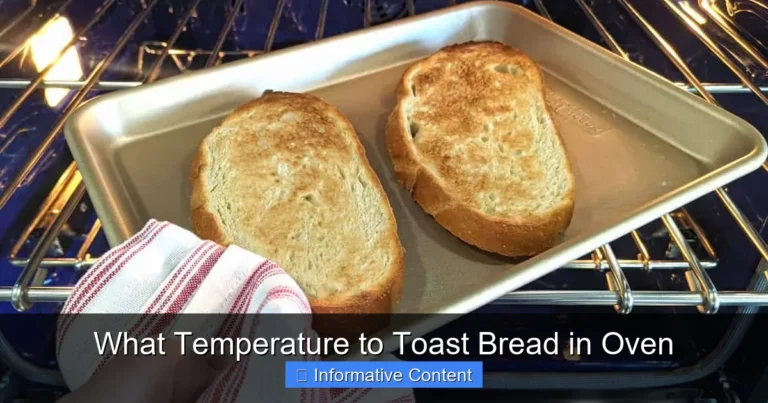
Preheat your rack, not just your oven. Place a heavy steel rack in the oven for 20 minutes before baking. The stored heat gives your crust an instant boost the moment the pan touches down.
Coated racks add another twist. A nonstick or enamel coating acts like a thin blanket. It slows heat transfer just enough to soften browning. That can be good for delicate cookies but bad for crusty bread. So, the coating you choose matters as much as the base metal.
- Carbon Steel: Excellent conductor that delivers dark, crisp crusts on bread and pizza.
- Aluminum: Heats fast and evenly, ideal for cakes and pastries that need gentle browning.
- Cast Iron: Slow to heat but holds heat for hours, perfect for deep-dish bakes.
- Stainless Steel: Durable and moderate in conductivity, a solid all-purpose choice.
- Coated Racks: Nonstick or enamel layers slow heat flow and produce lighter crusts.
Choosing the right material is the first real step toward controlling crust color. Next, we will look at how thickness and shape change the game even more.
Thickness, Shape, and Heat Flow Explained
Thickness is the quiet hero of rack conductivity. A thick bar carries more heat energy than a thin wire. Think of it like a highway: more lanes move more cars. A thick rack moves more heat into your pan, so the crust browns faster and deeper. Thin racks, by contrast, struggle to keep up, especially when you load the oven with heavy pans.
Shape also plays a role. Dense grids with many bars give more contact points. Wide gaps reduce contact and slow browning. Also, the rack’s position matters. A rack placed in the lower third sits closer to the bottom element, which boosts bottom heat and crust color.
- Bar Thickness: Thicker bars store and transfer more heat than thin wires.
- Grid Density: More bars mean more contact points and faster browning.
- Rack Position: Lower racks boost bottom heat; upper racks favor top browning.
- Rack Sag: A warped rack loses contact with the pan and creates cold spots.
- Weight Limit: Overloading a thin rack bends it and ruins even heat flow.
So, a thick, dense rack in the lower position gives you the strongest browning effect. Keep this in mind as we move into the practical side of things.
How to Test Your Rack’s Conductivity at Home
You do not need a lab to check your rack. A simple bread test tells you a lot. First, heat your oven to 425°F (220°C) with the rack inside. Next, place two identical pieces of dough on two different racks. Bake them side by side and compare the bottoms. The darker, crisper one sat on the more conductive rack.
You can also use the touch test. After a 20-minute preheat, carefully touch the rack with a dry oven mitt. A conductive rack feels intensely hot across its whole surface. A poor one feels warm in spots and cool in others. This quick check reveals uneven heat before it ruins your bake.
- Preheat Fully: Run the oven at 425°F for at least 20 minutes.
- Prepare Two Doughs: Use equal-sized pieces of the same dough for a fair test.
- Bake Side by Side: Place each dough on a different rack and bake together.
- Compare Bottoms: The darker, crisper base marks the stronger conductor.
- Record Results: Note which rack won so you can reuse it for crusty bakes.
This test takes one bake and saves years of guesswork. Once you know your racks, you can pick the right one for every recipe.
Matching Racks to Your Baking Goals
Different bakes need different heat. A crusty sourdough wants fast, fierce bottom heat. A sponge cake wants gentle, even warmth. Therefore, you should match your rack to your goal, not just grab whatever is closest.
For bread and pizza, reach for a thick steel or cast iron rack. Place it low in the oven for maximum bottom color. For cakes and cookies, choose aluminum or a coated rack in the middle position. This slows browning and keeps edges soft. For roasting vegetables, a dense steel rack works well because it drives quick caramelization.
- Crusty Bread: Use thick steel or cast iron in the lower position.
- Pizza: Choose a steel rack plus a preheated stone for a blistered base.
- Cakes: Pick aluminum or coated racks in the middle for gentle browning.
- Cookies: Use a coated rack to prevent burnt bottoms on thin dough.
- Roasted Veggies: Rely on a dense steel rack for fast caramelization.
When your rack matches your bake, crust color stops being a gamble. It becomes a result you can repeat on purpose.
Common Mistakes That Ruin Crust Color
Even good bakers make simple errors that kill browning. One big mistake is skipping the preheat. A cold rack cannot transfer heat it does not have. Another is using a warped or rusty rack. Rust adds insulation and creates uneven contact, so parts of your crust stay pale.
Also, many people crowd the oven. Too many pans block airflow and steal heat from each other. Finally, some bakers use the wrong rack position out of habit. They bake bread in the middle when the bottom needs more heat. Fixing these small habits can transform your crust overnight.
- Skipping Preheat: A cold rack transfers little heat and slows browning.
- Using Rusty Racks: Rust insulates and creates patchy, uneven crust color.
- Overcrowding: Too many pans block airflow and reduce rack heat.
- Wrong Position: Middle-rack bread gets less bottom heat and stays pale.
- Foil Lining: Foil blocks direct contact and traps steam under the pan.
Avoid these traps and your crust will brown far more reliably. Now, let us cover the best habits to lock in great results.
Best Practices for Perfect Crust Color
Great crust color comes from small, consistent habits. First, always preheat your rack with the oven. Second, keep your racks clean and rust-free. Third, pick the right rack for each bake. These three rules alone fix most browning problems.
Never cover your rack with aluminum foil. Foil blocks contact heat and traps steam, which leads to pale, soggy crusts. If you need easy cleanup, use a silicone mat on a sheet pan instead.
Also, rotate your pans halfway through baking. This evens out hot spots and gives every edge a chance to color. Finally, let your bake rest on a cooling rack, not back on the hot oven rack, so the crust sets crisp instead of steaming soft.
- Do Preheat Racks: Give racks 15 to 20 minutes to store heat before baking.
- Do Clean Racks: Scrub off grease and rust so contact stays strong.
- Do Rotate Pans: Turn pans halfway to even out browning across the surface.
- Do Match Rack to Bake: Use steel for crusty goods and aluminum for delicate ones.
- Do Not Line with Foil: Foil blocks conductive heat and traps steam.
- Do Not Overload: Leave space between pans for proper heat flow.
Follow these habits and you will see deeper, more even crusts within a few bakes. Consistency, not luck, is what makes great crust.
Summary Table: Rack Types Compared for Crust Color
| Rack Material | Conductivity | Best For | Crust Result | Cost Range |
|---|---|---|---|---|
| Carbon Steel | Very High | Bread, pizza | Dark, crisp crust | $15–$35 |
| Cast Iron | High (slow) | Deep-dish, roasts | Deep, even brown | $30–$60 |
| Aluminum | High (fast) | Cakes, cookies | Light, soft crust | $12–$25 |
| Stainless Steel | Medium | All-purpose | Medium golden | $20–$40 |
| Coated/Nonstick | Low | Delicate bakes | Pale, tender crust | $10–$20 |
This table shows a clear pattern. The more conductive the rack, the darker and crisper your crust. Use it as a quick guide when you shop or swap racks. If you are tackling related practical challenges, check out our walkthrough on Why Oven Rack Positions Change Roasting Times.
Frequently Asked Questions
Does Rack Material Really Change Crust Color?
Yes, it does. Metal racks transfer heat by direct contact. A conductive rack moves heat fast into your pan, which speeds up browning. A poor conductor slows that flow and leaves your crust pale.
Can I Improve Crust Color Without Buying a New Rack?
Absolutely. Preheat your current rack for 20 minutes, move it to a lower position, and stop lining it with foil. These free changes boost bottom heat and deepen color fast.
Why Does My Bread Bottom Stay Pale?
Your rack likely sits too high or conducts poorly. Move it to the lower third and use a thick steel rack. Also, check for rust or warping, since both block even heat transfer.
Is a Coated Rack Bad for Baking?
Not always. Coated racks suit cakes and cookies because they slow browning. However, they work poorly for crusty bread and pizza, where you want fast, strong heat.
How Does How Oven Rack Conductivity Affects Crust Color Change with Rack Position?
Position changes the heat source. A lower rack sits near the bottom element, so it drives more bottom browning. An upper rack favors top color instead. Combine position with material for full control.
How Often Should I Replace My Oven Rack?
Replace it when it warps, rusts badly, or loses its coating. A sagging rack breaks contact with pans and creates cold spots. Most quality racks last 10 to 15 years with good care.
Conclusion: Final Summary & Next Steps
Your oven rack is not a passive shelf. It is a heat tool that shapes every crust you bake. Understanding How Oven Rack Conductivity Affects Crust Color gives you real control over browning, texture, and flavor. Thick steel racks drive dark, crisp crusts. Thin or coated racks soften browning for delicate bakes.
Start with one simple change today. Preheat your rack for 20 minutes and move it to the lower position for your next loaf. Then run the two-dough test to compare your racks. You will see the difference in your very first bake, and you will never guess again.
Finally, treat your racks like the tools they are. Keep them clean, rust-free, and matched to each recipe. Do that, and every bake will reward you with a crust worth showing off. Your next golden loaf is just one rack swap away.