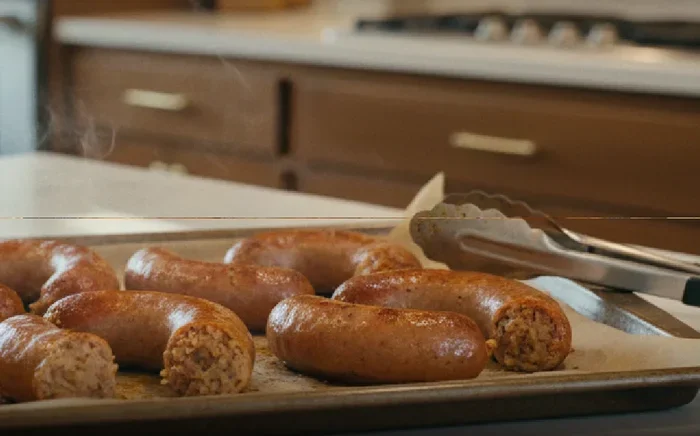
Why Steam Ovens Heat Food Without Drying Edges
You know that sad moment when leftovers come out of the microwave with rock-hard corners and a cold middle. It happens because dry, hot air pulls moisture out of your food while it heats. Steam ovens solve this problem in a completely different way, and once you understand the science, you will never look at reheating the same way again.
- Core Concept: Steam carries heat energy directly into food without stripping away its natural water content.
- Essential Step: Preheat your steam oven fully so the first burst of vapor surrounds the food right away.
- Safety Rule: Always open the door away from your face because trapped steam escapes fast and hot.
- Efficiency Tip: Use steam mode for bread, fish, and veggies to lock in texture and flavor.
- Texture Secret: A moist cooking chamber stops edges from turning tough, chewy, or leathery.
How Steam Heat Works: The Core Science Explained: Why Steam Ovens Heat Food Without Drying Edges
Steam is water in gas form, and it holds a huge amount of thermal energy. When this vapor touches cooler food, it releases that energy instantly as it turns back into water. This process, called condensation, warms the surface fast without blowing dry air across it. That is the simple secret behind soft, even results.
Traditional ovens rely on hot, dry air. That air grabs moisture from the food surface and carries it away. Over time, the outer edges lose water and turn hard. Steam ovens avoid this because the air inside is already full of moisture, so there is nothing for the food to lose.
- Latent Heat Power: Steam releases far more energy than dry air at the same temperature, so food heats faster.
- No Moisture Loss: The humid chamber stops water from leaving the food surface.
- Even Coverage: Vapor wraps around every side of the food, not just the top.
- Gentle Warmth: Lower temperatures still cook food fully because steam is so efficient.
- Condensation Cycle: Continuous vapor turns to water on the food, keeping it glossy and tender.
Applying these recommended practices for Why Steam Ovens Heat Food Without Drying Edges ensures optimal longevity and efficiency. Once you grasp this cycle, every other detail about steam cooking makes sense. The next sections show how this science plays out in real kitchens and real meals. For broader testing and full category recommendations, explore our in-depth guide to Why Steam Ovens Prevent Cross Contamination in Food.
Why Dry Air Ruins Your Food Edges
Dry heat is the enemy of texture. When hot, moisture-free air surrounds food, it creates a moisture gap. Water inside the food moves toward the dry surface and then evaporates. This is why a slice of pizza reheated in a normal oven turns into a cracker at the corners.
Preheat your steam oven for a full 5 to 10 minutes before adding food. A hot, humid chamber surrounds the food with vapor from second one, which locks in moisture and stops edge drying before it can start.
This drying effect gets worse the longer food stays in the heat. The outer layer loses water first, then firms up and hardens. Meanwhile, the center may still be cool. You end up with an uneven bite that feels stale even when the food is fresh.
- Surface Evaporation: Dry air pulls water out of the food’s outer layer nonstop.
- Uneven Heating: Hard edges block heat from reaching the middle quickly.
- Maillard Overload: Extra browning dries and toughens thin pieces like fish or bread.
- Starch Retrogradation: Rice and pasta firm up fast when they lose moisture.
- Flavor Loss: Aromas escape along with the water vapor, leaving dull taste.
Understanding this damage explains why steam ovens feel almost magical. They simply remove the cause of the problem instead of trying to fix it later.
The Role of Humidity in Even Cooking
Humidity is the amount of water vapor in the air. In a steam oven, humidity stays near 100 percent during steam mode. This saturated air changes how heat moves. Instead of drying the surface, the vapor keeps it wet and flexible while heat soaks inward.
High humidity also speeds up heat transfer. Wet air conducts energy into food much faster than dry air. That means you can cook at lower temperatures and still reach a safe internal heat. The food stays juicy because it never has a chance to dry out.
- Saturated Air: Near-100 percent humidity means no room for the food to lose water.
- Faster Transfer: Moist air moves heat into food more quickly than dry air.
- Lower Temps: You can cook gently and still reach safe internal temperatures.
- Skin Protection: A thin layer of condensation shields surfaces from harsh heat.
- Consistent Results: Every part of the food heats at nearly the same rate.
Humidity is not just a nice extra feature. It is the main reason steam ovens keep edges soft while still cooking food all the way through.
Steam Ovens vs Traditional Ovens: A Side-By-Side Look
Putting the two side by side makes the difference obvious. A standard oven bakes with dry air and relies on high heat to cook food. A steam oven adds moisture to the mix, so heat arrives gently and evenly. This changes everything from texture to cooking time.
Many modern steam ovens also offer combo modes. These blend steam with dry heat so you can get a crisp crust and a moist inside at the same time. That flexibility is why chefs love them for bread, fish, and roasted veggies.
- Moisture Level: Traditional ovens stay dry, while steam ovens stay humid.
- Edge Texture: Dry ovens harden edges, steam ovens keep them tender.
- Cooking Speed: Steam moves heat faster, so meals finish sooner.
- Nutrition: Steam cooking preserves more vitamins than dry baking.
- Versatility: Combo modes let you steam, bake, or do both at once.
Choosing between them comes down to your goals. If you want soft, juicy food with no dry edges, steam is the clear winner.
Perfect Results: Step-By-Step Steam Cooking Guide
Getting great results takes just a few smart habits. First, always preheat the oven so the chamber fills with vapor. Next, arrange food in a single layer so steam can reach every surface. Then, pick the right mode for what you are cooking.
Timing matters too. Steam cooks faster, so check food a few minutes early. Finally, let the food rest for a minute after cooking. This lets the heat even out and keeps the texture perfect.
- Preheat Fully: Run steam mode for 5 to 10 minutes before adding food.
- Use Perforated Trays: These let vapor flow under and around the food.
- Space It Out: Leave gaps between pieces so steam reaches every side.
- Pick the Right Mode: Use pure steam for fish and veggies, combo for bread.
- Check Early: Steam cooks fast, so test doneness a few minutes sooner.
- Rest Briefly: Let food sit for one minute so heat spreads evenly.
Follow these steps and you will notice the difference right away. Edges stay soft, centers stay warm, and flavor stays locked in.
Foods That Benefit Most From Steam Heating
Some foods show off steam cooking better than others. Bread is a classic example. A quick burst of steam gives it a shiny crust and a soft, airy crumb. Fish stays flaky and moist instead of turning rubbery. Vegetables keep their bright color and crisp bite.
Leftovers also shine in a steam oven. Rice, pasta, and roasted meats come back to life without that dried-out feel. Even delicate items like dumplings and custards cook evenly without cracking or toughening at the edges.
- Bread and Pastry: Steam creates a glossy crust and a tender inside.
- Fish and Seafood: Gentle heat keeps flesh flaky and never dry.
- Vegetables: Bright colors and crisp texture stay intact.
- Rice and Grains: Grains stay separate, soft, and never sticky.
- Leftovers: Reheated meals taste fresh instead of stale.
- Custards and Eggs: Smooth, silky results with no rubbery edges.
Once you try these foods in a steam oven, you will wonder how you ever lived without one. The texture upgrade is that noticeable.
Common Mistakes That Still Cause Dry Edges
Steam ovens are powerful, but a few habits can still cause dry results. For example, skipping the preheat means food sits in a cool, dry chamber at first. Overcrowding the tray blocks vapor from reaching every surface. Using the wrong mode can also dry food out.
Another common slip is cooking too long. Steam heats fast, so old timing habits from regular ovens often overcook food. Also, leaving food uncovered in combo mode can let dry heat sneak in and toughen edges.
- Skipping Preheat: A cool start lets dry air touch food before steam builds up.
- Overcrowding: Tightly packed food blocks vapor flow and heats unevenly.
- Wrong Mode: Using bake mode when you need steam dries the surface.
- Overcooking: Extra minutes in steam still pull moisture from thin pieces.
- No Cover in Combo: Dry heat in combo mode can still firm up edges.
Avoid these traps and your steam oven will deliver soft, even results almost every time. Small changes in habit make a big difference in texture.
Maintenance Habits That Keep Performance Strong
A steam oven works best when it is clean and free of mineral buildup. Hard water leaves scale inside the boiler and vents. That scale blocks steam flow and makes heating uneven. Regular care keeps the vapor pure and the heat steady.
Wipe the interior after each use once it cools. Empty and rinse the water tank often. Every few weeks, run a descaling cycle with the maker’s recommended solution. These simple habits protect both performance and flavor.
- Daily Wipe: Clean the interior after cooling to stop residue buildup.
- Tank Care: Empty and rinse the water tank after every session.
- Descaling: Run a descale cycle every 4 to 8 weeks based on use.
- Filter Check: Replace or clean water filters as the manual advises.
- Vent Inspection: Keep steam vents clear so vapor flows freely.
- Door Seal: Check the gasket for cracks that leak steam and heat.
Good maintenance is not glamorous, but it keeps your oven heating food the way it should. A clean oven means soft edges and even warmth for years.
Best Practices for Flawless Steam Heating
Great steam cooking comes down to a few golden rules. Always preheat, always space food out, and always match the mode to the meal. These habits prevent dry edges before they ever start. They also make cleanup easier and results more predictable.
Never lean over the oven door when you open it. Steam escapes in a fast, hot cloud and can burn your face or hands in a second. Stand to the side and open the door slowly to let vapor release safely. If you are tackling related practical challenges, check out our walkthrough on Why Steam Ovens Cook Eggs Without Cracking.
- Do Preheat: Let the chamber fill with steam before food goes in.
- Do Use Distilled Water: It reduces scale and keeps steam clean.
- Do Check Early: Steam cooks fast, so test doneness sooner.
- Don’t Overcrowd: Leave space for vapor to move around the food.
- Don’t Skip Cleaning: Residue and scale hurt steam quality over time.
- Don’t Guess Modes: Read the manual to match mode to food type.
Stick to these dos and don’ts and you will get soft, juicy food every single time. Consistency is what turns a good oven into a great one.
Summary Table: Steam vs Dry Heat Compared
| Feature | Steam Oven | Traditional Oven |
|---|---|---|
| Air Moisture | Near 100 percent | Very low |
| Edge Texture | Soft and tender | Dry and hard |
| Heat Transfer | Fast via condensation | Slower via dry air |
| Cooking Temp | Lower, gentle | Higher, harsh |
| Nutrient Retention | High | Moderate |
| Best For | Fish, bread, veggies | Roasts, crispy bakes |
| Reheating Leftovers | Juicy and fresh | Often dry and stale |
Frequently Asked Questions
Does Steam Really Stop Food Edges From Drying Out?
Yes, it does. The humid air inside the oven is already full of water vapor. Because of this, moisture cannot escape from the food surface. The edges stay soft and tender instead of turning hard and chewy.
Can I Use a Steam Oven to Reheat Leftovers?
Absolutely, and it works beautifully. Steam reheats rice, pasta, meat, and bread without the dry, rubbery feel you get from a microwave. Food comes out tasting almost as fresh as the day you cooked it.
Is Steam Cooking Slower Than Regular Oven Cooking?
No, it is often faster. Steam transfers heat more efficiently than dry air, so food reaches safe internal temperatures sooner. You can also cook at lower temperatures and still get fully cooked, juicy results.
What Water Should I Put in My Steam Oven?
Use distilled or filtered water whenever possible. Tap water contains minerals that build up as scale inside the boiler and vents. Scale blocks steam flow and can cause uneven heating over time.
Do I Still Need to Preheat a Steam Oven?
Yes, preheating matters a lot. A hot, humid chamber surrounds food with vapor right away. Without a preheat, food sits in dry air at the start and can begin to dry out before steam builds up.
Why Does My Steam Oven Sometimes Leave Dry Spots?
Dry spots usually come from overcrowding, wrong mode settings, or a dirty oven. Blocked vapor flow and mineral buildup stop steam from reaching every surface. Spacing food out and cleaning regularly fixes most of these issues.
Conclusion: Final Summary & Next Steps
Steam ovens heat food gently and evenly because moisture fills the cooking chamber. That vapor wraps around every surface and stops water from leaving the food. As a result, edges stay soft while the center heats all the way through. This is the simple answer to Why Steam Ovens Heat Food Without Drying Edges.
To get the best results, preheat fully, space food out, and pick the right mode. Use distilled water and clean your oven often to keep steam quality high. Avoid overcrowding and overcooking, since both can undo the benefits of steam. These small habits protect texture and flavor every time.
Now it is your turn to put this knowledge to work. Try reheating leftovers, steaming fish, or baking bread in your steam oven this week. Pay attention to how soft the edges stay and how juicy the inside feels. Once you taste the difference, you will never go back to dry heat again.