How Steam and Convection Heat Affect Food Moisture
Have you ever pulled a tray of roasted veggies from the oven only to find them limp and soggy? Or steamed a batch of dumplings that turned out dry and chewy instead of soft? The culprit is almost always moisture, and the way your heat source handles it.
Understanding How Steam and Convection Heat Affect Food Moisture is the secret switch that separates sad, mushy meals from crisp, juicy perfection. Once you grasp this simple science, your cooking results improve overnight.
- Core Concept: Steam adds moisture to food, while convection heat removes it through dry air circulation.
- Essential Step: Match your cooking method to the desired texture—crisp, juicy, or soft.
- Safety Rule: Always vent trapped steam carefully to avoid burns and soggy results.
- Efficiency Tip: Use convection mode for roasting and steam mode for reheating grains.
- Texture Trick: A short steam burst followed by dry heat gives bread a perfect crust.
Why How Steam and Convection Heat Affect Food Moisture Matters: Key Fundamentals
Every time you cook, you are running a tiny science experiment. Water moves in or out of your food based on heat, air flow, and humidity. Steam is tiny water droplets suspended in hot air. When these droplets touch cooler food, they condense and release heat. This energy transfer is very efficient, which is why steam cooks food fast and keeps it moist.
Convection heat works differently. A fan circulates hot, dry air around the food. This moving air whisks away surface moisture, causing evaporation. As moisture leaves, the surface dries out and browns. That is why convection ovens make crispy fries and golden chicken skin. The key is knowing which effect you want for each dish. For broader testing and full category recommendations, explore our in-depth guide to Understanding Oven Smoke Points During High Heat.
- Steam Conducts Heat: Steam transfers energy 6 times faster than dry air, cooking food quickly without drying it out.
- Convection Removes Moisture: Moving air strips water from the surface, creating a dry, crispy exterior.
- Humidity Controls Texture: High humidity keeps food soft; low humidity makes it crunchy.
- Temperature Matters: Higher heat speeds evaporation, while lower heat lets steam linger and penetrate.
- Food Structure Reacts: Starches gelatinize with steam, while proteins tighten and squeeze out water in dry heat.
Applying these recommended practices for How Steam and Convection Heat Affect Food Moisture ensures optimal longevity and efficiency. These fundamentals explain why a steamed bun stays pillowy and a convection-baked baguette gets a shattering crust. Once you see moisture as a tool, you can choose the right heat for every recipe. Next, we will explore the practical side of using steam and convection in your daily cooking.
Steam Heat: The Gentle Moisture Keeper
Steam is the ultimate moisture ally. When you cook with steam, you surround food with water vapor. This vapor condenses on the cooler surface of the food and transfers heat rapidly. Because the environment is already saturated with water, the food cannot lose its own moisture. Instead, it absorbs a little water and stays plump. This is why steamed broccoli stays bright green and steamed fish remains flaky and tender.
For extra crispy roasted potatoes, parboil them first, then rough them up in a colander. The roughened surface dries quickly in convection heat, creating a shatteringly crisp shell.
However, steam has a downside. It cannot brown food. The surface never gets above 212°F (100°C) until all water evaporates. Without browning, you miss out on rich flavors from the Maillard reaction. Also, too much steam can make food waterlogged, like soggy dumplings or mushy rice. The trick is to use steam for specific goals and then switch to dry heat if you want a crust.
- Best for Vegetables: Steam preserves color, vitamins, and natural crunch in broccoli, carrots, and asparagus.
- Ideal for Seafood: Delicate fish and shellfish stay moist and never dry out under gentle steam.
- Perfect for Grains: Reheat rice, quinoa, or pasta by steaming to restore softness without sogginess.
- Great for Dumplings: Steaming keeps wrappers tender and fillings juicy, a classic dim sum technique.
- Watch the Time: Over-steaming turns firm veggies into mush, so set a timer and check early.
To master steam, you need the right equipment. A simple bamboo steamer over a wok works wonders. Electric steam ovens offer precise control. Just remember that steam adds moisture, so it is not the tool for crispy skin. In the next section, we will see how convection does the opposite.
Convection Heat: The Crispy Dry Air Machine
Convection heat is all about movement. A fan pushes hot air around the food at high speed. This constant breeze sweeps away the thin layer of moisture that normally clings to the surface. Without that moisture barrier, the surface temperature rises above 212°F. Browning and crisping happen fast. This is why convection ovens roast chicken with shatteringly crisp skin and bake cookies with even browning.
But convection can be too aggressive. The same dry air that creates a crust can also dry out the inside of lean meats or delicate baked goods. A convection oven can turn a moist muffin into a dry puck if you are not careful. The solution is to adjust temperature and time. Often, you lower the temperature by 25°F and shorten the cooking time. You can also cover food with foil to trap some steam.
- Best for Roasting: Convection gives golden, crispy results for potatoes, root veggies, and whole chickens.
- Ideal for Pastry: Laminated doughs like croissants puff up beautifully with circulating dry heat.
- Perfect for Dehydrating: Make jerky, dried fruit, or herbs by using low convection heat to remove moisture.
- Watch for Drying: Lean meats and delicate cakes can dry out quickly, so reduce heat and check often.
- Use the Right Rack: Place food on a wire rack so air circulates all around, not on a solid baking sheet.
Convection is a powerful tool for texture. It removes moisture to create crunch. But it needs a watchful eye. Now that we understand both forces, let us see how they interact in real recipes.
The Moisture Battle: Combining Steam and Convection
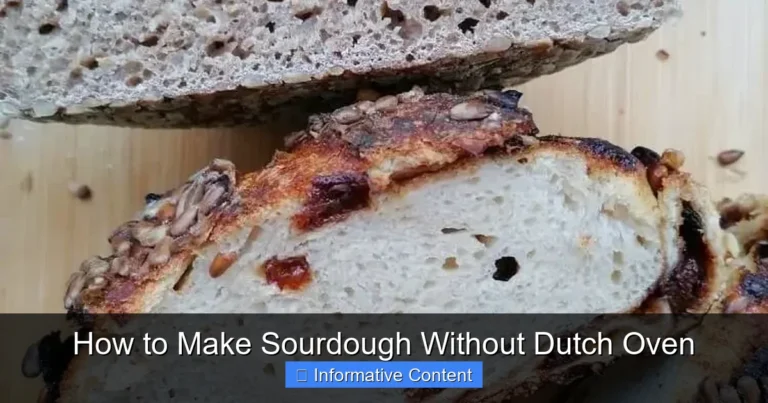
Many modern ovens offer both steam and convection modes. Some even combine them in a single cycle. This combination is a game-changer. For example, you can start bread baking with a burst of steam. The steam keeps the dough surface moist, allowing the bread to expand fully. Then, you switch to convection heat. The dry air creates a thin, glossy crust. This two-step method mimics professional deck ovens.
Another example is roasting a turkey. You might steam the bird for the first hour to keep the breast meat juicy. Then you switch to convection to crisp the skin. The result is a bird that is moist inside and crunchy outside. The key is timing and control. You need to know when to trap moisture and when to release it. This dance between steam and convection is the heart of great cooking.
- Start with Steam: Begin with steam to cook the interior gently and keep it moist.
- Finish with Convection: Switch to dry heat for the last 10-15 minutes to brown and crisp.
- Use a Probe: A meat thermometer helps you stop cooking at the perfect internal temperature.
- Vent Wisely: Open the oven door briefly to release excess steam before convection mode.
- Practice with Bread: Try the steam-then-convection method with a simple artisan loaf.
Combining these methods gives you the best of both worlds. You get juicy interiors and crispy exteriors. It takes a little practice, but the results are worth it. In the next section, we will look at specific foods and how they react.
Food-By-Food Moisture Guide: What Works Best
Different foods respond differently to steam and convection. A crisp french fry needs dry heat, while a soft pretzel needs steam. Knowing these preferences helps you choose the right setting. For example, vegetables like bell peppers and onions caramelize beautifully under convection. But leafy greens like spinach wilt too much; a quick steam is better.
Meats are another story. A fatty pork belly loves convection because the dry heat renders fat and crisps skin. A lean chicken breast can dry out quickly, so a steam-assisted oven keeps it tender. Baked goods are the most sensitive. Cakes and muffins need a moist environment to rise evenly. Breads need steam early and dry heat later. Here is a quick reference guide.
- Vegetables: Use convection for roasting (crispy), steam for tender-crisp (moist).
- Meats: Convection for skin-on poultry and pork; steam for fish and lean cuts.
- Breads: Steam first for oven spring, then convection for crust.
- Casseroles: Cover with foil to trap steam, then uncover and convection-bake for a golden top.
- Desserts: Use steam for custards and cheesecakes; convection for cookies and pies.
This guide is a starting point. Your own taste and equipment will fine-tune it. The more you cook, the more intuitive this becomes. Next, we will cover common mistakes and how to fix them.
Troubleshooting Common Moisture Problems
Even experienced cooks run into moisture issues. Soggy roasted vegetables are a classic. This happens when you crowd the pan. Too many veggies release steam that gets trapped, steaming them instead of roasting. The fix is simple: spread them out and use convection. Another problem is dry cake. Convection can be too harsh for delicate batters. Lower the temperature and check early.
Stale bread is another moisture issue. Bread dries out because moisture migrates to the crust and evaporates. To revive it, wrap it in a damp paper towel and microwave for 10 seconds. Or better yet, reheat it in a steam oven. For crispy foods that get soggy, like fried chicken, reheat them in a convection oven. The dry air restores crunch. Here are more fixes.
- Soggy Veggies: Use a single layer, raise the heat, and switch to convection mode.
- Dry Meat: Brine before cooking, use steam, and pull at 5°F below target temp.
- Tough Crust: Reduce convection fan speed or lower temperature by 25°F.
- Wet Bottom Pie: Blind bake the crust first, then use convection for the filling.
- Gummy Rice: Let it rest covered to steam, then fluff with a fork.
Most moisture problems have a simple fix. Adjust your method, and you will see immediate improvement. Now, let us look at the best practices for daily cooking.
Best Practices for Moisture Control in Your Kitchen
Great cooking is about habits. A few simple practices will make moisture control second nature. First, always preheat your oven fully. A cold oven releases uneven heat and moisture. Second, use the right pan. Dark pans brown faster; light pans are gentler. Third, keep a spray bottle of water handy. A quick spritz before baking can create steam without a dedicated steam oven.
Always cross-reference industry guidelines and safety protocols before modifying operational workflows or high-stakes parameters.
Fourth, learn to listen and look. The sound of sizzling means moisture is leaving. A quiet oven means steam is trapped. Fifth, rest your food. After cooking, let meat rest under foil. The juices redistribute, and the moisture stays inside. Finally, clean your oven regularly. A dirty oven holds old moisture and flavors. These habits will elevate your cooking.
- Preheat Fully: Give your oven 15-20 minutes to reach stable temperature.
- Use a Thermometer: Never guess doneness; check internal temp for perfect moisture.
- Rest Your Meat: Let roasted meats sit for 5-20 minutes before slicing.
- Manage Rack Position: Middle rack for even heat; lower for crisping.
- Keep It Clean: Wipe spills and descale steam ovens monthly.
These best practices are easy to adopt. They will save you from dry turkey and soggy fries. In the next section, we answer your most common questions. If you are tackling related practical challenges, check out our walkthrough on How Moist Air Circulates Around Food Inside Steam Ovens.
Frequently Asked Questions About Steam and Convection
Can I Use Steam and Convection at the Same Time?
Yes, many modern ovens have a combination mode. This mode adds bursts of steam while the fan circulates air. It is perfect for bread, roasted chicken, and vegetables. The steam keeps the inside moist while the convection crisps the outside. Check your oven manual for specific settings.
Why Did My Convection-Baked Cake Turn Out Dry?
Convection heat is too strong for delicate cakes. The moving air dries the batter before it sets. Next time, lower the temperature by 25°F. You can also wrap the cake pan with a damp towel or use a water bath. Alternatively, use the bake (non-convection) setting.
How Does Steam Affect the Texture of Bread?
Steam keeps the dough surface moist and flexible. This allows the bread to expand fully in the oven, a process called oven spring. Without steam, the crust sets too early, and the bread stays dense. After 10-15 minutes, switch to dry heat for a crisp crust.
Is a Steam Oven Better Than a Convection Oven?
Neither is better; they do different jobs. Steam ovens are great for reheating, vegetables, and fish. Convection ovens excel at roasting and baking. A combination oven offers the best of both. Choose based on your cooking style.
How Do I Keep Roasted Vegetables From Getting Soggy?
Use high heat (425°F or higher) and convection mode. Do not overcrowd the pan. Cut vegetables into uniform pieces. Pat them dry before tossing in oil. The dry air will evaporate surface moisture quickly, giving you crispy edges.
Summary Table: Steam vs. Convection Moisture Effects
| Factor | Steam Heat | Convection Heat |
|---|---|---|
| Moisture Effect | Adds moisture, prevents drying | Removes moisture, dries surface |
| Best Texture | Soft, tender, moist | Crispy, browned, crunchy |
| Ideal Foods | Vegetables, fish, dumplings, rice | Roasted meats, potatoes, pastry, bread crust |
| Temperature Range | 212°F (100°C) max until dry | 300°F to 500°F (150°C to 260°C) |
| Cooking Speed | Fast (high heat transfer) | Fast (moving air) |
| Browning Ability | None (no Maillard reaction) | Excellent (surface dries and browns) |
| Common Equipment | Bamboo steamer, steam oven | Convection oven, air fryer |
| Watch Out For | Sogginess, waterlogged food | Dryness, tough crusts |
Conclusion: Mastering Moisture for Better Cooking
Understanding how steam and convection heat affect food moisture is a superpower in the kitchen. Steam surrounds food with vapor, keeping it tender and juicy. Convection sweeps away moisture, creating crispy, golden surfaces. When you combine them, you can achieve the perfect texture for any dish. The key is to choose the right method for your goal.
Start with simple experiments. Roast vegetables with convection. Steam fish for a delicate dinner. Then try a two-step method for bread or chicken. Adjust temperatures and times as you learn. Soon, you will not need a recipe to know which setting to use. Your senses will guide you.
Remember the best practices: preheat, use a thermometer, rest your meat, and keep your oven clean. Avoid common mistakes like overcrowding the pan or using convection for delicate cakes. With these tips, you will never serve soggy fries or dry chicken again. Your family and friends will notice the difference.
Cooking is a journey of small improvements. Moisture control is one of the most impactful skills you can develop. So preheat that oven, grab your steamer basket, and start experimenting today. The perfect bite is just a setting away.