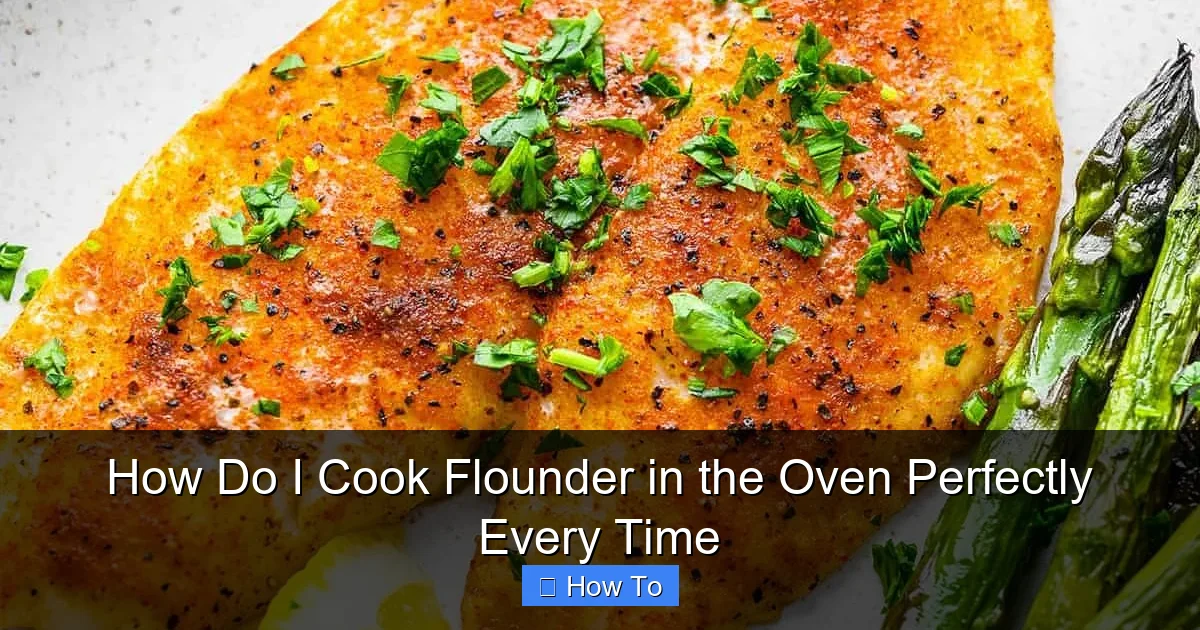
How Do I Cook Flounder in the Oven Perfectly Every Time

Featured image for how to cook flounder in the oven
Image source: i.ytimg.com
Preheat your oven to 400°F (200°C) and bake flounder fillets for 12–15 minutes for tender, flaky results every time. Season simply with salt, pepper, lemon, and herbs, or add a light butter crust to lock in moisture and boost flavor. Avoid overcooking—use a meat thermometer to ensure the internal temperature reaches 145°F (63°C) for perfect doneness.
How to How Do I Cook Flounder in the Oven Perfectly Every Time
Why This Matters / Understanding the Problem
Flounder is a mild, flaky white fish that’s delicious when cooked right—but it’s also easy to overcook, dry out, or under-season. If you’ve ever asked yourself, “How do I cook flounder in the oven perfectly every time?”, you’re not alone. Many home cooks struggle with timing, texture, and flavor balance, ending up with a fish that’s either rubbery or tasteless.
The good news? Oven-baking is one of the easiest and most reliable ways to get restaurant-quality flounder at home. With the right method, you’ll achieve golden, tender fillets that stay juicy and full of flavor—no guesswork, no stress. Whether you’re feeding picky eaters or impressing dinner guests, mastering this technique means consistent success in your kitchen.
By focusing on simple prep, precise timing, and smart seasoning, you’ll unlock the secret to perfectly baked flounder—every single time. That’s why learning how to cook flounder in the oven perfectly every time isn’t just helpful—it’s essential for any home cook.
What You Need
Before we dive into the steps, let’s gather everything you’ll need. The beauty of oven-baked flounder is that it requires minimal tools and ingredients—most of which you probably already have.
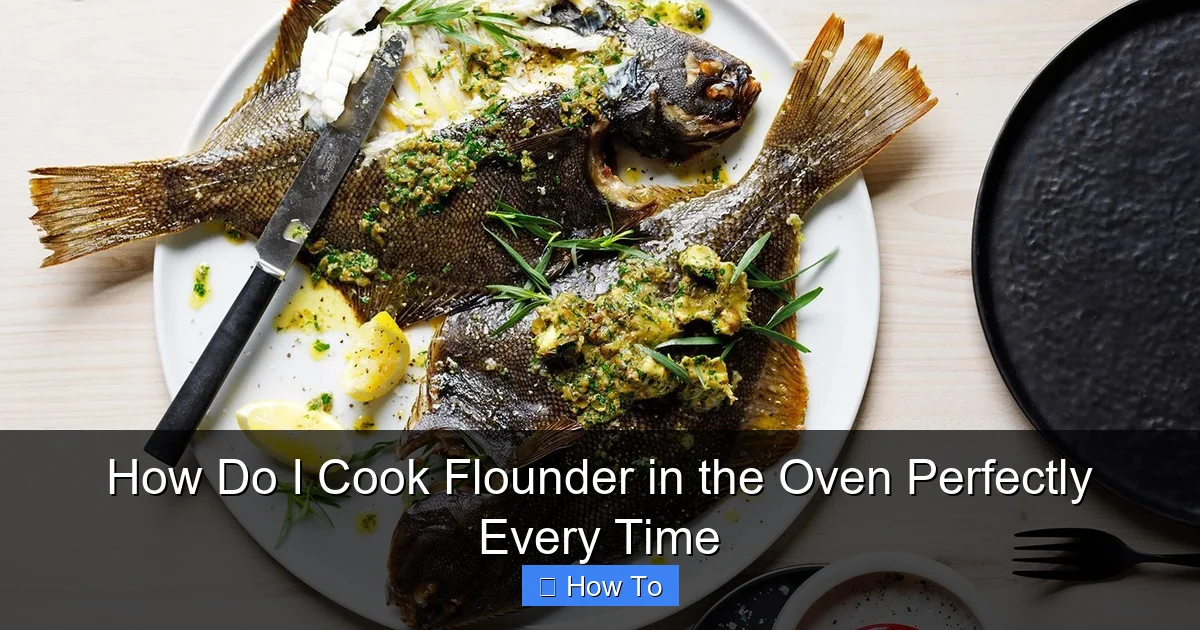
Visual guide about how to cook flounder in the oven
Image source: img.delicious.com.au
- Fresh or thawed flounder fillets (4–6 oz each, skinless or skin-on)
- Olive oil or melted butter (for moisture and browning)
- Salt and freshly ground black pepper (the foundation of flavor)
- Lemon juice or white wine (brightens the fish naturally)
- Fresh herbs (dill, parsley, or thyme work best)
- Optional seasonings: garlic powder, paprika, onion powder, or lemon zest
- Baking sheet or oven-safe dish (rimmed for even heat distribution)
- Parchment paper or non-stick foil (to prevent sticking and simplify cleanup)
- Meat thermometer (highly recommended for precision)
- Aluminum foil or oven-safe lid (optional, for covering during first half of cooking)
Bonus tip: If you’re using frozen flounder, thaw it slowly in the fridge overnight. Never thaw at room temperature—this affects texture and can lead to uneven cooking. Now that you’ve got your tools, let’s get cooking!
Step-by-Step Guide to How Do I Cook Flounder in the Oven Perfectly Every Time
Step 1: Preheat the Oven and Prep Your Baking Surface
Start by preheating your oven to 375°F (190°C). This temperature is the sweet spot—hot enough to cook the fish through without drying it out, but gentle enough to preserve its delicate texture.
Visual guide about how to cook flounder in the oven
Image source: wholesomeyum.com
Line your baking sheet or dish with parchment paper or non-stick foil. This prevents sticking, makes cleanup a breeze, and ensures even browning. If you don’t have parchment, lightly grease the pan with olive oil or non-stick spray.
Pro tip: Avoid overcrowding the pan. Leave at least 1 inch between each fillet so hot air can circulate and cook the fish evenly.
Step 2: Prepare the Flounder Fillets
Pat the flounder fillets dry with paper towels. Moisture is the enemy of crisp edges and even cooking—drying them helps the seasoning stick and promotes better browning.
Check for any remaining bones or skin. Flounder is usually sold boneless, but a quick once-over with tweezers or a sharp knife ensures a smooth bite. If your fillets are thick (over 1 inch), consider slicing them in half horizontally for faster, more even cooking.
Season both sides generously with salt and pepper. Remember: flounder is mild, so don’t be shy with seasoning. A light sprinkle of garlic powder or paprika adds depth without overpowering the fish.
Warning: Don’t skip the salt. Underseasoned flounder tastes flat, no matter how perfectly it’s cooked.
Step 3: Add Moisture and Flavor (The Secret to Juicy Fish)
Drizzle each fillet with 1 teaspoon of olive oil or melted butter. This adds richness and helps the seasoning adhere. For extra brightness, squeeze a little fresh lemon juice (about ½ tsp per fillet) or splash with 1 tbsp white wine per serving.
Top with fresh herbs—dill is a classic pairing with flounder, but parsley or thyme work beautifully too. Add a few thin lemon slices on top for aroma and a pop of color.
If you want a golden crust, you can lightly brush the tops with a mix of 1 tbsp oil + 1 tsp Dijon mustard. This creates a flavorful, restaurant-style finish.
Pro tip: For a “crispy” version, press a light layer of panko or crushed crackers onto the oiled surface before baking.
Step 4: Arrange and Bake (Timing Is Everything)
Place the seasoned fillets on the prepared baking sheet in a single layer. If your fillets are thin (under ½ inch), you can bake them uncovered for the full time. For thicker fillets, cover loosely with aluminum foil for the first 10 minutes to gently steam and prevent drying.
Bake at 375°F (190°C) for 12–15 minutes total. Remove the foil (if used) after 10 minutes to allow browning. The total time depends on thickness:
- ½-inch fillets: 12 minutes
- ¾-inch fillets: 13–14 minutes
- 1-inch fillets: 15 minutes
The fish is done when it’s opaque and flakes easily with a fork. For precision, insert a meat thermometer into the thickest part—it should read 145°F (63°C). This is the USDA-recommended safe temperature for fish.
Common mistake: Overcooking. Flounder loses moisture quickly. When it hits 145°F, it’s done—even if it looks slightly translucent at the edges.
Step 5: Rest and Serve for Maximum Juiciness
Once out of the oven, let the flounder rest for 2–3 minutes. This allows the juices to redistribute, ensuring every bite is moist and flavorful. Don’t skip this step—resting is key to how you cook flounder in the oven perfectly every time.
Serve immediately. Flounder cools quickly and loses its delicate texture. Pair it with roasted veggies, mashed potatoes, rice pilaf, or a fresh green salad. Drizzle with a little extra lemon juice or a dollop of herb butter for a gourmet touch.
Pro Tips & Common Mistakes to Avoid
Even with a solid method, small mistakes can ruin your flounder. Here’s how to stay on track:
- Use a meat thermometer: Eyeballing doneness is risky. A thermometer eliminates guesswork and ensures perfect results every time.
- Don’t overmix seasonings: Flounder doesn’t need heavy breading or marinades. Simplicity is best—let the fish shine.
- Watch the clock: Set a timer. It’s easy to get distracted, and just 2 extra minutes can turn tender fish into cardboard.
- Choose quality fillets: Look for fresh, translucent flesh with no fishy smell. If using frozen, thaw properly—never microwave.
- Don’t flip the fish: Flounder is too delicate to flip. Bake it in one go to keep it intact.
- Season under the skin (if skin-on): If your fillets have skin, score it lightly and rub seasoning underneath for extra flavor.
Pro tip: For a smoky twist, add a pinch of smoked paprika or a few drops of liquid smoke to the oil before drizzling. It mimics grilled flavor without the grill!
Also, consider baking with a sauce: Place a spoonful of pesto, tomato sauce, or white wine-butter sauce in the baking dish before adding the fish. It steams in its own juices, creating a built-in sauce.
One last thing: Leftover flounder? It’s great in salads, tacos, or pasta the next day. Store in an airtight container for up to 2 days. Reheat gently in the oven at 300°F for 5–7 minutes to avoid drying.
FAQs About How Do I Cook Flounder in the Oven Perfectly Every Time
Q: Can I use frozen flounder?
A: Yes, but thaw it slowly in the fridge overnight. Never cook flounder straight from frozen—it leads to uneven texture and watery results. Once thawed, pat it dry before seasoning to avoid steaming instead of baking.
Q: What if my flounder is very thin?
A: Thin fillets (¼–½ inch) cook faster. Reduce baking time to 8–10 minutes and keep the oven at 375°F. Cover with foil for the first 5 minutes, then uncover to finish. They’ll flake easily when done.
Q: Can I add breadcrumbs or a crust?
A: Absolutely! For a crispy top, press a mix of panko, grated Parmesan, lemon zest, and herbs onto the oiled fillets before baking. Bake uncovered the whole time for maximum crunch.
Q: What sides go well with baked flounder?
A: Flounder pairs beautifully with light, fresh sides: roasted asparagus, garlic sautéed spinach, quinoa, or a citrusy arugula salad. Avoid heavy starches—they overpower the fish’s delicate flavor.
Q: Is it safe to eat flounder skin?
A: Yes, but it’s often removed before sale. If your fillets have skin, you can leave it on—it crisps up nicely when baked. Just make sure to score it and season underneath for flavor.
Q: Can I cook multiple fillets at once?
A: Yes! Just don’t overcrowd the pan. Use a large baking sheet and space fillets at least 1 inch apart. Rotate the pan halfway through baking for even cooking in older ovens.
Q: Why does my flounder taste bland?
A: Flounder is mild, so seasoning is crucial. Salt it well, add lemon or wine, and use fresh herbs. A splash of capers or a spoon of tartar sauce can also boost flavor. Remember: how you season matters as much as how you cook.
Final Thoughts
Now that you know how to cook flounder in the oven perfectly every time, you’re ready to impress with minimal effort. This method works whether you’re cooking for two or hosting a family dinner. The key? Respect the fish’s delicate nature, season with confidence, and trust your thermometer.
Forget complicated recipes or risky grilling. Oven-baked flounder is foolproof, fast, and flavorful. With just 15 minutes in the oven and a few simple ingredients, you’ll turn out golden, flaky fillets that melt in your mouth.
So next time you’re wondering how do I cook flounder in the oven perfectly every time, just follow these steps. Keep it simple, stay focused on timing, and don’t overthink it. Your taste buds—and your dinner guests—will thank you.
Ready to try it? Grab your fillets, preheat the oven, and make tonight the night you master flounder. Happy cooking!