How Do I Cook Shrimp in the Oven Perfectly Every Time
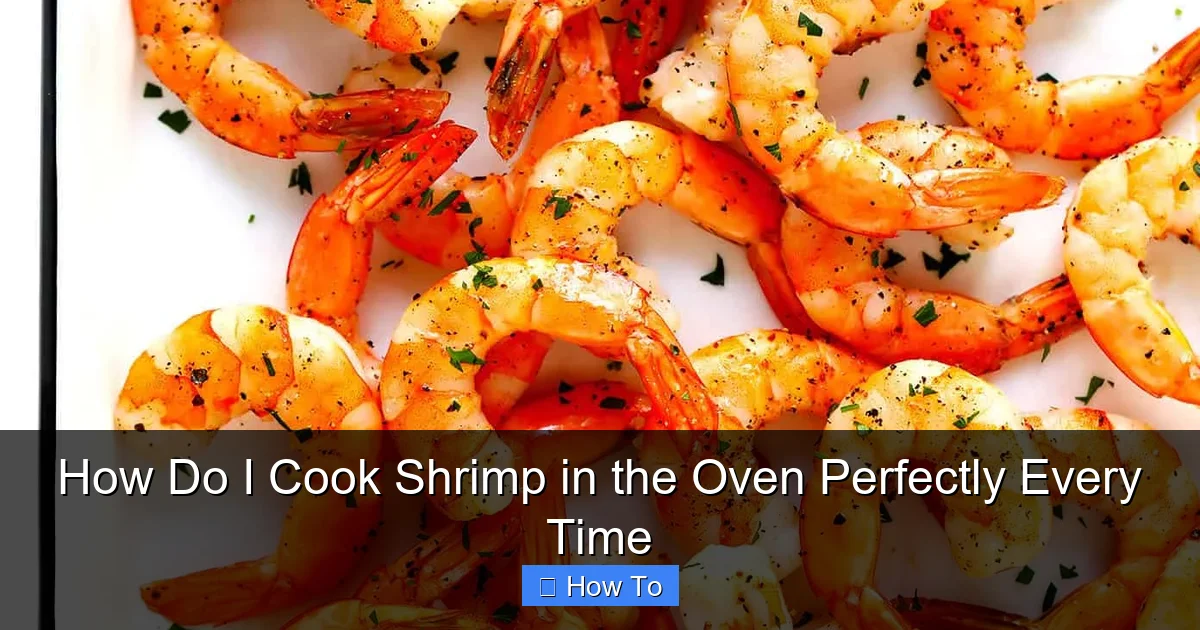
Featured image for how to cook shrimp in the oven
Image source: gimmesomeoven.com
Cooking shrimp in the oven perfectly every time starts with preheating to 425°F and arranging peeled, deveined shrimp in a single layer on a parchment-lined baking sheet. Season simply with salt, pepper, garlic, and a drizzle of olive oil, then bake for just 8–10 minutes until opaque and lightly golden—no flipping needed. This foolproof method ensures juicy, flavorful results ideal for salads, tacos, or quick weeknight dinners.
How Do I Cook Shrimp in the Oven Perfectly Every Time?
Why This Matters / Understanding the Problem
Have you ever tried baking shrimp only to end up with rubbery, overcooked pieces or undercooked, bland bites? You’re not alone. Many home cooks struggle with how to cook shrimp in the oven perfectly every time because shrimp cooks fast—and once it’s overcooked, there’s no going back.
Oven-baked shrimp is a healthy, hands-off alternative to sautéing or grilling, but timing, temperature, and prep matter. Whether you’re making shrimp tacos, pasta, or a simple sheet-pan dinner, knowing how to get tender, juicy, flavorful shrimp from the oven is a kitchen game-changer.
The good news? With the right method, you can master how to cook shrimp in the oven perfectly every time—without babysitting the pan or guessing doneness.
What You Need
Before you begin, gather these simple tools and ingredients. Nothing fancy—just kitchen basics and quality shrimp.
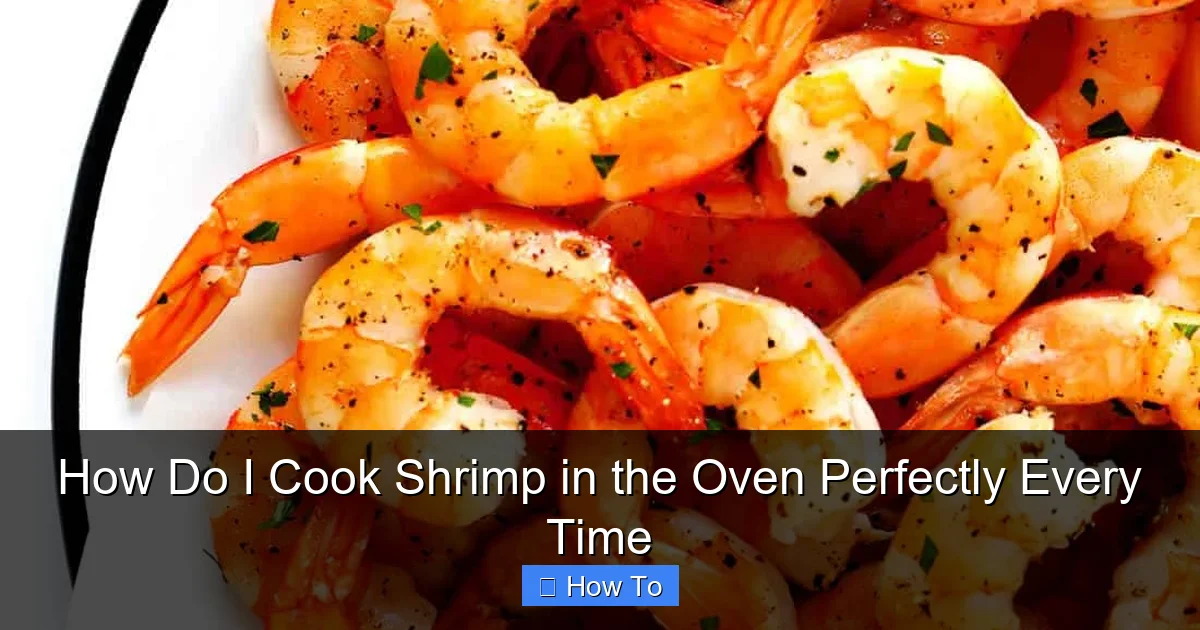
Visual guide about how to cook shrimp in the oven
Image source: gimmesomeoven.com
- Shrimp: Fresh or frozen (thawed), peeled and deveined (tails on or off, your choice). Medium to large (26–40 count per pound) work best.
- Baking sheet: Rimmed to catch drips. Use parchment paper or a silicone mat to prevent sticking.
- Olive oil or melted butter: For coating and flavor (2–3 tbsp total).
- Seasonings: Salt, pepper, garlic powder, paprika, lemon zest, or your favorite blend (like Old Bay or Cajun).
- Lemon juice: Freshly squeezed for brightness (1–2 tbsp).
- Optional add-ins: Minced garlic, fresh herbs (parsley, cilantro), red pepper flakes, or a splash of white wine.
- Meat thermometer (optional but helpful): Shrimp should reach 120–125°F (49–52°C) for perfect texture.
Pro Tip: Always thaw frozen shrimp properly—never in warm water or the microwave. Place them in the fridge overnight or in a sealed bag under cold running water for 15–20 minutes.
Step-by-Step Guide to How Do I Cook Shrimp in the Oven Perfectly Every Time
Step 1: Preheat Your Oven and Prep the Shrimp
Set your oven to 425°F (220°C). This high heat quickly sears the shrimp, locking in moisture without drying them out. It’s the secret to how to cook shrimp in the oven perfectly every time.
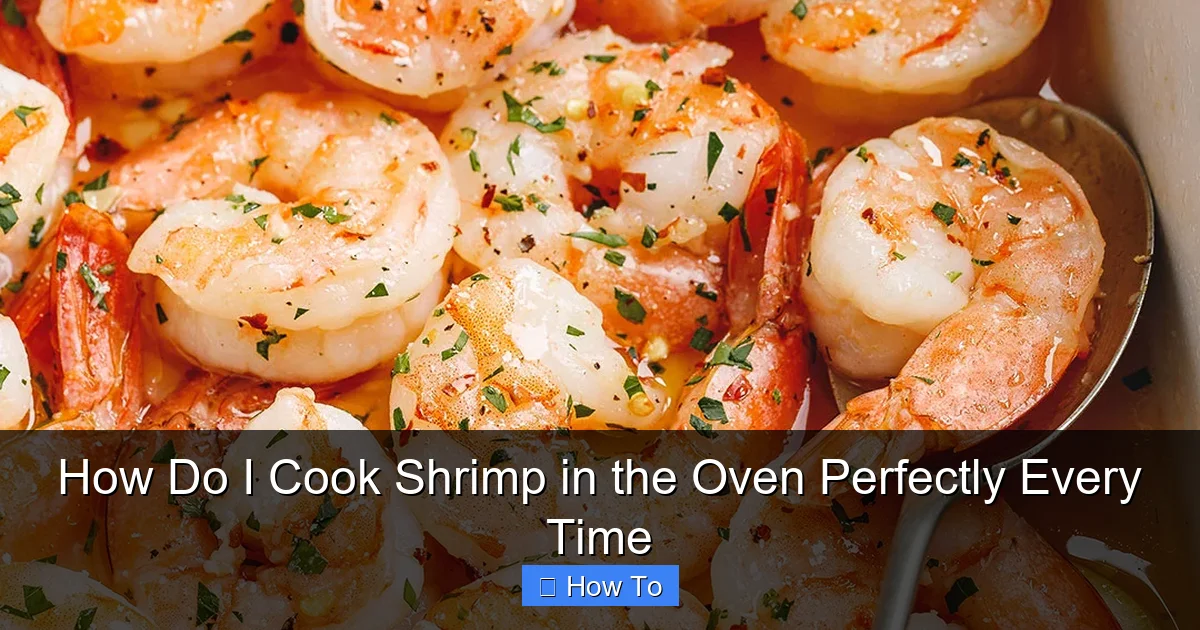
Visual guide about how to cook shrimp in the oven
Image source: eatwell101.com
While the oven heats, prep your shrimp. If frozen, thaw completely and pat dry with paper towels. Wet shrimp steam instead of sear, leading to soggy results. Remove shells (if not already peeled) and devein if needed. Leaving tails on adds presentation flair—great for appetizers.
Warning: Never skip drying the shrimp. Moisture = steam = rubbery texture. Dry them well!
Step 2: Season the Shrimp for Maximum Flavor
In a large bowl, toss the shrimp with olive oil, lemon juice, salt, pepper, and your seasonings. Use about 1–2 teaspoons of salt and ½ teaspoon each of garlic powder and paprika for a classic base.
For extra flavor, add 1–2 cloves of minced garlic or a pinch of red pepper flakes. Toss gently—don’t overmix. Let the shrimp marinate for 10–15 minutes at room temperature while the oven finishes heating.
This quick marinade boosts flavor without overpowering the shrimp’s natural sweetness—key to how to cook shrimp in the oven perfectly every time.
Step 3: Arrange the Shrimp on the Baking Sheet
Line your baking sheet with parchment paper or a silicone mat. Arrange the shrimp in a single layer, leaving a little space between each one. Overcrowding causes uneven cooking and steaming.
For even browning, place the shrimp with the curved side down—this helps them sit flat and sear properly. If you’re adding vegetables (like asparagus, bell peppers, or zucchini), place them on the sides to cook alongside the shrimp.
This setup makes a one-pan meal and cuts down on cleanup—perfect for busy weeknights.
Step 4: Bake Until Perfectly Pink and Slightly Curled
Pop the sheet into the preheated oven. Bake for 8–10 minutes, depending on size. Medium shrimp (31–40 count) take about 8 minutes; jumbo (16–20 count) may need 10–12.
Look for visual cues: the shrimp will turn opaque pink and curl into a loose “C” shape. If they curl into a tight “O,” they’re overcooked. No need to flip—the high heat cooks evenly.
For precision, use a meat thermometer. Insert it into the thickest part of a shrimp. It should read 120–125°F (49–52°C). This is the sweet spot for how to cook shrimp in the oven perfectly every time.
Pro Tip: Rotate the pan halfway if your oven has hot spots, but avoid opening the door too early—this drops the temperature and slows cooking.
Step 5: Finish with Freshness and Serve Immediately
Remove the shrimp from the oven. Sprinkle with fresh herbs (parsley, dill, or cilantro) and a final squeeze of lemon juice. This brightens the flavor and adds a restaurant-quality touch.
Serve immediately. Shrimp cools quickly and loses its tender texture. If making a salad or pasta, toss the hot shrimp with the other ingredients right away for even heat distribution.
For a crowd, keep the shrimp warm in a 200°F (95°C) oven for up to 15 minutes—but don’t hold longer, or they’ll dry out.
Step 6: Optional Variations (Mix It Up!)
Once you master the basics, try these easy upgrades:
- Garlic Butter Shrimp: Add 3 tbsp melted butter, 3 minced garlic cloves, and a pinch of parsley to the seasoning mix.
- Spicy Cajun: Use 1 tbsp Cajun seasoning + ½ tsp smoked paprika. Great with corn and potatoes on the sheet pan.
- Lemon-Herb: Add lemon zest, thyme, and a splash of white wine to the oil mix.
- Sheet-Pan Shrimp Fajitas: Add sliced bell peppers and onions to the pan. Serve with tortillas and avocado.
These variations keep your meals exciting and still follow the same core principles of how to cook shrimp in the oven perfectly every time.
Pro Tips & Common Mistakes to Avoid
Even small errors can ruin your shrimp. Here’s how to stay on track:
- Don’t skip preheating: A hot oven ensures a quick sear. A cold oven leads to steaming and rubberiness.
- Use the right pan: Dark metal pans absorb heat better than light ones. Glass or ceramic can lower the temperature by 25°F—adjust time or temp.
- Don’t over-season: Shrimp have a delicate flavor. Too much salt or spice can mask their natural sweetness.
- Watch the clock: Set a timer. Shrimp go from perfect to overcooked in 60 seconds. When in doubt, pull them out early.
- Use frozen shrimp wisely: If using frozen, thaw completely and dry thoroughly. Never bake frozen shrimp straight from the freezer—they’ll be watery and uneven.
- Store leftovers properly: Refrigerate in an airtight container for up to 3 days. Reheat gently in a skillet with a splash of oil or broth to restore moisture.
Real-Life Example: Sarah, a busy mom of three, started using this method for weeknight dinners. “I used to burn shrimp every time,” she says. “Now I set the timer, pull them out at 9 minutes, and my family asks for seconds!”
FAQs About How Do I Cook Shrimp in the Oven Perfectly Every Time
Q: Can I bake frozen shrimp without thawing?
A: Not recommended. Frozen shrimp release too much water, leading to steaming instead of searing. Always thaw first—use the cold-water method if short on time. This ensures you get the crisp, golden edges that define how to cook shrimp in the oven perfectly every time.
Q: How do I know when shrimp are done?
A: Look for three signs: opaque pink color, a loose “C” shape, and an internal temp of 120–125°F (49–52°C). Avoid the “O” shape—it means overcooked. A meat thermometer removes all guesswork.
Q: Can I use this method for shrimp skewers or kebabs?
A: Yes! Thread marinated shrimp onto metal or soaked wooden skewers. Place them on the baking sheet so they don’t touch. Bake at 425°F for 8–10 minutes, turning once halfway. Great for parties!
Q: What if I don’t have parchment paper?
A: Lightly grease the baking sheet with oil or nonstick spray. Avoid foil unless greased—shrimp can stick. A silicone mat works too, or just use a well-seasoned baking sheet.
Q: Can I add sauce after baking?
A: Absolutely. Toss the hot shrimp with pesto, cocktail sauce, or a creamy lemon-dill sauce right after baking. This keeps them moist and flavorful. Just don’t add cold sauce—it cools them too fast.
Q: What’s the best way to reheat baked shrimp?
A: Use a skillet with a little oil over medium heat for 1–2 minutes per side. Avoid the microwave—it makes shrimp rubbery. For best results, reheat just before serving.
Q: Can I use this method for prawns or larger shrimp?
A: Yes! Jumbo prawns (10–15 count) may need 10–12 minutes at 425°F. Check for the “C” shape and internal temp. The method stays the same—just adjust time slightly.
Final Thoughts
Now you know exactly how to cook shrimp in the oven perfectly every time—no more guesswork, no more rubbery bites. With high heat, proper prep, and attention to timing, you can turn out restaurant-quality shrimp in under 15 minutes.
Remember: dry the shrimp, preheat the oven, season simply, and don’t walk away during the last 2 minutes. Whether you’re making a quick dinner, a party appetizer, or a healthy meal prep, this method delivers consistent, delicious results.
Next time someone asks, “How do I cook shrimp in the oven perfectly every time?” you’ll have the answer—and the confidence to prove it. Grab your baking sheet, fire up the oven, and enjoy tender, juicy, golden shrimp tonight.
Happy cooking—and even happier eating!