How Do I Dispose of Microwave Oven Safely and Responsibly
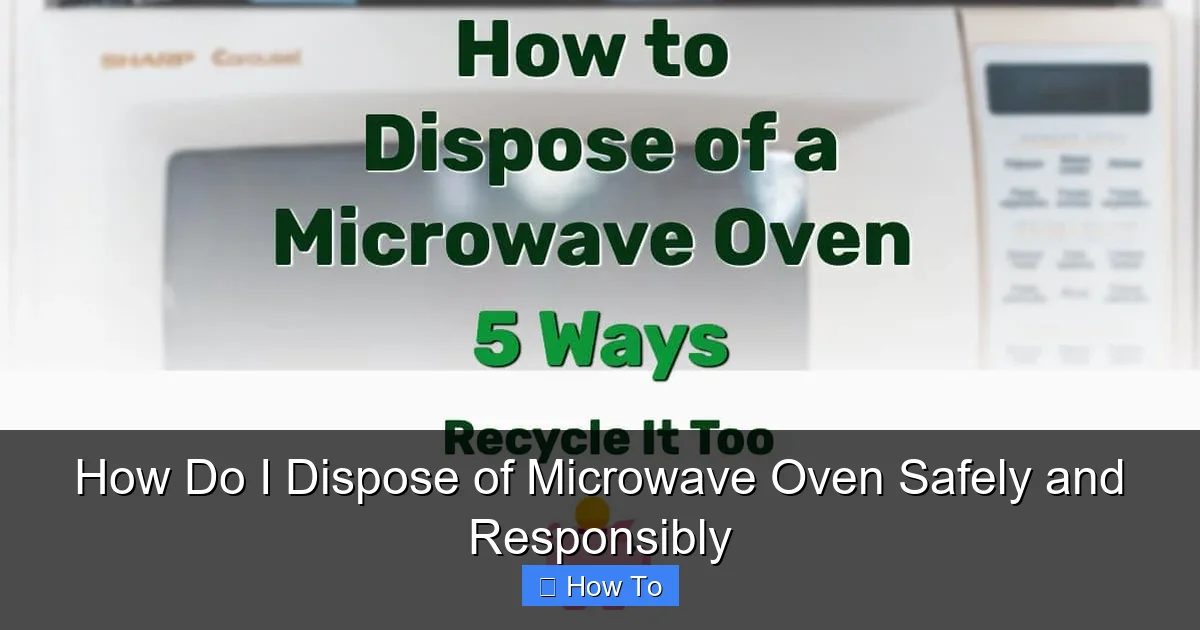
Featured image for how to dispose of microwave oven
Image source: tutopremium.com
Never toss your microwave in the trash—improper disposal risks environmental harm and violates e-waste laws. To dispose of a microwave oven safely, take it to a certified e-waste recycling center or schedule a pickup through your local waste authority, ensuring hazardous components like capacitors and magnetrons are handled responsibly. Many retailers also offer trade-in or recycling programs for added convenience.
How to How Do I Dispose of Microwave Oven Safely and Responsibly
Why This Matters / Understanding the Problem
You’ve upgraded your kitchen, and your old microwave oven is sitting in the corner, gathering dust. Now you’re wondering: How do I dispose of microwave oven safely and responsibly? It’s a fair question—and one many people overlook.
Microwaves aren’t just bulky trash. They contain hazardous materials like mercury switches, capacitors, and heavy metals. Tossing one in the regular trash can pollute landfills and even pose fire risks. Plus, many cities have strict rules about e-waste disposal. So, knowing how to dispose of microwave oven safely and responsibly isn’t just about convenience—it’s about protecting the environment and staying on the right side of the law.
From toxic components to recyclable metals, your microwave has more going on than you think. And with the rise of e-waste (now the world’s fastest-growing waste stream), doing the right thing matters more than ever. This guide walks you through every step, so you can clear space without guilt.
What You Need
Before diving in, gather these tools and resources. You won’t need fancy equipment—just a few basics and a little planning.
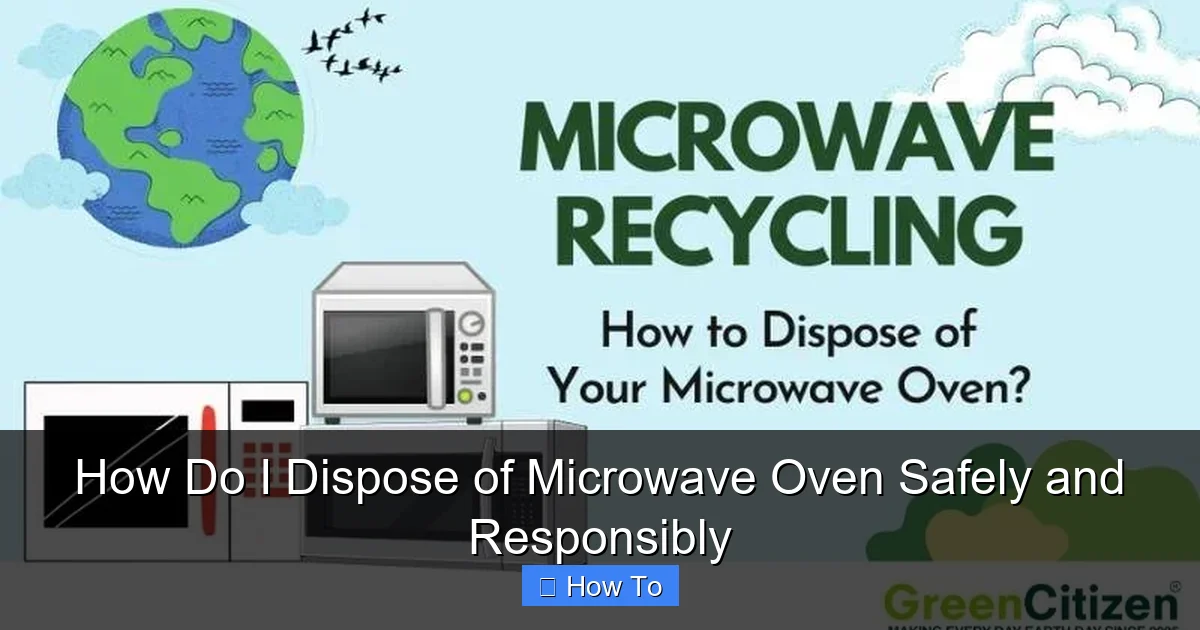
Visual guide about how to dispose of microwave oven
Image source: greencitizen.com
- A working phone or internet connection (to find local disposal options)
- Work gloves (to protect your hands from sharp edges)
- A dolly or hand truck (if your microwave is heavy or bulky)
- Old towels or moving blankets (to protect floors and prevent scratches)
- Access to your city or county’s waste management website
- List of local recycling centers, e-waste drop-offs, or appliance retailers
- Optional: A helper (microwaves can be awkward to carry, especially older models)
You don’t need to disassemble the microwave yourself—most facilities handle that. But knowing what’s inside helps you choose the right disposal method. For example, if your microwave has a capacitor (common in models over 10 years old), it can hold a dangerous charge even when unplugged. That’s why professional handling is key.
Step-by-Step Guide to How Do I Dispose of Microwave Oven Safely and Responsibly
Step 1: Unplug and Clean the Microwave
Start by unplugging the microwave and letting it sit for at least 24 hours. This gives any internal components, especially the capacitor, time to fully discharge.
Visual guide about how to dispose of microwave oven
Image source: discountdumpsterco.com
Next, clean it inside and out. Wipe down the turntable, interior walls, and control panel with a damp cloth and mild cleaner. Remove any food residue or sticky spots. A clean microwave is easier and safer to move, and it’s more likely to be accepted at donation centers.
Pro tip: If the turntable is cracked or the door doesn’t close properly, note that down. Some recyclers may still accept it, but it’s good to be honest when calling ahead.
Step 2: Check for Reuse or Donation Opportunities
Before recycling, ask: Is this microwave still functional? If it heats food well and the door seals tightly, someone else might need it.
- Donate to local charities like Goodwill, The Salvation Army, or Habitat for Humanity ReStore.
- List it for free on Craigslist, Facebook Marketplace, or Freecycle. Many people need affordable appliances.
- Ask friends, family, or neighbors—especially college students or new renters.
Donating keeps usable items out of landfills and helps others. Just make sure the microwave is in working order and clean. Most donation centers won’t accept broken or dirty appliances.
Warning: Never leave a microwave on the curb with a “free” sign unless your city allows it. Some areas consider this illegal dumping, even for free items.
Step 3: Locate a Certified E-Waste Recycler
If the microwave no longer works or isn’t suitable for donation, it’s time to recycle. But not all recycling centers accept microwaves—so do your homework.
Visit your city or county’s official waste management website. Look for “e-waste,” “electronic recycling,” or “appliance disposal.” Many offer free drop-off events or permanent collection sites.
You can also use tools like:
- Earth911 Recycling Search (enter “microwave” and your ZIP code)
- Call2Recycle (for broader e-waste guidance)
- Retailer take-back programs (more on this below)
Choose a facility certified by the Responsible Recycling (R2) or e-Stewards standards. These ensure safe handling of hazardous materials and ethical recycling practices.
Step 4: Use Retailer Take-Back or Haul-Away Services
Buying a new microwave? Many big-box retailers offer haul-away services when you purchase a replacement.
- Home Depot, Lowe’s, Best Buy, and Walmart often include old appliance removal for a small fee (usually $20–$50).
- Some even offer free removal if you’re buying a higher-end model.
- Ask the sales associate or check the website for details.
This is one of the easiest ways to dispose of microwave oven safely and responsibly. The retailer arranges pickup, and they partner with certified recyclers. No lifting, no searching—just schedule and done.
Pro tip: If you’re not buying a new microwave, call the retailer anyway. Some offer standalone haul-away services for a fee.
Step 5: Schedule a Municipal Bulk Pickup (If Available)
Some cities offer bulk item pickup for large appliances. This is great if you don’t have a car or can’t transport the microwave yourself.
Call your waste management provider or visit their website. Schedule a pickup and ask: “Do you accept microwaves?” Some programs accept them as e-waste; others may treat them as metal scrap.
On pickup day, place the microwave at the curb (or in the designated area) the night before. Make sure it’s clean and free of loose parts. Avoid blocking sidewalks or driveways.
Warning: Never leave a microwave on the curb without confirming pickup. Unattended appliances can be stolen, vandalized, or picked up by illegal scrappers who don’t follow safety rules.
Step 6: Handle Hazardous Components (Only If Required)
Most recyclers handle hazardous materials, but in rare cases (like rural areas with limited services), you might need to prep the microwave.
Never attempt to open the microwave yourself. The high-voltage capacitor can deliver a fatal shock, even after unplugging.
If a recycler asks for pre-processing, they’ll provide clear instructions—like removing the glass turntable or outer shell. Follow them exactly. If they don’t give guidance, don’t do it. Let the pros handle the dangerous parts.
Remember: how to dispose of microwave oven safely and responsibly means keeping hazardous materials intact and letting trained workers manage them.
Step 7: Confirm Proper Disposal and Get Documentation
After drop-off or pickup, ask for a receipt or confirmation. Some recyclers provide a certificate of recycling or a tracking number.
This is useful for:
- Peace of mind (knowing your microwave was handled properly)
- Tax deductions (if you donated a working unit)
- Proof of compliance (if you’re a business or landlord)
Keep this info for at least a year. If you ever get questions about your disposal method, you’ll have the details ready.
Pro Tips & Common Mistakes to Avoid
Even simple tasks can go sideways. Here’s how to stay on track when figuring out how do I dispose of microwave oven safely and responsibly.
Pro tip #1: Call before you haul. Not all recycling centers accept microwaves. Some only take small electronics. A quick call saves you a wasted trip.
Pro tip #2: Remove personal data. If your microwave has smart features (like Wi-Fi or saved settings), reset it to factory defaults. This protects your privacy.
Pro tip #3: Check for recycling events. Many cities host seasonal e-waste drives. These are free, convenient, and often accept hard-to-recycle items like microwaves.
Common mistakes:
- Leaving it on the curb without a pickup schedule. This invites illegal dumping and potential fines.
- Assuming all recyclers are equal. Some scrap yards crush appliances without removing hazardous parts. Stick with certified e-waste facilities.
- Trying to “fix it yourself.” If the microwave is broken, don’t waste time or money on repairs just to sell it. Recycle it instead.
- Ignoring local rules. Some states (like California) have strict e-waste laws. Check your local regulations.
- Forgetting about the turntable and glass plate. These are usually recyclable too. Don’t toss them in the trash.
FAQs About How Do I Dispose of Microwave Oven Safely and Responsibly
Q: Can I throw my microwave in the regular trash?
A: No. Most microwaves contain hazardous materials like capacitors and mercury switches. Landfills can’t safely process these. Plus, many cities ban e-waste from regular trash. Always use recycling or donation options when you’re figuring out how to dispose of microwave oven safely and responsibly.
Q: Is it safe to take apart my microwave before recycling?
A: Absolutely not. The capacitor inside can hold a deadly charge, even after unplugging. Only certified technicians should disassemble microwaves. Let the pros handle it.
Q: Can I recycle a microwave with a broken door or cracked turntable?
A: Yes, in most cases. Recyclers accept damaged units. The important thing is that it’s not leaking or emitting fumes. Just be honest about the condition when calling ahead.
Q: Do I have to pay to recycle my microwave?
A: Not always. Many municipal e-waste programs are free. Retailer haul-away services usually charge a small fee, but it’s worth the convenience. Avoid “free” recyclers who don’t have proper certifications—they may cut corners.
Q: What happens to my microwave after I drop it off?
A: Certified recyclers dismantle it in a safe, controlled environment. Metals like steel and aluminum are separated and melted down. Plastics are sorted and recycled. Hazardous components are disposed of properly. Nothing goes to landfill.
Q: Can I recycle a microwave oven in an apartment building?
A: Yes. Check with your building manager or HOA. Many complexes have bulk pickup schedules or partner with local recyclers. You can also use public drop-off centers.
Q: Are old microwave ovens worth money?
A: Sometimes. If it’s vintage or rare (like a 1970s model in good condition), it might be collectible. But most modern microwaves have no resale value. Focus on safe, responsible disposal instead.
Final Thoughts
Disposing of a microwave isn’t as simple as tossing it in the bin. But with the right steps, it’s totally manageable. Now that you know how to dispose of microwave oven safely and responsibly, you can clear space without harming the planet.
Start by unplugging and cleaning it. Explore donation options first. Then, use a certified recycler, retailer haul-away, or municipal pickup. Avoid shortcuts that risk safety or the environment.
Every microwave recycled is a win—less e-waste, fewer toxic materials in landfills, and a cleaner future. So don’t wait. Pick up the phone, visit a website, or schedule a pickup today. Your kitchen (and the planet) will thank you.
And remember: Responsibility doesn’t have to be hard. A little effort now makes a big difference later. Now go reclaim that counter space—the right way.