
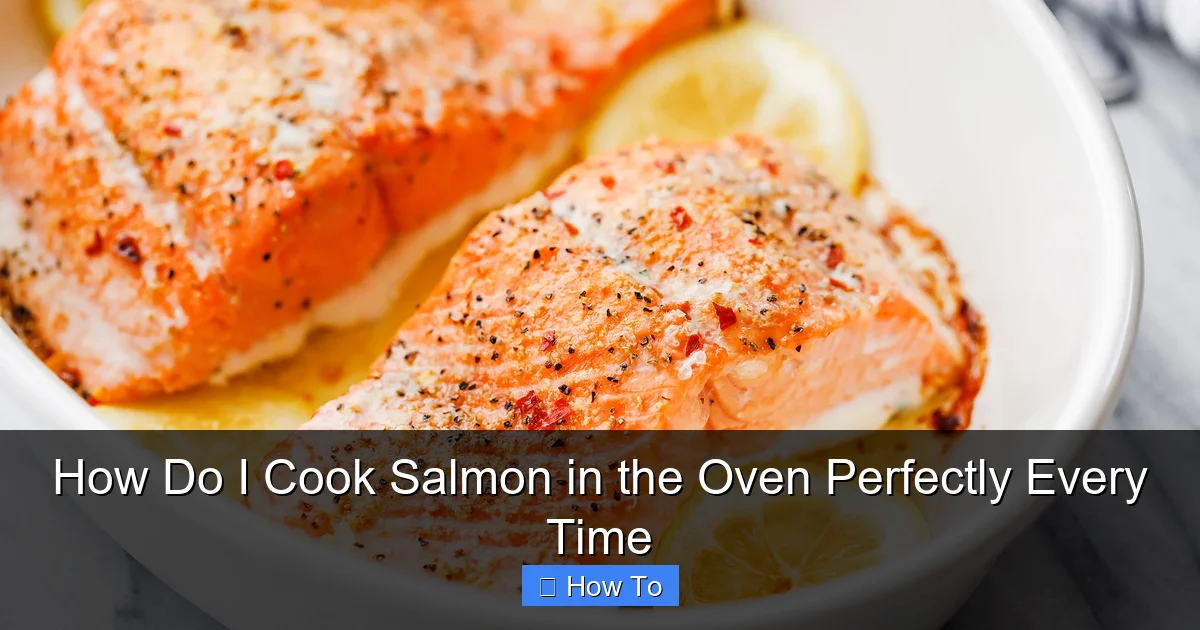
Featured image for how to cook salmon in the oven
Image source: eatwell101.com
Cooking salmon in the oven perfectly every time starts with using fresh, high-quality fillets and preheating your oven to 400°F (200°C). Season simply with salt, pepper, and a drizzle of olive oil, then bake for 12–15 minutes—just until the internal temperature reaches 145°F (63°C) and the flesh flakes easily with a fork. For foolproof results, use a meat thermometer and avoid overcooking to keep the salmon moist and flavorful.
“`html
How Do I Cook Salmon in the Oven Perfectly Every Time
Why This Matters / Understanding the Problem
You’ve bought fresh salmon, preheated the oven, and after 15 minutes, you’re staring at a dry, overcooked mess. Sound familiar? Cooking salmon in the oven seems simple, but getting that perfect flake, juicy interior, and golden crust is harder than it looks. Many home cooks struggle with timing, seasoning, and texture—leading to wasted money and disappointing meals.
That’s why knowing how to cook salmon in the oven perfectly every time is a game-changer. With the right technique, you can turn this healthy, delicious fish into a weeknight staple without guesswork. Whether you’re feeding a family or impressing guests, mastering oven-baked salmon means consistent results—every single time.
The key? Precision, simplicity, and understanding how heat affects fish. Let’s fix that dry salmon problem for good.
What You Need
Before you start, gather these tools and ingredients. Nothing fancy—just what you likely already have in your kitchen.

Visual guide about how to cook salmon in the oven
Image source: wholesomeyum.com
- Salmon fillets (skin-on or skin-off, 6–8 oz each, preferably wild-caught or high-quality farmed)
- Baking sheet or rimmed baking tray (to catch drips)
- Parchment paper or silicone baking mat (for easy cleanup and even browning)
- Olive oil or avocado oil (for crisp skin and even cooking)
- Salt and freshly ground black pepper (the foundation of flavor)
- Lemon slices (for brightness and moisture)
- Fresh herbs (dill, parsley, or thyme—optional but highly recommended)
- Meat thermometer (optional but *highly* recommended for precision)
Bonus: A pastry brush helps spread oil evenly, and a small bowl for mixing seasonings makes prep faster.
Pro Tip: Always let your salmon sit at room temperature for 10–15 minutes before cooking. Cold fish cooks unevenly—this small step makes a big difference in texture.
Step-by-Step Guide to How Do I Cook Salmon in the Oven Perfectly Every Time
Step 1: Preheat the Oven & Prep the Pan
Set your oven to 400°F (200°C) and let it fully preheat. A hot oven is essential for even cooking and crispy skin. While it heats, line a baking sheet with parchment paper or a silicone mat. This prevents sticking and makes cleanup a breeze.
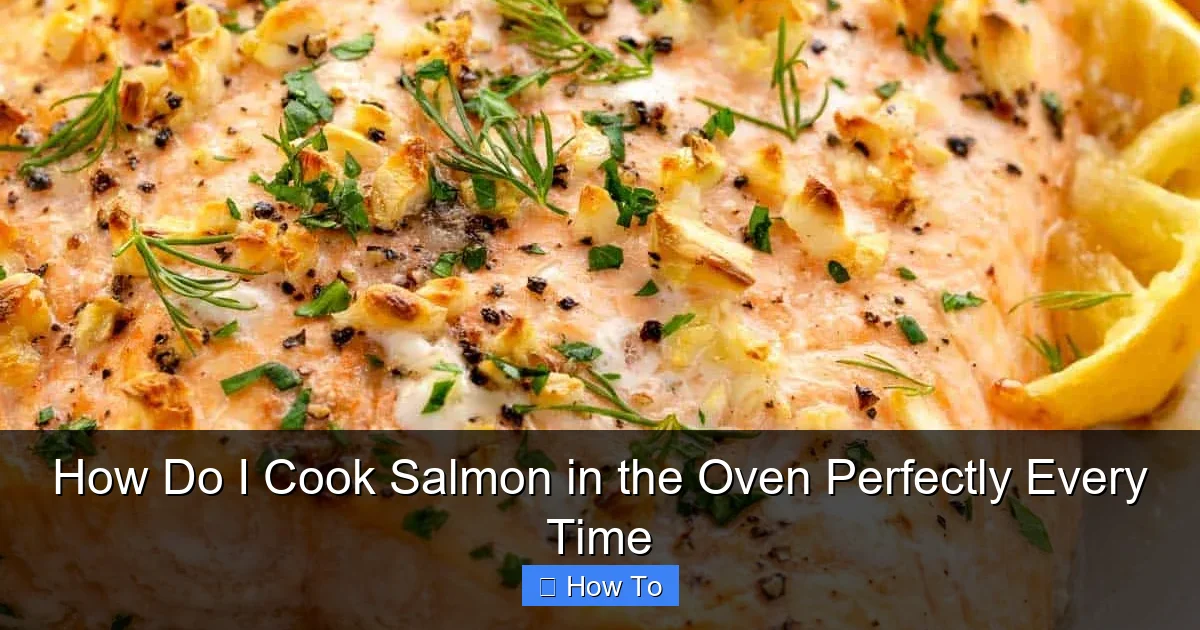
Visual guide about how to cook salmon in the oven
Image source: jessicagavin.com
Place the salmon fillets on the pan, skin-side down if skin-on. Leave about 1 inch of space between each fillet so steam can escape. Crowding leads to steaming instead of baking—no one wants soggy salmon.
Why 400°F? This temperature is the sweet spot. High enough to crisp the skin and seal in juices, low enough to avoid burning delicate flesh.
Step 2: Season Like a Pro
Season both sides generously with salt and pepper. Use about 1/4 tsp salt per fillet—this enhances flavor without overpowering the fish. Drizzle 1 tsp of oil per fillet and use your fingers or a pastry brush to coat evenly.
Add extras if you like: a sprinkle of garlic powder, a pinch of paprika, or fresh herbs. Place a few lemon slices on top—they’ll release juice as the fish cooks, adding brightness and moisture.
For extra flavor, try a quick lemon-herb marinade: mix 1 tbsp olive oil, 1 tsp lemon zest, 1 tbsp lemon juice, 1 minced garlic clove, and 1 tsp fresh dill. Brush it on before baking.
Warning: Don’t over-season. Salmon has a delicate flavor—too much seasoning can mask its natural richness.
Step 3: Bake with Confidence
Place the pan in the center of the oven. Bake for 10–14 minutes, depending on thickness. A 1-inch thick fillet usually takes 12 minutes. The fish is done when it flakes easily with a fork and reaches an internal temperature of 125°F (52°C) for medium-rare or 135°F (57°C) for medium.
Use a meat thermometer for the most accurate results. Insert it into the thickest part of the fillet—avoid touching the bone or skin. The salmon will continue to cook slightly after removal (carryover cooking), so pull it a few degrees early.
Pro Tip: If you don’t have a thermometer, the “flake test” works: gently press the side of the fillet with a fork. If it separates into clean layers, it’s ready.
Step 4: Rest & Serve
Remove the salmon from the oven and let it rest for 3–5 minutes. This allows the juices to redistribute, so every bite stays moist. Cover loosely with foil if you’re not serving immediately.
For extra crisp skin, broil for 1–2 minutes at the end—but watch closely! Broiling too long burns the top and dries out the fish.
Serve with the roasted lemon slices, extra herbs, or a drizzle of olive oil. Pair with roasted veggies, rice, or a fresh salad for a complete meal.
Step 5: Clean Up & Store Leftovers
Let the baking sheet cool, then wipe it down with warm, soapy water. Parchment paper makes this step nearly effortless. If you used a silicone mat, just rinse and air dry.
Store leftovers in an airtight container in the fridge for up to 3 days. Reheat gently in the oven at 300°F for 5–7 minutes to preserve texture. Avoid the microwave—it turns salmon rubbery.
Pro Tips & Common Mistakes to Avoid
Even small errors can ruin your salmon. Here’s how to dodge the most common pitfalls.
- Don’t overcook. This is the #1 mistake. Salmon loses moisture quickly past 135°F. Use a thermometer or the flake test to stop early.
- Skip the non-stick spray. It can leave a sticky residue. Use parchment paper or oil instead.
- Pat the fillets dry first. Moisture on the surface prevents browning. A paper towel works great.
- Use skin-on for crispness. Skin protects the flesh and crisps up beautifully. If you hate skin, remove it after baking.
- Don’t flip the fish. Salmon doesn’t need flipping in the oven. The heat from above and below does the work.
Real-Life Scenario: Sarah baked her salmon for 20 minutes because the recipe said so. Result? Dry, chewy fish. After switching to a thermometer, her salmon was juicy and flaky—every time. How to cook salmon in the oven perfectly every time starts with trusting your tools, not just the clock.
Bonus: For extra flavor, try baking salmon in foil packets. Add butter, herbs, and lemon inside the foil—this steams the fish gently and locks in moisture. Perfect for meal prep!
FAQs About How Do I Cook Salmon in the Oven Perfectly Every Time
How long does it take to cook salmon at 400°F?
For a 1-inch thick fillet, bake for 10–14 minutes. Thinner fillets (½ inch) need 8–10 minutes. Always check the internal temperature: 125°F for medium-rare, 135°F for medium. Remember, the fish keeps cooking after you pull it out.
Can I cook frozen salmon in the oven?
Yes! Skip thawing. Pat the frozen fillet dry, season, and bake at 400°F for 18–22 minutes. Add 2–4 minutes to the cook time. Use a thermometer to confirm it hits 135°F. This method is great for last-minute dinners.
Why is my salmon skin rubbery?
Rubbery skin usually means the skin wasn’t dried enough or the oven wasn’t hot enough. Pat the skin dry with a paper towel before baking. For extra crispness, broil for 1–2 minutes at the end—but don’t walk away!
Can I use a lower temperature for softer salmon?
Yes. Bake at 350°F for 15–18 minutes. Lower temps yield softer, more tender fish—ideal for people who prefer a “buttery” texture. Just don’t go below 325°F, or the skin won’t crisp.
What’s the best oil for baking salmon?
Olive oil, avocado oil, or grapeseed oil work best. They have high smoke points and add flavor. Avoid butter (it burns) or low-smoke oils like flaxseed.
How do I know if salmon is fresh?
Fresh salmon should smell like the ocean—not fishy. The flesh should be firm, not mushy, and have a bright pink or orange hue. Avoid dull or gray spots. If buying pre-packaged, check the “sell by” date.
Can I add sauce while baking?
Yes! Brush on teriyaki, honey mustard, or pesto during the last 3–5 minutes. Adding sauce too early burns the sugar and dries the fish. For bold flavor, serve extra sauce on the side.
Final Thoughts
Now you know how to cook salmon in the oven perfectly every time—no more dry, overcooked fillets. The secret is simple: preheat your oven, season well, use a thermometer, and let it rest. With these steps, you’ll get juicy, flaky salmon that wows your family and friends.
Start with a basic recipe, then experiment with herbs, sauces, or citrus. Try foil packets for easy cleanup, or broil for extra crisp skin. The more you cook salmon, the more intuitive it becomes.
Remember: perfection isn’t about fancy tools—it’s about attention to detail. So grab a fillet, preheat that oven, and enjoy restaurant-quality salmon at home. You’ve got this!
Actionable Advice: Next time you cook salmon, set a timer for 12 minutes, check the internal temp, and let it rest. Master this method, and you’ll never ask, “How do I cook salmon in the oven perfectly every time?” again.
“`