
Featured image for how to clean an oven without chemicals
Image source: i.ytimg.com
Clean your oven naturally using a powerful paste of baking soda and water—just apply, let sit, and wipe away grime without harsh chemicals. For stubborn residue, add vinegar to create a non-toxic foaming reaction that lifts burnt-on messes safely and effectively. This simple, eco-friendly method leaves your oven spotless and safe for food, with no fumes or toxic residues.
How Do You Clean an Oven Without Chemicals Naturally
Why This Matters / Understanding the Problem
Ever opened your oven and been hit with a smoky, greasy smell? Or noticed baked-on food stuck to the racks like cement? If you’re searching for how do you clean an oven without chemicals naturally, you’re not alone.
Harsh commercial oven cleaners often contain toxic fumes and leave behind residue that can transfer to your food. Not only is this bad for your health, but it’s also tough on the environment. The good news? You can tackle even the toughest grime using simple, natural ingredients you already have at home.
Cleaning your oven naturally isn’t just safer—it’s more affordable and surprisingly effective. Whether you’re dealing with last week’s pizza spill or months of built-up grease, this method works for all types of ovens: gas, electric, and convection.
What You Need
Before diving in, gather these safe, everyday items. No trips to the store required—most are probably in your kitchen right now.
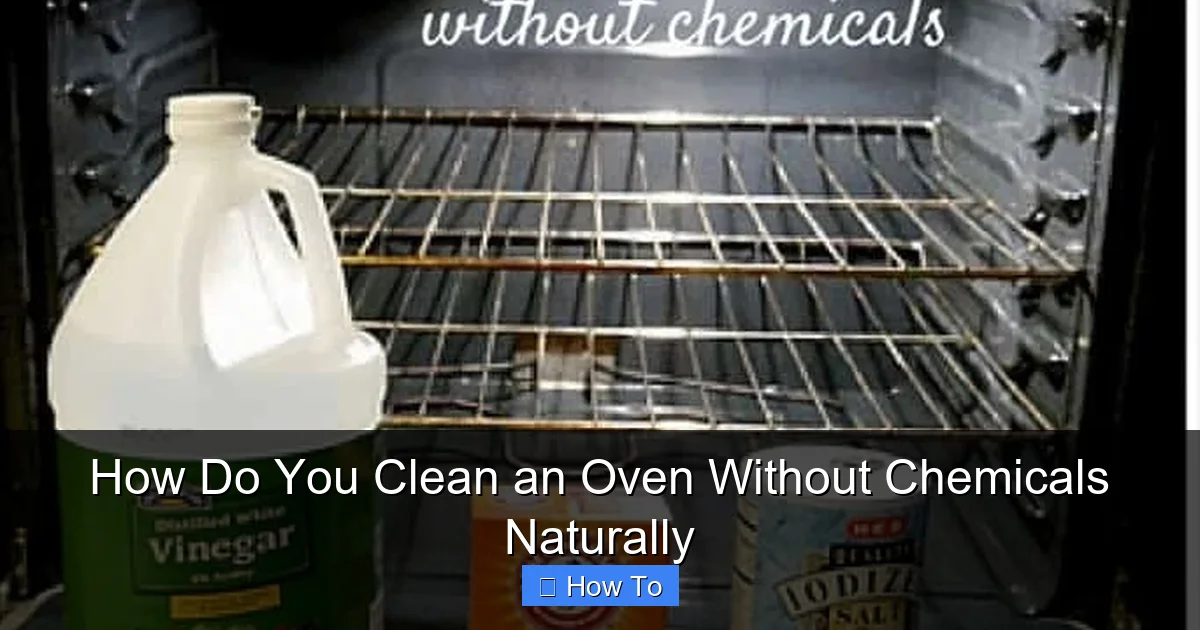
Visual guide about how to clean an oven without chemicals
Image source: chachingqueen.com
- Baking soda – the star of natural cleaning; breaks down grease and lifts stains.
- White vinegar – cuts through residue and deodorizes with its mild acidity.
- Water – helps create a paste and activate cleaning power.
- Spray bottle – for easy application of vinegar solution.
- Soft microfiber cloths or sponge – gentle on surfaces, great for scrubbing.
- Old toothbrush or soft-bristled scrub brush – perfect for tight corners and oven racks.
- Plastic spatula or old credit card – helps lift stubborn chunks without scratching glass or metal.
- Bucket of warm water – for soaking oven racks.
Bonus: A few drops of lemon essential oil (optional) can add a fresh scent, though not required. The real magic lies in the baking soda and vinegar combo, which makes this method a top choice when you’re figuring out how do you clean an oven without chemicals naturally.
Step-by-Step Guide to How Do You Clean an Oven Without Chemicals Naturally
Step 1: Remove Oven Racks and Prep the Oven
Start by taking out the oven racks. These collect the most grease and are easier to clean separately. Set them aside—we’ll tackle them in Step 3.
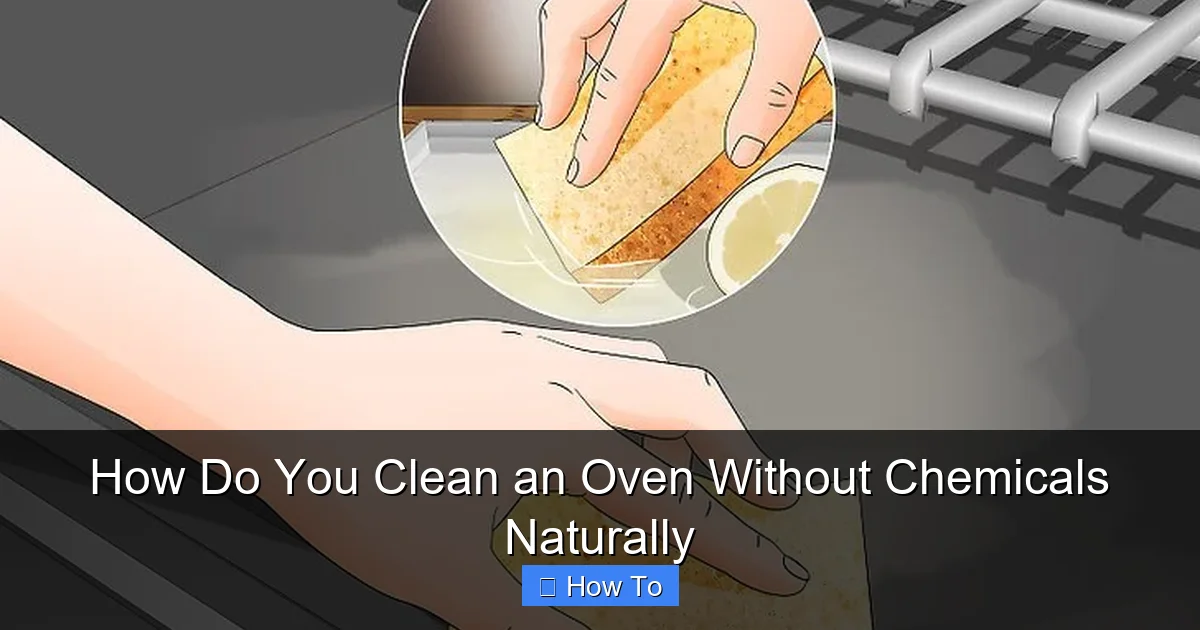
Visual guide about how to clean an oven without chemicals
Image source: wikihow.com
Now, remove any loose debris from the oven floor using a damp cloth or paper towel. This prevents smearing when you apply the cleaning paste. Make sure the oven is completely cool before starting—no one wants a surprise burn!
Tip: Never use this method on a hot oven. Heat can cause vinegar to evaporate too quickly or baking soda to clump.
Step 2: Make the Baking Soda Paste
In a small bowl, mix ½ cup of baking soda with 3–4 tablespoons of water. You want a thick, spreadable paste—like toothpaste, not soup. Add a little more water if needed, but don’t overdo it.
The paste should cling to vertical surfaces like the oven walls. Baking soda is mildly abrasive, so it scrubs away grime without scratching glass or enamel.
This paste is the foundation of your natural cleaning strategy. When learning how do you clean an oven without chemicals naturally, this mix is your secret weapon.
Step 3: Apply the Paste to Oven Surfaces
Using your fingers or a spoon, smear the paste over the interior of the oven—walls, floor, ceiling, and door (avoid the heating elements and sensors). Focus on greasy spots, but don’t skip the corners or edges where gunk hides.
For stubborn stains, pile on a little extra paste. Let it sit for at least 12 hours, ideally overnight. The longer it stays, the more it breaks down carbonized food and grease.
Warning: Avoid the oven’s heating coils, light bulb, and any electrical components. Moisture can damage them.
Step 4: Clean the Oven Racks
While the paste works, soak the oven racks in a bathtub or large bucket filled with hot water and ½ cup of baking soda. Let them soak for 1–2 hours (or overnight for heavy buildup).
After soaking, scrub them with an old toothbrush or sponge. For stuck-on food, use a plastic spatula to gently lift it off. Rinse thoroughly and set aside to dry.
This step is crucial—racks are often the dirtiest part of the oven. Soaking loosens grime so you don’t have to scrub like a maniac later.
Step 5: Wipe Down with Vinegar Spray
After the paste has sat for 12+ hours, it will be dry and powdery. Now, fill a spray bottle with equal parts white vinegar and water. Lightly spritz the paste-covered areas.
The vinegar will react with the baking soda, creating a fizzing action that lifts dirt and loosens residue. It also neutralizes odors and helps dissolve any remaining grease.
Use a microfiber cloth or damp sponge to wipe down the surfaces. The paste should come off easily—like erasing chalk. For tough spots, use your toothbrush or spatula to gently dislodge it.
Pro Tip: Spray a little extra vinegar on stubborn spots and let it sit 5–10 minutes before wiping. The fizz does the work for you!
Step 6: Rinse and Dry
After wiping, dampen a clean cloth with plain water and go over the entire oven interior to remove any baking soda or vinegar residue. This prevents a white film from forming when the oven heats up.
Use a dry microfiber cloth to wipe everything down until it’s completely dry. Reinstall the clean, dry oven racks.
Now, close the oven door and let it air out for 30 minutes before using. This ensures no lingering moisture or fumes.
Step 7: Freshen Up the Door and Glass
Oven doors often have grease on the glass and around the seal. Mix 2 tablespoons of baking soda with 1 tablespoon of water into a thick paste.
Apply it to the glass and frame, then spray with vinegar. Let it fizz, then scrub with a soft sponge or toothbrush. Wipe clean with a damp cloth, then dry.
For the rubber gasket (seal around the door), use a cloth dampened with vinegar to wipe away grime. Never submerge it—moisture can damage it over time.
Cleaning the door this way keeps your oven looking brand new and is a key part of knowing how do you clean an oven without chemicals naturally from top to bottom.
Pro Tips & Common Mistakes to Avoid
Even the best method can go sideways with a few small errors. Here’s how to stay on track:
- Don’t rush the wait time. The 12-hour rest is essential. Skipping it means scrubbing harder and getting less results.
- Avoid steel wool or metal scrapers. They scratch glass and enamel, making future cleaning harder.
- Never mix vinegar with bleach. It creates toxic chlorine gas. Stick to one natural cleaner at a time.
- Don’t use this method on self-cleaning ovens during the self-clean cycle. The high heat can cause baking soda to burn or smoke.
- Keep pets and kids away during cleaning. Baking soda is safe, but large amounts can upset stomachs if ingested.
Pro Tip: For monthly maintenance, mix 1 tablespoon of baking soda with 1 cup of water, spray inside, and wipe. This prevents buildup and keeps your oven fresh between deep cleans.
Another smart move? Clean your oven right after using it (but once it’s cooled). Warm residue is easier to remove than cold, hardened gunk. This simple habit makes future deep cleans faster and easier.
FAQs About How Do You Clean an Oven Without Chemicals Naturally
1. Can I use this method on a self-cleaning oven?
Yes—but only when the self-clean cycle is not running. After using the self-clean mode, there may be ash or residue. You can use the baking soda paste to gently wipe it away. Avoid applying paste during the high-heat cycle, as it can burn and smoke.
2. How often should I clean my oven naturally?
For light use (baking once a week), do a deep clean every 3–6 months. If you cook frequently or have spills, clean every 2–3 months. Use the vinegar spray method weekly to prevent buildup. Regular care makes how do you clean an oven without chemicals naturally much easier over time.
3. What if I don’t have white vinegar?
You can use lemon juice instead—it’s acidic and works similarly. Just mix ¼ cup lemon juice with ¾ cup water in a spray bottle. It’s less potent than vinegar, so you might need to spray more and wait longer.
4. Will the vinegar smell linger?
No. The vinegar scent disappears within 15–30 minutes after wiping. The fizzing reaction also neutralizes odors, so your oven will actually smell cleaner. If you’re sensitive, open a window or run a fan.
5. Is baking soda safe for all oven surfaces?
Yes. Baking soda is mildly abrasive but gentle enough for glass, enamel, stainless steel, and ceramic. Just avoid scrubbing with metal tools, which can scratch. It’s one of the safest options when learning how do you clean an oven without chemicals naturally.
6. Can I use this on the stovetop too?
Absolutely! The same paste works on gas or electric stovetops (avoid induction coils). Apply, let sit 30 minutes, then wipe. For grease splatters, spray vinegar first to loosen.
7. My oven still looks dirty after cleaning. What went wrong?
It’s likely the paste didn’t sit long enough. Try reapplying the paste to stubborn spots and leaving it overnight. For carbonized food, use a plastic scraper gently. Sometimes, a second round is needed.
🎥 Related Video: Cleaning hack! Natural oven cleaner using lemons
📺 Selling The Suburbs
Final Thoughts
Cleaning your oven doesn’t have to mean toxic fumes, expensive products, or back-breaking scrubbing. By using simple ingredients like baking soda and vinegar, you can keep your oven sparkling—safely and naturally.
Now that you know how do you clean an oven without chemicals naturally, make it a habit. Schedule a deep clean every few months and do quick wipe-downs after messy meals. Your oven will last longer, cook better, and smell fresh.
Remember: the key is patience. Let the natural cleaners do their work. The fizz, the soak, the wait—they all matter. You’re not just cleaning; you’re protecting your home, your health, and the planet.
So next time you see that greasy film, grab your baking soda and vinegar. You’ve got this.
Now go enjoy that clean oven—and maybe bake a pie to celebrate!