
Cremation ovens, also known as cremators, reach extremely high temperatures—typically between 1,400°F and 1,800°F (760°C to 980°C)—to efficiently reduce human remains to bone fragments. These intense heats ensure complete combustion while minimizing environmental impact and respecting the dignity of the deceased.
When most people think about cremation, they imagine intense heat and flames—rightly so. But how hot does a cremation oven actually get? The answer might surprise you. Cremation ovens, or cremators, are engineered to reach temperatures that would melt metal and incinerate organic matter in minutes. These high temperatures aren’t just for show—they’re essential to the cremation process, ensuring that remains are respectfully and completely processed.
But cremation isn’t just about turning someone into ashes. It’s a carefully controlled, scientifically precise procedure that balances efficiency, safety, and environmental responsibility. From the moment the body is placed in the chamber to the final collection of ashes, every step is monitored to ensure dignity and compliance with regulations. Understanding how hot a cremation oven gets helps demystify the process and offers peace of mind to families making end-of-life decisions.
Key Takeaways
- Cremation ovens operate at 1,400°F to 1,800°F: This high temperature range ensures efficient and complete combustion of organic material.
- Primary and secondary chambers improve efficiency: The two-chamber system allows for cleaner emissions and better heat control.
- Modern cremators are environmentally regulated: Advanced filtration systems reduce pollutants and meet strict environmental standards.
- Cremation duration depends on body size and oven type: Most cremations take 1.5 to 3 hours, with larger bodies requiring more time.
- Bone fragments remain after cremation: These are processed into fine ash, which is returned to the family in an urn.
- Temperature control is critical for safety and compliance: Automated systems monitor and adjust heat to maintain optimal conditions.
- Cremation is a dignified and respectful process: Despite the high heat, the procedure is conducted with care and professionalism.
Quick Answers to Common Questions
How hot does a cremation oven get?
Cremation ovens typically reach temperatures between 1,400°F and 1,800°F (760°C to 980°C) to ensure complete combustion of organic material.
How long does a cremation take?
Most cremations take 1.5 to 3 hours, depending on body size, casket type, and oven efficiency.
What happens to bones during cremation?
Bones don’t burn but become brittle and fracture under high heat. They are later processed into fine ash.
Is cremation environmentally friendly?
Modern cremators use advanced filtration systems to reduce emissions, making cremation a relatively clean option compared to older methods.
Can anything survive cremation?
Only non-combustible materials like metal implants or jewelry may remain, but they are typically removed before or after the process.
📑 Table of Contents
What Is a Cremation Oven?
A cremation oven, commonly called a crematory or retort, is a specialized furnace designed to reduce human remains to bone fragments through intense heat and flame. Unlike industrial incinerators, cremators are built with precision and care, focusing on both functionality and respect for the deceased.
These ovens are typically constructed from high-grade refractory materials that can withstand extreme temperatures without degrading. They’re lined with ceramic bricks and insulation to retain heat and protect the outer structure. Most modern cremators are fueled by natural gas or propane, which provides a clean, controllable flame.
One of the key features of a cremation oven is its dual-chamber design. The primary chamber is where the body is placed and combustion begins. The secondary chamber, or afterburner, treats the exhaust gases to reduce emissions. This system not only improves efficiency but also helps crematory operators meet environmental regulations.
How Hot Does a Cremation Oven Get?
Visual guide about How Hot Does a Cremation Oven Get
Image source: thumbs.dreamstime.com
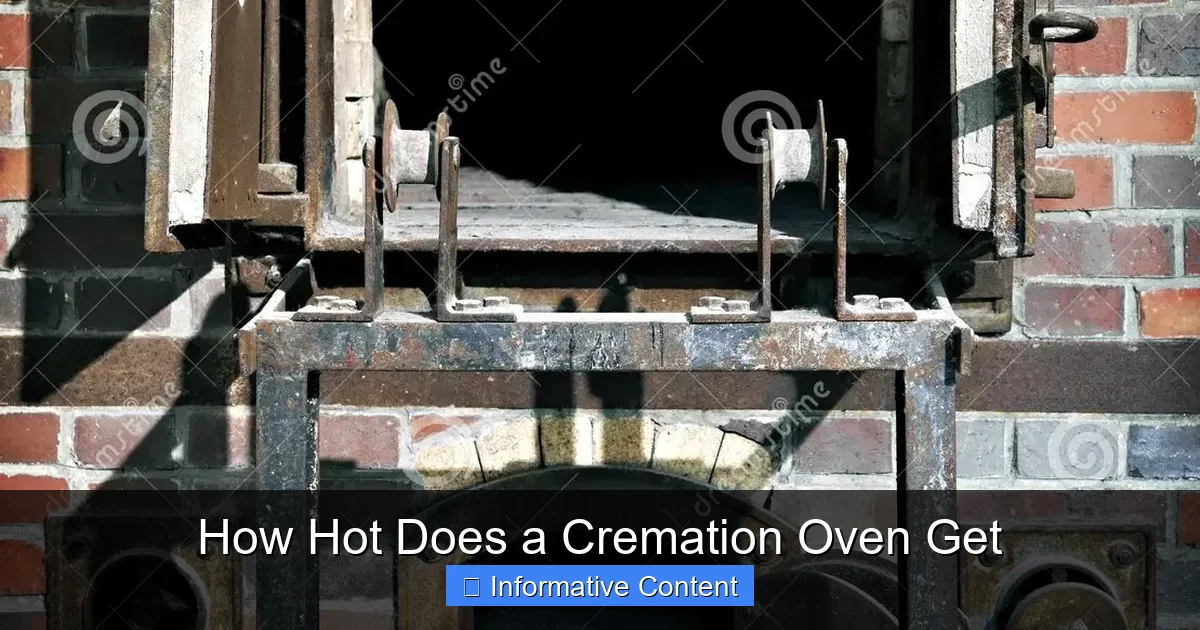
The core question—how hot does a cremation oven get?—has a clear answer: between 1,400°F and 1,800°F (760°C to 980°C). This temperature range is necessary to break down soft tissues, organs, and other organic materials into gases and bone fragments.
The exact temperature depends on several factors, including the type of cremator, the body’s size and composition, and the desired speed of the process. Most cremators operate at around 1,600°F (870°C) during the main phase of cremation. This heat is sustained for 60 to 90 minutes, depending on the individual.
It’s important to note that the oven doesn’t instantly reach these temperatures. Preheating can take 30 to 60 minutes, and the entire cremation cycle—including cooling—can last 2 to 4 hours. The high heat ensures complete combustion, leaving behind only mineralized bone fragments, which are later processed into the fine ash families receive.
The Science Behind Cremation Temperatures
So why such high heat? The science is rooted in combustion chemistry. Human bodies are composed of about 65% water and 35% organic compounds like proteins, fats, and carbohydrates. To break these down efficiently, intense heat is required.
At temperatures above 1,400°F, organic materials begin to vaporize and combust. Water evaporates quickly, while fats and proteins break down into carbon dioxide, water vapor, and other gases. Bones, which are mostly calcium phosphate, don’t burn but instead become brittle and fracture under the heat.
The secondary chamber plays a crucial role in this process. After the primary combustion, hot gases pass into the afterburner, where they’re reheated to around 1,800°F. This ensures that any remaining volatile compounds are fully oxidized, reducing smoke and harmful emissions.
Modern cremators use computerized controls to monitor temperature, airflow, and burn time. These systems adjust the flame and oxygen levels in real time, optimizing efficiency and minimizing environmental impact. This level of precision wasn’t possible just a few decades ago, making today’s cremation process cleaner and more reliable.
Factors That Influence Cremation Temperature and Time
While the standard temperature range is well established, several variables can affect how hot the oven gets and how long the process takes.
Body Size and Composition
Larger bodies with more body fat may require higher temperatures or longer burn times. Fat burns hotter than muscle or bone, so individuals with higher body fat percentages can actually contribute to the combustion process. Conversely, very lean individuals may take slightly longer because there’s less fuel to sustain the flame.
Type of Casket or Container
The material used to contain the body also plays a role. Wooden caskets burn readily and add to the heat, while cardboard or fiberboard containers burn more quickly but produce less sustained flame. Some families choose biodegradable options, which are designed to combust cleanly and efficiently.
Oven Design and Age
Newer cremators are more energy-efficient and better at retaining heat. Older models may struggle to maintain consistent temperatures, especially during back-to-back cremations. Regular maintenance and upgrades help ensure optimal performance.
Environmental Regulations
In many regions, crematory operators must limit emissions of particulate matter, carbon monoxide, and other pollutants. This can influence how the oven is operated—sometimes requiring slightly lower temperatures or longer afterburner cycles to meet standards.
Environmental and Safety Considerations
High heat comes with responsibility. Cremation ovens must be operated safely to protect workers, the public, and the environment.
Emissions Control
Modern cremators are equipped with advanced filtration systems, including scrubbers and electrostatic precipitators, to capture harmful particles and gases. These systems help reduce the release of mercury (from dental fillings) and other toxins.
Worker Safety
Crematory staff wear protective gear and follow strict protocols when handling the oven and remains. The exterior of the cremator remains cool to the touch thanks to insulation, but internal components can reach dangerous temperatures. Automated loading systems and remote monitoring reduce direct exposure.
Energy Efficiency
Despite the high energy demands, modern cremators are designed to be as efficient as possible. Heat recovery systems can capture waste heat and use it to preheat incoming air or water, reducing fuel consumption.
The Cremation Process Step by Step
Understanding the full process helps clarify why such high temperatures are necessary.
Preparation
Before cremation, the body is identified, and any medical devices (like pacemakers) are removed, as they can explode under heat. The body is then placed in a combustible container.
Primary Combustion
The container is loaded into the primary chamber, and the oven is heated to the target temperature. Flames engulf the body, and combustion begins. This phase typically lasts 60 to 90 minutes.
Secondary Combustion
Gases and particulates move into the afterburner, where they’re reheated to destroy pollutants. This phase ensures cleaner emissions and completes the combustion process.
Cooling and Processing
After cremation, the chamber is allowed to cool. Remaining bone fragments are collected and processed in a machine called a cremulator, which grinds them into fine ash. The ashes are then placed in an urn or container for the family.
Myths and Misconceptions About Cremation Heat
There are many myths surrounding cremation, especially about the heat involved.
One common misconception is that the body “burns to ashes.” In reality, what remains are bone fragments, not ash. The fine powder families receive is the result of mechanical processing, not direct burning.
Another myth is that cremation is instant or violent. In truth, the process is gradual and controlled. The high heat is applied steadily, and the oven’s design ensures a dignified, respectful experience.
Some people worry about environmental harm, but modern cremators are far cleaner than older models. With proper regulation and technology, cremation can be a sustainable end-of-life option.
Conclusion
So, how hot does a cremation oven get? The answer is clear: between 1,400°F and 1,800°F—hot enough to transform human remains into bone fragments efficiently and respectfully. This intense heat is not just a technical requirement; it’s a vital part of a process that honors the deceased while protecting the environment.
Thanks to advances in technology, today’s cremators are safer, cleaner, and more efficient than ever. They combine science, engineering, and compassion to provide families with a dignified alternative to burial. Understanding the temperatures and processes involved can help dispel fears and empower people to make informed decisions about end-of-life care.
Whether you’re planning for yourself or a loved one, knowing how cremation works—and how hot the oven really gets—can bring clarity and comfort during a difficult time.
Frequently Asked Questions
What temperature is needed for cremation?
Cremation requires sustained temperatures between 1,400°F and 1,800°F. This range ensures complete breakdown of soft tissues and organic matter.
Do cremation ovens use a lot of energy?
Yes, cremators consume significant energy, but modern models are designed for efficiency and often include heat recovery systems to reduce waste.
Can you see the flames during cremation?
No, the cremation chamber is sealed and not visible to observers. The process is conducted privately and respectfully.
Are there regulations on cremation temperatures?
Yes, environmental agencies regulate emissions, which indirectly influence operating temperatures and afterburner performance.
What happens if the oven gets too hot?
Automated systems monitor and adjust the flame to prevent overheating, ensuring safety and consistent results.
Can pets be cremated in the same ovens?
Yes, many crematories have separate chambers or schedules for pets, but human and animal cremations are never mixed.