
Wondering how long to cook bacon wrapped backstrap in oven? The ideal time is 20–25 minutes at 400°F (200°C), depending on thickness and desired doneness. This method ensures a crispy bacon exterior and tender, medium-rare center when monitored with a meat thermometer.
If you’ve ever tasted bacon-wrapped backstrap, you know it’s a game-changer. This elegant cut—often from deer, elk, or even beef—is naturally tender and rich in flavor. Wrapping it in bacon not only adds a smoky, salty crust but also bastes the meat from the outside in, locking in moisture. But here’s the catch: cook it too long, and you’ll end up with dry, overdone meat. Cook it too little, and the bacon stays rubbery. So, how long to cook bacon wrapped backstrap in oven? The answer isn’t one-size-fits-all, but with the right method, you can nail it every time.
Backstrap is a lean cut, which means it has very little fat. That’s why the bacon wrap is so important—it acts like a built-in marinade, keeping the meat juicy during roasting. The key is balancing the crispiness of the bacon with the perfect doneness of the meat. Most home cooks aim for medium-rare, which preserves the backstrap’s tenderness and prevents it from becoming tough. And while timing matters, temperature is the real secret weapon. A digital meat thermometer takes the guesswork out of the equation, ensuring your dish turns out restaurant-quality.
Key Takeaways
- Preheat your oven to 400°F (200°C): This high heat sears the bacon quickly while gently cooking the backstrap inside.
- Cook for 20–25 minutes: Most backstraps (1.5 to 2 inches thick) are done in this window—use a thermometer to confirm.
- Target internal temperature of 130–135°F (54–57°C): For medium-rare, remove the meat at 130°F; it will rise to 135°F while resting.
- Use a meat thermometer: Visual cues aren’t reliable—always check temperature in the thickest part.
- Let it rest for 10 minutes: Resting allows juices to redistribute, keeping the meat moist and tender.
- Choose quality ingredients: Fresh, well-trimmed backstrap and thin-cut bacon yield the best texture and flavor.
- Optional sear first: For extra crispiness, sear the bacon-wrapped backstrap in a hot skillet before baking.
Quick Answers to Common Questions
How long to cook bacon wrapped backstrap in oven at 400°F?
Cook for 20–25 minutes at 400°F (200°C), depending on thickness. Use a thermometer to check for 130–135°F internal temperature.
Should I sear bacon-wrapped backstrap before baking?
Searing is optional but recommended for extra crispiness and flavor. Sear 1–2 minutes per side in a hot skillet before transferring to the oven.
What internal temperature should bacon-wrapped backstrap reach?
Aim for 130°F (54°C) when removing from the oven. It will rise to 135°F (57°C) during resting—perfect for medium-rare.
Can I cook bacon-wrapped backstrap at a lower temperature?
Yes, but it will take longer. At 375°F (190°C), expect 25–30 minutes. Monitor temperature closely to avoid overcooking.
How do I prevent the bacon from being soggy?
Use thin-cut bacon, cook on a wire rack, and consider searing first. Avoid covering tightly while resting to prevent steaming.
📑 Table of Contents
Understanding Backstrap and Why Bacon Makes It Better
Backstrap, also known as tenderloin in some game meats, runs along the spine of the animal and is rarely used, making it incredibly tender. It’s low in fat and connective tissue, which is great for texture but risky when cooking—because there’s no fat to baste it from within. That’s where bacon comes in. Wrapping the backstrap in thin-cut bacon adds flavor, moisture, and a satisfying crunch. The fat from the bacon renders slowly in the oven, dripping onto the meat and keeping it succulent.
But not all bacon is created equal. Thin-cut bacon works best because it crisps up quickly without overpowering the delicate flavor of the backstrap. Thick-cut bacon may stay chewy unless cooked longer, which risks drying out the meat. Also, avoid heavily smoked or flavored bacon unless you want a bold, smoky profile. For a clean, balanced taste, stick to natural, lightly smoked bacon.
Choosing the Right Cut
When selecting backstrap, look for a piece that’s uniform in thickness—this ensures even cooking. If one end is much thicker than the other, consider butterflying or tapering it slightly. A typical backstrap weighs between 1 to 2 pounds and is about 1.5 to 2 inches thick. Trim any silver skin or excess fat, as these can make the meat chewy. Fresh backstrap should have a deep red color and a firm texture. If you’re using frozen, make sure it’s fully thawed in the refrigerator before cooking.
Prep Work: Setting Up for Success
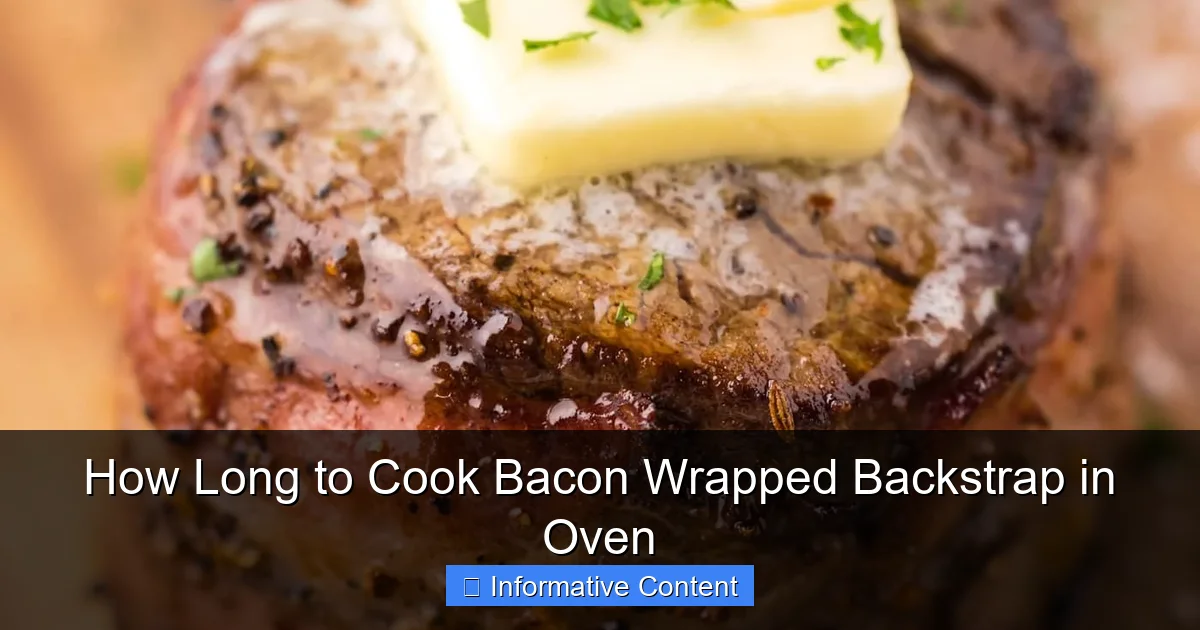
Visual guide about How Long to Cook Bacon Wrapped Backstrap in Oven
Image source: amandascookin.com
Before you even think about oven time, proper prep is essential. Start by patting the backstrap dry with paper towels. Moisture on the surface prevents the bacon from sticking and can lead to steaming instead of searing. Season the meat generously with salt and pepper—this enhances both the meat and bacon flavors. You can also add a light rub of garlic powder, smoked paprika, or fresh herbs like rosemary or thyme for extra depth.
Next, wrap the backstrap tightly with 6 to 8 slices of bacon, overlapping slightly so there are no gaps. Secure the bacon with toothpicks to prevent it from unraveling in the oven. Some cooks like to brush the bacon with a little maple syrup or brown sugar for a sweet-glazed finish, but this is optional. Just be aware that sugar can burn at high heat, so keep an eye on it.
Optional: Searing for Extra Flavor
For an even crispier bacon crust, consider searing the wrapped backstrap in a hot skillet before baking. Heat a tablespoon of oil in an oven-safe skillet over medium-high heat. Sear the backstrap for 1 to 2 minutes per side until the bacon is lightly browned. This step jumpstarts the Maillard reaction—the chemical process that creates complex, savory flavors—and ensures the bacon crisps evenly in the oven. Plus, it gives the meat a beautiful golden exterior.
How Long to Cook Bacon Wrapped Backstrap in Oven
Now for the main event: cooking time. The general rule is to bake bacon-wrapped backstrap at 400°F (200°C) for 20 to 25 minutes. But this can vary based on the thickness of your cut and your preferred doneness. A 1.5-inch thick backstrap will typically be done in 20 minutes, while a 2-inch piece may need closer to 25. Always use a meat thermometer to check the internal temperature—this is the only reliable way to avoid overcooking.
Insert the thermometer into the thickest part of the meat, making sure it doesn’t touch the bone or bacon. For medium-rare, aim for 130°F (54°C) when you remove it from the oven. The temperature will rise 5 degrees during resting, landing at 135°F (57°C)—the sweet spot for tender, juicy backstrap. If you prefer medium, pull it at 135°F (57°C), but be cautious—backstrap can dry out quickly beyond that.
Oven Rack Placement Matters
Place the backstrap on a wire rack set inside a baking sheet. This allows hot air to circulate evenly around the meat, promoting uniform cooking and crispier bacon. If you don’t have a rack, you can place the backstrap directly on a foil-lined sheet, but flip it halfway through cooking to ensure both sides crisp up. Avoid overcrowding the pan—give the meat space so the bacon can render properly.
Monitoring Doneness and Using a Thermometer
Relying on time alone is risky. Ovens vary, and meat thickness differs. That’s why a digital instant-read thermometer is your best friend. Insert it into the center of the backstrap, away from the bacon and any bones. The ideal internal temperature for medium-rare is 130–135°F (54–57°C). For medium, aim for 140°F (60°C), but remember—backstrap loses moisture rapidly past medium-rare.
If you don’t have a thermometer, you can use the touch test: press the meat gently. If it feels soft and springy, like the base of your thumb when touching your index finger, it’s rare. Firmer, like the middle finger, means medium. But this method is less accurate, especially for beginners. Invest in a good thermometer—it’s a small cost for consistently perfect results.
Signs It’s Done
Besides temperature, look for these visual cues: the bacon should be golden brown and crispy, not pale or rubbery. The meat will firm up slightly and may begin to pull away from the edges. Juices should run clear when pierced, not pink. But again, temperature is the gold standard. Don’t skip it.
Resting the Meat: The Final Step
Once the backstrap reaches your target temperature, remove it from the oven and let it rest for 10 minutes. This step is non-negotiable. Resting allows the juices—which have been driven to the center by heat—to redistribute throughout the meat. If you slice it immediately, those precious juices will spill out, leaving the meat dry.
Cover the backstrap loosely with foil during resting to keep it warm, but don’t wrap it tightly—this can steam the bacon and make it soggy. After 10 minutes, remove the toothpicks and slice the backstrap into ½-inch thick medallions. Serve immediately for the best texture and flavor.
Serving Suggestions
Bacon-wrapped backstrap pairs beautifully with simple sides that don’t overpower its rich flavor. Try roasted asparagus, garlic mashed potatoes, or a fresh arugula salad with balsamic glaze. A glass of red wine—like Pinot Noir or Cabernet Sauvignon—complements the smoky, savory notes perfectly. For a special touch, drizzle the sliced meat with a bit of pan sauce made from the drippings, red wine, and a knob of butter.
Troubleshooting Common Issues
Even with the best prep, things can go wrong. Here’s how to fix common problems:
– **Bacon is chewy:** This usually means the bacon wasn’t cooked long enough or the oven temperature was too low. Next time, try searing first or increasing the temp to 425°F (220°C) for the last 5 minutes.
– **Meat is dry:** Overcooking is the culprit. Stick to 130–135°F internal temp and avoid cooking beyond medium-rare.
– **Bacon unravels:** Use more toothpicks or wrap the bacon tighter. You can also tie it with kitchen twine for extra security.
– **Uneven cooking:** If one end is thicker, fold it under or butterfly it to create a uniform shape.
Conclusion
Cooking bacon-wrapped backstrap in the oven is simpler than it looks—once you know the right time and temperature. At 400°F (200°C), most cuts take 20 to 25 minutes, but always verify with a meat thermometer. The goal is a crispy bacon shell and a tender, juicy center at 130–135°F. With proper prep, careful monitoring, and a 10-minute rest, you’ll serve a dish that’s impressive enough for guests but easy enough for weeknights. So the next time someone asks, “How long to cook bacon wrapped backstrap in oven?” you’ll have the answer—and the perfect recipe to back it up.
Frequently Asked Questions
Can I use thick-cut bacon for wrapping backstrap?
Thick-cut bacon can be used, but it may stay chewy unless cooked longer. Thin-cut bacon crisps better and cooks faster, protecting the lean meat.
Is it safe to eat backstrap medium-rare?
Yes, backstrap is safe to eat medium-rare when sourced from a reputable supplier and handled properly. Game meat should be fresh and well-trimmed.
How do I know if my backstrap is done without a thermometer?
Use the touch test: press the meat—soft like your palm means rare, firmer means medium. But a thermometer is far more accurate and recommended.
Can I freeze bacon-wrapped backstrap before cooking?
Yes, wrap it tightly in plastic and foil, then freeze for up to 3 months. Thaw in the refrigerator before cooking and adjust time slightly.
Why is my backstrap tough after cooking?
Toughness usually comes from overcooking. Backstrap is lean and dries out quickly past medium-rare. Stick to 130–135°F internal temperature.
What sides go well with bacon-wrapped backstrap?
Pair with roasted vegetables, mashed potatoes, or a fresh salad. Avoid heavy sauces—let the rich flavor of the meat and bacon shine.