
Cooking marinated chicken wings in the oven is easy when you know the right time and temperature. For most recipes, bake at 400°F (200°C) for 40–50 minutes, flipping halfway through, until internal temp reaches 165°F. Marinating adds flavor and moisture, but timing matters—don’t overcook!
Key Takeaways
- Preheat your oven to 400°F (200°C): This ensures even cooking and helps crisp the skin without drying out the meat.
- Cook for 40–50 minutes total: Wings need enough time to become tender and safe to eat, especially when marinated.
- Flip halfway through: Turning the wings ensures even browning and prevents one side from burning.
- Use a meat thermometer: The safest way to check doneness is by measuring the internal temperature—165°F (74°C) is the target.
- Marinate for at least 2 hours, up to 24: Longer marination boosts flavor, but avoid over-marinating acidic blends to prevent mushy texture.
- Pat wings dry before baking: Removing excess marinade helps achieve a crispier skin.
- Line your baking sheet: Use parchment or foil for easy cleanup and better heat distribution.
Quick Answers to Common Questions
How long should I marinate chicken wings before baking?
Marinate for at least 2 hours, but ideally 4–12 hours. Avoid exceeding 24 hours, especially with acidic marinades, to prevent mushy texture.
Can I bake marinated wings at 375°F instead of 400°F?
Yes, but increase the cook time to 50–60 minutes. Lower temperatures take longer to crisp the skin and may result in less browning.
Do I need to flip the wings while baking?
Yes! Flip them halfway through (around the 20–25 minute mark) to ensure even cooking and browning on both sides.
How do I know when my marinated wings are done?
Use a meat thermometer. The internal temperature should reach 165°F (74°C). The wings should also be golden brown and firm to the touch.
Can I use the same marinade as a sauce after cooking?
Only if you boil it first for at least 5 minutes to kill any bacteria from the raw chicken. Otherwise, make a fresh batch for serving.
📑 Table of Contents
Why Oven-Baked Marinated Chicken Wings Are a Game-Changer
There’s something magical about biting into a perfectly cooked chicken wing—crispy on the outside, juicy on the inside, and bursting with flavor. Whether you’re hosting a game-day party, feeding your family, or just craving a tasty snack, oven-baked marinated chicken wings are a reliable crowd-pleaser. Unlike frying, baking is healthier, less messy, and gives you more control over the final texture.
But here’s the catch: timing is everything. Marinated wings need the right amount of heat and time to absorb flavor, cook through safely, and develop that golden-brown crisp. Too little time, and they’re undercooked. Too much, and they dry out. That’s why knowing how long to cook marinated chicken wings in the oven is essential for success. In this guide, we’ll walk you through every step—from marinating to serving—so your wings come out perfect every single time.
Understanding the Science of Marination
Before we talk cooking times, let’s talk about the marinade itself. A good marinade does more than just add flavor—it can tenderize the meat and help retain moisture during baking. Most marinades contain three key components: acid (like lemon juice or vinegar), oil (such as olive or sesame), and seasonings (herbs, spices, garlic, etc.).
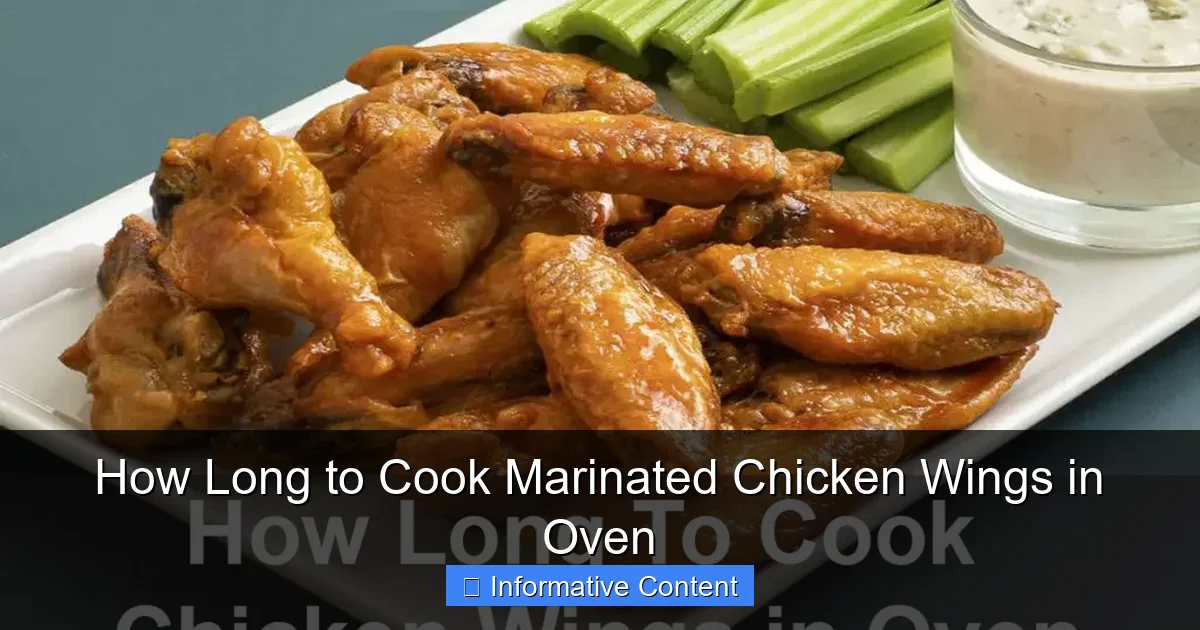
Visual guide about How Long to Cook Marinated Chicken Wings in Oven
Image source: acadiahouseprovisions.com
How Long Should You Marinate?
The ideal marinating time depends on the ingredients. For mild marinades (like soy sauce and honey), 2–4 hours is plenty. But if your mix includes strong acids (vinegar, citrus), limit it to 4–6 hours. Over-marinating acidic blends can break down the proteins too much, leading to a mushy texture. For maximum flavor without compromising texture, aim for 4–12 hours in the fridge. Overnight marination (8–24 hours) works great for bold, slow-infused flavors like teriyaki or garlic-herb.
Pro Tip: Pat Dry Before Baking
After marinating, always pat the wings dry with paper towels. Excess liquid on the surface steams instead of crisps, which can leave your wings soggy. A quick dry rub with a little cornstarch or baking powder (optional) can also boost crispiness.
Setting the Right Oven Temperature
Temperature plays a huge role in how your wings turn out. Too low, and they’ll be greasy and limp. Too high, and the outside burns before the inside cooks. The sweet spot? 400°F (200°C).
Why 400°F Works Best
At 400°F, the oven gets hot enough to render fat and crisp the skin, but not so hot that it dries out the meat. This temperature also allows for even cooking, especially when you flip the wings halfway through. Some recipes suggest starting at 425°F for extra crisp, but 400°F is more forgiving and reduces the risk of burning, especially with sugary marinades that caramelize quickly.
Preheating Is Non-Negotiable
Always preheat your oven for at least 10–15 minutes before baking. A properly heated oven ensures the wings start cooking immediately, sealing in juices and promoting even browning. Skipping this step can lead to uneven cooking and longer bake times.
How Long to Cook Marinated Chicken Wings in the Oven
Now for the main event: cooking time. For standard-sized chicken wings (drumettes and flats), plan on 40 to 50 minutes at 400°F. This range accounts for variations in wing size, oven performance, and whether they’re placed on a rack or directly on a sheet.
Step-by-Step Cooking Timeline
- Minutes 0–20: Wings begin to cook through. The skin starts to firm up, and excess moisture evaporates.
- Minutes 20–25: Flip the wings using tongs. This ensures both sides brown evenly and prevents sticking.
- Minutes 25–45: The wings continue to crisp and caramelize. Sugary marinades may darken slightly—this is normal.
- Minutes 45–50: Check for doneness. The wings should be golden brown, and the internal temperature should reach 165°F.
Using a Meat Thermometer
The most reliable way to know your wings are done is by using a meat thermometer. Insert it into the thickest part of the wing, avoiding the bone. If it reads 165°F (74°C), they’re safe to eat. Visual cues like clear juices and firm texture are helpful, but temperature is foolproof.
Tips for Extra-Crispy Oven-Baked Wings
Want that restaurant-quality crunch without frying? Here are a few proven tricks:
Use a Wire Rack
Place the wings on a wire rack set over a baking sheet. This allows hot air to circulate underneath, crisping the bottom as well as the top. Without a rack, the wings sit in their own juices, which can make them soggy.
Add Baking Powder
Mix 1 teaspoon of baking powder (not baking soda!) with your dry rub or sprinkle it on after patting the wings dry. Baking powder raises the skin’s pH, helping it crisp up faster. This is a secret used by many professional chefs.
Broil for the Last 2–3 Minutes
If your wings are cooked through but not quite crispy enough, switch the oven to broil for the final 2–3 minutes. Watch closely—broiling can burn quickly. This gives you that final golden finish without overcooking the meat.
Serving and Storing Your Wings
Once your wings are out of the oven, let them rest for 3–5 minutes. This allows the juices to redistribute, keeping them moist. Serve hot with your favorite dipping sauces—ranch, blue cheese, or extra marinade reduced into a glaze.
Storing Leftovers
Store leftover wings in an airtight container in the fridge for up to 3 days. Reheat in the oven at 350°F for 10–15 minutes to restore crispiness. Avoid the microwave if possible—it tends to make wings rubbery.
Freezing for Later
You can freeze cooked wings for up to 2 months. Let them cool completely, then wrap individually or in portions. Thaw in the fridge overnight and reheat in the oven. While they won’t be as crispy as fresh, they’ll still taste great.
Common Mistakes to Avoid
Even experienced cooks can make errors when baking wings. Here are a few to watch out for:
- Skipping the flip: Not turning the wings leads to uneven cooking and one-sided crispness.
- Overcrowding the pan: Wings need space for air circulation. Use two pans if needed.
- Using cold wings: Always bring wings to room temperature for 15–20 minutes before baking. Cold wings cook unevenly.
- Ignoring the marinade: Don’t pour raw marinade over cooked wings unless it’s been boiled first to kill bacteria.
Conclusion
Cooking marinated chicken wings in the oven doesn’t have to be complicated. With the right temperature (400°F), proper timing (40–50 minutes), and a few smart techniques, you can achieve crispy, juicy, flavorful wings every time. Remember to marinate wisely, pat dry, flip halfway, and always check the internal temperature. Whether you’re making spicy buffalo, sweet teriyaki, or garlic parmesan wings, these tips will help you master the art of oven-baked perfection. So preheat that oven, grab your favorite marinade, and get ready to enjoy wings that are anything but ordinary.
Frequently Asked Questions
Can I cook frozen marinated chicken wings in the oven?
Yes, but you’ll need to increase the cook time by 15–20 minutes and ensure the internal temperature reaches 165°F. It’s safer to thaw them first for even cooking.
Why are my oven-baked wings soggy?
Sogginess usually comes from excess moisture. Pat the wings dry after marinating, use a wire rack, and avoid overcrowding the pan.
Is it safe to marinate chicken wings at room temperature?
No. Always marinate in the refrigerator to prevent bacterial growth. Room-temperature marinating can lead to foodborne illness.
Can I use baking soda instead of baking powder for crispier wings?
No—baking soda is too alkaline and can leave a metallic taste. Use baking powder (1 tsp per pound of wings) for safe, effective crisping.
How do I prevent wings from sticking to the baking sheet?
Line the sheet with parchment paper or foil, or use a non-stick spray. A wire rack also helps prevent sticking and improves airflow.
Can I bake wings without marinating them?
Absolutely! You can season them with dry rubs or toss them in sauce after baking. Marinating adds flavor and moisture, but it’s not required.