
Baking a rabbit in the oven is simpler than you think and yields incredibly tender, flavorful meat. With the right preparation, seasoning, and cooking technique, you can create a delicious meal that’s perfect for special dinners or trying something new.
Key Takeaways
- Choose the right rabbit: Look for young, farm-raised rabbits labeled “roaster” for the most tender meat.
- Brining enhances flavor and moisture: Soaking the rabbit in a saltwater brine for 4–12 hours keeps it juicy during roasting.
- Season generously and marinate: Use herbs like rosemary, thyme, and garlic to complement the mild, slightly sweet flavor.
- Roast at 325°F (165°C) for even cooking: Low and slow ensures the lean meat stays moist without drying out.
- Baste regularly for a golden finish: Use pan juices or butter every 20–30 minutes to build flavor and crisp the skin.
- Let it rest before serving: Resting for 10–15 minutes allows juices to redistribute for maximum tenderness.
- Pair with hearty sides: Serve with roasted vegetables, mashed potatoes, or a red wine reduction for a complete meal.
Quick Answers to Common Questions
Is rabbit meat healthy?
Yes! Rabbit meat is high in protein, low in fat and cholesterol, and rich in B vitamins and iron, making it a nutritious choice.
Can I use a slow cooker instead of the oven?
Absolutely. Rabbit can be braised in a slow cooker on low for 6–8 hours. It’s a great method for ensuring tenderness.
How do I know if the rabbit is fresh?
Fresh rabbit should have a mild scent, firm texture, and pinkish-red color. Avoid meat that smells strong or feels slimy.
Can I substitute rabbit in chicken recipes?
Yes, rabbit can often replace chicken in stews, curries, or roasts, though cooking times may vary due to its leanness.
Is rabbit farming sustainable?
Yes. Rabbits require less land, water, and feed than larger livestock, making them an eco-friendly protein source.
📑 Table of Contents
Why Bake a Rabbit in the Oven?
When most people think of oven-baked meats, chicken, turkey, or beef come to mind. But have you ever considered baking a rabbit? It might sound unusual, but rabbit meat is a delicious, lean, and sustainable protein that’s been enjoyed in European and Mediterranean cuisines for centuries. Baking a rabbit in the oven is not only practical—it’s also one of the best ways to bring out its delicate flavor and tender texture.
Rabbit meat is often described as tasting like a cross between chicken and turkey, but with a richer, slightly sweeter profile. It’s lower in fat and cholesterol than beef or pork, making it a healthy choice for those looking to diversify their diet. Plus, because it’s a game meat, it has a unique depth of flavor that pairs beautifully with herbs, garlic, and wine. Whether you’re a seasoned cook or just curious about trying something new, learning how to bake a rabbit in the oven opens the door to a world of rustic, comforting meals.
Choosing the Right Rabbit
Fresh vs. Frozen
When shopping for rabbit, you’ll typically find it sold whole or cut into pieces—legs, saddle, and shoulders. Fresh rabbit is ideal if available, but frozen is perfectly fine and often more accessible. Just make sure it’s been properly stored and thawed in the refrigerator before cooking. Look for meat that’s firm, pinkish-red, and free of strong odors.
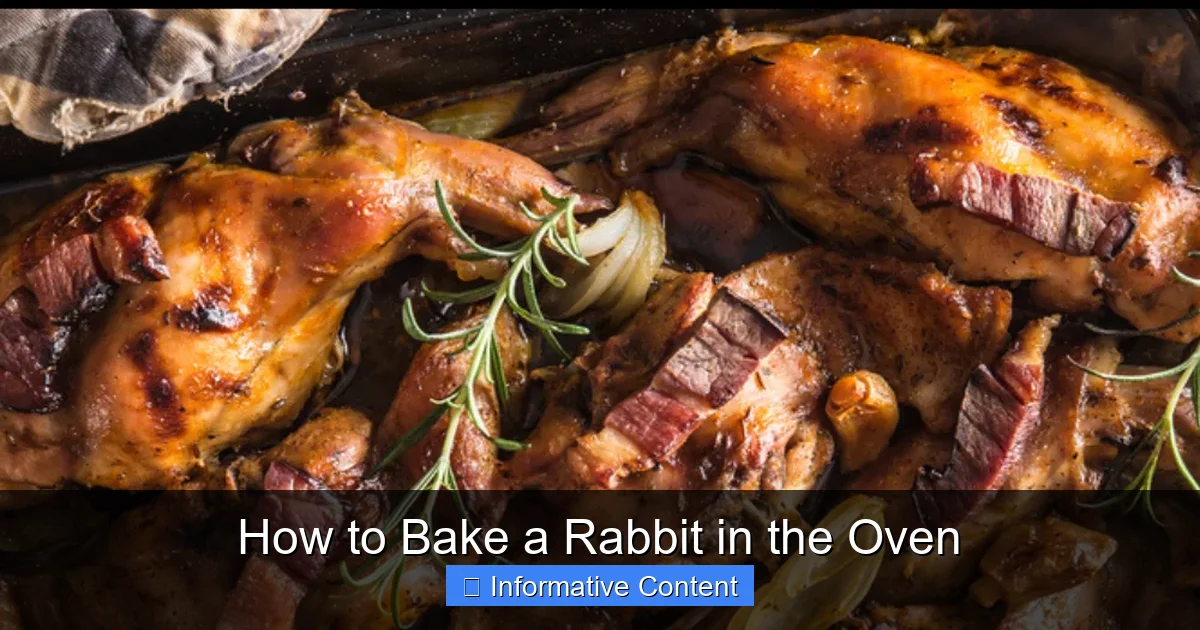
Visual guide about How to Bake a Rabbit in the Oven
Image source: lifeandwork.blog
Farm-Raised vs. Wild
Farm-raised rabbits are generally preferred for oven baking because they’re younger, more tender, and have a milder flavor. Wild rabbits can be tougher and gamier, requiring longer cooking times or braising. If you’re new to cooking rabbit, start with a farm-raised “roaster” rabbit, which is typically under 12 weeks old and weighs between 2 to 3 pounds.
Where to Buy
You can find rabbit at specialty butcher shops, farmers’ markets, or online meat suppliers. Some grocery stores in rural areas or those with international sections may also carry it. Always ask about the source—ethical, humane farming practices not only support animal welfare but also result in better-tasting meat.
Preparing the Rabbit for the Oven
Thawing Safely
If your rabbit is frozen, thaw it in the refrigerator for 24–48 hours, depending on size. Never thaw at room temperature, as this can promote bacterial growth. Once thawed, pat the meat dry with paper towels—this helps the skin crisp up during roasting.
Cleaning and Trimming
Rabbit usually comes cleaned and ready to cook, but it’s wise to give it a quick rinse under cold water and inspect for any remaining bits of fat or membrane. Trim excess fat if needed, though there’s typically very little. Some recipes call for removing the kidneys and liver, which can be saved for stock or pâté.
Brining for Moisture
Because rabbit is so lean, it can dry out easily during roasting. A simple brine is one of the best ways to lock in moisture. Combine 4 cups of water, ¼ cup of kosher salt, and optional flavorings like bay leaves, peppercorns, or garlic. Submerge the rabbit (whole or in pieces) and refrigerate for 4–12 hours. Rinse and pat dry before seasoning.
Seasoning and Marinating
Classic Herb Blend
Aromatic herbs are your best friend when baking rabbit. A mix of fresh rosemary, thyme, and sage complements the meat’s natural flavor without overpowering it. Rub the rabbit generously with olive oil, then coat it with chopped herbs, minced garlic, salt, and black pepper. For extra depth, add a splash of white wine or balsamic vinegar to the rub.
Marinating for Flavor
For even more flavor, marinate the rabbit for 2–4 hours (or overnight) in the refrigerator. A simple marinade might include olive oil, lemon juice, garlic, and herbs. Avoid acidic marinades for too long, though—rabbit is delicate and can become mushy if over-marinated.
Stuffing the Cavity
If roasting a whole rabbit, consider stuffing the cavity with aromatics. Slices of onion, lemon, garlic cloves, and herb sprigs add moisture and infuse the meat with flavor as it cooks. Just remember to remove the stuffing before serving—it’s not meant to be eaten.
Baking the Rabbit Step-by-Step
Preheat and Prep the Pan
Preheat your oven to 325°F (165°C). This lower temperature ensures even cooking and prevents the lean meat from drying out. Use a roasting pan or a heavy oven-safe skillet. Line the bottom with chopped vegetables like carrots, onions, and celery—they’ll act as a natural roasting rack and add flavor to the pan juices.
Roasting Whole vs. in Pieces
Whole rabbits take about 1 to 1.5 hours to cook, depending on size. Cut-up pieces (like legs and saddle) will cook faster—around 45 to 60 minutes. Place the rabbit on top of the vegetables, skin-side up, and drizzle with a little olive oil or melted butter.
Basting for Golden Skin
Basting every 20–30 minutes is key to achieving a golden, crispy exterior. Use a spoon or baster to pour pan juices, melted butter, or a mix of butter and white wine over the rabbit. This not only keeps the meat moist but also builds a rich, flavorful crust.
Checking for Doneness
The best way to check if the rabbit is done is with a meat thermometer. Insert it into the thickest part of the thigh, avoiding the bone. The internal temperature should reach 160°F (71°C). The meat should be tender and pull away easily from the bone. If you don’t have a thermometer, pierce the meat with a fork—it should feel soft and yield easily.
Serving and Storing
Let It Rest
Once the rabbit is cooked, remove it from the oven and let it rest for 10–15 minutes. This allows the juices to redistribute throughout the meat, ensuring every bite is moist and flavorful. Cover loosely with foil to keep it warm.
Carving and Plating
For a whole rabbit, carve by separating the legs from the body and slicing the saddle into portions. Serve with the roasted vegetables from the pan and a ladle of the reduced pan juices. For a restaurant-style presentation, arrange the pieces on a platter garnished with fresh herbs.
Storing Leftovers
Store leftover rabbit in an airtight container in the refrigerator for up to 3 days. It also freezes well for up to 3 months. Reheat gently in the oven with a bit of broth or butter to restore moisture.
Perfect Pairings and Serving Suggestions
Rabbit pairs beautifully with earthy, robust flavors. Serve it with creamy mashed potatoes, roasted root vegetables, or a wild rice pilaf. A glass of light red wine like Pinot Noir or a crisp white like Sauvignon Blanc complements the dish nicely. For a complete meal, add a simple green salad with a mustard vinaigrette.
If you’re feeling adventurous, try making a pan sauce. After removing the rabbit, place the roasting pan on the stovetop, add a splash of red wine or broth, and scrape up the browned bits. Simmer until reduced, then strain and serve over the meat. It’s a simple way to elevate your dish from home-cooked to gourmet.
Final Thoughts
Baking a rabbit in the oven might seem intimidating at first, but it’s a rewarding experience that yields tender, flavorful results. With proper preparation, seasoning, and attention to cooking time, you can turn this underappreciated meat into a centerpiece dish that impresses family and guests alike. Whether you’re exploring sustainable eating or simply looking to expand your culinary skills, rabbit is a delicious and nutritious option worth trying.
Frequently Asked Questions
What temperature should I bake rabbit at?
Bake rabbit at 325°F (165°C) for even, slow cooking. This low temperature helps keep the lean meat moist and tender.
How long does it take to bake a whole rabbit?
A 2–3 pound whole rabbit typically takes 1 to 1.5 hours to bake. Use a meat thermometer to check for an internal temperature of 160°F (71°C).
Should I brine the rabbit before baking?
Brining is highly recommended, especially for lean meats like rabbit. It adds moisture and flavor, preventing dryness during roasting.
Can I cook rabbit from frozen?
It’s not recommended to bake rabbit from frozen, as it leads to uneven cooking. Always thaw it in the refrigerator first.
What sides go well with baked rabbit?
Roasted vegetables, mashed potatoes, wild rice, or a fresh salad pair beautifully. A red wine reduction also makes an excellent sauce.
Is rabbit meat safe to eat?
Yes, when sourced from reputable suppliers and cooked to 160°F (71°C), rabbit meat is safe and delicious to eat.