
Cooking bok choy in the oven is a simple, healthy way to enjoy this nutrient-rich vegetable. With just a few ingredients and minimal prep, you can create tender-crisp bok choy with a delicious caramelized flavor that pairs well with almost any meal.
Key Takeaways
- Preheat your oven to 425°F (220°C): This high heat ensures even cooking and helps achieve a slightly crispy texture on the leaves and stems.
- Cut bok choy properly: Halve or quarter larger heads to allow heat to penetrate evenly and promote uniform roasting.
- Use minimal oil and seasoning: A light coating of olive oil, salt, and pepper is enough—bok choy’s natural flavor shines when not overpowered.
- Roast for 15–20 minutes: Timing depends on size and desired texture—check halfway to avoid overcooking the delicate leaves.
- Add flavor boosters: Garlic, soy sauce, sesame oil, or chili flakes can elevate the dish without complicating the process.
- Serve immediately: Bok choy is best enjoyed fresh out of the oven while still crisp and vibrant.
- Great as a side or main: Use roasted bok choy alongside proteins like salmon, chicken, or tofu, or toss into grain bowls.
Quick Answers to Common Questions
Can you roast bok choy whole?
Yes, especially baby bok choy. Larger heads should be halved or quartered for even cooking.
How do you know when bok choy is done roasting?
The leaves should be lightly browned and crisp, and the stems tender when pierced with a fork.
Can you reheat roasted bok choy?
Yes, reheat in a skillet over medium heat or in the oven at 350°F for 5–7 minutes to restore crispness.
What oil is best for roasting bok choy?
Olive oil or avocado oil work well due to their mild flavor and high smoke point.
Can you freeze roasted bok choy?
It’s not recommended, as freezing can make the texture mushy. Best enjoyed fresh or refrigerated for up to 3 days.
📑 Table of Contents
Why Roast Bok Choy in the Oven?
Bok choy, also known as Chinese cabbage, is a staple in Asian cuisine and a favorite among health-conscious eaters. It’s low in calories, high in vitamins A and C, and packed with fiber and antioxidants. While it’s often stir-fried or steamed, cooking bok choy in the oven brings out a whole new dimension of flavor and texture.
Roasting transforms bok choy’s mild, slightly peppery taste into something richer and more complex. The outer leaves become lightly crisp and caramelized, while the inner parts stay tender and juicy. This method is also incredibly hands-off—once you prep the bok choy and season it, the oven does the rest. Plus, it frees up your stovetop for other dishes, making it ideal for weeknight dinners or meal prep.
Choosing the Right Bok Choy
Not all bok choy is created equal, and selecting the right type can make a big difference in your final dish. There are two main varieties: baby bok choy and regular (mature) bok choy. Baby bok choy is smaller, more tender, and cooks faster—perfect for roasting whole. Mature bok choy has thicker stems and larger leaves, which benefit from being cut into halves or quarters to ensure even cooking.
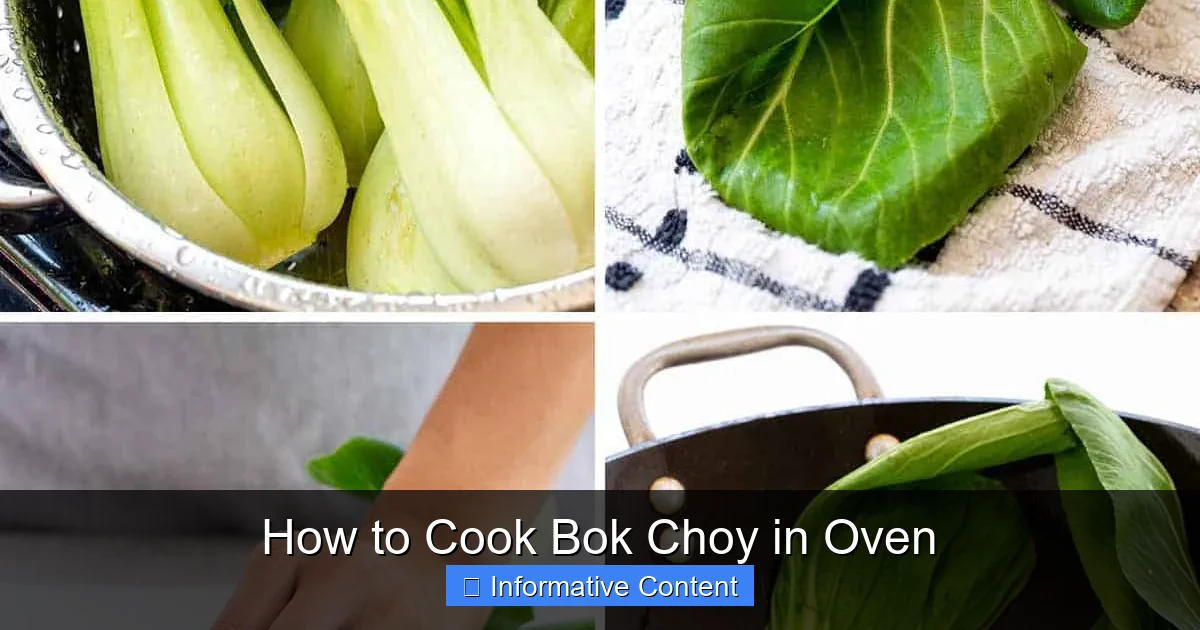
Visual guide about How to Cook Bok Choy in Oven
Image source: jessicagavin.com
When shopping, look for bok choy with crisp, vibrant green leaves and firm, white stems. Avoid any with yellowing leaves, slimy spots, or wilted edges. If you’re unsure, give the stem a gentle squeeze—it should feel solid, not soft or rubbery. Fresh bok choy not only tastes better but also roasts more evenly, preventing some parts from turning mushy while others remain undercooked.
Organic vs. Conventional
If possible, choose organic bok choy, especially if you’re not peeling the outer leaves. While bok choy isn’t typically on the “Dirty Dozen” list of pesticide-heavy produce, washing it thoroughly is still essential. Rinse each leaf under cold running water, and if the stems are particularly thick, scrub them gently with a vegetable brush to remove dirt trapped between layers.
Essential Tools and Ingredients
One of the best things about cooking bok choy in the oven is how little you need to get started. You don’t need fancy equipment or hard-to-find ingredients. Here’s what you’ll need:
- Bok choy: 2–4 heads, depending on serving size
- Olive oil or avocado oil: 1–2 tablespoons (enough to lightly coat)
- Salt and black pepper: To taste
- Baking sheet: Rimmed to prevent oil from dripping
- Parchment paper or silicone mat: Optional, but helps with cleanup and prevents sticking
- Mixing bowl: For tossing the bok choy
Optional flavor enhancers include minced garlic, soy sauce, sesame oil, red pepper flakes, or a splash of rice vinegar. These can be added before roasting or drizzled on after for a fresher taste.
Prepping Your Baking Sheet
Line your baking sheet with parchment paper or a silicone baking mat. This not only prevents sticking but also makes cleanup a breeze. If you don’t have either, a light spray of cooking oil on the sheet will work, but parchment is preferred for even browning.
Step-by-Step Guide to Roasting Bok Choy
Now that you’ve got your ingredients and tools ready, it’s time to cook. Follow these simple steps for perfectly roasted bok choy every time.
Step 1: Preheat the Oven
Set your oven to 425°F (220°C) and allow it to fully preheat. This high temperature is key to achieving that desirable caramelization on the edges of the leaves without overcooking the interior. A hot oven also helps the bok choy retain its structure instead of turning soggy.
Step 2: Prepare the Bok Choy
Rinse the bok choy thoroughly under cold water. For baby bok choy, you can often roast them whole. For larger heads, cut them in half lengthwise, or into quarters if they’re especially big. This ensures the thick stems cook through while the leaves don’t burn.
Pat the bok choy dry with a clean kitchen towel or paper towels. Excess moisture can steam the vegetable instead of roasting it, leading to a less flavorful result.
Step 3: Season the Bok Choy
Place the prepared bok choy in a mixing bowl. Drizzle with 1–2 tablespoons of olive oil—just enough to lightly coat each piece. Sprinkle with salt and pepper to taste. Toss gently with your hands or tongs to ensure even coverage.
If you’re using additional seasonings like garlic or soy sauce, add them now. For a simple umami boost, try 1 teaspoon of soy sauce and 1 minced garlic clove per 2 heads of bok choy. Avoid over-seasoning—bok choy has a delicate flavor that can easily be overwhelmed.
Step 4: Arrange on the Baking Sheet
Spread the bok choy in a single layer on the prepared baking sheet. Make sure the pieces aren’t overlapping—this allows hot air to circulate and promotes even browning. If you’re roasting a large batch, use two sheets and rotate them halfway through cooking.
Step 5: Roast and Monitor
Place the baking sheet in the center of the oven and roast for 15–20 minutes. Start checking at the 12-minute mark. The bok choy is done when the edges of the leaves are lightly browned and crisp, and the stems are tender when pierced with a fork.
If you prefer a softer texture, roast a few minutes longer. For extra crispiness, broil for 1–2 minutes at the end—just watch closely to prevent burning.
Flavor Variations and Serving Suggestions
Once you’ve mastered the basic method, feel free to get creative. Roasted bok choy is incredibly versatile and pairs well with a wide range of flavors and dishes.
Asian-Inspired Twist
After roasting, drizzle with a mixture of 1 teaspoon sesame oil, 1 tablespoon soy sauce, and a pinch of red pepper flakes. Sprinkle with toasted sesame seeds and chopped green onions for a restaurant-quality finish. This version is perfect alongside grilled chicken, beef, or tofu.
Mediterranean Style
Add a squeeze of fresh lemon juice and a sprinkle of crumbled feta cheese after roasting. The tanginess complements bok choy’s mild flavor beautifully. Serve with quinoa or couscous for a light, balanced meal.
Spicy Garlic Version
Before roasting, toss the bok choy with olive oil, 2 minced garlic cloves, 1/2 teaspoon red pepper flakes, and a pinch of salt. The garlic will mellow in the oven, adding depth without overpowering. Great with rice or noodles.
As a Side Dish
Roasted bok choy makes an excellent side for roasted meats, fish, or plant-based mains. It’s especially good with salmon—the rich, buttery fish pairs wonderfully with the crisp, slightly sweet vegetable.
In Grain Bowls
Chop the roasted bok choy and toss it into grain bowls with brown rice, quinoa, or farro. Add roasted sweet potatoes, chickpeas, and a tahini dressing for a hearty, nutritious meal.
Tips for Perfect Results
Even with a simple recipe, small details can make a big difference. Here are some pro tips to ensure your roasted bok choy turns out perfectly every time:
- Don’t overcrowd the pan: Give each piece space to roast, not steam.
- Use a rimmed baking sheet: Prevents oil and juices from spilling in your oven.
- Flip halfway through (optional): For even browning, flip the bok choy at the 10-minute mark—though it’s not always necessary.
- Serve immediately: Bok choy loses its crispness quickly, so enjoy it right out of the oven.
- Store leftovers properly: Keep in an airtight container in the fridge for up to 3 days. Reheat in a skillet or oven to restore texture.
Conclusion
Cooking bok choy in the oven is a game-changer for anyone looking to add more vegetables to their diet without spending hours in the kitchen. It’s fast, easy, and delivers big on flavor and nutrition. Whether you’re a seasoned cook or just starting out, this method is foolproof and endlessly adaptable.
With just a few simple steps—prepping, seasoning, and roasting—you can transform this humble green into a standout dish. Try it tonight with your favorite protein or grain, and discover why roasted bok choy deserves a regular spot on your dinner menu.
Frequently Asked Questions
Is bok choy healthy?
Yes, bok choy is highly nutritious. It’s low in calories and rich in vitamins A, C, and K, as well as calcium and antioxidants.
Can I use frozen bok choy for roasting?
It’s not ideal. Frozen bok choy has high water content and can become soggy when roasted. Fresh is always best for this method.
How long does it take to roast bok choy?
Typically 15–20 minutes at 425°F, depending on the size and desired texture.
Can I roast bok choy with other vegetables?
Yes, but choose vegetables with similar cooking times, like broccoli, carrots, or Brussels sprouts. Adjust seasoning as needed.
Why is my roasted bok choy soggy?
This usually happens if the bok choy wasn’t dried properly or the pan was overcrowded, causing steaming instead of roasting.
Can I eat the stems of bok choy?
Absolutely! The stems are edible and become tender and sweet when roasted. Just make sure to cut them evenly for uniform cooking.