
Learn how to cook cedar planked salmon in the oven for a restaurant-quality meal at home. This method infuses rich smoky flavor while keeping the fish moist and flaky. With simple prep and a few key tips, you’ll master this impressive dish in under an hour.
Key Takeaways
- Soak the plank for at least 1 hour: Prevents burning and creates steam for even cooking.
- Use untreated, food-grade cedar planks: Only use planks labeled safe for grilling or cooking.
- Preheat the oven to 375°F (190°C): Ensures consistent heat for perfectly cooked salmon.
- Season simply with salt, pepper, and lemon: Lets the natural smoky flavor shine without overpowering.
- Cook skin-side down for 12–15 minutes: Protects the fish and helps it stay intact.
- Check internal temperature at 145°F (63°C): Guarantees safe, tender results every time.
- Let it rest 5 minutes before serving: Locks in juices and enhances flavor.
Quick Answers to Common Questions
Can I use a gas or electric oven for cedar planked salmon?
Yes! Both gas and electric ovens work perfectly for cooking cedar planked salmon. Just make sure to preheat thoroughly and monitor the plank for excessive smoking.
How long should I soak the cedar plank?
Soak the plank for at least 1 hour, but up to 4 hours is even better. This prevents burning and creates steam for moist, even cooking.
Can I cook cedar planked salmon without the skin?
Yes, but skin helps protect the fish and makes it easier to handle. If your fillet is skinless, just be extra careful when flipping or serving.
What if my plank catches fire in the oven?
Don’t panic! Turn off the oven, close the door, and let it smother. Reduce the temperature next time and ensure the plank is fully soaked.
Can I use other types of wood planks?
Yes—alder, hickory, or maple planks also work well. Each adds a unique flavor, so experiment to find your favorite.
📑 Table of Contents
Why Cedar Planked Salmon Is a Game-Changer
If you’ve ever had cedar planked salmon at a restaurant, you know it’s something special. The rich, smoky aroma, the tender, flaky texture, and that subtle woodsy flavor make it a standout dish. But here’s the best part—you don’t need a fancy smoker or outdoor grill to recreate it at home. With just an oven and a few simple steps, you can master how to cook cedar planked salmon in oven and impress your family or guests with minimal effort.
This cooking method has been used for centuries by Indigenous peoples of the Pacific Northwest, who would cook salmon on wooden planks over open fires. Today, we’ve adapted the technique for modern kitchens, but the magic remains the same. The cedar plank acts as both a cooking surface and a flavor enhancer. As it heats up, it releases aromatic oils that gently infuse the salmon, creating a depth of flavor you just can’t get from regular baking. Plus, the plank helps retain moisture, so your salmon stays juicy and never dries out—even if you accidentally leave it in a minute too long.
What You’ll Need to Get Started
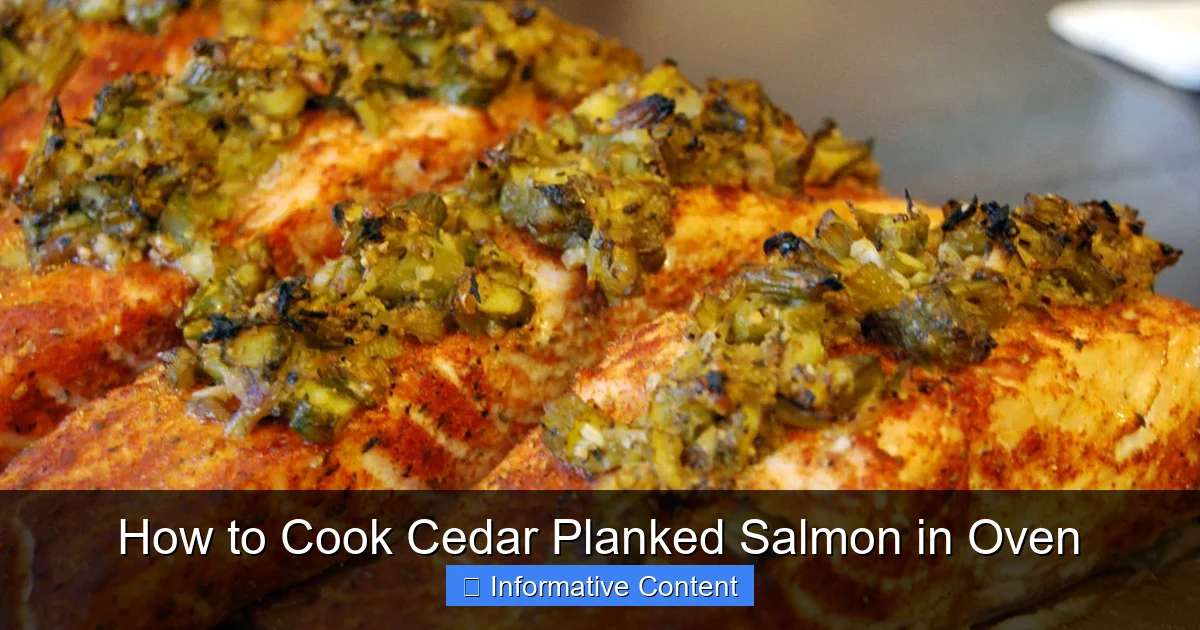
Visual guide about How to Cook Cedar Planked Salmon in Oven
Image source: tipsforbbq.com
Before you begin, make sure you have the right tools and ingredients. The beauty of this recipe is its simplicity, but a few key items make all the difference.
Essential Equipment
You’ll need a food-grade cedar plank—never use treated wood, as it can release harmful chemicals when heated. These planks are widely available at grocery stores, kitchen supply shops, or online. Look for ones labeled “for grilling” or “food-safe.” A standard plank is about 12×6 inches, which fits most salmon fillets perfectly.
You’ll also need a baking sheet or oven-safe pan to place the plank on. This catches any drips and makes it easier to handle. A meat thermometer is highly recommended to check doneness accurately, and a pair of tongs or a spatula will help you remove the salmon safely once it’s cooked.
Ingredients for Classic Cedar Planked Salmon
For the salmon itself, choose a high-quality, skin-on fillet—about 1 to 1.5 pounds is ideal for 2–4 servings. Fresh is best, but frozen works too if thawed properly in the fridge overnight.
For seasoning, keep it simple. A drizzle of olive oil, a sprinkle of sea salt, freshly ground black pepper, and a few thin lemon slices are all you need. You can also add fresh dill, garlic powder, or a light honey-mustard glaze if you like, but don’t overdo it. The cedar does most of the flavoring work.
Step-by-Step Guide to Cooking Cedar Planked Salmon in Oven
Now that you’re prepped, let’s walk through the process. Follow these steps carefully for the best results.
Step 1: Soak the Cedar Plank
This is the most important step—don’t skip it! Soak your cedar plank in water for at least 1 hour, or up to 4 hours for extra safety. You can use a large bowl, sink, or even a clean bucket. Weigh it down with a plate or jar to keep it fully submerged.
Soaking prevents the plank from catching fire in the oven and creates steam, which helps cook the salmon evenly and keeps it moist. If you’re short on time, a 30-minute soak is better than nothing, but aim for the full hour if possible.
Step 2: Prep the Salmon
While the plank soaks, prepare your salmon. Pat the fillet dry with paper towels—this helps the seasoning stick and promotes better browning. Place it skin-side down on a clean surface. Drizzle lightly with olive oil and rub it in gently. Then season both sides with salt and pepper. Add lemon slices on top for brightness and a hint of acidity.
If you’re using herbs like dill or parsley, sprinkle them over the top now. Avoid heavy sauces at this stage—they can burn in the oven. Save glazes for the last 5 minutes of cooking if you want a caramelized finish.
Step 3: Preheat the Oven and Set Up
Preheat your oven to 375°F (190°C). This temperature is ideal—it’s hot enough to cook the salmon through without drying it out, but not so hot that it scorches the plank.
Once the plank has soaked, remove it from the water and shake off excess moisture. Place it directly on a baking sheet or oven-safe pan. Then carefully place the seasoned salmon on top, skin-side down. The skin helps protect the delicate flesh and makes it easier to serve later.
Step 4: Bake the Salmon
Slide the baking sheet into the center of the preheated oven. Bake for 12 to 15 minutes, depending on the thickness of your fillet. A 1-inch thick piece will take about 12 minutes, while a thicker cut may need up to 18.
Avoid opening the oven door too often—this lets heat escape and can lead to uneven cooking. Instead, keep an eye on the plank. It may start to char slightly around the edges, which is normal. But if it begins to smoke heavily or flame up, reduce the oven temperature to 350°F (175°C) and move the pan to a lower rack.
Step 5: Check for Doneness
The best way to know your salmon is done is by checking its internal temperature. Insert a meat thermometer into the thickest part of the fillet—it should read 145°F (63°C). At this point, the salmon will flake easily with a fork and appear opaque throughout.
If you don’t have a thermometer, gently press the flesh with your finger. It should feel firm but still spring back slightly. Undercooked salmon will feel too soft and jiggle, while overcooked fish will be dry and crumbly.
Step 6: Rest and Serve
Once done, remove the baking sheet from the oven and let the salmon rest on the plank for 5 minutes. This allows the juices to redistribute, making each bite more flavorful and moist.
Use a spatula to carefully lift the salmon off the plank—the skin should stay behind, making serving neat and easy. Transfer to a plate and garnish with extra lemon wedges or fresh herbs if desired.
Tips for Perfect Cedar Planked Salmon Every Time
Even with the right steps, a few extra tips can elevate your dish from good to great.
Choose the Right Plank Size
Make sure your plank is large enough to hold the entire fillet with a little overhang. If it’s too small, the salmon may hang over the edges and cook unevenly.
Don’t Overcrowd the Oven
If you’re cooking multiple planks, leave space between them for proper airflow. This ensures even heat distribution and prevents one piece from cooking faster than the others.
Experiment with Flavors
While classic seasoning works beautifully, don’t be afraid to get creative. Try a maple-soy glaze, a sprinkle of smoked paprika, or a mix of orange zest and thyme. Just apply bold flavors in the last few minutes to avoid burning.
Reuse Your Plank (Safely)
After cooking, let the plank cool completely. Scrub it gently with soap and water, then air dry. You can reuse it 2–3 times as long as it’s not cracked or heavily charred. Store it in a dry place between uses.
Serving Suggestions and Pairings
Cedar planked salmon is delicious on its own, but it pairs wonderfully with a variety of sides. Try serving it with roasted asparagus, garlic mashed potatoes, or a fresh arugula salad with lemon vinaigrette. For a complete meal, add a grain like wild rice or quinoa.
A crisp white wine like Sauvignon Blanc or a light Pinot Noir complements the smoky flavor beautifully. And for dessert? Keep it simple with fresh berries and a dollop of whipped cream.
Conclusion
Learning how to cook cedar planked salmon in oven is a skill that pays off with every bite. It’s elegant enough for dinner parties, yet simple enough for a weeknight meal. With the right plank, a little prep, and attention to temperature, you’ll get tender, flavorful salmon that tastes like it came from a five-star restaurant.
So grab a cedar plank, fire up your oven, and give it a try. Once you taste that first smoky, buttery bite, you’ll wonder why you ever cooked salmon any other way.
Frequently Asked Questions
Is cedar planked salmon safe to eat?
Yes, as long as you use food-grade, untreated cedar planks. These are specifically made for cooking and won’t release harmful chemicals when heated.
Can I cook cedar planked salmon on the stove?
While traditionally cooked over fire or in the oven, you can use a stovetop method with a covered skillet. However, the oven provides more even, controlled heat.
How do I know when the salmon is done?
The safest way is to check the internal temperature with a meat thermometer. It should reach 145°F (63°C) in the thickest part.
Can I freeze cedar planked salmon?
It’s best enjoyed fresh, but you can freeze cooked salmon for up to 2 months. Reheat gently in the oven to preserve texture.
Do I need to flip the salmon while cooking?
No—cook it skin-side down the entire time. Flipping can break the delicate flesh and reduce the smoky infusion.
Can I use frozen salmon for this recipe?
Yes, but thaw it completely in the refrigerator first. Pat dry well before seasoning to ensure even cooking and proper browning.