
Sea bass fillets are a delicious, flaky white fish that cook beautifully in the oven with minimal effort. With the right seasoning, temperature, and timing, you can achieve a moist, tender dish that’s perfect for weeknight dinners or elegant entertaining.
Key Takeaways
- Preheat your oven to 400°F (200°C) for even cooking and a lightly crisped top.
- Pat fillets dry before seasoning to ensure a better sear and prevent steaming.
- Use simple seasonings like olive oil, lemon, garlic, and herbs to enhance the delicate flavor of sea bass.
- Cook for 10–12 minutes depending on thickness—overcooking leads to dry, tough fish.
- Use a meat thermometer to check for doneness—fish is ready at 145°F (63°C).
- Let the fish rest for 2–3 minutes after baking to retain moisture and improve texture.
- Pair with fresh sides like roasted vegetables or a light salad for a balanced, satisfying meal.
Quick Answers to Common Questions
How long do you cook sea bass fillets in the oven?
Sea bass fillets typically take 10–12 minutes to bake at 400°F (200°C), depending on thickness. Always check for an internal temperature of 145°F (63°C).
Should I bake sea bass with skin on or off?
Either way works, but skin-on fillets tend to stay moister and hold together better. The skin also adds flavor and can crisp up slightly in the oven.
Can I marinate sea bass before baking?
Yes, but keep it short—15 to 30 minutes is plenty. Sea bass is delicate and can become mushy if marinated too long, especially with acidic ingredients like lemon juice.
What temperature should sea bass be cooked to?
The FDA recommends cooking fish to an internal temperature of 145°F (63°C). Use a meat thermometer for accuracy.
Can I bake frozen sea bass fillets?
It’s best to thaw them first in the refrigerator. Baking from frozen can lead to uneven cooking and a drier texture.
📑 Table of Contents
Why Sea Bass Fillets Are Perfect for Oven Baking
Sea bass is a mild, buttery white fish that’s beloved by home cooks and professional chefs alike. Its delicate texture and subtle sweetness make it incredibly versatile, especially when baked in the oven. Unlike frying, which can be messy and inconsistent, oven-baking sea bass fillets ensures even heat distribution, resulting in a perfectly cooked, flaky interior with a lightly golden top.
One of the biggest advantages of baking sea bass is how little hands-on time it requires. Once you’ve seasoned the fillets and placed them in the oven, you’re free to prepare sides or set the table. Plus, because sea bass is naturally low in fat, it benefits from a little added moisture—like olive oil or a citrus marinade—during baking to stay juicy. Whether you’re cooking for two or hosting a dinner party, oven-baked sea bass is a reliable, impressive dish that never fails to impress.
Choosing the Best Sea Bass Fillets
Not all sea bass is created equal, so selecting high-quality fillets is the first step to a great meal. When shopping, look for fillets that are firm to the touch, with a clean, ocean-fresh smell—never fishy or sour. The flesh should be moist but not slimy, and the color should range from pearly white to light pink, depending on the variety.
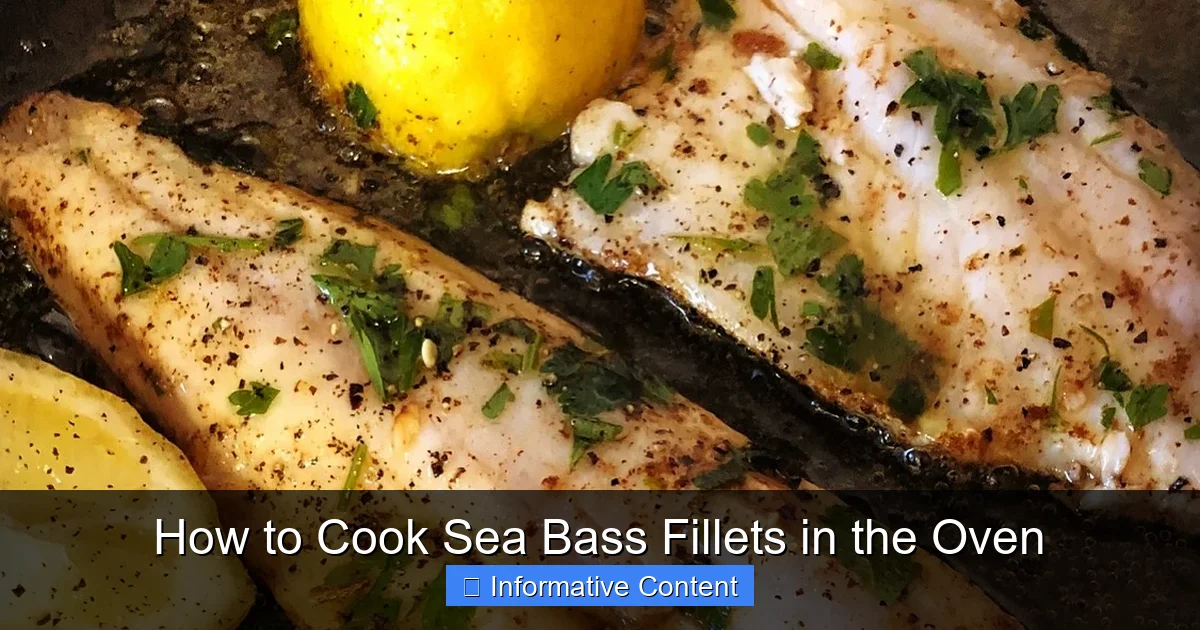
Visual guide about How to Cook Sea Bass Fillets in the Oven
Image source: timeforacoffee.com
Fresh vs. Frozen Sea Bass
If you have access to a trusted fishmonger, fresh sea bass is ideal. However, don’t shy away from frozen fillets—many are flash-frozen at sea, which locks in freshness. Just be sure to thaw them properly in the refrigerator overnight before cooking. Avoid thawing at room temperature, as this can lead to uneven cooking or bacterial growth.
Sustainable Sourcing Matters
Sea bass populations can be vulnerable to overfishing, so it’s wise to choose sustainably sourced options. Look for certifications like MSC (Marine Stewardship Council) on the packaging, or ask your fishmonger about the origin of the fish. Chilean sea bass, for example, has faced sustainability concerns, so alternatives like European sea bass or farmed options with responsible practices are better choices.
Essential Ingredients and Tools
You don’t need a long list of ingredients to make delicious oven-baked sea bass. A few high-quality staples are all it takes to bring out the natural flavor of the fish.
Basic Ingredients
- Sea bass fillets (skin-on or skin-off, depending on preference)
- Extra-virgin olive oil – adds richness and helps prevent sticking
- Lemon – fresh juice and zest brighten the flavor
- Garlic – minced or sliced for aromatic depth
- Fresh herbs – parsley, dill, or thyme work beautifully
- Salt and freshly ground black pepper – essential for seasoning
Optional Add-Ins
- Capers for a briny kick
- White wine for deglazing and added moisture
- Cherry tomatoes or olives for a Mediterranean twist
- Butter for extra richness (add during the last 2 minutes of baking)
Kitchen Tools You’ll Need
- Baking dish or sheet pan
- Parchment paper or lightly greased foil (optional, for easy cleanup)
- Meat thermometer (highly recommended)
- Small bowl for mixing seasonings
- Brush for applying oil or marinade
Step-by-Step Guide to Baking Sea Bass Fillets
Now that you’ve gathered your ingredients and tools, it’s time to cook. Follow these simple steps for perfectly baked sea bass every time.
Step 1: Preheat the Oven
Set your oven to 400°F (200°C). This temperature is hot enough to cook the fish through without drying it out, while also giving the top a light, appealing color. Allow the oven to fully preheat—this usually takes about 10–15 minutes—before placing the fish inside.
Step 2: Prepare the Fillets
Remove the sea bass fillets from the refrigerator and let them sit at room temperature for 10–15 minutes. This helps them cook more evenly. Pat them thoroughly dry with paper towels—this is crucial, as excess moisture prevents proper browning and can lead to steaming instead of baking.
Step 3: Season the Fish
Place the fillets in a baking dish, skin-side down if they have skin. Drizzle lightly with olive oil and rub it over the surface. Season generously with salt and pepper. Add minced garlic, lemon zest, and your choice of fresh herbs. For extra flavor, squeeze fresh lemon juice over the top and tuck a few lemon slices underneath or beside the fillets.
Step 4: Bake the Sea Bass
Place the baking dish in the center of the preheated oven. Bake for 10–12 minutes, depending on the thickness of the fillets. A general rule is to cook fish for about 10 minutes per inch of thickness. For example, a 1-inch-thick fillet will take about 10 minutes, while a 1.5-inch fillet may need 12–14 minutes.
Step 5: Check for Doneness
The best way to know when sea bass is done is by using a meat thermometer. Insert it into the thickest part of the fillet—it should read 145°F (63°C). Alternatively, you can check by gently flaking the fish with a fork. It should separate easily into moist, opaque layers. If it’s still translucent or resists flaking, give it another minute or two.
Step 6: Rest and Serve
Once cooked, remove the sea bass from the oven and let it rest for 2–3 minutes. This allows the juices to redistribute, keeping the fish tender and moist. Serve immediately while warm.
Tips for Perfect Oven-Baked Sea Bass
Even with a simple recipe, a few expert tips can elevate your dish from good to great.
Don’t Overcook
Sea bass is lean and can dry out quickly if left in the oven too long. Set a timer and check the fish a minute or two before the expected finish time. Remember, it will continue to cook slightly after being removed from the oven due to residual heat.
Use Skin-On Fillets for Extra Flavor
If your fillets have skin, leave it on—it adds flavor and helps hold the fish together during baking. The skin will crisp up slightly in the oven, especially if you drizzle it with a little extra oil.
Add Aromatics Underneath
Place lemon slices, garlic cloves, or fresh herb sprigs directly under the fillets in the baking dish. As they heat up, they’ll release fragrant steam that infuses the fish with subtle flavor.
Try a Simple Pan Sauce
After removing the fish, don’t discard the juices in the baking dish. Add a splash of white wine or broth and simmer on the stovetop for 2–3 minutes. Stir in a pat of butter and a squeeze of lemon for a quick, restaurant-style sauce to drizzle over the fish.
Serving Suggestions and Pairings
Oven-baked sea bass pairs beautifully with a variety of sides, making it a versatile centerpiece for any meal.
Light and Fresh Sides
- Steamed asparagus or green beans
- Arugula salad with lemon vinaigrette
- Quinoa or couscous with herbs and lemon
Heartier Options
- Roasted potatoes with rosemary
- Wild rice pilaf with mushrooms
- Grilled vegetables like zucchini, bell peppers, and eggplant
Beverage Pairings
A crisp white wine like Sauvignon Blanc or Pinot Grigio complements the delicate flavor of sea bass. For non-alcoholic options, try sparkling water with a twist of lemon or a light herbal iced tea.
Conclusion
Cooking sea bass fillets in the oven is one of the easiest and most rewarding ways to enjoy this elegant fish. With minimal ingredients and just 15 minutes of active time, you can create a dish that’s both nutritious and impressive. Whether you’re cooking for a special occasion or a quiet weeknight dinner, oven-baked sea bass delivers consistent, delicious results every time.
By following these simple steps—choosing quality fillets, seasoning well, baking at the right temperature, and serving with complementary sides—you’ll master this recipe in no time. So next time you’re at the fish counter, grab some sea bass and give this method a try. Your taste buds (and your dinner guests) will thank you.
Frequently Asked Questions
How do I know when sea bass is done baking?
The fish is done when it flakes easily with a fork and reaches an internal temperature of 145°F (63°C). The flesh should be opaque, not translucent.
Can I use dried herbs instead of fresh?
Yes, but use about half the amount since dried herbs are more concentrated. Add them early in the cooking process to allow their flavors to develop.
What’s the best way to prevent sea bass from sticking to the pan?
Use a non-stick baking dish, line it with parchment paper, or lightly grease it with olive oil. Skin-on fillets also tend to release more easily.
Can I bake sea bass with vegetables?
Absolutely! Add vegetables like cherry tomatoes, zucchini, or bell peppers to the baking dish. They’ll roast alongside the fish and absorb its flavors.
Is sea bass healthy?
Yes, sea bass is a good source of lean protein, omega-3 fatty acids, and essential nutrients like selenium and vitamin D.
Can I reheat leftover baked sea bass?
Yes, gently reheat in a 300°F (150°C) oven for 5–7 minutes or until warmed through. Avoid microwaving, as it can make the fish rubbery.